The Magna Carta …. and all that

THE MAGNA CARTA was signed 800 years ago (well almost) on 15th June 1215. It means, of course, Great Charter. In fact it was so great that it was redundant by the middle of September of the same year, after having been annulled by Pope by letters dated the 24th August. But it did live on …….
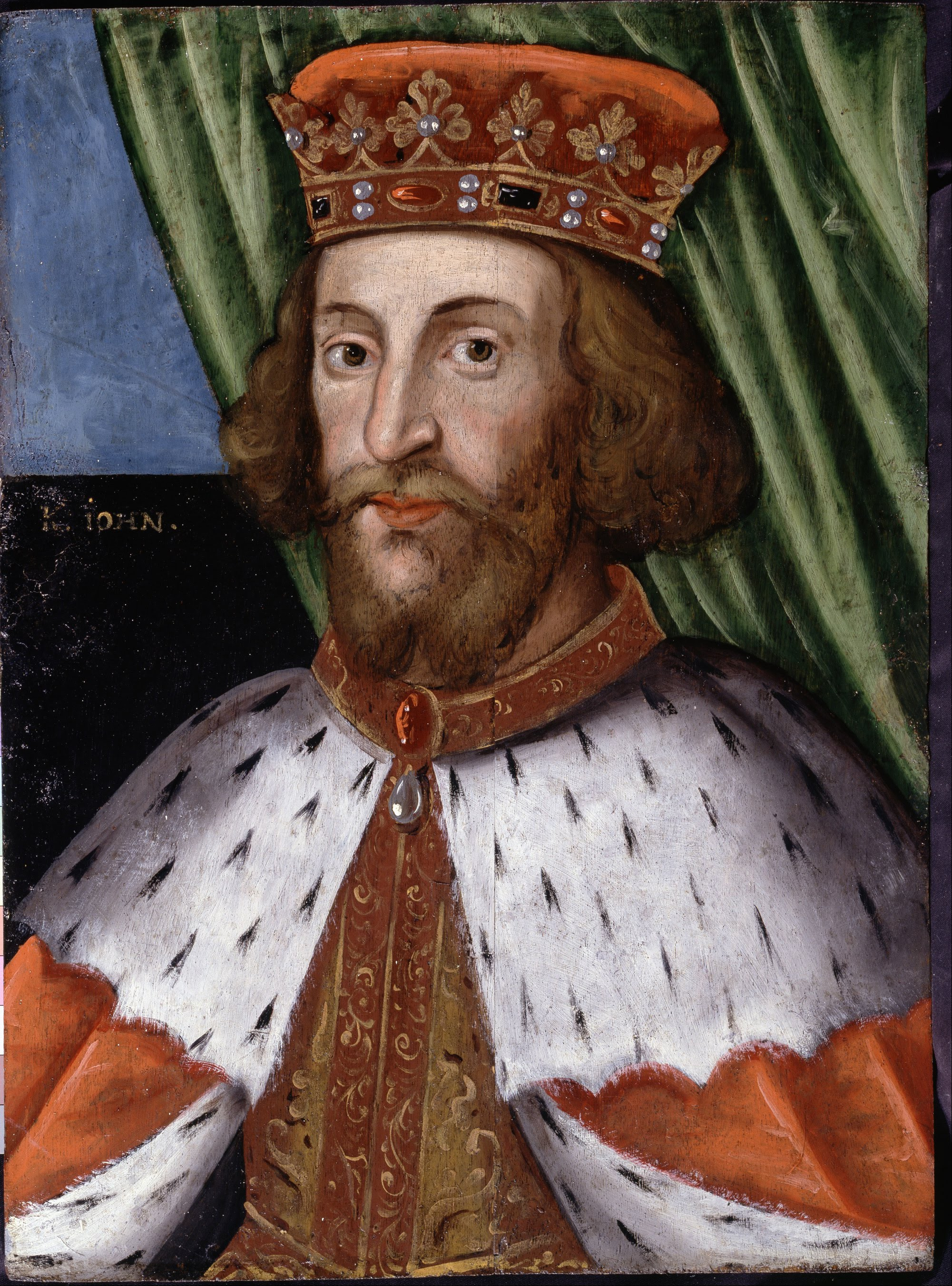
British_-_King_John_-_Google_Art_Project

King John (reign 1199-1216)

Basically King John was a bit of a tyrant king, wanting supreme power over the Church and his barons. Being very silly, by 1204, he had lost most of his ancestral lands in France to Philip II and so he raised taxes on his barons to ‘save-up’ for a conquest of France to retrieve these lands. Result: very miffed barons. It didn’t help that John was a bit naughty with some of these barons’ wives and daughters but we won’t go there.   The barons in the north and east of England ganged together taking an oath to ‘stand fast for the liberty of the church and the realm’ and raised their ‘We Hate John’ banners. Civil war was looming.
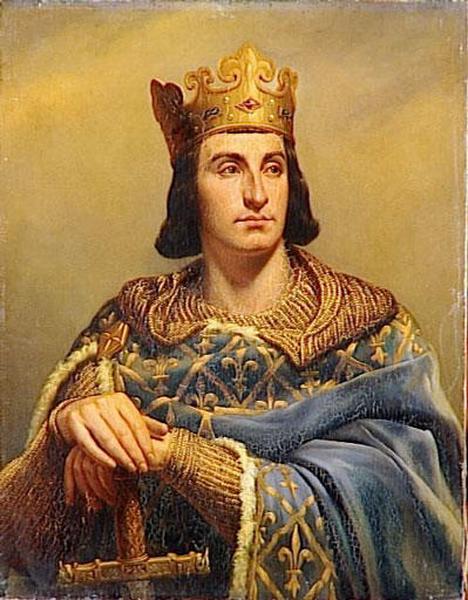
Philip_II,_King_of_France,Philip II of France (reign 1180-1223)

John took an oath to become a crusader trusting that such an action would put him in favour with the Church (remember the Knight Templar crusader monks last week) – or, at least give him some protection under church (papal) law. I bet he had his fingers crossed behind his back when he took that oath.
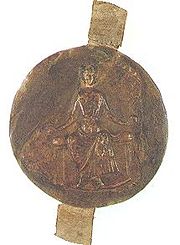
180px-Sealjohn

King John’s seal used to sign the Magna Carta and other documents making other promises he wouldn’t keep

Anyway, to avoid civil war, John and his barons met at Runnymede to sign the Magna Carta which had been drawn up by Stephen Langton, the Archbishop of Canterbury. It was an agreement of 63 clauses including the protection of church rights, prevention of unlawful imprisonment of barons, swift access to justice and limitations on taxes and other feudal payments to the Crown.  Any impeachment of terms by the King would be enforced by 25 barons (the ‘security clause’). It’s known as a liberty agreement but it only affected the higher ranking members of society – about 10-20% of the populace – so a democratic document it was not. In effect, the Magna Carta was a peace treaty between John and his rebel barons.
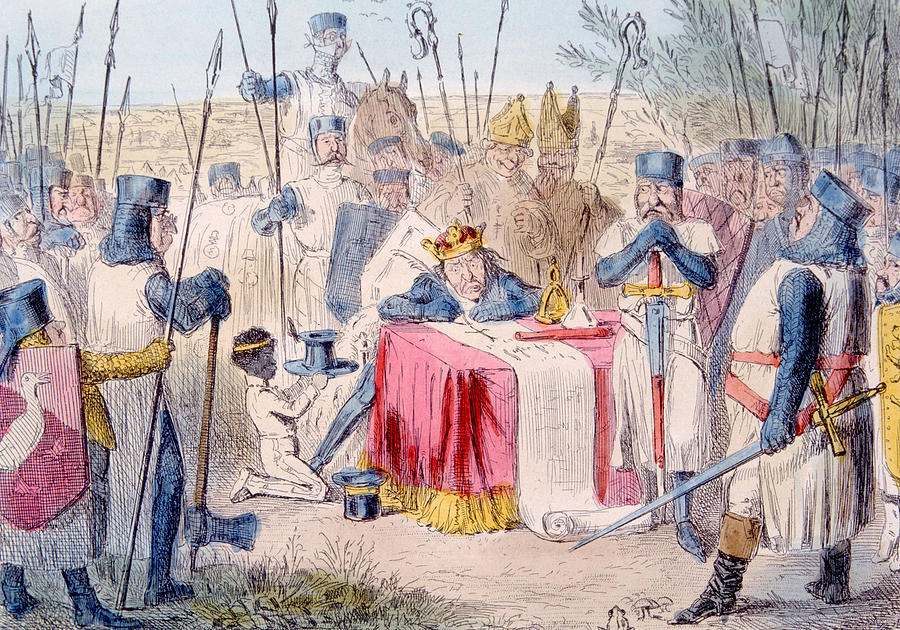
the-magna-carta-being-signed-by-king-everett

King John (reluctantly) signing the Magna Carta

Needless to say, it almost immediately encountered problems. Firstly, the barons refused to surrender London which they controlled; secondly, the agreement forbid an appeal to any higher authority but John complained to the Pope, Innocent III (ironically, because I don’t suppose John accepted the Pope as a higher authority), as Langton (above) refused to enforce an earlier excommunication against the rebel barons (why would he if they had come to a peaceful agreement?!). Thirdly, Langton refused to give up Rochester Castle which was strategically vital as it guarded the access to the coast and a defensive position for any possible invasion by the French at Dover (so John wanted control over it). Then, when the Pope read the Magna Carta he was not impressed, particularly with the ‘security clause’ which implied use of violence which made the agreement unlawful in canon (church) law. That was it and, in August, the Pope sent his papal bull letters denouncing the agreement presumably as a ‘load of old bull’ (sorry).
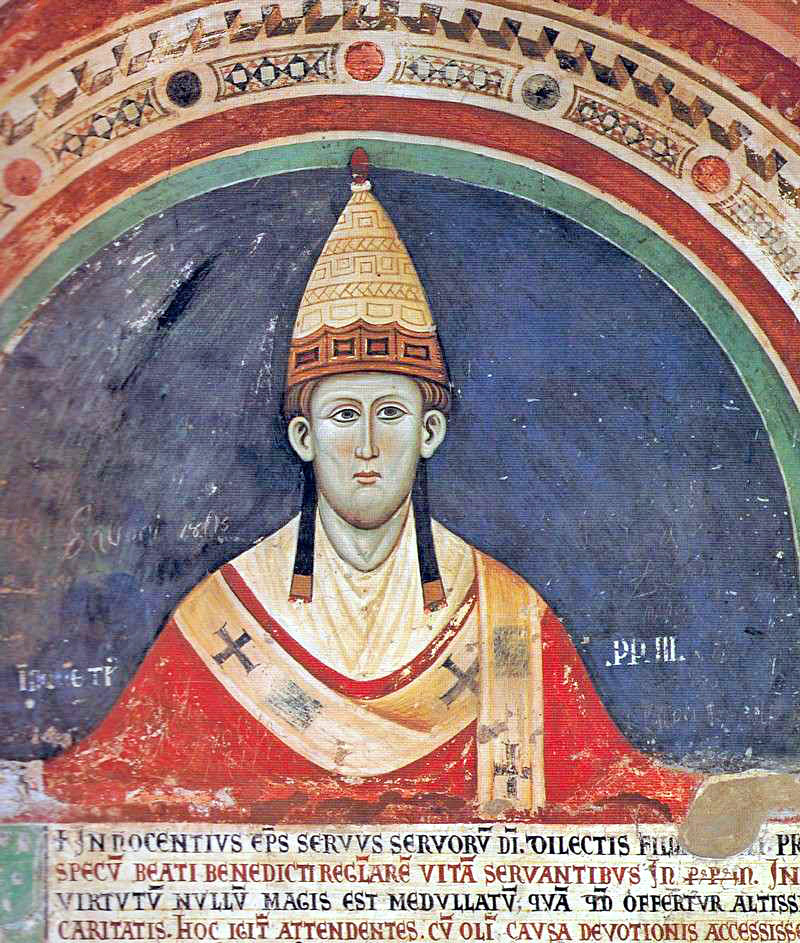
Innozenz3

Pope Innocent III (1161-1216)

Civil war was inevitable as the barons were convinced (probably even prior to the signing of the charter) that John was going to be impossible to deal with. They allied with King Philip of France who sent them his son, the future Louis VII, to claim the English throne. Well, why not. The conflict achieved very little and John died in October 1216 leaving the crown to his nine year old son, Henry III (and if you remember last week, William Marshall, Earl of Pembroke was his regent). The charter was then resurrected – three times, in fact, during Henry’s reign – in 1216, 1217 and 1225  with Pembroke and the papal legate Guala sealing it whilst Henry was ‘under-age’. On each occasion certain modifications were made to it including the removal of the ‘security clause’. In 1253 it was first proclaimed to the public at large and, as well as its re-issue, Henry promised around a dozen or so times to uphold it. In 1297, Henry’s successor, his son Edward I, reissued the 1225 charter and guaranteed to comply with it on various occasions thereafter, as have the monarchs over the centuries ever since (okay, Charles I was a little difficult with it but there was no need to lose his head over it). It is this 1297 re-issue that sort of remains in force today.
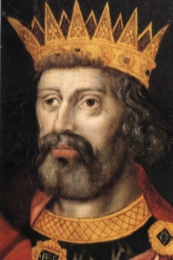
13546_Henry-III

Henry III (reign 1216-1272)

I say ‘sort of remains in force today’ because most of the clauses were repealed in Queen Victoria’s reign and a few more during the 20th century leaving, now, only four in force, 1, 13, 39 and 40. Clause 1 confirms that the English Church shall be free to elect its own dignitaries without royal interference; clause 13 grants ancient liberties and free customs (trade) by land and water and to all other cities and towns;  clause 39 protects against unlawful imprisonment; clause 40 prevents a denial of justice. So there you have it – a great charter minus 59 of its original 63 clauses, although it had a great effect on future monarchs and their relationship with what was to become parliament. It stands for liberty, or, as the esteemed judge Lord Denning described it in 1964, ‘the greatest constitutional document of all times – the foundation of freedom of the individual against the arbitrary authority of the despot’. Well, in principle anyway.
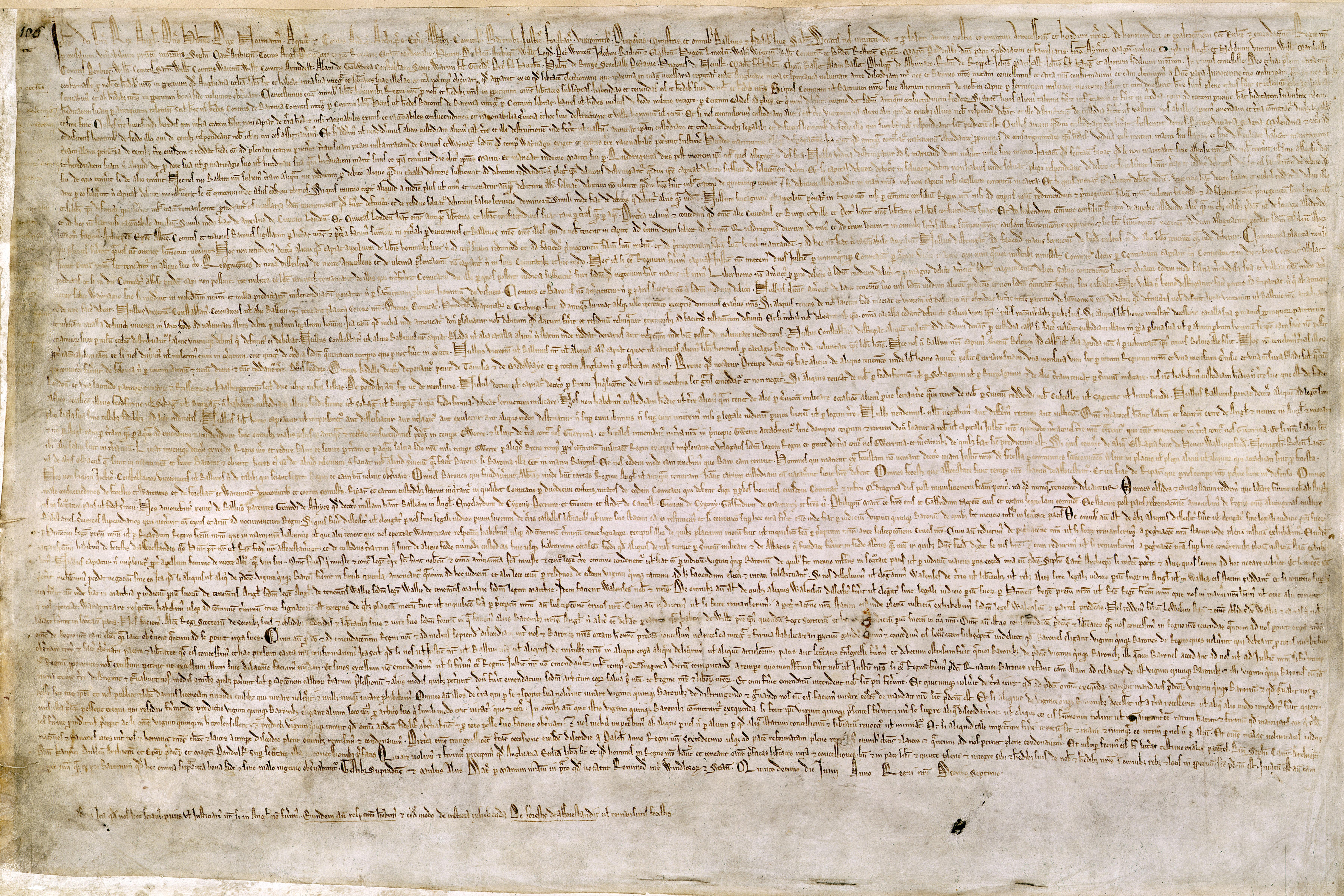
 Magna_Carta_(British_Library_Cotton_MS_Augustus_II.106)

 1216 Magna Carta in the British London

 Many copies of the charter have been made over the centuries but there are very few of the ‘original copies’ around today. The ‘very original’ Magna Carta signed by John no longer exists but several copies were made for distribution around the realm. Only four of these 1215 copies still exist, two are in the British Library in London, one of which has suffered fire damage and is illegible but the only one to retain its seal (the other one, pictured above, was saved by the antiquarian, Sir Robert Cotton, from being cut up by his tailor for use as suit patterns). Another one is in Salisbury Cathedral, and the other in Lincoln Cathedral (both of these have been with these Cathedrals since 1215.  One 1216 original remains and is at Durham Cathedral.  Four 1217 editions still exist, three in the Bodleian Library, Oxford (one with William Marshall’s seal) and one at Hereford Cathedral.  A 1225 edition (the ‘Lacock Magna Carta’) had been hidden under the floorboards of Lacock Abbey in Wiltshire by its owner Miss Talbot in 1939 until 1945 and is now in the British Library. This one was to be loaned to the USA (the English setting up in the New World in the 17th century relied on the liberties of the Magna Carta) and a certain Lt-Cdr Douglas Fairbanks Jr USN set aside a public holiday as  a result (such authority for a movie star!),  but the loan required an Act of Parliament and Parliament couldn’t agree – nothing new there.  However, fear not America, there is a 1297 one in the US which was sold by the Brudenell family (the earls of Cardigan), to the Perot Foundation in the US in 1985, who sold to a US businessman, David Rubenstein, for $21.3 million dollars, who then gave it on permanent loan to the National Archives in Washington. Well done that man.

Magna_Carta_(1297_version_with_seal,_owned_by_David_M_Rubenstein)

The 1297 Rubenstein Magna Carta in Washington US

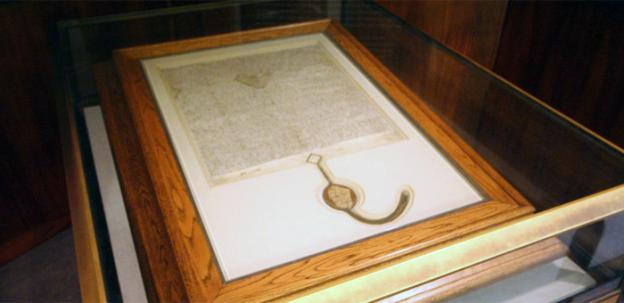
However, the 1297 Bruton Magna Carta was a bargain compared with the Rubenstein MC as it was sold at auction by the King’s School, Bruton, UK, to the Australian Government for only £12,500, although that was in 1952, and it is now on display in Parliament House in Canberra, Australia. It was not clear how the school came by this document – one suggestion was that it was simply found in a school desk in the 1936! The British Museum wanted to keep it but couldn’t afford it (they were thinking of offering around £2,500). Then there’s the ‘twist’ to the story. Later investigations revealed that the Bruton Magna Carta would have been part of a collection of documents, including a companion to the Magna Carta, the Forest Charter also of 1297 bearing the same sealing, owned by the nunnery at Eastbourne Priory in Sussex. On the dissolution of the monasteries the priory and its documents were transferred into private hands and the documents found their way into the possession of a solicitor, one John Louche of Drayton. In 1905, John Douche’s son granted all these documents to the British Museum.  The documents included the 1297 Forest Charter but not the Magna Carta. It should have been among the documents being a companion to the same-year and same-sealed Forest Charter. It would appear that John Douche may have muddled up the priory documents at some point and the Magna Carta had been accidentally ‘filed’ away with papers that eventually found their way to King’s School Bruton. So,  in reality, it was highly likely that the British Museum should have had the Magna Carta free of charge. Hmmm …… solicitors!
2.22.12news-wikimedia-magna-carta-edit

  The 1297 Bruton Magna Carta on display in Canberra, Australia

.

Next week: Odd bods: the druid who created cremation ……


Artemus Smith’s Notebooks

I continue my research of the notebooks of Dr Artemus Smith, archaeologist of great courage, determination and fiction. Here is another extract:

I was acquainted (not by friendship I must add) with a solicitor of rather undesirable habits, one of which was his continual boasting of his powers of negotiation.

 He met his match the other day with a good friend of mine, a barrister, Soames Maltravers.

 Now Maltravers had a great legal mind and would charge £100 for each question he answered. The solicitor was determined to negotiate a better deal. He asked Maltravers, “Can I ask you two questions for £150?”

 Maltravers responded, “Indeed you may. What’s the second question?”
art-smth

Contents

Sadly and tragically, Dud left us on 28th January 2016 whilst undergoing emergency heart surgery.  However, I (that is Sarah, his wife) have decided to keep the blog (and his memory) alive.  I will leave his ‘contents intro’ exactly as he wrote it, but I will update it as I add in new blogs myself.

New posts from Mrs Dud

July 2016

Travels in Crete 8 – Boat Trips, Churches, Houses & Cemeteries

Let’s Talk About ……

February 2016

Dr Dud and ‘I am Spartacus’

Dr Dud by Mrs Dud


Original Contents from Dr Dud

Many thanks for following my blog. If are receiving the blog through the email it may be coming out with a rather bland white background and, in some cases, you have to click in a box for the pictures. To avoid this, when you get notification of the blog through the email, your best bet is to simply click on drdudsdicta.com either as a separate link on an email or in Google – then you get the pretty blue background and should have no problem with the pictures.

For those of you just picking up the odd post, here is my contents list. If you want to see any post  in particular, just click on the the title below, or if you are looking for something specific, click on a likely Categories link on the right.


January 2016

Kit Carson in the Wild West

Travels in Crete 7: the Greek Epiphany

The Romans and the Space Shuttle

December 2015

Merry Christmas (and Rudolph the Red-Nosed Reindeer)

Plato

Socrates

Battle of Waterloo

November 2015

If you go down to the woods today …. (teddy bears)

The Curse of Cowdray House

Dan Snow on the Mary Rose

The Linnean Society

October 2015

Battle of Agincourt

Alfred Wallace on evolution: credit where due

That Hamilton Woman: Hollywood fact or fiction?

Matinee idols: a role for men – but is it worth it?

Non-national Knighthoods

September 2015

A walk from Blackfriars Bridge to London Bridge

The Iliad in print

Buying a Book of Hours 2

Buying a Book of Hours

August 2015

The Venerable Bede on immigration

Latest publications

The Magna Carta revisited

Travels in Crete 6: keep out the water

Travels in Crete 5: Toplou revisited

Travels in Crete 4: the anniversary

July 2015

The British Skiing and the Ski Club of Great Britain

Diving the Red Sea

Travels in Crete 3: religious sanctuaries

Wimbledon

June 2015

Glyndebourne

George Jeffreys: The Hanging Judge

The Life and Times of Judge Roy Bean

My Cousin Ralph (Judge Ralph Garlick)

May 2015

200 years of Oxford rowing

The Other ‘Great Escape’ (Alcoentre prison)

Outlander – and the Jacobite Rebellion

Alcibiades the Lad

Greek Drama-rama

April 2015

300 [Spartans}: Hollywood fact or fiction?

17th century British Travellers to Crete

Travels in Crete 2: Bramber Tours

Charles I: above the Law?

March 2015

Stonehenge and the druids

Mary Rose

Herstmonceux Castle

Thomas Edward Booth of the Booth Museum

February 2015

Juries – a good thing or a bad thing

The Parthenon – then and now

Wolf Hall, Anne Boleyn and all that

Thomas Spratt – antiquarian traveller to Crete

January 2015

Robert Pashley – antiquarian traveller to Crete

Richard Pococke – antiquarian traveller to Crete

Odd Bods: Eadweard Muybridge

Odd Bods: William Price- the druid who created cremation

Magna Carta … and all that

December 2014

Middle Temple and Temple Church

Brasenose – an Oxford College

Ye Olde Bramber Castle Inn

Thomas Spratt and the Fellows marbles

November 2014

Lord Elgin loses his marbles

The Grand Tour

Homer and the Bagpus theory

Gladiator: Hollywood fact or fiction?

Devolopment of Societies with archaeological interests

October 2014

Glastonbury: fact and fiction?

U-boats: U-671 and U-413 and sinking of HMS Warwick

Tutankhamun: road traffic accident?

Spartacus: Hollywood fact or fiction?

September 2014

Decipherment of Linear B

E for Excellent class submarines in the Dardanelles

K for Klot class submarines

Ill met by moonlight: Hollywood fact or fiction?

August 2014

John Pendlebury

Wild Bill [Hickok]: Hollywood fact or fiction?

Alamo: Hollywood fact or fiction?

Lawrence of Arabia: Hollywood fact or fiction?

The Great Escape: Hollywood fact or fiction?

July 2014

House of Virgin Mary, Ephesus

Troy: Hollywood fact or fiction?

Mycenae forgotten tombs

Mycenae citadel

June 2014

Crete: the island that tipped

The Labyrinth of Minos in Crete

Myth and the Minoans

Bronze Age Crete: the Minoans

May 2014

Travels in Crete: Mochlos

St Mary’s, Bramber

Ghosts of Bramber Castle

St Nicholas’ Church at Bramber Castle

Artemus Smith

April 2014

Bramber Castle – architecture and archaeology

Bramber Castle – history

Middle Temple and Temple Church

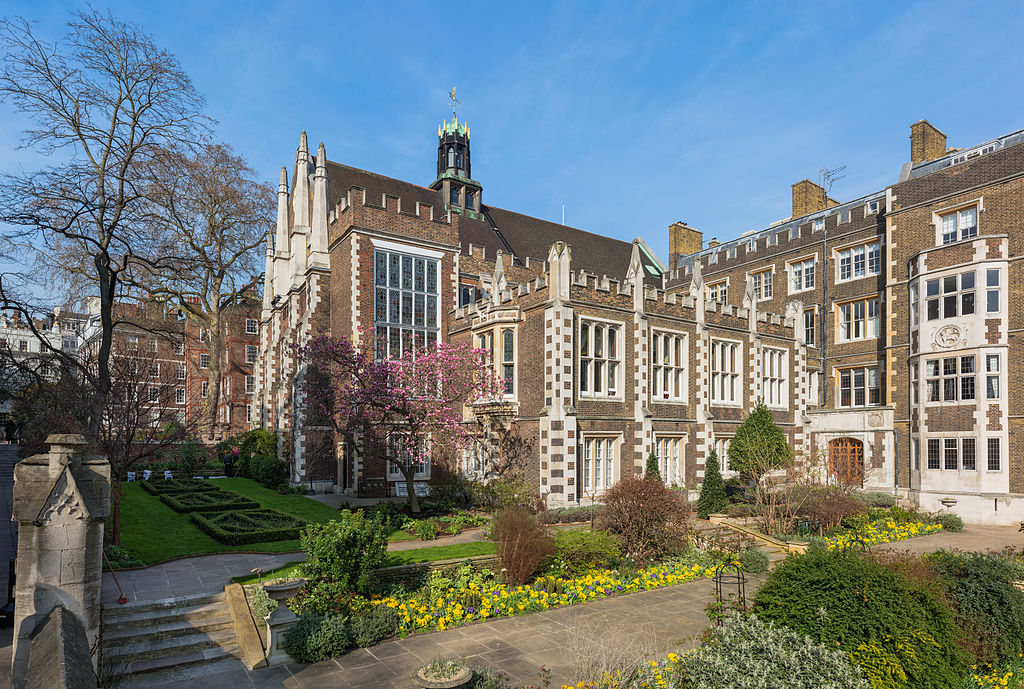
ONE OF THE four Inns of Court in London is Middle Temple – or more formally known as the Honourable Society of the Middle Temple. The other three are Inner Temple, Lincoln’s Inn and Gray’s Inn, all in close proximity of each other, and they are where barristers work and, in some cases, live – in fact, in the early days it was were many of them did live communally, hence the name ‘Inn’. Middle and Inner Temple were once referred to as Middle Inn and Inner Inn of the Temple. I’m only going to talk about Middle Temple because it’s my Inn of Court, so there.

Middle_Temple_Hall_Exterior,_London,_UK_-_Diliff

Middle Temple Hall

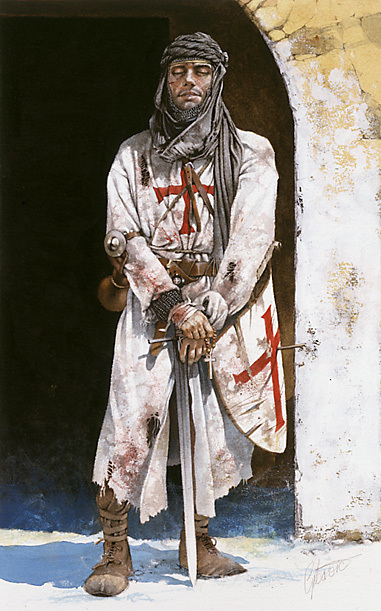
 It’s called Middle Temple because the land it stands upon was once owned by the Knights Templars. In fact, the Temple Church which stand in the grounds today (see below) was built by them in 1185. The Knights Templar (they were mainly English and French) came into existence 895 years ago almost exactly. How many days more depends when you are reading this as it was Christmas Day 1119 that nine knights took monastic vows to protect pilgrims travelling from Western Europe to the Holy lands of the Levant. This was as a result of conflict between Christians and Muslims (nothing much has changed in nearly 1000 years). These knights were initially called the Poor Fellow-Soldiers of Christ and the Temple of Solomon – Knights Templar for short. They came to an end in 1312 (Friday 13th October in fact – hence Friday 13th being supposedly bad luck) when King Philip IV of France, who was in with the Pope Clement V, persuaded the General Council of Rome to suppress the Order of the Templars. Philip was in great financial debt to the Templars – get rid of the Templars, get rid of the debt. Nice one Phil. It’s not what you know …… Anyway, in England the Templar properties were given to another military monastic order, the Hospitallers (or Knights of St John). For more on Templars click here.

templarKnight Templar

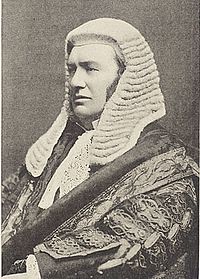
Cutting a long story short, the King’s courts moved from York to Westminster in 1339 and the judges needed to be nearby – and that is when the four Inns of Court were set up. At that time it was judges of the Inns that ‘Called’ advocates to the Bar to follow them in the King’s court (then the Common Pleas or Commons Bench). These advocates were called serjeants-at law (servientes ad legem) but they ‘went-out-of-use’ in the late 19th century and were replaced by senior barristers known as Queen’s Counsel (QC) and junior barristers (who are all ‘Called’ into their respective Inns).

 LordLindley_cropp

Middle Templar Lord Lindley was the last sergeant-at-law to be appointed – he became a QC in 1874

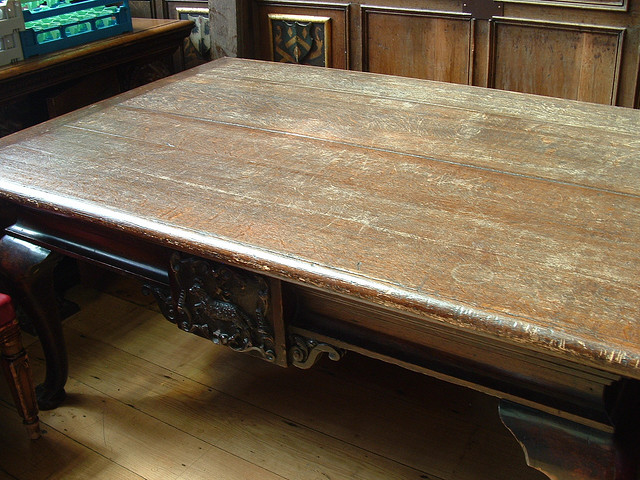
Middle Temple was rented to the lawyers by the Hospitallers until the Reformation of Henry VIII in the 16th century. The Crown then became its landlord until the reign of James I in 1608 when it obtained clear title to the land. Hooorah! Sir Walter Raleigh was a Middle Templar; Sir France Drake was not – but the cover hatch to his Golden Hind is still used today as the table to which Middle Temple barristers are Called to the Bar having qualified. Fine piece of useless trivia. And more – William Shakespeare’s Twelfth Night was first performed in Middle Temple in 1602 (there are several ‘Inn’ jokes to be found in the play).

 golnf hin2

 Hatch of the Golden Hind used a a table but actually called the ‘cupboard’ (don’t ask)

 mid temp 2

Western interior of Middle Temple hall for dinning  … smart, eh?

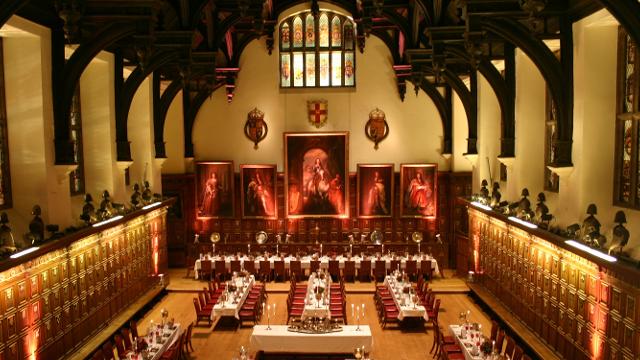
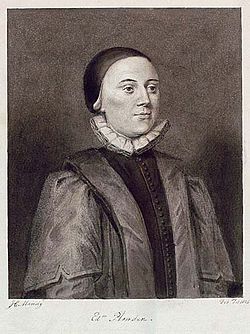
Middle Temple Hall was built between 1562 and 1574 under the guidance of the Treasurer, Edmund Plowden. He employed the services of Sir John Thynne’s chief carpenter, John Lewis, to construct the hammer-beam roof (similar to the one he had created at Longleat). By the late 16th century the four Inns of Court were known as the third University (after Oxford and Cambridge, of course) and Middle Temple was the centre of education for potential lawyers of that Inn (and children of the nobility). Much of the learning was achieved by attending moots (mock trials) and dinners to discuss law – both traditions still continue today wherein student barristers have to attend 12 dinners in Hall before they can be Called to the Bar and mooting is a competitive activity.

Edmundplowden15181585

Edmund Plowden (1518-85)

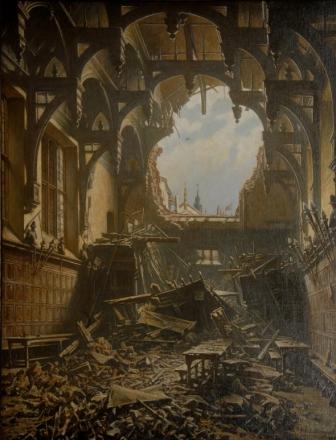
During the Second World War, on 15th October 1940, a landmine on a parachute destroyed the eastern gable of Hall and the Elizabethan minstrel’s gallery. It was painstakingly restored and reopened in July 1949. In fact, Middle Temple as a whole suffered quite badly due to bombing during the war – it lost 122 of its 285 sets of chambers (sets of ‘offices’ where barrister work). But it’s all better now.

The eastern gable and minstrel’s gallery in Hall ………  1christodoulou-beresford-war-damage-to-hallbefore (in October 1940)   (painting by Frank Beresford now hanging in the minstrel’s gallery)       

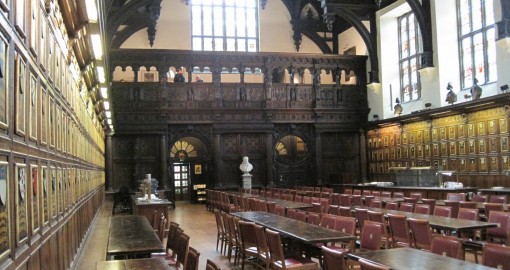
middle-temple-hall

…. and after (that’s Plowden’s statue in the middle)

You can also hire the Hall and for more info on the place click here

Temple Church

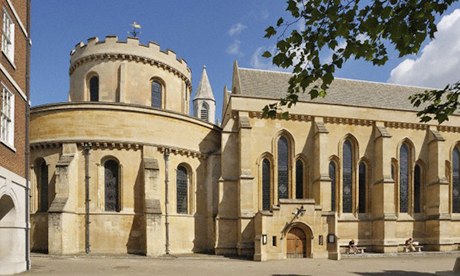
As mentioned above, Temple Church was built in 1185 and is one of the oldest churches in London. Templar churches were always built to a circular design to remind the Templars of the Church of the Holy Sepulchre at Jerusalem, which has a round dome above the site of the sepulchre where Jesus was buried. The church is still used today as a place of worship by both Middle and Inner Temple members and guests on Sundays. It’s well worth a visit and it’s open most days to the public.

 Middle Temple Church

Temple Church 

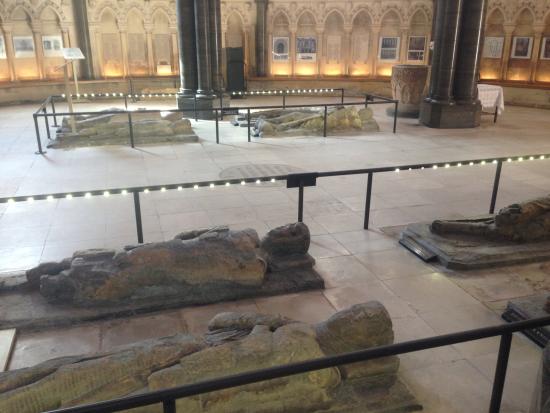
The film buffs among you will recognize it from its appearance in Dan Brown’s The Da Vinci Code. Hanks & Co are looking in the church following the clue: “In London lies a knight a Pope interred. His labour’s fruit a Holy wrath incurred. You seek the orb that ought be on his tomb. It speaks of Rosy flesh and seeded womb.” I forget what they found – other than trouble, but ‘the knight a Pope interred’ would have been one of the effigies of the Knights Templars that are on the floor of the circular part of the church. They include William Marshall, first Earl of Pembroke, and his son, William Marshall, second Earl of Pembroke. The first earl was chief adviser to King John and regent to Henry III until he came of age; the second earl was a witness to King John signing the Magna Carta in 1215 (more on that next week).

stone-knights

Effigies of Knights Templars in Temple Church (situated in the circular part) – the Marshalls are far right background

Temple_Church,_Temple,_London_EC4_-_Effigy_of_a_knight_-_geograph.org.uk_-_1223114

The Earls of Pembroke (dad to the left)

Next week: it will be 2015 – 800 years since the Magna Carta …..


Artemus Smith’s Notebooks

I continue my research of the notebooks of Dr Artemus Smith, archaeologist of great courage, determination and fiction. Here is another extract:

I received a letter from my good friend Joshua Barts-Hofner, a bit of a wit and jolly good rugger player. The letter read as follows:

My dear Artemus,

It was our thirtieth wedding anniversary last week and my adorable lady-wife asked me to describe her after all these years. I looked at her for a while, then said, “You’re an alphabet wife ….. A, B, C, D, E, F, G, H, I, J, K.”

She asked … “What on earth does that mean?”
I said, “Adorable, Beautiful, Cute, Delightful, Elegant, Fabulous, Gorgeous, and Hot”.

She smiled happily and said … “Oh, that’s so lovely, but what about I, J, K?”
I said, “I’m Just Kidding!”
The swelling in my eye is going down and I’m darn glad I took out dental insurance.

Yours, etc

art-smth

Brasenose – an Oxford College

Brasenose_College_from_the_High_Street

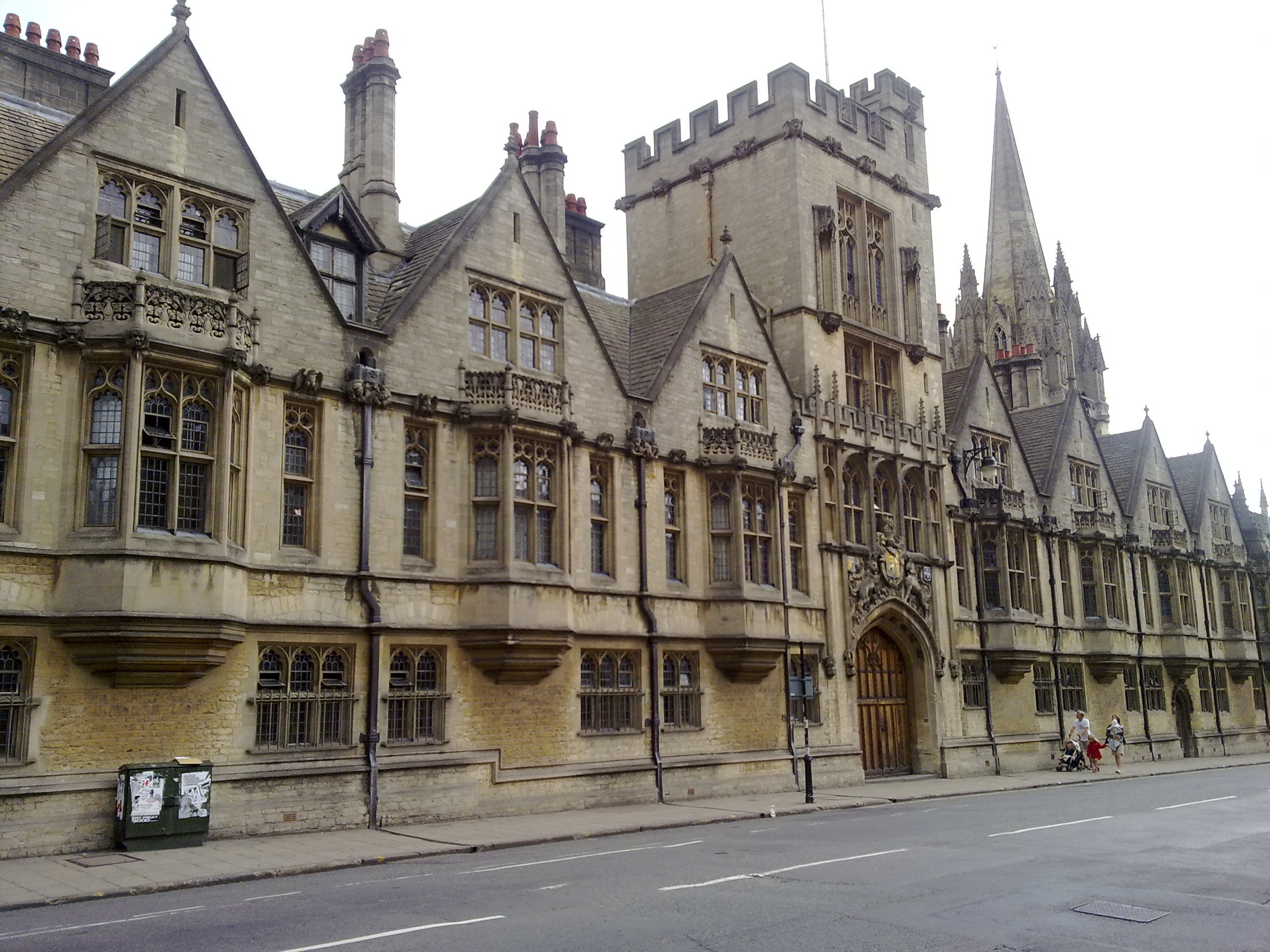
Brasenose College from the High Street (late 19th century frontage)

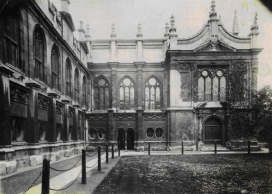
LET ME introduce you to an Oxford College – Brasenose College – my old College in fact. It boasts alumni such as Sir Arthur Evans (he of Knossos fame – see my June blogs), Sir William Golding (Lord of the Flies), John Buchan (Thirty-Nine Steps), William Webb Ellis (for rugby fans – he invented the game), Colin Cowdrey (for cricket fans), Michael Palin (for Monty Python fans), oh, and David Cameron (for …..er …., well, he was there).

bncsplash1

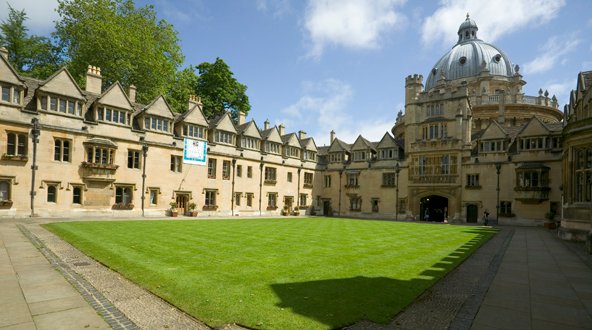
The Old Quad (16th century) – sun dial (1719) on left wall often recognized in Morse episodes (the dome top right is not part of BNC, it’s the Radcliffe Camera outside in Radcliffe Square)

Brasenose began life as Brasenose Hall around 1219, but it was founded as Brasenose College (BNC) in 1509 by Sir Richard Sutton, a barrister (who acquired the property for the site), and William Smyth, Bishop of Lincoln (who provided for the expenses of the building) and it received its Royal Charter in 1512 with the full name of ‘The King’s Hall and College of Brasenose’.

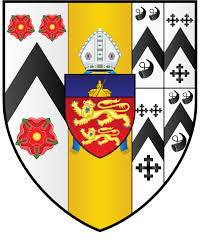
bnc               BNC coats of arms – to left is Smyth’s, to right is Sutton’s and in the centre is the See of Lincoln’s (the diocese in which Oxford lay in when the College was founded)

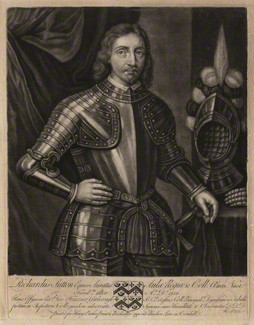
Portrait_of_William_Smith_founder_of_Brasenose_College_Oxford_by_John_Faber_the_Elder      NPG D4337; Sir Richard Sutton by John Faber Sr, after  Unknown artist

 William Smyth (1460-1514)                                          Richard Sutton (? – 1524)

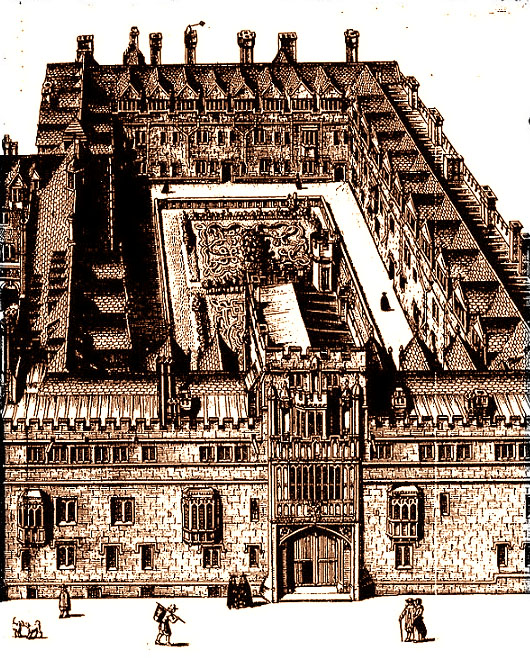
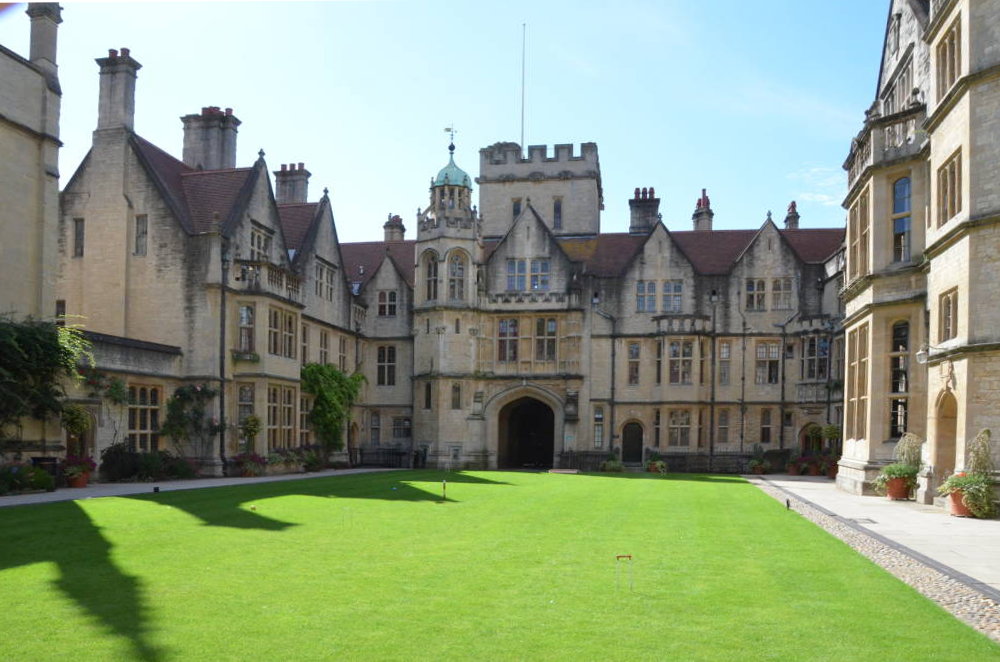
The Old Quad (pictured above) is the original 16th century building, but then of just two floors.  A third floor with dormer windows was added in 1635. The oldest part of the College is the 15th century kitchen from when it was part of the earlier Brasenose Hall (see below) – it has since been update once or twice – in fact, very recently. Between 1657 and 1666 the Deer Park (very small area and supposedly named as a sly dig at the massive Magdalen Deer Park), the New Library and the New Chapel were added to the south of the Old Quad building. Nothing much happened to the place during the 18th century due to lack funds (well, it had funds but most of them seem to end up in the pockets of the Principal and Senior Fellows – much to the annoyance of the Junior Fellows who complained bitterly ….. until they became Senior Fellows). Then towards the end of the 19th century the High Tower and New Quad adjacent to the High Street began to take shape (see pics at beginning and end).

 bnc-17th-c

Extent of BNC  from the 16th century to early 17th century (north to the right)

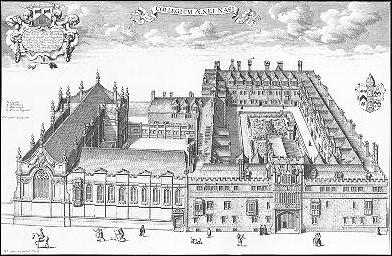
Brasenose_College_from_Loggan's_Oxonia_Illustrata

BNC in 1674

deer-park-bw-272-01

Part (about half) of the Deer Park in foreground (I said it was small) with the New Chapel in the background

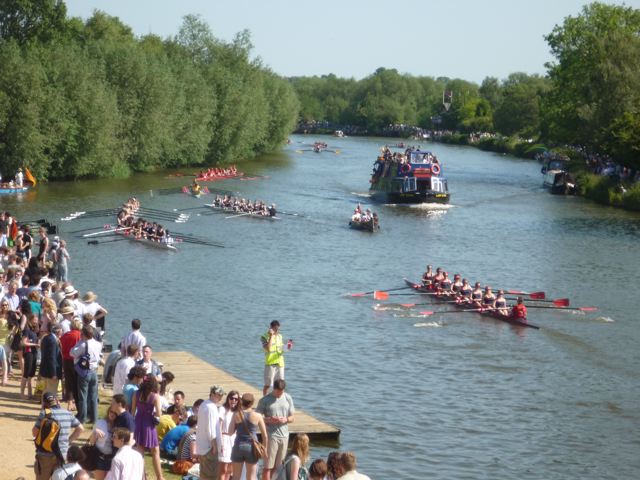
Interestingly, sport was rarely played by any of the Oxford Colleges before the 19th century – young men of Oxford in the 18th century, particularly, were of the drinking sort rather than the sporting sort (or even academic sort – only a few bothered with actually obtaining a degree in those days!). Sport began, unsurprisingly, with rowing, then, wot ho!, cricket. BNC acquired a good reputation in these two activities in the early days. In fact, since the races began in 1815, BNC runs 3rd with 23 victories as the ‘Head of the River’ (Oriel is 2nd with 30, Christ Church is 1st with 33).

bnc rowing

A Saturday afternnon in May, end of Eights Week, the rowing viewed from the balcony of BNC boat club (with Pimms) is always a good crack

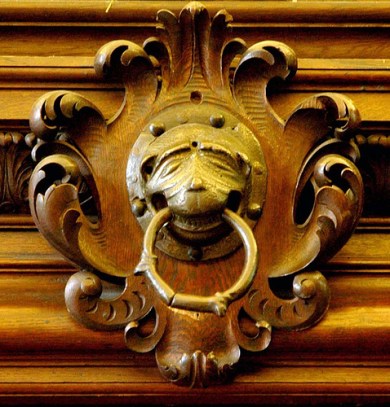
The College’s, shall we say, unusual name refers to a 12th century ‘brazen’ (brass or bronze) door knocker in the shape of a nose. The door knocker is said to date back to the 13th century and, from around 1279, marked the entrance to Brasenose Hall (an academic hall – independently leased in 1381 – before BNC became a College in 1509). In 1333, it is believed that the door knocker was removed by a band of rebellious students who migrated to Stamford in Lincolnshire. This rebellion was, in due course, suppressed and the students were ordered to return to Oxford – but without the knocker. In 1880, a house in Stamford came up for sale – it had been known as ‘Brasenose’ since the 17th century due to its door knocker which was thought to be the very one taken by the migrating students in the 14th century. BNC purchased the house to recover the door knocker! Well, spare no expense!

bnc1

BNC’s 13th century door knocker now displayed  in Hall

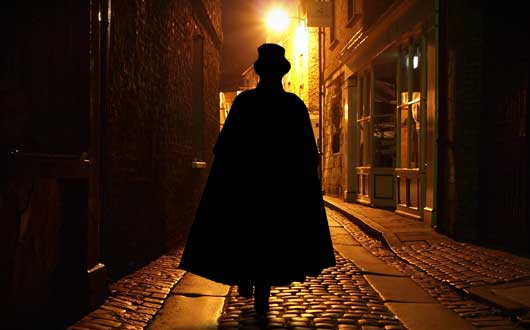
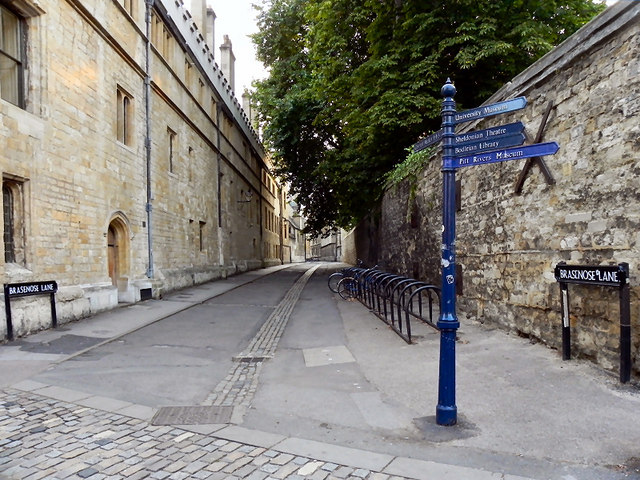
DON’T READ THIS PARAGRAPH AT NIGHT (you have been warned): BNC also has its legends. One of the more ‘infamous’ is the alleged brief composition of the Hell Fire Club (HFC) wherein demon worship – and a good deal of drinking – supposedly (well, only with regard to the former) took place. So, nearing midnight on a December eve in (reportedly) 1828, on returning to College via a dimly-lit Brasenose Lane, a Fellow of BNC noticed a tall character dressed in a long black cloak pulling a person through a ground floor window which was not only protected by upright iron bars but also reinforced with stout wire-netting (to prevent students sneaking out at night). The window was that of a known and degenerate member of the HFC. Preposterous of course. However, on hastily rounding the corner of the Lane and entering the College, the Fellow encountered much shouting and then took sight of a rush of a group of terrified gentlemen appearing into the Quad from the staircase containing the very room with the window just described above. The legend concludes by suggesting that the owner of the room had been mid-way through a blasphemous speech when he fell dead with a broken blood vessel. It may be inferred that the tall man in the black cloak was the Devil Himself coming to collect the soul of his own (this tale is recorded in the 1872 journal Odds and Ends). Of course, no mention was ever made of the identity or the alcoholic state of the Fellow who ‘witnessed’ the tall man in the black cloak performing this devilish deed.

jack-the-ripper-york-main

Soulless visitor to BNC

Not finished yet. The ‘legend’ then moves to archived fact. On the 3rd March 1834, Edward Leigh Trafford, a 21 year old undergraduate who had ground floor rooms with windows facing Brasenose Lane, and who, by tradition, was a president of the HFC, died of delirium tremens (the DTs – okay, ‘the horrors’!). Spooky, eh?

bnc lane

Brasenose Lane (BNC to the left) – avoid it at midnight, in case of drunken Fellows

During the 17th century BNC found itself in financial difficulties which worsened in the Civil War when Charles I made his headquarters in Oxford. He borrowed as sum of money from BNC for the conflict against the Parliamentarians. This, along with the 8% interest was never paid back – until November 2008…. by me in recognition of the 500 years of BNC (needless to say the sum is not comparable to today’s values and I did not include the interest as I had no statutory evidence that BNC was registered as a moneylender in the 17th century and therefore able to lawfully charge interest – that’s my story and I’m sticking to it!). I had read about the debt in Joe Mordaunt Crook’s 2008 book on Brasenose and the, then, Principal at BNC, Professor Roger Cashmore, wrote to me to say my contribution had been ‘immortalized in two speeches’ by him introducing the book on two occasions, but I’m still awaiting a note of appreciation from the present Royal Family …..

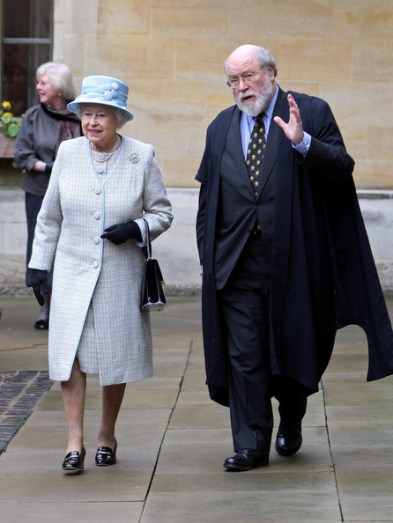
Talking of which, also to celebrate 500 years of BNC, the Queen visited BNC on 2nd December 2009 and was shown around the College by Roger Cashmore.

Queen+Elizabeth+II+Visits+Brasenose+College+_FL16Rty3gtl

Roger Cashmore reminding Her Majesty of my generosity

bnc2

The New Quad (behind the High Street – completed by 1911 – modern by BNC standards!)


Next week: Let’s go look at an Inn of Court


ASIDE

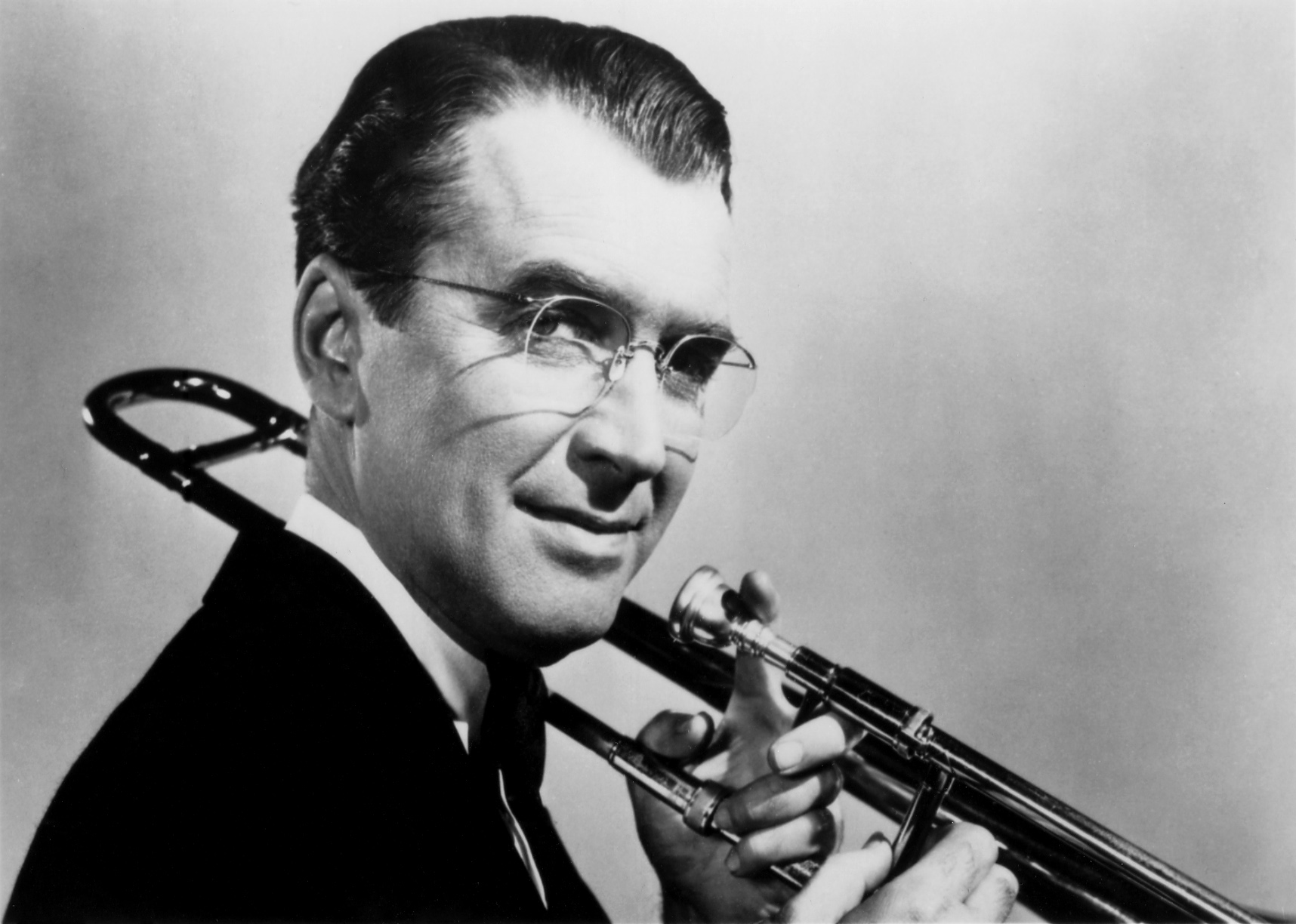
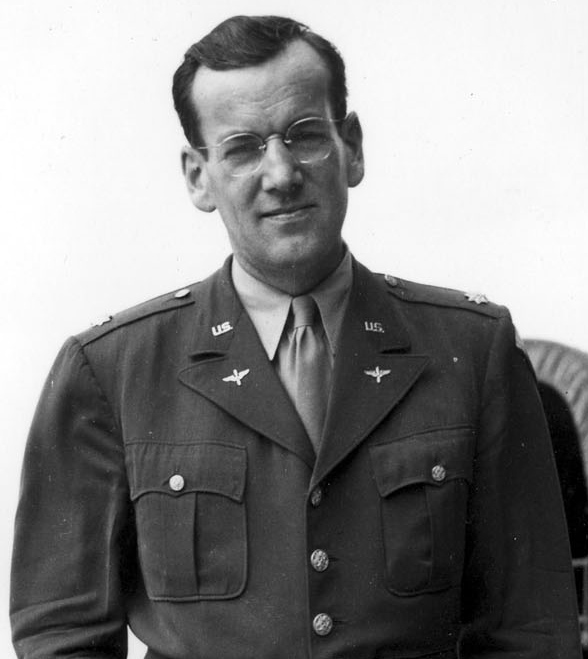
Did you know it was 70 years (and 5 days) since we sadly lost, as a result of a plane cash, the very talented Jimmy Stewart ……. sorry, Glenn Miller (I’m of the generation – I think most of us are now – that can never think of Glenn Miller without seeing James Stewart who memorably (obviously) played him in the 1954  film The Glenn Miller Story). Anyway, 15th December 1944, he (Miller not Stewart) was flying from an RAF base at Twinwood Farm, Clapham, Bedford, in the UK, to Paris to play to the troops, when his plane disappeared over the English Channel. It has been suggested that the most likely theory for the disaster is that the carburetor froze up in the cold weather. In fact, this was the cause of my father’s crash in his Wellington Bomber in 1940 resulting in him ending up in Stalag Luft III (of ‘The Great Escape’ fame – see end of that blog beginning of August).

Len Goodman of Strictly Come something is doing a radio prog on Miller which may be worth a listen. Click here,

- Stewart, James (Glenn Miller Story, The)_01                 Maj. Glenn Miller

Jimmy Stewart as Glenn Miller and Glen Miller as himself (which is which? – obvious when you see them!)


Artemus Smith’s Notebooks

I continue my research of the notebooks of Dr Artemus Smith, archaeologist of great courage, determination and fiction. Here is another extract:

I was in church with my old tutor from Oxford and we were just chatting whilst waiting for the start of the service, when, strap me, Satan himself suddenly appeared.  Many of the congregation screamed to see God’s arch enemy and they all ran from the building.  I was too astounded to consider a plan of action but simply exclaimed to my old friend (my tutor, not Satan), “Good Lord, what a scoundrel; damned impertinence, if you ask me!”

My tutor nonchalantly suggested that we stay where we were as there was no need for concern.

Now this clearly confused Satan and he walked up to my tutor and said, “Don’t you know who I am?”

My tutor replied, “Indeed I do.”

Satan asked, “Are you not afraid of me?”

“Not at all,” replied my tutor.

Satan was a little perturbed at this and queried, “Why not?”

My tutor calmly replied, “My dear fellow, I have been married to your sister for over 48 years.”

art-smth

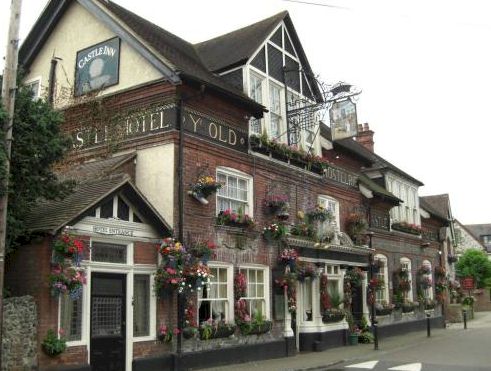
Ye Olde Castle Inn, Bramber

castle pub

Ye Old Castle Hotel

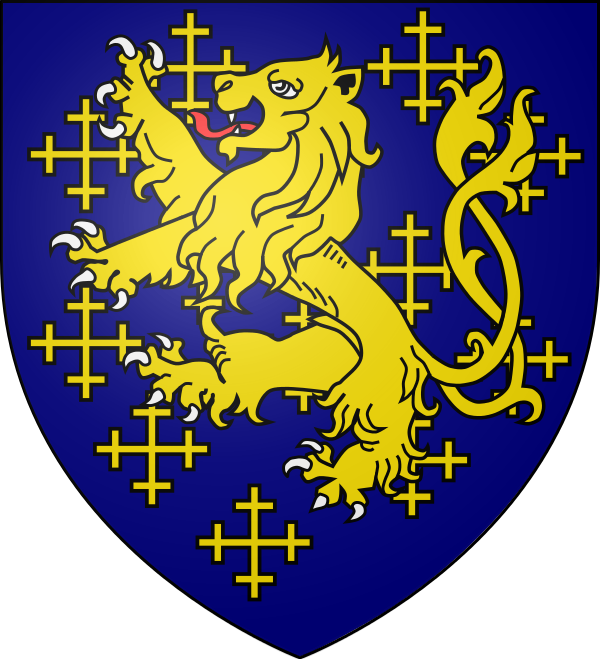
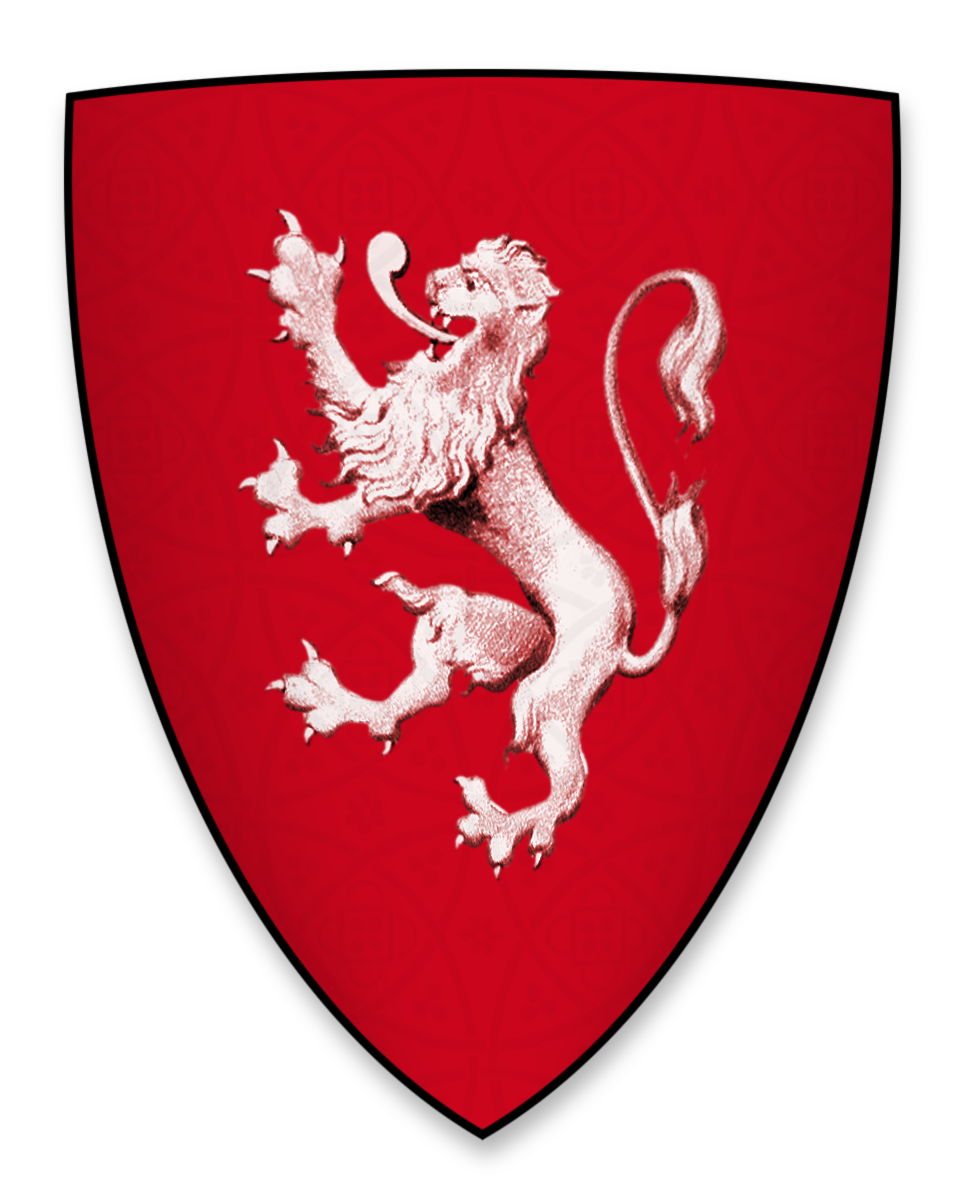
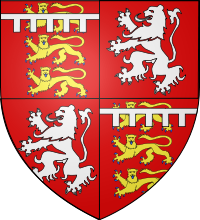
ONCE UPON A TIME there was this Inn in Bramber, West Sussex, called the White Lion. Today it’s my local pub and called the Castle Hotel. How did that happen? Well, it’s first mentioned, as the White Lion, in Henry VIII’s time in the 16th century (1526, as ‘dispensing alcohol’) but it could go back further than that. In the ‘olden’ days, Inns took their names from the local Lords’ family crests and Bramber’s Lord after William the Conq was William de Braose (see my blog on Bramber Castle way back in April) and the crest of his son, Philip de Braose, (c 1096-1135) was a lion – but a gold one. The coat of arms of William de Mowbray (1173-1222) was a white lion and Bramber became part of the de Mowbray estate by marriage in 1298, when John de Mowbray married Aline de Braose. The two lions merged when de Mowbray became Duke of Norfolk in 1397, so the pub could date back to sometime then …… oh yes it could.

philip_de_Braose,_coat_of_arms,_Falkirk_Roll_svg           de_Mowbray,_

Philip de Braose’s coat of arms                         William de Mowbray’s  coats of arms

 Mowbray2

De Mowbray/Duke of Norfolk coat of arms at the end of the 14th century

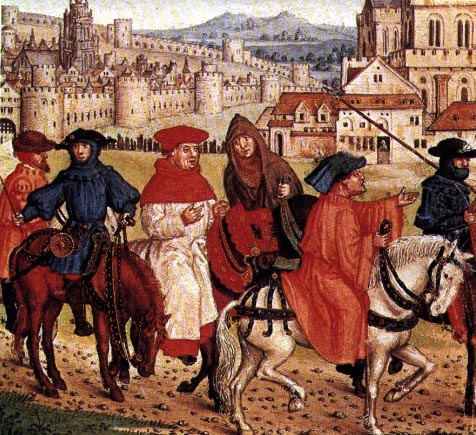
It would, of course, have been quite a popular Inn as it was on the main Pilgrims road from Canterbury to Winchester (and vice versa) so would have been a stopping off point for travellers throughout the Middle Ages. So, a Pilgrims’ Progress – to a pie and a pint. Nothing much has changed there.

canterburyIIIdI

Pilgrims progress on route, with silly hats; “Mine’s a pint at the White Lion” says the guy on the white horse

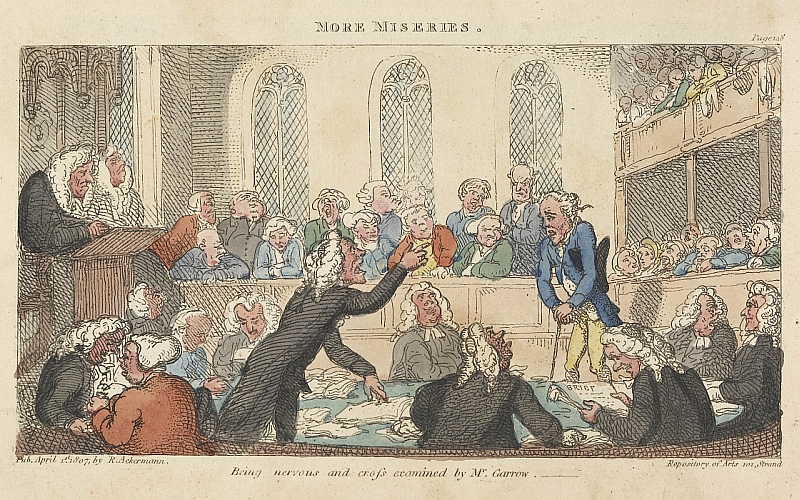
The White Lion doubled up as the Bramber court house which was most likely a room on the first floor. In fact, in 1552, the County Coroner and 14 jurors gathered at the court house to decide whether the innkeeper of the White Horse, William Battner, should be tried for assaulting a Joan Davyd, the servant of the innkeeper of the ‘other public house’ in Bramber (wherever that may have been).  Joan had been fighting with William’s son, John, when William’s dogs had been attacking pigs belonging to the ‘other innkeeper’ (widow Kayne); the pigs had been causing damage on Battner’s land – get it? Anyway, Joan died as result of John wacking her ear with his hand. The jury of the inquest held that Joan died of a natural death because she had been suffering from black jaundice and was already weakened, so the blow did not cause her death (don’t try this at home as today it would be manslaughter. Don’t say you haven’t been warned).

GarrowIntimidating3

“You deserve a clip round the ear as well, sir – but it’s your round!”

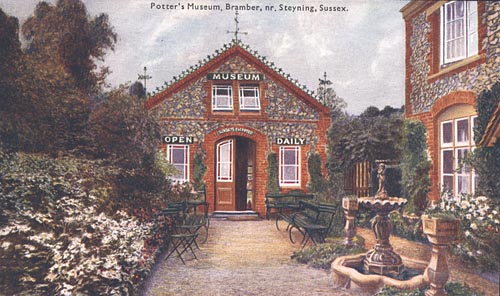
By the 17th century the Inn was sleeping around fourteen people and this increased to around twenty by the early 18th century. There were four ground floor rooms and five on the first floor (including the court ‘house’) and a stable yard at the back (now the new family restaurant, formerly the games room). From 1780 to 1833, the Inn was owned by the Gough family who, from 1713-1860, also owned St Mary’s Tudor House along the High Street. So the Goughs were obviously an affluent bunch who dabbled in Inn-keeping (well, Inn-ownership … I don’t suppose they got their hands too dirty). From 1841 to 1871 the White Lion was owned by James Potter whose son, Walter, displayed his stuffed animals at the Inn from 1861. He was, later (1880), to set up the Potter’s Museum (for more info click here) in, what is now, the gardens of Bramber Villa .

potters

Potter’s Museum along from the Castle Hotel

It was when the Inn changed hands from James Potter to Henry Kelcey in 1871 that it changed its name to the Castle Hotel. This was as a result of the many visitors to the ruins of Bramber Castle, assisted by the opening up of the railway in 1861. Picnicing up at the Castle ruins led to Kelcey selling refreshments up there, so the change of name was a promotional ‘thing’. When the Duke of Norfolk sold Bramber Castle, the 1925 advert included a reference to a £70 per year rental paid by the Kemp Town Brewery (in east Brighton) which meant that the Castle pub was then a tied house of the brewery but continued to make money up at the Castle ruins. And why not. Now we just get the ice-cream man.

 castle2
The Castle Hotel in recent flowering glory

For more info on the Castle Hotel/pub today click here

.

Next week: Brasenose – an Oxford College


ASIDE

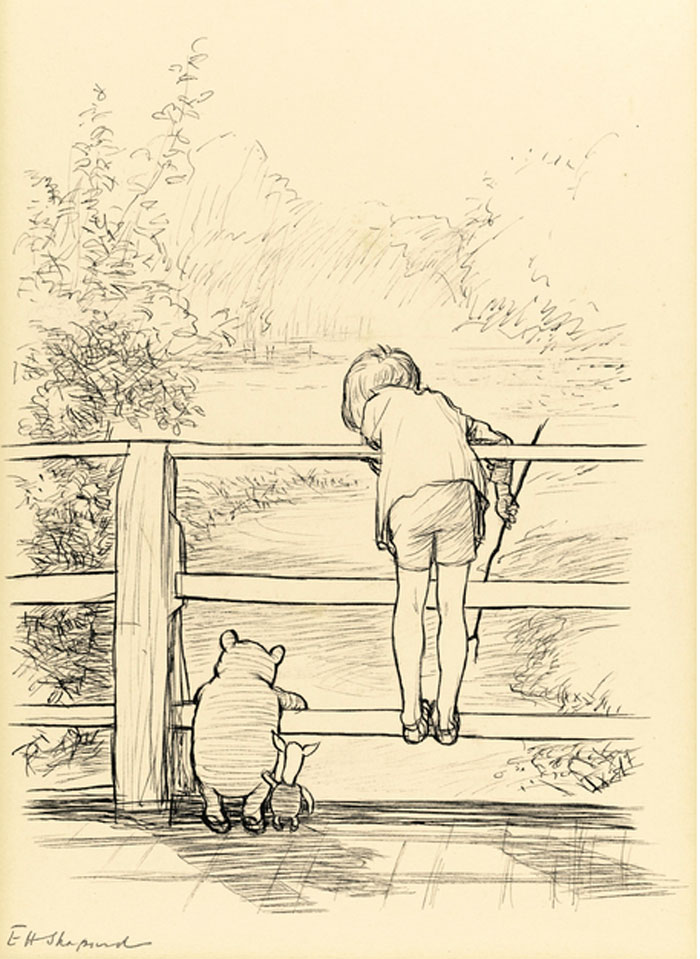
I mentioned last week that Lawrence of Arabia’s motor bike sold at auction for a record £315,100. Well, keeping up with such prices, E.H. Shepard’s signed drawing of Winnie the Pooh et al playing pooh sticks sold at Sothebys this week for £315,500 – a record for any book illustration. I think I’m in the wrong buisness.

poohsticks3

Pooh, Piglet and Christopher Robin – bargain at 300k!


Artemus Smith’s Notebooks

I continue my research of the notebooks of Dr Artemus Smith, archaeologist of great courage, determination and fiction. Here is another extract:

My fine friend, Christian de Belvedere, called in on my rooms the other day sporting a shiner of a black eye. “My dear fellow, what happened to you?” I enquired with deep concern.

“Well, old boy,” he replied, “I made bit of a faux pas. The wife said to me, ‘If I pass away before you I imagine you will find someone else in due course, but you won’t share our house with her will you?’ 

‘No, no, my dear,’ I replied.

Then she said, ‘You won’t give her my car will you?’

‘Good Lord, no, no, my dear’ I replied.

Then she said, ‘You won’t give her any of my clothes will you?’

‘Certainly not, my dear,’ I replied.

Then she said, ‘You won’t give her my golf clubs will you?’

‘Definitely not, my dear,’ I replied, ‘she’s left-handed ……..’ aagh!”

art-smth

Thomas Spratt RN : Travels in Lycia and the Fellows’ Marbles (so, not just Elgin ….)

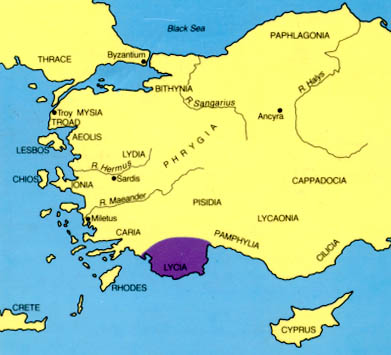
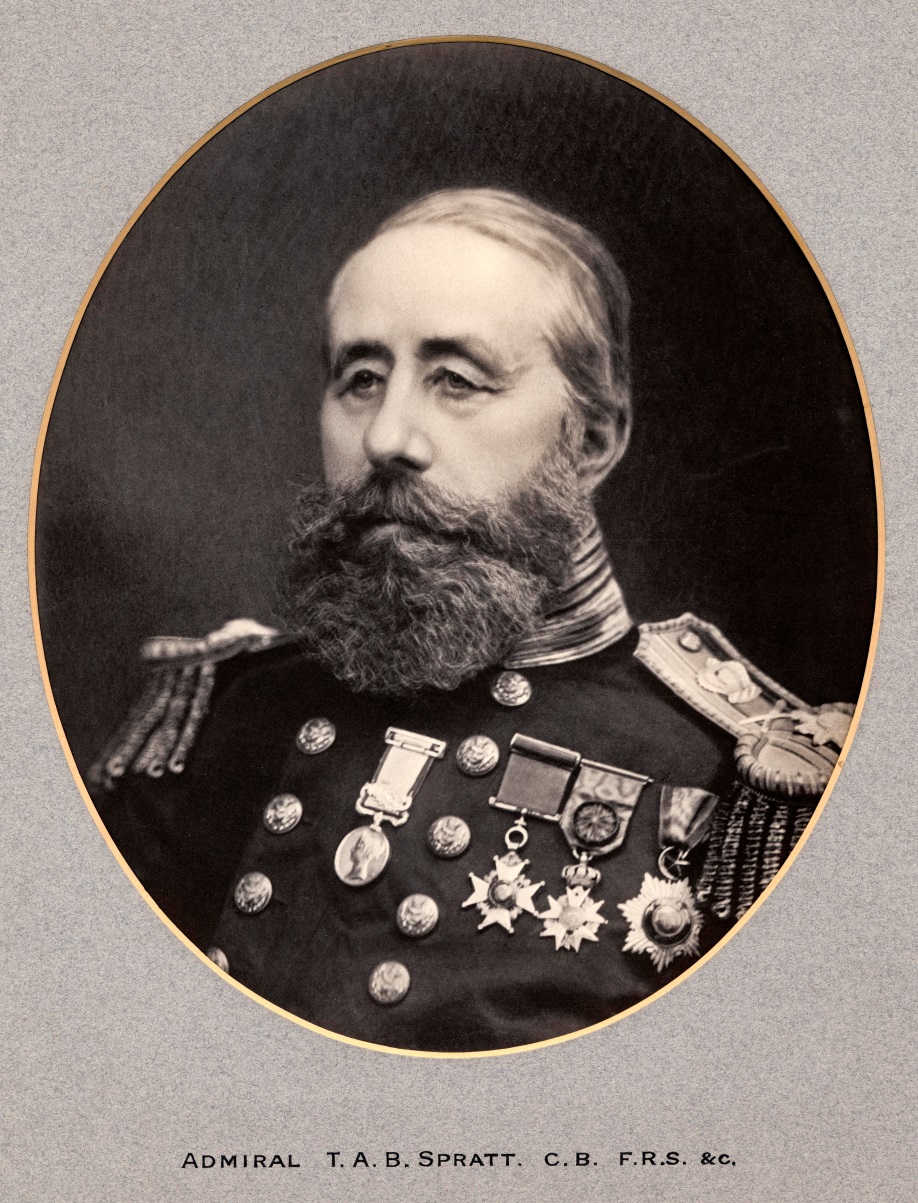
SEVERAL BLOGS AGO I waxed lyrical about Thomas Abel Brimage Spratt in Crete (‘Crete: the island that tipped’). Well, now I’m gonna tell you a little about him in Lycia (that’s southwestern Turkey – see map at end) and his involvement in the procuring of the Xanthos Marbles …..

spratt

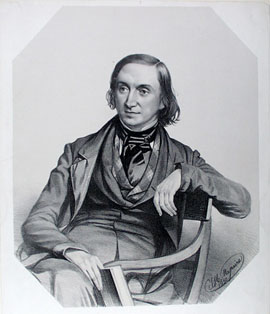
Thomas Spratt (1811-1888) … remember him?

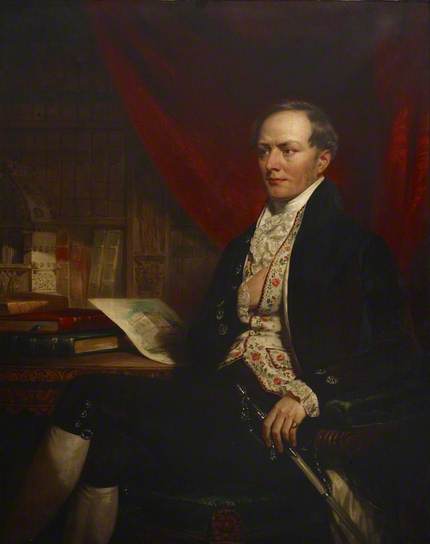
In April 1839 the antiquarian Sir Charles Fellows travelled to Lycia in search of antiquities and ancient sites. Perhaps the most spectacular of his discoveries was the ruins of the city of Xanthos. The date of these remains he considered to be ‘a very early one’ and the walls ‘Cyclopean’. He did not clarify how early but three temples at the site have since been dated to the Classical 5th century BC.

(c) British Museum; Supplied by The Public Catalogue Foundation

 Sir Charles Fellows (1799-1860)

The Royal Naval hydrographer, Thomas Spratt and his two colleagues, the naturalist Edward Forbes and the historian the Rev E.T. Daniell, joined Fellows in January 1842 just before the completion of the latter’s work. Spratt’s ship, HMS Beacon then under the charge of Captain Graves, had been “commanded to bring from Syria [actually Anatolia] the remains of antiquity discovered at Xanthos by Sir Charles Fellows.” This may not have been considered an entirely popular venture by some in England as Forbes, although not clarifying, commented:

“There had not been a little discussion too, in London circles, with regard to the doings of the ‘Beacon’ when procuring the Xanthus marbles, and the part Captain Graves took in that expedition had been much misinterpreted.”

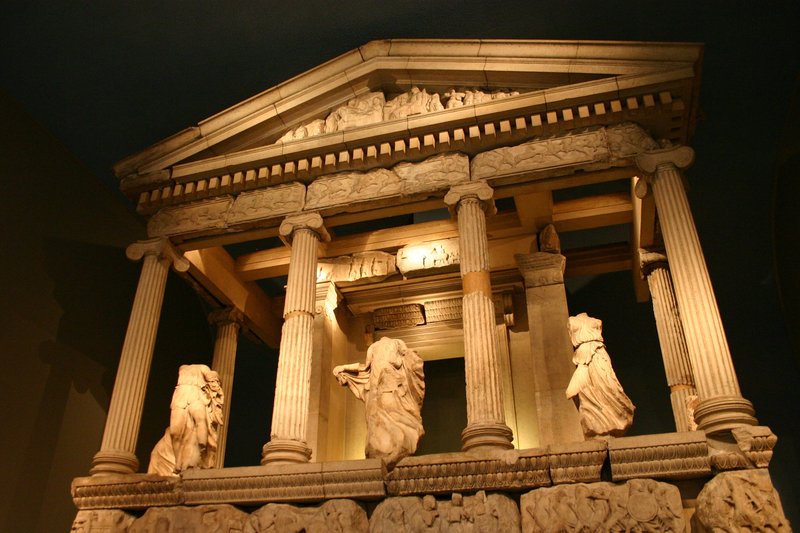
Xanthos_Nereid_Monument_by_FoxStox

Xanthos Neried Monument now in the British Museum (courtesy of Fellows)

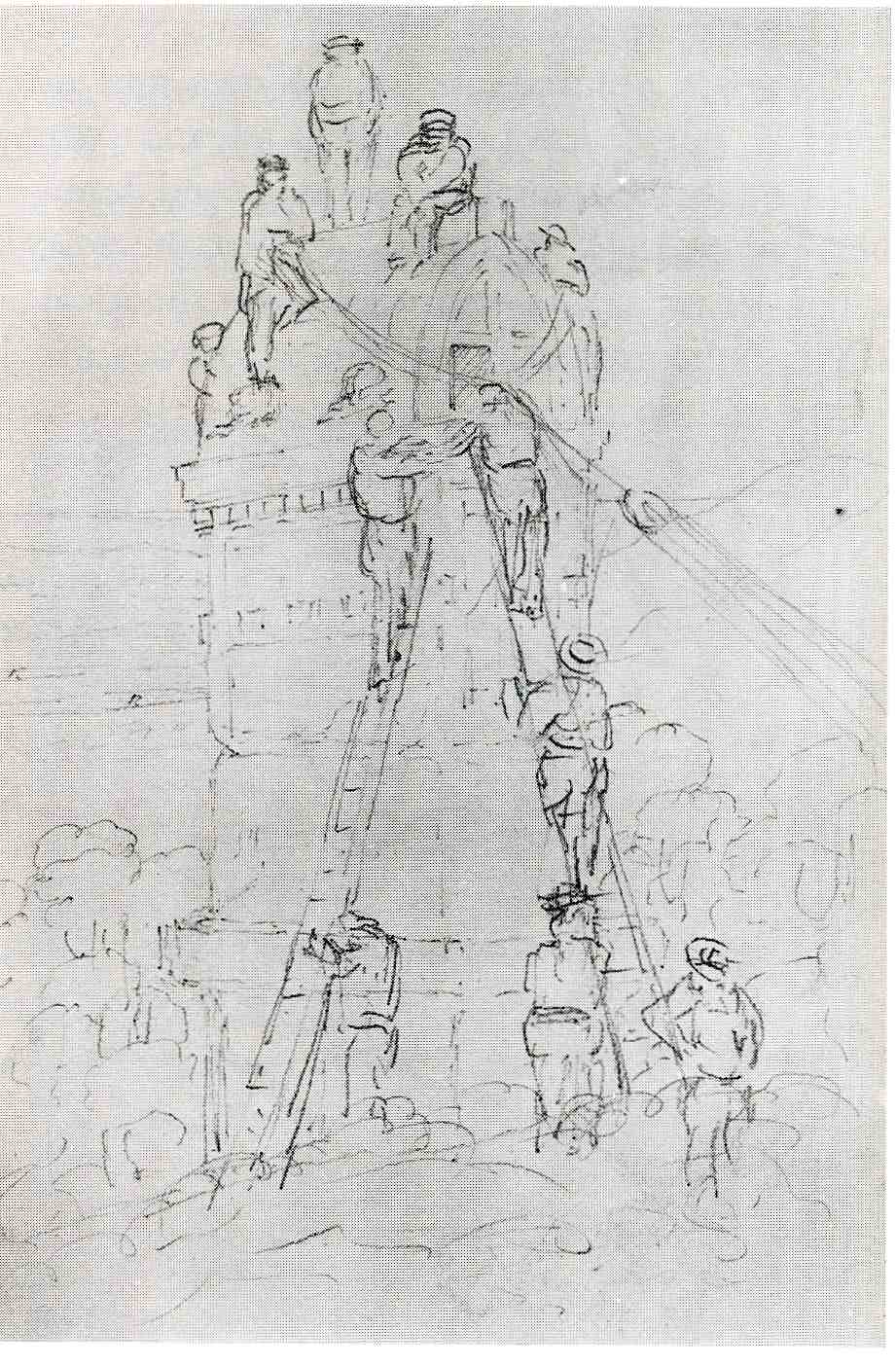
It would appear that the monuments of Xanthos were causing as much controversy as the Elgin Marbles had done forty years earlier. Along with Graves, both Spratt and Forbes appeared uneasy about this mass clearance of a site and its removal to England. Spratt himself was to send items back to the British Museum and the Fitzwilliam Museum in Cambridge but not to this scale. In fact, Graves had given orders that two of the large tombs (Harpy and Payava) should not be dismantled until further instructions had come from Malta to construct suitable boats for their transportation down river. These orders were ignored.

 paava

Sailors dismantling the Tomb of Payava at Xanthos despite Capt Graves’ orders (drawn by Charles Fellows)

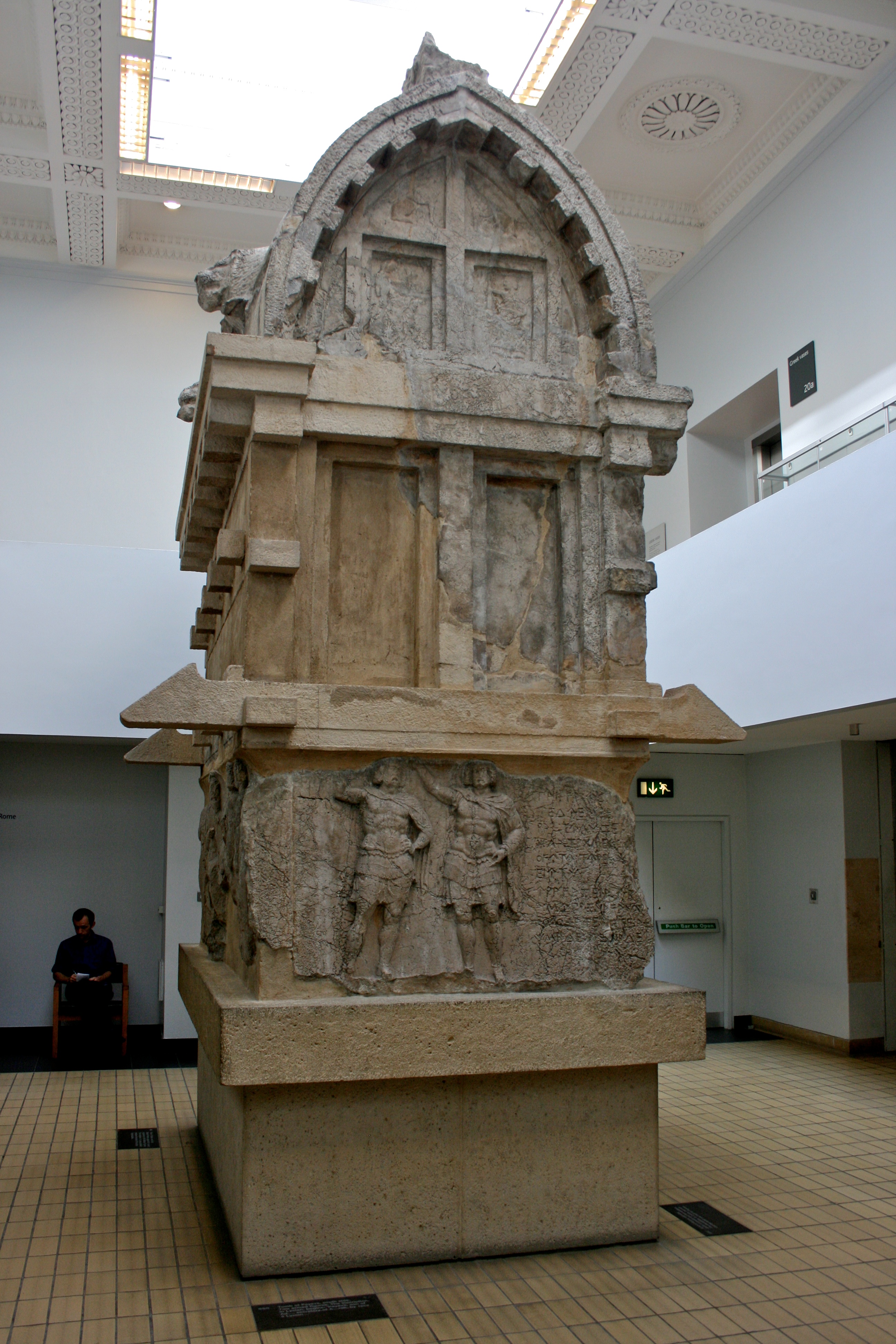
Tomb_of_Payava

Tomb of Payava resituated in the British Museum

Spratt, Forbes and Daniell intended to travel to Lycia for surveying, naturalist and antiquarian purposes respectively. They came upon some eighteen ancient major cities and several other minor sites and managed to trace the marches of Alexander the Great through Lycia. Unfortunately Daniell was taken ill with malignant malaria and died before the completion of the expedition.

edward-forbes-1-sized

 Edward Forbes (1815-1854)

They began their tour at Makri harbour (ancient Telmessus), the nearest safe anchorage to Xanthos, and travelled to neighbouring Caria. It was not long before they came across the Cyclopean conglomerate stone architecture of Pinara. More Cyclopean walls were discovered at Arneae but unlike many other ancient walls of Lycia they bore no inscriptions, possibly indicating an earlier phase of architecture. Likewise at Cyaneae, where they reported, “within the walls was a confused row of buildings of early and late date; but we saw no sculptured fragments, columns or inscriptions.”

pinara-tomb-a

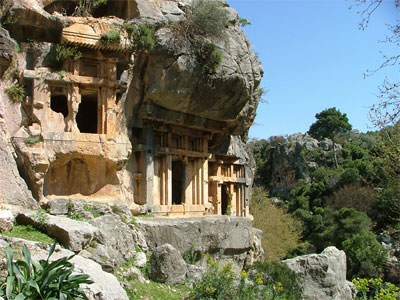
5th century BC Tombs at Pinara

Spratt’s and Forbes’ findings were published in their book Travels in Lycia (1847). However, Spratt was obviously unimpressed with the lack of credit he had received for his work in Lycia as his colleague, William Leake, wrote to Sir Roderick Murchison, the President of the Royal Geographical Society (RGS) on the 15th January 1854:

“Capt Spratt complains that his discoveries geographical and archaeological in Lycia and the adjoining parts of Asia Minor have never [been] noticed by any President [of the RGS] in his annual address, and I think he complains not without reason, those discoveries having been some of the most important that have been made in that country and of a nature particularly fitted to the objects of our Society.”

lycia

Lycia in Turkey

Poor old Spratt. In fact, very little has been written about his achievements – until my excellent book, Dawn of Discovery, that is (go to ‘MY PUBLICATIONS’ tab on this blog or just click here).

.

Next week: Ye Olde Bramber Castle Inn – a Pilgrim’s Progress

.


Artemus Smith’s Notebooks

I continue my research of the notebooks of Dr Artemus Smith, archaeologist of great courage, determination and fiction. Here is another extract:

I was in a restaurant the other day and a customer was bothering the waiter. First, he asked that the air conditioning be turned up because he was too hot, then he asked it be turned down cause he was too cold, and so on for about half an hour. Surprisingly, the waiter was very patient as he walked back and forth and never once got angry. So finally, I asked him why he didn’t throw out the pest. “Oh, I really don’t care or mind,” said the waiter with a smile. “We don’t have air conditioning.”

art-smth

Lord Elgin loses his marbles at Mycenae ….

Thomas Bruce, 7th Earl of Elgin, 11th Earl of Kincardine, was born in 1766, educated at Harrow and Westminster, at St Andrews and also in Paris. He joined the army in 1785 and rose to the rank of Major-General by 1835 but saw no military action. He began a diplomatic career in 1790 and was an Envoy to Brussels in 1792; Envoy Extraordinary at Berlin in 1795; Ambassador at the Porte (Constantinople) in 1799. He died in 1841 in Paris, deep in debt as a result of his expenditure on the Athens’ marbles (aka the ‘Elgin Marbles’) and other monuments (the marbles were sold to the British Museum in 1816 for £35,000, about half their true value then).

Elgin_by_Anton_Graff_around_1788

Lord Elgin by Anton Graff around 1788

It was in 1799, when Elgin took on the role of ambassador in Constantinople, that his mission to collect antiquities began. He was in no doubt that part of his term in this office included the study of antiquity and said so much to the Select Committee of the House of Commons when offering the country his collection of sculptured marbles from Athens. He considered this aspect of his ‘diplomatic’ work a ‘service to the arts’ (yeah, right) and he appointed William Richard Hamilton, his private secretary, and his chaplain, the Rev Philip Hunt, for the purpose of this mission. Hunt was appalled to see the damage to the  Parthenon on the 5th century BC Acropolis at Athens caused by both the Turks and visiting ‘tourists’ from other countries and took the matter up with Elgin.

Hunt

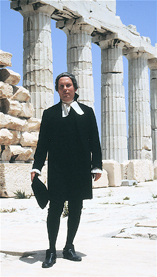
Julian Fellowes (who wrote Downton Abbey) as Rev Philip Hunt in the TV film, Lord Elgin and Some Stones of No Value

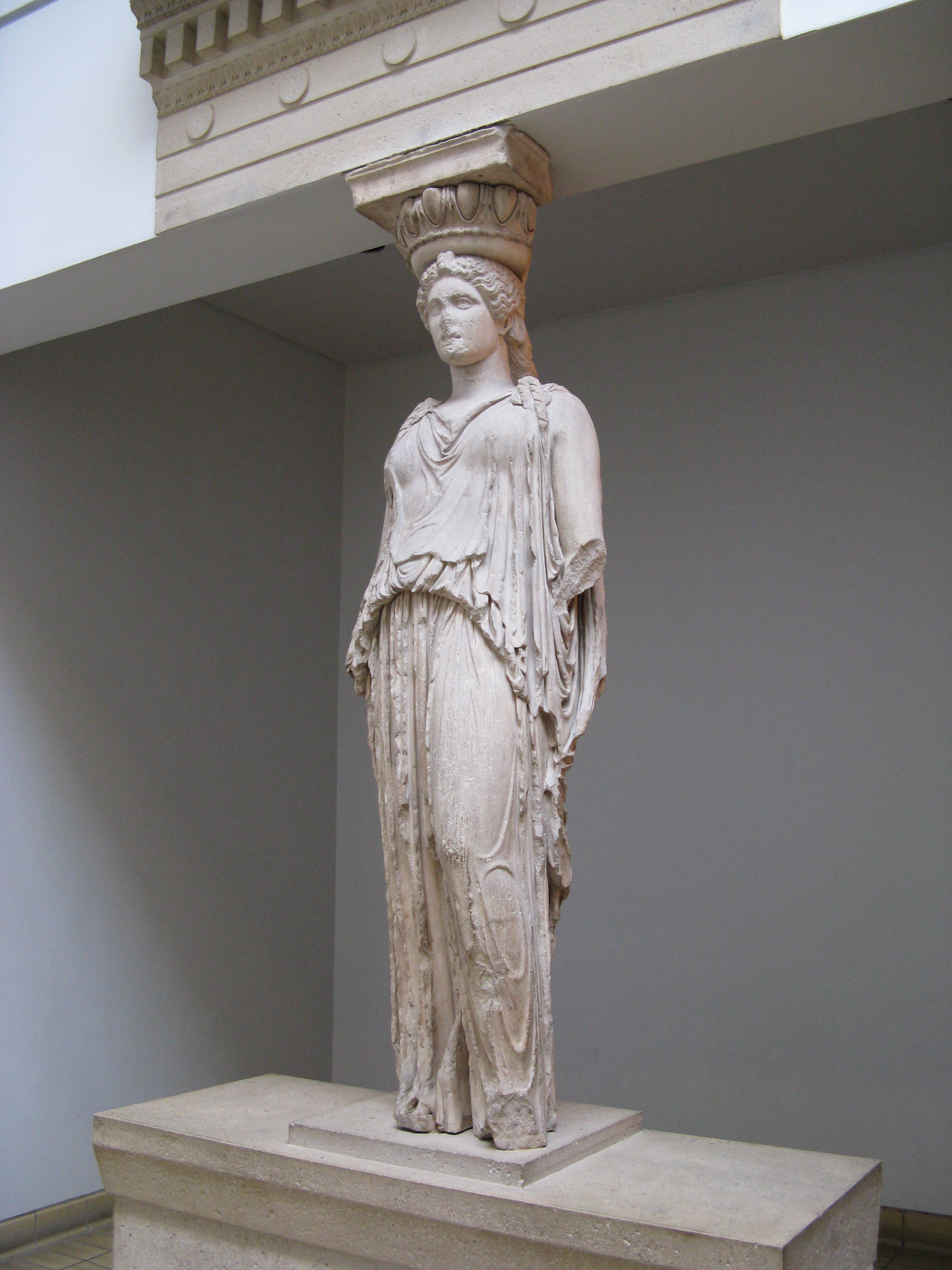
Elgin originally planned only to draw the marbles but managed, by bribery and threats, to persuade the Ottoman government in Athens to give him permission to remove the marbles to England and this was to cause much consternation. Lord Byron’s Childe Harold was to turn public opinion against Elgin and his insistence that the removal of the marbles was for preservation purposes – and we all know about the ‘Elgin Marbles’ debate so we won’t go there (in fact, the preferred name in some circles nowadays is the Athens’ marbles or the ‘Parthenon Marbles’ but Elgin didn’t restrict his ‘acquisitions’ just to the Parthenon – see one of the six the larger-than-life Caryatids from the Erechtheum on the Acropolis for example).

Caryatid-Erechtheum-British_Museum

One of the Caryatids (‘Elgin Marbles’) at the British Museum (height: 2.3m, 7.5ft) – the other five are at the Acropolis Museum in Athens

Then to Greece and Mycenae (I’ve told you about Mycenae before, July blog, but click here for my co-authored book on the subject). In August 1801, Elgin sent Hunt, together with the topographical draughtsman, Giovanni Battista Lusieri, to investigate the Argolid of the Peloponnese of Greece and report back their findings. Hunt found the 1250 BC citadel of Mycenae and did contemplate the removal of the Lion Gate and wrote to Elgin on the 3rd September 1801:

“No description can convey an adequate idea of the massive stones which compose its [Mycenae’s] walls. The Ancient Greeks supposed them to have been the work of the Cyclops, as well as two colossal Lions in bas-relief over the Gate Way; and which still remain in this original situation. The block on which they are sculptured is too gigantic, and too distance from the sea to give any hopes of being able to obtain so renowned a monument of the Fabulous ages.”

Wall and Lion Gate. Citadel of Mycenae

The Lion Gate – the height of the doorway opening from the floor to the bottom of the lintel is about 10 ft (2.95 m) and the lintel (Hunt’s ‘block’) is said to weigh some 20 tons – good luck with moving that lot!

Lion Gate (Mycenae)_JPG

The Lion Gate in the late 19th century

Hunt was responsible for the shipping of parts of the Athens’ marbles to England (some sank on the ship,  Mentor, but were recovered three years later at much expense). So Elgin would have had the Lion Gate added to his collection and now perhaps it would be prominent in the British Museum if he had his way – had it not been for its sheer size, weight and distance from the sea. Doesn’t bear thinking about – today the entrance at the Mycenaean citadel would certainly not be the same without the lions, but that detail would not have bothered the likes of Elgin.

Elgin did remove some ‘bits’ from the ‘Treasury of Atreus’, a tholos tomb down the road from the Mycenaean citadel (see my ‘Tombs of Mycenae’ blog, July) but fragments of the tomb’s entrance columns reproduced in the British Museum were ‘acquired’ by Lord Sligo sometime shortly after 1810.

pillars

Entrance columns/pillars from the Tresaury of Atreus (British Museum)

 .

Next week: Still travelling – Thomas Spratt RN and the ‘Fellows Marbles’ from Lycia (no, not just Elgin….)


Artemus Smith’s Notebooks

I continue my research of the notebooks of Dr Artemus Smith, archaeologist of great courage, determination and fiction. Here is another extract:

An acquaintance of mine, Jock McTaggarty, is a boxing promoter. I had sent him one of my students who was keen to take up the sport. McTaggarty telephoned me with some concern asking whether I was sure the lad was a genuine student. I enquired as to why he should ask such a question. He replied that the student had been for a medical and he, McTaggarty, had received the results and was obliged to relay them to the student. MacTaggarty then informed me that he had called the boy in and said to him:

 “You realise you’ve got Sugar Diabetes.”

 The boy replied, “Nice one. When do I fight him?”

art-smth


The Grand Tour

NO, NOT an England rugby tour.  The Grand Tour was a tour of parts of Europe in antiquity. It began around the 16th century, with Fynes Moryson being one of the first Grand Tourists in 1591. However, it was not until the 18th century that it became fashionable. By this latter date such travel had become part of the elite youth’s education and social image. It was a fusion of tourism and social status. The popular countries to visit were France and Italy, travelling via Germany, Switzerland and Austria. Paris was fashionable, but Rome was warm and cultural. Italy was in the Mediterranean, which was central to the four great empires, Assyrian, Persian, Greek and Roman, which made Italy a more popular venue for the Oxbridge and classically educated aristocrats. Makes sense.

etr001[1]

Fynes Moryson (1566-1630)

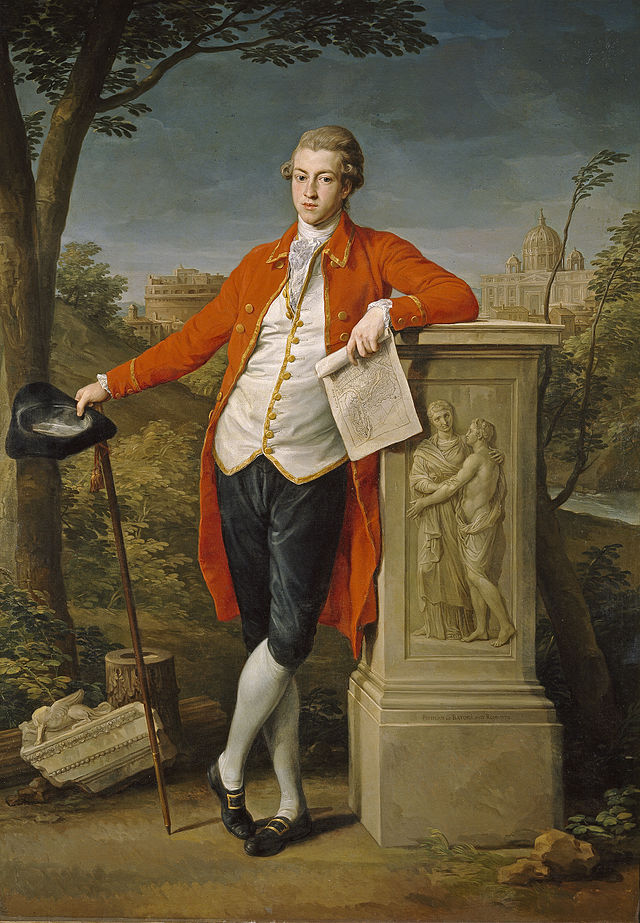
The tutors that accompanied these young gentlemen had little control over them and, although the initial idea behind the Grand Tour was education, some aristocrats focused more on simple enjoyment. This meant few made records of their travels (probably just as well in some cases). The more committed traveller did publish reports but these were more on the lines of advice in travelling rather than educational information about the particular country. As far as education was concerned, the Grand Tourers devoted more time to the art than to the politics, society and economy of the cities that they visited. Several Grand Tourist liked their portraits painted in Rome by the Italian painter, Pompeo Batoni (he did a good business).

640px-Dunstanville

Grand Tourist Francis Basset by Pompeo Batoni in 1778

Some of the less youthful Grand Tourers were more interested in acquisitions. Wealthy aristocrats who had both the time and finance to travel to the exotic ancient world gathered up remains of the past. They were the gentlemen collectors and Thomas Bruce, the Earl of Elgin (1766-1841), fits into this loose category. Arguably, he was a contributor to the preservation of the heritage of the past rather than knowledge, although Sir Arthur Evans gave some credibility to the wealthy ‘traveller’ with his intensive excavations and reconstruction work (even though criticized in some quarters) at Knossos. Some aristocrats intended to collect ancient memorabilia to show off in their stately residences, and they are not to be confused with scholarly researchers of the 18th and 19th century. Others were happy to donate their collections to museums in exchange for some recognition, such as Edward Daniel Clarke (1769-1822) and John Marten Cripps (1780-1853). They brought back from overseas 183 crates of ‘goodies’ in 1802 and the library of Jesus College, Cambridge, benefited from this collection. This library was the ‘museum’ in Cambridge before the Fitzwilliam Museum was completed in 1840. Clarke in particular was held in high regard for his donations and was awarded an LL.D from Cambridge University and thereafter a Professorship.  There was also Charles Wateron (1782-1865), an expert in taxidermy, who returned from South America in 1802 with his tropical animals, not just for the benefit of future generations but also for political satire.

Edward_Daniel_Clarke

 Edward Daniel Clarke 

Learned travellers, such as Robert Pashley and Thomas Spratt (I’ve told you about him before), although not interested in treasures as such, were not averse to removing the occasional item. Pashley brought back to England a sarcophagus and Spratt an altar, a lid to a sarcophagus and various small engravings and statuettes which were donated to the Fitzwilliam Museum in Cambridge and the British Museum. Pashley’s and Spratt’s motives were of a scholarly interest, and it could be said that anyone with an interest in antiquity is acquisitive by nature. Certainly Pashley’s and Spratt’s values would not be in question as they did not keep their acquisitions but allowed them to be preserved for public viewing and future prosperity.

sarcophagus

Sarcophagus (2nd Century AD) brought back from Crete by Thomas Spratt, now in the British Museum (height: 130.5 centimetres, length: 266 centimetres, width: 150.3 centimetres)

The Grand Tour was in decline by the beginning of the 19th century, mainly due to the French Revolution (1789) and Britain’s subsequent war with France (1793-1815). As a result, Greece (then part of the Ottoman Empire) became the most popular destination for the Grand Tour travellers from 1790 onwards. However, the Grand Tourers were not all decadent aristocrats and some were looking to classical Greece for inspiration.

The-Grand-Tour-Map-300x293

Map of the Grand Tour 

Sir William Gell (1777-1836) wrote about his travels in Greece and his publications were described by Plouviez (Straddling the Aegean, 2001) as “the first really practical travel guides since Pausanias [2nd century AD].” But it was not all 5 Star luxury – Gell (The Itinerary of Greece, 1810) was very specific about the needs for a visit to Greece:

“The most necessary article for a traveller is a bed, which should of course be as portable as possible. A piece of oil-cloth to cover it, when it is rolled up in the day, and to place under it at night, would be useful. A carpet about eight feet square is of service to sit upon. A knife, fork, spoon plate, drinking cup, and some kind of vessel for boiling water, seem almost the only necessary additions. A light umbrella as a shed from the sun would always be found very agreeable, and would be more serviceable if it were fitted to an iron spike, by which it might be stuck into the ground. Curtains suspended to sides of the room by cords, are very useful to exclude insects while the traveller sleeps. If these are made of silk, and tucked under the bed as soon as it is made, the night’s rest will not be disturbed; many will prefer mosquito curtains, but they are not to be depended upon. When a family travels to Greece, it would be advisable to carry a thick curtain, by which a room may be separated, if necessary, into two parts.”

gell Sir William Gell

 .

Next week: Lord Elgin loses his marbles at Mycenae


 ASIDE: Bagpuss Revisited

Those of you who read my Bagpuss theory last week and are Monty Python fans may be interested in Jonathan Morris’ biography of Michael Palin wherein he says of famous dead parrot sketch: “It was hardly Cleese’s, Chapman’s [they wrote it] or Palin’s fault that the ensuing years the parrot sketch would come to be a mite overanalysed. One overexcited critic has in all seriousness interpreted the parrot sketch as a parody of the Christian belief in eternal life.”  Yeah, right.

.


Artemus Smith’s Notebooks

I continue my research of the notebooks of Dr Artemus Smith, archaeologist of great courage, determination and fiction. Here is another extract:

My colleague, Dr Emille Netley-Smythe, said that his son came home from school the other day and said, “Dad, I’ve got a part in the school play as a man who has been married for 25 years.”

Emille replied, “Never mind, son, maybe next time you’ll get a speaking part.”


art-smth

Homer and the Bagpus theory

NO, NOT Homer Simpson, but Homer the 8th century BC oral poet who composed the Iliad and the Odyssey. So what were those poems really all about? Well, about a war and a warrior’s belated return home – not much else really. Or was there? If you want to believe all that has been written about Homer and his ‘philosophy’ in the last few decades you might be surprised. However much scholars want to write about, analyse and interpret Homer and his Trojan War, at the end of the day he was a creative poet intending to entertain his audience. homer

Homer – see, not Homer Simpson

Trevor Bryce (The Trojans and their Neighbours, 2006) commented, “… he [Homer] himself may well have been amused, or bemused, at how much scholarly ink and breath have been expended on the search for the truth behind his tales.”

Sometimes writers make ideas up for controversial purposes or just for something to publish. Others genuinely believe their theories (and in many cases, justifiably so). With Homer we’ll never know the truth as he has been dead for nearly 3000 years – and, of course, some rely on that!

wrieter

“What shall I concoct today?”

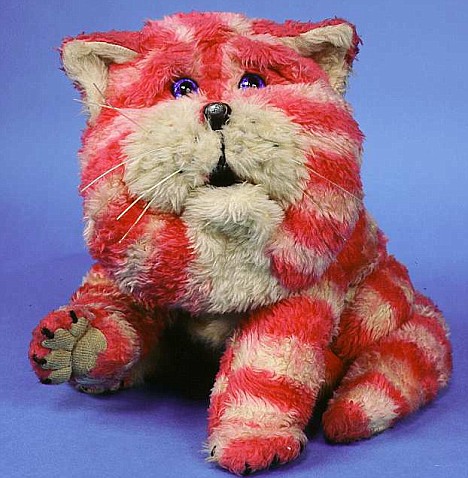
An interesting example of a writer’s philosophy is the anonymous researcher who considered the truth behind the children’s character, Bagpuss and his acquaintances (reference to this and Oliver Postgate’s end comment were from ITVs 100 Best Children’s Programmes). The researcher was of the learned opinion that Bagpuss is the existentialist hero and a dreamer; Professor Yaffle represents the intellectual (as a carved wood figure he shows that traditional forms of knowledge are stagnant); the mice and the organ mouse are the proletariat; Madeleine the rag doll is the maternal figure representing folk wisdom; Gabriel the toad sings songs containing messages, perhaps associated with Gabriel, the messenger from God (maybe telling us that religious teaching is far removed from the truly spiritual); and Emily is frequently associated ‘by critics’ with God or at least a ‘Godot’ type figure.

bagpus

Bagpus – existentialist hero and a dreamer?

The intrepid researcher concludes: “So far we have only examined one possible deconstruction of Bagpuss. Bagpuss himself could be seen as inhabiting the earthly realm, while Emily moves on the divine plane, but this is a very traditionalist view. A modern, more psychoanalytical interpretation might be that the ‘real’ world as we know it is the outside world inhabited by Emily. Bagpuss and his friends occupy the inner world of consciousness, and represent not forces within society but within the mind of a human being. Not just one human, in fact. Bagpuss could be said to exist within the mind of each one of us, a creative force that lies dormant but full of potential. He only needs to be awakened. Or something.”

Yeah, or something. If you don’t believe me (or didn’t see the programme – it was a few years ago) it can be found on Google – click here

 yaffle

Professor Yaffle –  the intellectual, “as a carved wood figure he shows that traditional forms of knowledge are stagnant”

So what d’yer reckon? A possible analysis? Well, unlike Homer, the creator of Bagpuss, Oliver Postgate, was still alive at the time of this ‘research’ (sadly he died in 2008) and the producer of the programme asked him to comment on this interpretation and reveal the truth behind his tales of Bagpuss.  He said the tales were simply about a stuffed cat and his friends …. !!

 Oliver1Oliver Postgate (1925-2008) – remember ‘The Clangers’?

What say you, Homer?

.

Next week:  The Grand Tour – let’s go for a ride …


Artemus Smith’s Notebooks

I continue my research of the notebooks of Dr Artemus Smith, archaeologist of great courage, determination and fiction. Here is another extract:

My very good friend, Professor Izzie Goldberg, was telling me of his worries about his son’s gambling and lack of attention to his religious commitments. He told me that he said to his son the other day, “Don’t forget Yom Kippur starts on Sunday.”  His son shouted back as he left the house, “Put £20 on it to win for me, Pops.”

AT

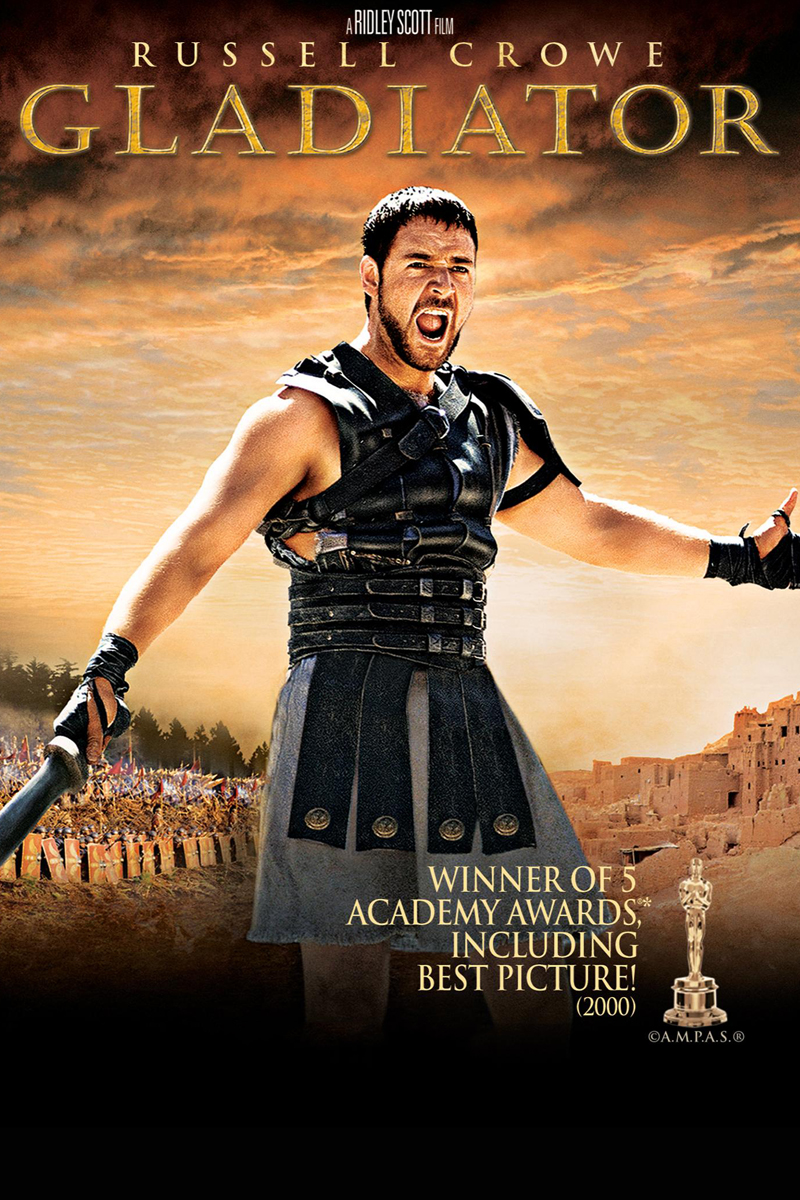
Gladiator: Hollywood fact or fiction?

glad

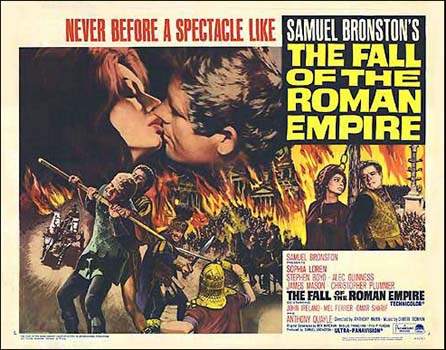
THIS WAS, indeed, a good yarn.  Well, actually, it’s practically just a remake of The Fall of the Roman Empire with Stephen Boyd (in Crowe’s role) as the hero Roman General-come-gladiator called Livius (who?), Christopher Plummer as Commodus (yes, Sound of Music’s Capt von Trapp as the baddie!), and Alec Guinness as the Emperor, Marcus Aurelius.

 Fall_of_roman_empire_(1964)

‘NEVER BEFORE …’ maybe – but certainly again

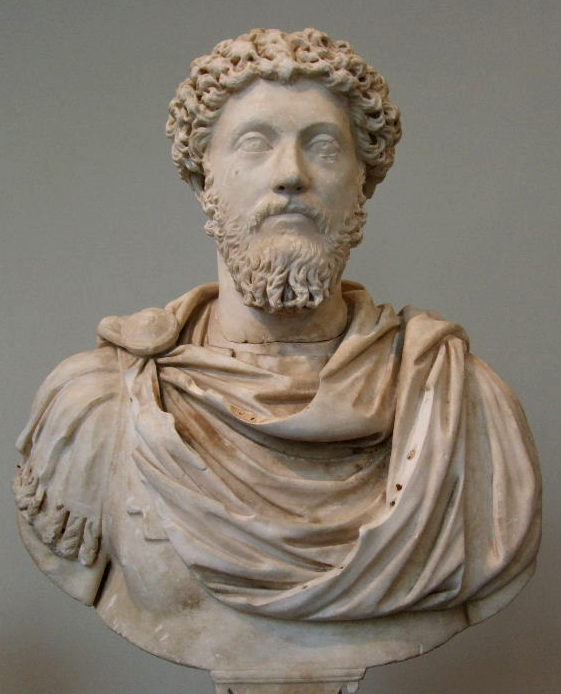
So, back to Ridley Scott’s 2000 epic and reality: both Marcus Aurelius and Commodus were father and son and real Emperors of Rome but that is really where facts stop – oh, other than Commodus was certainly a nasty oik, but that’s about it. As for Crowe’s Maximus Decimus Meridius, well,  there was a Maximus (of the Quintilian family) who, along with his brother, Condianus, were two of Marcus Aurelius’ favourite and most virtuous generals in the war against Germania. They were both consuls and Aurelius entrusted them with the civil administration of Greece.  Unfortunately, Commodus murdered both Maximus and Condianus, but that doesn’t make for such a good Hollywood yarn (and the film wouldn’t have lasted as long).

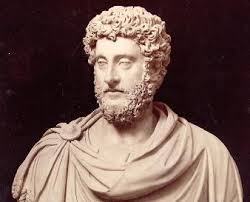
Marcus_Aurelius_Metropolitan_Museum       Marcus Aurelius AD 121-180

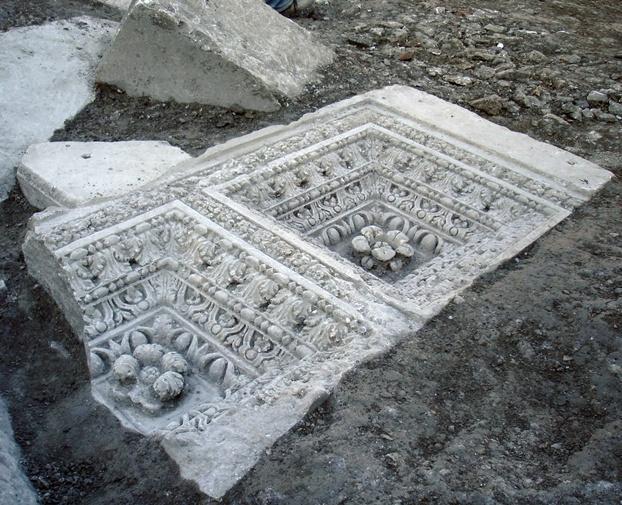
Alternatively, Crowe’s character could have been based on Marcus Nonius Macrinus who was also a general and favourite of Marcus Aurelius but he died in later years and a wealthy man. No other comparisons there then. Meridius tomb was found in 2008 on the banks of the Tiber near the via Flaminia, north of Rome.

tomb Tomb of   Marcus Nonius Macrinus

However, Marcus Aurelius never offered Maximus (or anybody) the protectorate of Rome, nor did he consider returning it to a republic (in fact, he gave Commodus joint imperial power at the age of 14/15!).  Aurelius died of an illness in Vindobona (Vienna) and there was never any suggestion that he was killed by Commodus.

commods

Commodus AD 161-192 

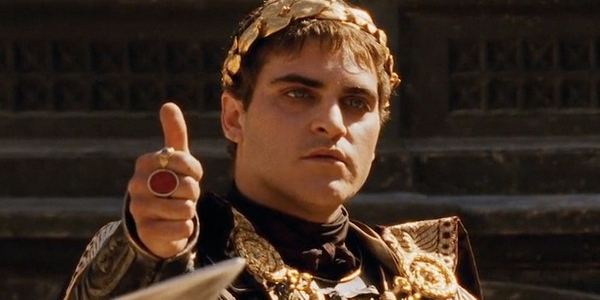
Commodus often fought in the gladiatorial arena but was not despatched there by an heroic avenger (his opponents were never allowed to actually kill him!).  He was poisoned by his favourite concubine, Marcia (a woman scorned!), and thereafter strangled by a ‘robust youth’ (believed to be a chap called Narcissus, another of his favourites – he was obviously a serious bad judge of character).  His sister, Lucilla, as she did in the film, did not live to witness his death, she had already attempted to do away with him but failed and so he had her exiled, then killed.  That’s show business …. or not.

Commodus

Thumbs up forJoaquin Phoenix as the beastly Commodus in the film

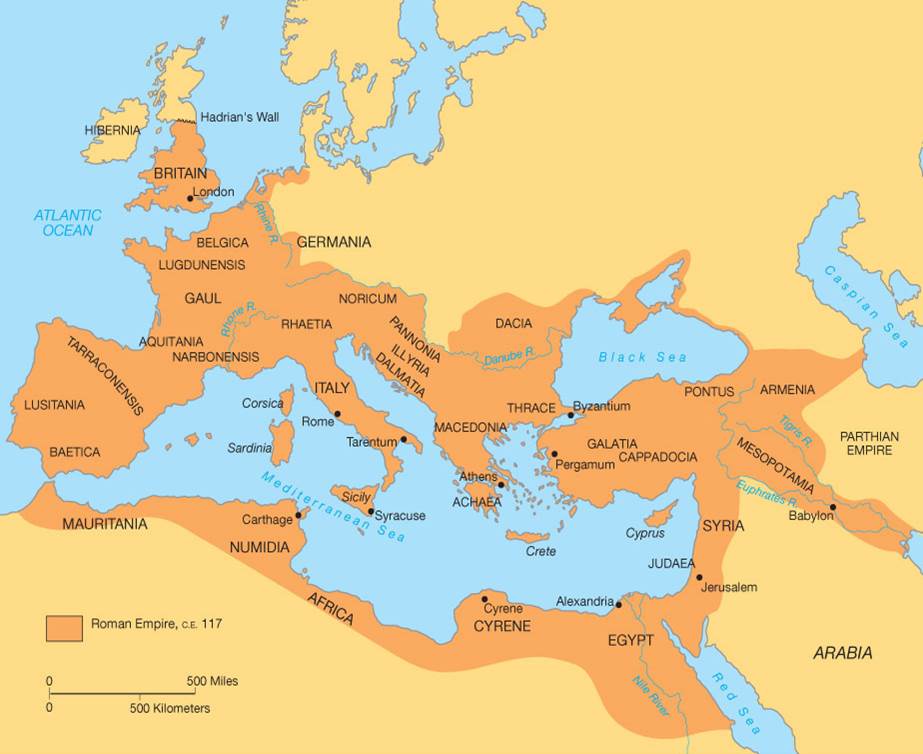
At the beginning of the battle scene , Quintus comments to Maximus of the Germanic ‘barbarians’: “People should know when they’re conquered.” Then in true Hollywood style they are conquered. In fact, the Germanic tribes were never conquered by the Romans. If you look at a map of the Roman Empire (below), Germania is conspicious by its absence from within its Empire boundaries – the boundary is the Rhine.

empire

Map of the Roman Empire at its height circa 2nd century AD

Talking of the battle scene, it was a real forest fire and filmed in the UK at Bourne Wood near Farnham in Surrey. The Director, Ridley Scott, heard that the men from the Forestry Commission were planning to remove the forest and so he persuaded them to let him do it for them!

fire

And there was the forest …. gone

P.S. If you want to understand the ending of the film better – the Elysium Fields – have a read of Virgil’s Aeneid (book 6).

GLADIATOR_ELYSIUM

 Maximus in Elysium Fields

.

Next week: Homer and the Bagpus theory


 Artemus Smith’s Notebooks

I continue my research of the notebooks of Dr Artemus Smith, archaeologist of great courage, determination and fiction. Here is another extract:

My good friend Sir Humphrey Bottleneck arrived at my rooms yesterday in a state of shock having nearly been killed in an automobile accident. He had caught a taxi cab from the station and leaned over to ask the driver a question and gently tapped him on the shoulder to get his attention.

The driver screamed, lost control of the cab, nearly hit a bus, drove up over the kerb and stopped just inches from a large plate window.

For a few moments everything was silent in the cab. Then the shaking driver said to Sir Humphrey, “Are you OK? I’m so sorry, but you scared the daylights out of me.”

Sir Humphrey apologised to the driver and said, “I didn’t realise that a mere tap on the shoulder would startle someone so badly.”

The driver replied, “No, no, I’m the one who is sorry, it’s entirely my fault. Today is my very first day driving a taxi cab. I’ve been driving a hearse for 10 years.”

Art Smth