Travels in Turkey: House of the Virgin Mary

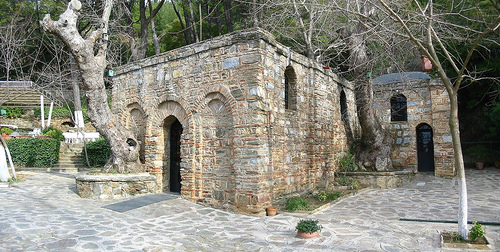
ON THE MENTION OF EPHESUS the impressive Roman town leaps immediately to mind. But everyone knows about that. However, there is another most intriguing place to visit in the vicinity. It is the house of the Virgin Mary. I say intriguing really because I had never known of it. One might say that is not surprising being that I am not particularly religious, but as Mary is a well known celebrity I thought her house would be ‘up there’ on the famous tourist list.
267e7bd2-f56c-4d61-b7da-484b3133a814

Virgin Mary’s House at Ephesus

Its discovery is an interesting tale but not, perhaps, for the sceptical ‘doubting Thomases’. The starting point, not surprisingly, is the Bible and the last mention of Mary before she disappeared. But it gives us a clue. It comes from St John, 19: 25-27:

“Now there was standing by the cross of Jesus His mother and His mother’s sister, Mary of Cleophas, and Mary Magdalene. When Jesus therefore saw his mother and the disciple standing by, whom he loved, he saith unto his mother, Woman, behold thy son! And from that hour the disciple took her unto his own home.”

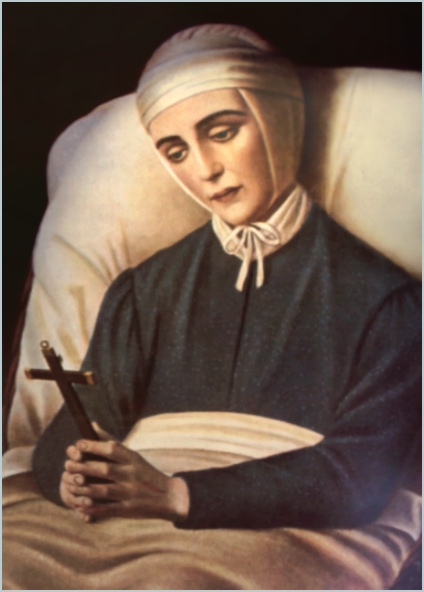
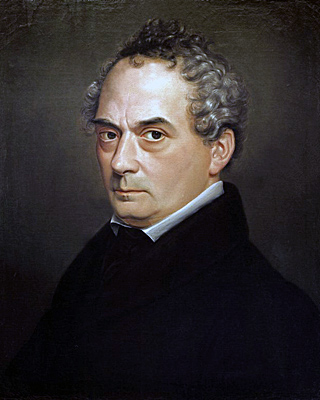
Obviously the disciple was John (as he was writing the Gospel, remember!), and he would have looked after Mary in his ‘own home’ which became Ephesus. Needless to say he would not have made a song and dance of it as Mary would have been in danger and wanted to play a low profile. However, it took until the late 19th century for someone to strike out to find where she might have lived in Ephesus. This someone was a Parisian priest, Father Julian Gouyet. Some may say this is the dodgy bit. His information came from the vision of a bedridden German nun, Sister Anne Catherine Emmerich, who had died some 60 years earlier in 1824. The visions were recorded by a German Romantic poet, Clemens von Brentano, who was at her bedside on and off from 1818 until her death.
emmerich

Sister Anne Catherine Emmerich

Visions, romantic poets. I can hear alarm bells going off. But without some beliefs in the, let’s say, ambiguous, some ‘Tales of the Unknown’ would remain unknown. Look at Heinrich Schliemann’s belief in Homer’s ‘mythical’ Trojan War – it led him to discover Troy. Okay I can’t think of any more (although John Turtle Wood found Ephesus by following a description of a procession found on a stone fragment). But Emmerich was quite remarkable and there are reports that, whilst suffering from high fever, she began bleeding (stigmata) from her hands, feet and side. She had never been to Ephesus but described Mary’s house in some detail and it fits the house believed to be hers today.
brentano-clemens3

Clemens von Brentano

Needless to say Brentano’s publication of Emmerich’s visions were treated with little interest. That is until 1880 when Gouyet came across them. Using Emmerich’s description, he went to Ephesus in search of the house. Indeed he found a ruin of a house and landscape at Panghia Capulu on ‘Nightingale Mountain’, just south of Ephesus, which bore a remarkable resemblance to Emmerich’s portrayal.

Gouyet returned to Paris and informed his superiors and the Vatican of his discovery. They were not so convinced and Gouyet was hushed up. Ten years later, Father Poulin, whilst visiting Smyrna in Turkey, read Emmerich’s visions and, although an anti-mystic, debated the phenomenon with his fellow priests. The sceptics remained in the majority but it was agreed to go and visit the house. This was not an easy task in those days as no road existed from Ephesus into the mountains where the house was situated. However, they were not to be disappointed and the scepticism faded. Old tombs were also in evidence, and one of the priests, Father Jung, asked his guide if he knew the whereabouts the tomb of the Virgin Mary. No, the guide replied, but he could take him to the tomb of Mary Magdalene. The priest was in his element.
House_of_Virgin_Mary2

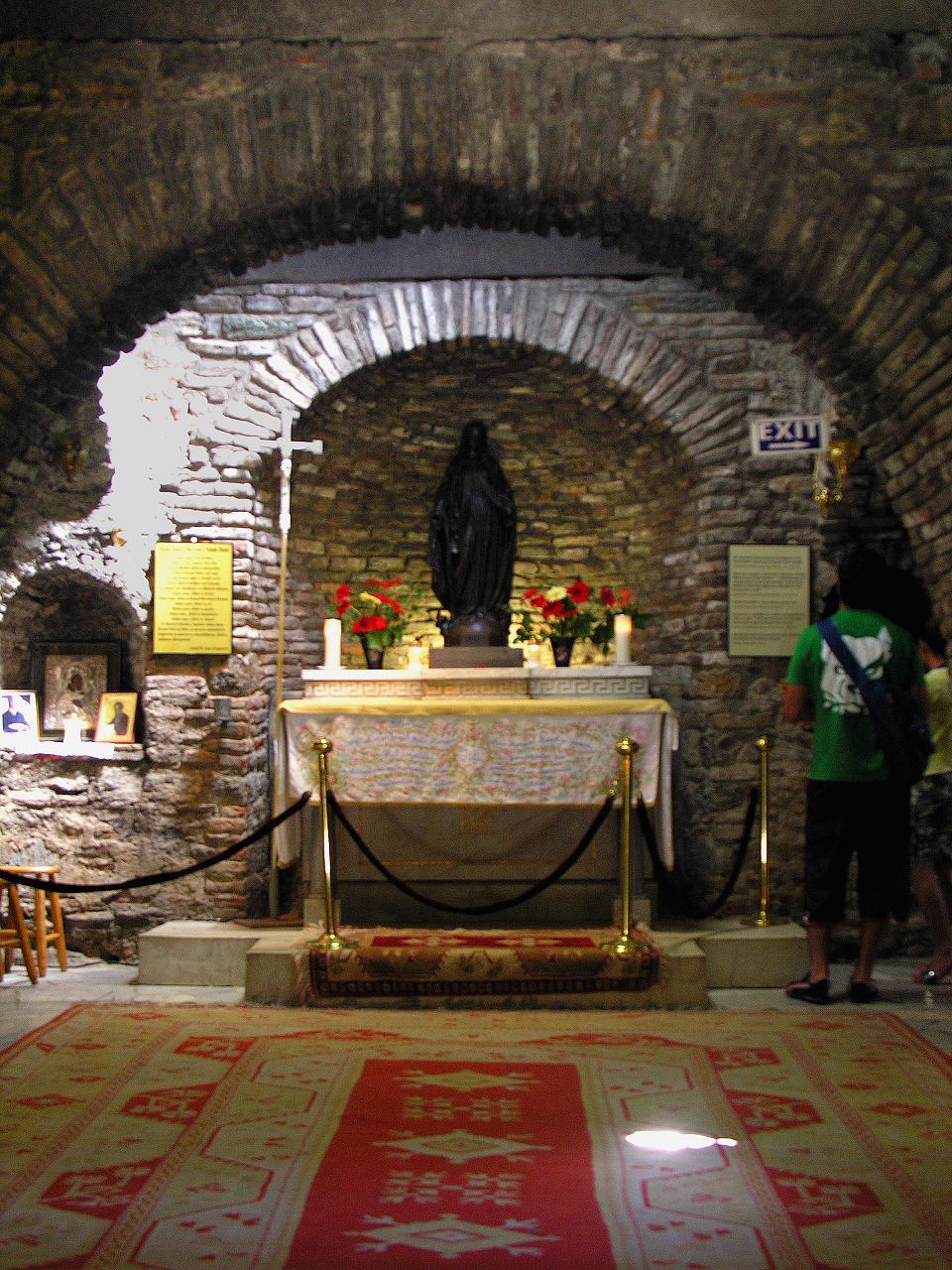
Inside the House

Conservation was the next issue. Isn’t it always. How would they protect it? They had to buy it. The owner, the Bey of Avarai, was found relatively easily – somebody knew somebody who knew somebody who knew him. The money was found relatively easily – Sister Marie de Mandat Grancey, the mother Superior of the Sisters of Charity in Smyrna had always been a believer in the house and produced money (31,000 French Francs) from her own wealth. The Bey messed about a bit but eventually the deal was done in November 1892. The following month, Archbishop Timoni, on behalf of the Church, announced that the house was indeed that of the Virgin Mary.

Sister_Marie_de_Mandat_EWTN_World_Catholic_News_1_26_11

Sister Marie de Mandat Grancey

A road was built up to the site and the building was restored in 1950. With the restoration it was discovered that the house had been restored several times before yet never been expanded on or improved. This led those concerned to believe that it had for many centuries been a unique place of Christian worship (well, maybe). In fact, it transpired that excavations in 1898-9 found many artefacts relating to religion and burials and Ottoman archives refer to the house as ‘The Three-Doored Monastery of the All Holy’.

The house itself is dated to the 5th century AD (from coins found) but its foundations go back to the 1st century AD. In August 1898, excavators working inside the house unearthed soot blackened fragments of stone of the 1st century AD – exactly where Sister Emmerich had said there was a fireplace.

The Vatican (Holy See) has taken no official position on the authenticity of the location yet, but in 1896 Pope Leo XIII declared it a pilgrimage. The first papal visit was by Pope Paul VI in 1967.  The next papal visit was by Pope John Paul II in 1979 who celebrated mass outside the house. Pope Benedict XVI went there in 2006 and treated the house as a shrine.


Next week: The Great Escape: Hollywood fact of fiction?


Artemus Smith’s Notebooks

I continue my research of the notebooks of Dr Artemus Smith, archaeologist of great courage, determination and fiction. Here is another extract:

I have just given evidence at the local assize court, on behalf of a colleague of mine, Jeremiah Archer-Hatchett, who had been quite unjustly accused of removing a small collection of valuable artefacts from an excavation site. On remitting its verdict, the chairman of the jury rose and announced to the judge:

“Not guilty, your Honour, provided he returns the artefacts.”

The judge’s face reddened with anger and he went into an oratory reflecting the purpose and excellence of the justice system which should not be taken lightly. The jury were then instructed, in no uncertain terms, to return a proper verdict.

Having repaired to its room for 10 minutes, the jury reseated itself in the courthouse and the chairman arose again with the reconsidered verdict:

“Not guilty, your Honour – and he can keep the artefacts.”
Art Smth

Troy: Hollywood fact or fiction?

DID TROY really exiats? and if so was there a Trojan War as depicted in Troy? It would appear that Heinrich Schliemann (1822-90) found, at Hisarlik, in northwest Turkey, what is believed to be Troy (in fact, he had considerable help from one Frank Calvert – but that’s another story). From archaeological evidence, whether Homer’s Trojan War ever happened is not so clear.  To gain any idea it is useful to compare archaeological evidence from known areas and then see whether it links in with the literature of the Iliad – composed by Homer in the 8th century BC of a war that may have taken place in the 13th century BC at Troy.

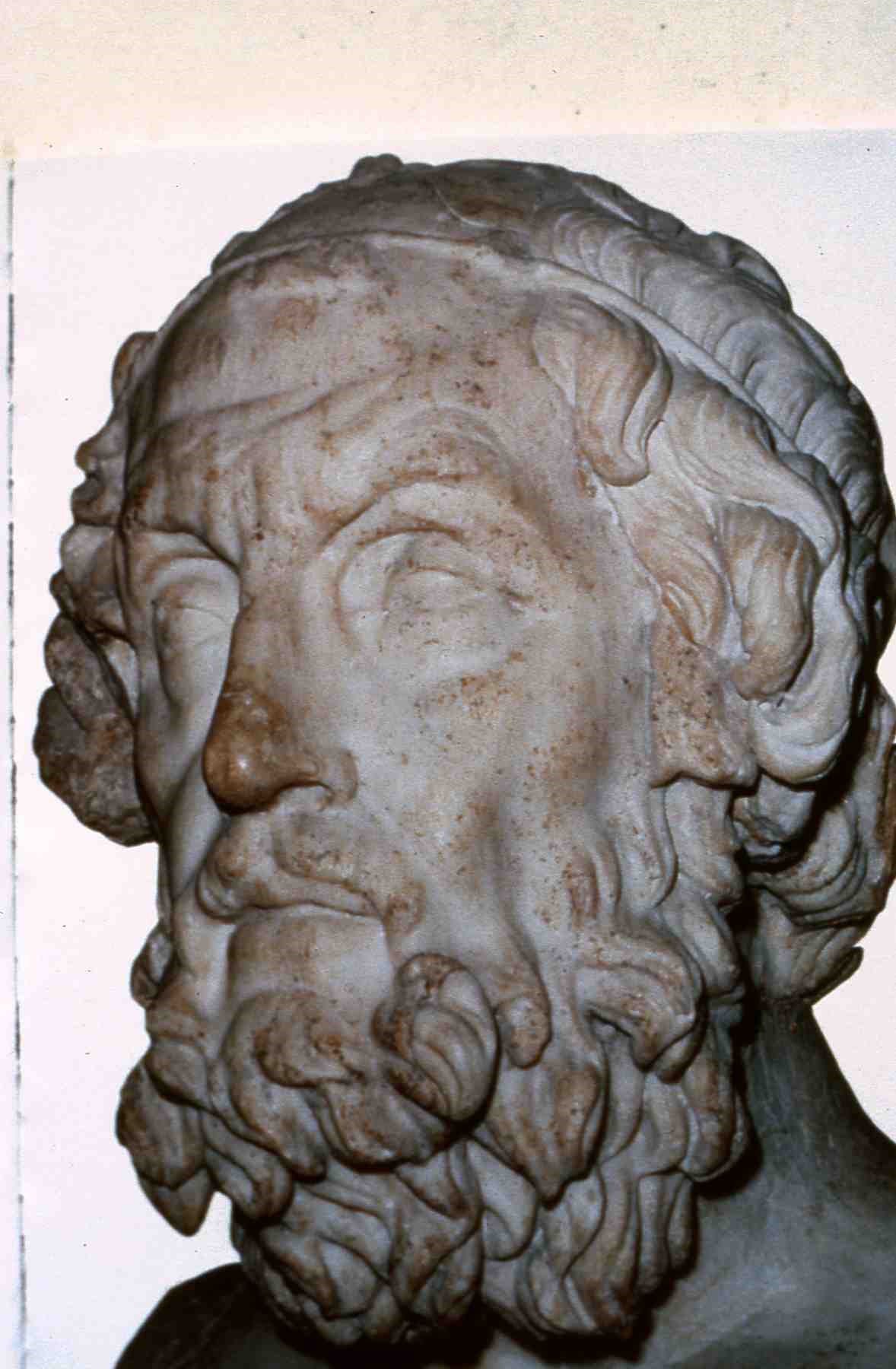
 homer

Homer

Mycenaean comparisons

According to Homer, the Greek (aka Achaean) expedition against King Priam of Troy was led by Agamemnon, king of Mycenae (but you know all that if you have been reading my previous blogs). Homer tells us Agamemnon was a man of great wealth, the lord of deep-golden Mykenai and led a powerful navy of 100 ships – a larger force than all others.  Although there is no archaeological evidence of the existence of Agamemnon, we know the city of Mycenae existed around 1600 – 1100 BC and that it was a city of great wealth – this was realised from excavations of finds of gold in the burial chambers (a previous blog – I can’t keep saying this) and the evidence (pottery) of industry (oil merchants) in the foundations of surrounding buildings.

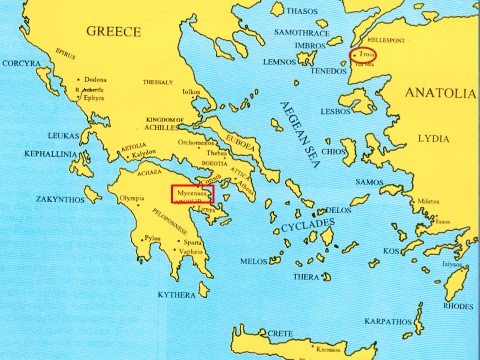
map

Map of the Aegean with Troy (Troia) and Mycenae

Some buildings in the city were substantially two-storied with interconnecting drainage.  The site itself indicates a ruling and military class – massive fortifications on a hill top overlooking a rich agricultural plain and the town of Argolis.  All these factors picture a city of the aristocracy and the prosperous. Excavations also showed that the city and its civilisation were destroyed (by fire) in around 1230 BC.  So, if Agamemnon of Mycenae was going to invade Troy it had to be before this date.  The city was later rebuilt to last until around 1100 BC and producing a different style of pottery, but not as the city it once was (so we are not very interested in it – well, I’m not).

When Schliemann excavated Mycenae, he found many treasures in the shaft graves adjacent to the great Lion Gate entrance (see prev …. no, I’m not going to say it).  He was overwhelmed with the finds, particularly the gold masks, one of which he believed to be of Agamemnon.  The problem was the dating.  The shaft graves, in which Schliemann found the treasures, were constructed in 1600 BC, some four hundred and fifty years before 1250 BC, the considered date of the fall of Troy – a detail Schliemann overlooked (but you know that from previous …. no, no, I’m not going to say it).  However, the artwork and design of the masks and jewellery made it clear that the Mycenaean civilisation was highly sophisticated (and ‘deep-golden’ or ‘rich in gold’ as another translation has it).

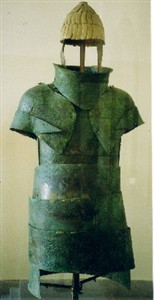
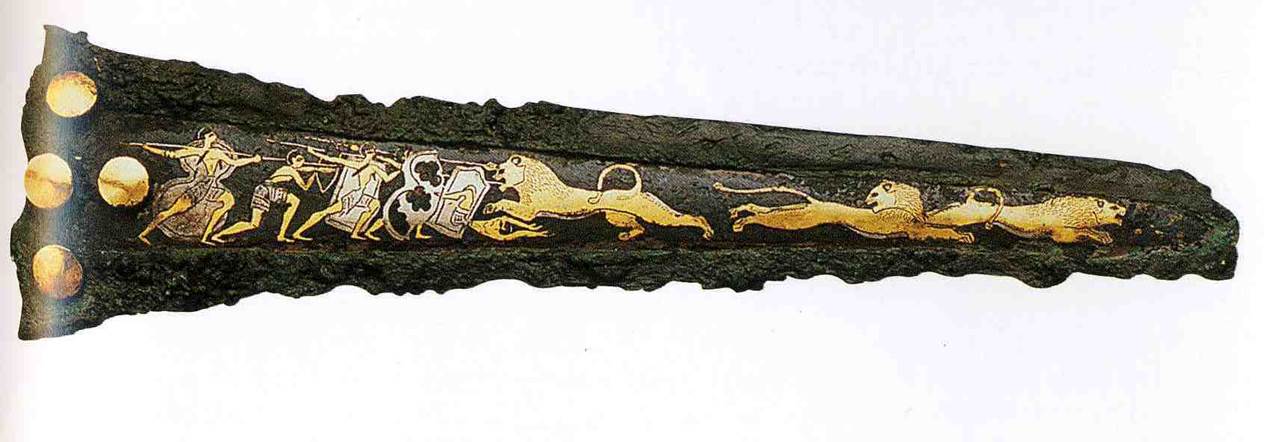
There are some connections in Homer with Mycenaean artefacts, particularly with the Iliad and armour  For example Odysseus “put over his head a helmet fashioned of leather … and on the outer side the white teeth of a tusk-shining boar were close sewn one after the other …” (Iliad 10.261) – the very kind of helmet found at Dendra, near Mycenae (see pic below).  Also, “Now Aias came near, carrying like a wall shield of bronze and sevenfold ox-hide” (Iliad 7.219) – a Mycenaean shield (see the body shields engraved in the dagger at Grave Circle A – pic below). Unfortunately, not all the references in the Iliad follow archaeological patterns and there are discrepancies. There is reference to “locking spear by spear, shield by shield, so buckler leaned on buckler, helmet on helmet, man against man … so dense were they formed on each other …” (Iliad 13.131), which infers the operation of the phalanx, but it was not used by the Greeks until around the 9th century BC.  Homer refers to types of armour of various periods and iron of his own period, as if comparing the Mycenaean culture with his own.

 Dendra_armour_2

Dendra armour (c 1400 BC)

dagger

Dagger from Grave Circle A (c 1600 BC) at Mycenae showing ‘wall shields’ covering whole body 

The finding of the Linear B tablets at Mycenae (and at Pylos and Knossos) by Sir Arthur Evans (and interpreted by Michael Ventris as Greek in 1952) was both encouraging and discouraging.  They indicate a developing culture with a written language within Mycenaean Greece during the period leading up to Homer’s siege of Troy.  However, they relate to administration of ‘royal’ palaces and make no mention of Homer’s royal heroes by name, which limits their value to prove the existence of Homer’s Trojan War but they do refer to Mycenaean forays into Aegean (Lesbos) which puts them in situ.

Troy

Following the discovering of Troy, nine main settlements (I-IX) have been excavated over the years. Troy VI and VIIA bear a certain resemblance to Mycenae – Troy VI is high and wealthy, Troy VIIa is heavily fortified.  How do we know the dates of these cities?  Styles of Late Helladic IIIA pottery (1400 -1300 BC) and Late Helladic IIIB pottery (1300 -1200 BC) have been found by Carl Blegen, in Troy VI.  So although this ‘Mycenaean’ style pottery was made in Troy, Troy VI has a definite link with Mycenae.  This style disappeared from Troy around 1250 BC, the believed date of its destruction.  In Troy VIIb, a completely new style of pottery, alien to Mycenae, was found.  This originated from across the Dardanelles in the 12th century BC and possibly suggests new people at Troy.  So, if Homer’s Troy existed, it was prior to this period.

TroyCompPl

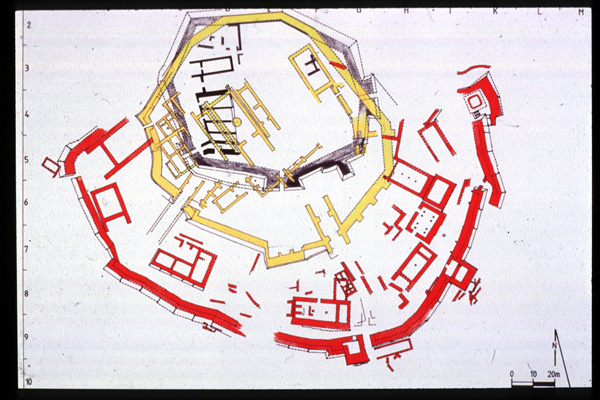
 Plan of citadels of Troy (grey is Troy I; yellow is Troy II; red is Troy VI)

However, Blegen was convinced that Troy VI was destroyed by an earthquake, as the walls had shifted, and Troy VIIa by fire (although he accepted that there had been a fire at Troy VI at some stage) and, therefore Troy VIIa was Homer’s Troy.  But Donald Easton has suggested that, although there was an earthquake, it possibly destroyed Troy VIIa and Blegen simply misinterpreted the signs of the wall movements.  Unfortunately, he refused to confirm that Troy VI was the city destroyed by the Greeks, commenting, “it simply gives us a nice opportunity for belief” (I just love that!).

troy

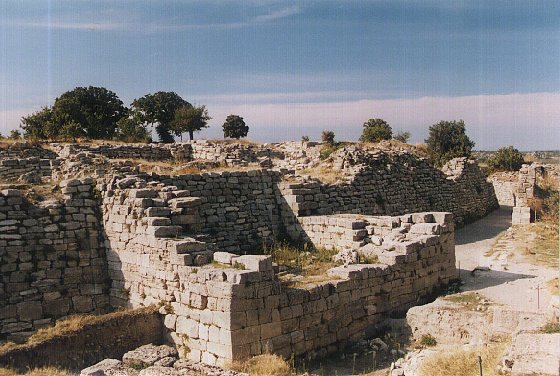
Troy VI tower and east entrance to right

 Looking at Troy VIIa, it is very similar to Troy VI in build – as a fortification – with houses illustrating continuation of sturdy masonry in period of rebuilding.  In fact, it has been suggested that Troy VIIa is just another rebuilding of Troy VI. It does have ear-marks of siege about it – closely packed houses (unlike Troy VI), incorporating storage pithoi (large containers) let into floor for, perhaps, a special need for storage – even to the extent of restricting space within the building.  Was it preparing for siege?  Blegen believed so and this was another reason for his conclusion that Troy VIIa was Homer’s city of the Trojan War.  However, this preparation for siege at Troy VIIa may have be in defence against some other intruder (perhaps the later Sea People, as referred to by the Egyptians).

One problem with this, is that the whole of Troy VIIa is divided up into small enclosures and there is no Royal Palace, as there was (probably) in Troy VI.  This sounds rather like the King (if that is what he was) and his family are no longer in residence at Troy VIIa.


Troy_City_VIh_02_full

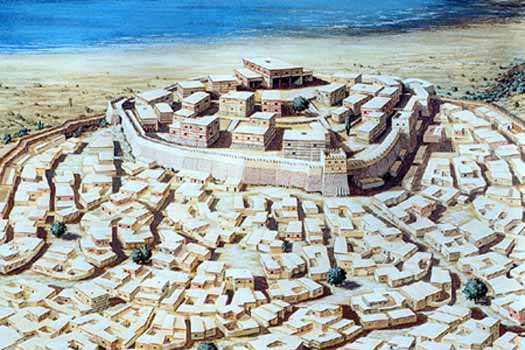
What Troy VI and its lower city may have looked like in the 13th century BC (270,00 sq m)

The next problem is dating.  Late Helladic IIIC pottery has since been found at Troy VIIa, which means it must have been in existence after 1190 BC which is too late for Homer’s War (the date of Homer’s War at 1250 BC is based on the fall of Mycenae shortly afterward in 1230 BC).  In this respect, Troy VIIa is unlikely to be Homer’s Troy which makes Troy VI favourite for Priam’s city. We also rely (not necessarily reliably) on the 5th century BC historian, Herodotus, and his dating of Homer and his Trojan War – the former, 400 years before his own time, and the latter, 800 years before his own time (but where he gets these dates from is anyone’s guess).

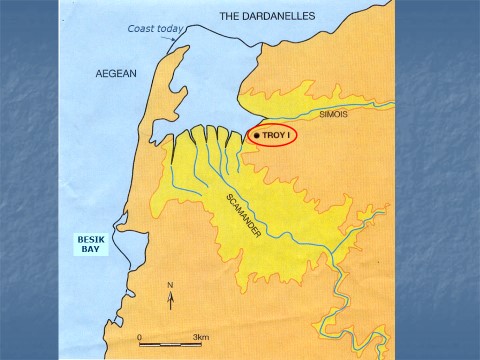
In addition, there have been excavations at Besik Bay, an inlet to the south of Troy, by Professor Korfmann (who, until his death, was working on the lower town at Troy VI).  This produced Mycenaean pottery and cremated bodies of the period around the Trojan War.  The cremations support Homer’s references, otherwise considered inconsistent with the believed Mycenaean practice of burial.  The Greeks may well have cremated their warriors to prevent the bodies being exhumed and despoiled by the Trojans.  The site is near to where the beach would have been in the 13th century BC, and close enough to Troy for a Greek encampment.  It is, of course, mere speculation and Korfmann is cautious about linking Homer and archaeology.  However, it does allow the imagination to wander.  He said, “I am sure, in the 13th century [BC] there several wars around and about the city of Troy but which one was Homer’s War, we will never know”.

besok

Besik Bay – harbour controlled by Troy but where Mycenaean/Achaean fleet may have beached for the siege of Troy

So, what d’yer reckon?

It is clear that a large fortified city existed at Hisarlik in or around 1250 BC, at the time of Homer’s Trojan War, but because of its location at the entrance of the Dardanelles, it had control of a trade route to and from the Black Sea, and so such a fortification would not be particularly unusual. It would also be a very profitable city having such control and open to ‘take-over’ by wealth-seeking powers (of which Mycenae would have been one – having already taken over Minoan Crete in 1450 BC). Schliemann discovered its wealth in Troy II of 2500-2300 BC (click here for the Treasures of Troy) – too early for Homer’s Troy). However, there was, certainly, in existence in the 13th century BC, the wealth that Homer refers but whether it belonged to Homer’s heroes is unknown and will never be known unless something of reference to them appears in future excavations.

Archaeology shows that, if there was a Trojan War, Mycenae and the other cities named in the Iliad were, in the 13th century BC, large and strong enough to invade Troy.  However, there is very little in either Trojan or Mycenaean archaeology – or writing (Hittite texts and Linear B respectively) – to support the existence of Homer’s heroes or Homer’s Trojan War (the Hittites texts do stretch the imagination a bit – but that’s another story). Nor any mention of Helen ‘of Troy’ (well, of Sparta actually, being the wife of Menelaus, King of Sparta, until Paris, Prince of Troy, got his hands on her – if we are to believe Homer of course). All we can say is that Troy and a wealthy and powerful Mycenae existed and must have had its own warrior heroes.

So there you have it …. or not.


Next week: Travels in Turkey – going south from Troy, down the west coast of Turkey, to Ephesus, is the House of the Virgin Mary – not alot o’ people know that ……


Artemus Smith’s Notebooks

I continue my research of the notebooks of Dr Artemus Smith, archaeologist of great courage, determination and fiction. Here is another extract:

I have made a sensational discovery that the Ancient Greeks played golf some two thousand years before us. The reference to the game comes from some further work of Homer (c750BC but writing of the time of the Trojan War, c1250BC) that I fortuitously came upon in Alexandria. My translation of a passage is as follows:

And aged Chryses, priest of Phoibos Apollo,
did forsake prayer to his lord of the silver bow
and in secrecy went forth to play golf.
His first shot he smote strongly,
for it was blameless and he holed in one.
Such a stroke was from the hand of Zeus, gatherer of clouds.
Far striking Apollo spoke in anger to mighty Zeus,
‘Father Zeus, indeed I have done favour among mortals,
but why honour so this unworthy wretch
who steals away in secret to play golf
and avoids loyal duty of prayer to the gods?’
And in reply spoke Zeus, son of Kronos,
shaking his head with dark smile,
‘It is not with honour that I guided his ball,
but in frustration I have stricken him deep,
for in such secrecy of his play
to whom shall he dare boast of this great shot?’

Art Smth

Tombs of Mycenae: the Forgotten Five

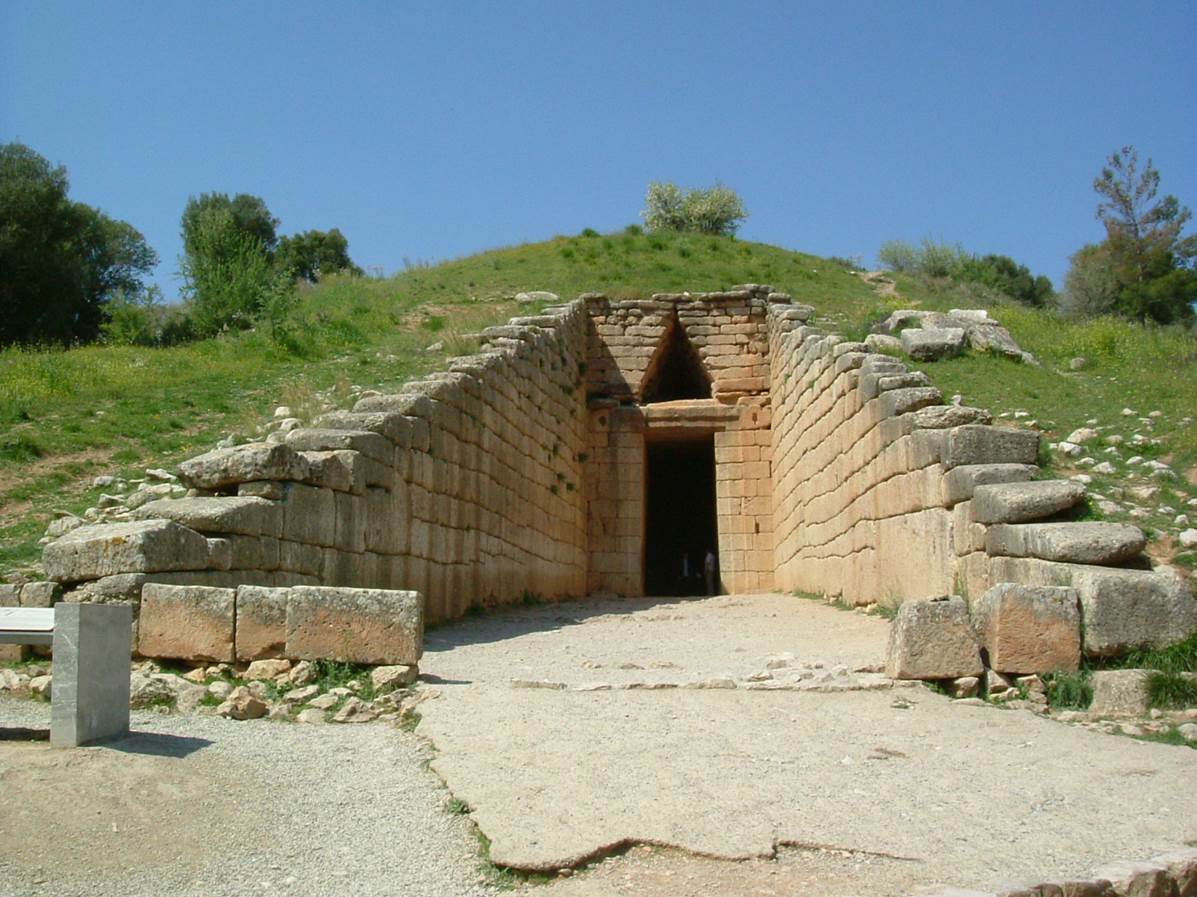
VISITORS TO MYCENAE will always stop off at the Treasury of Atreus (aka the tomb of Agamemnon – see previous blog) to be awed by its size and magnificence. Nor will they be able to miss the intrigue of the tombs of Clytemnestra and Aegisthus and the Lion Tomb – still impressive even if remaining less robust in construction than Atreus. What they all have in common is their accessibility and visibility (and closeness with regard to the last three). Their names bear no relation to whom may have been buried there – they are just ‘labels’ conveniently coinciding with mythical characters from Homer’s 8th century BC poem’s the Iliad and the Odyssey (Atreus’ son, Agamemnon, led the forces against Troy; Clytemnestra was his unfaithful wife who murdered him on his return from Troy; Aegisthus was her lover). The Lion Tomb is so named simply because it’s near the Lion Gate (see previous blog).

atreus3

What the marbled entrance to the Treasury of Atrues (aka Tomb of Agamemnon) may have looked like in the 13th century BC

Klytemnestra

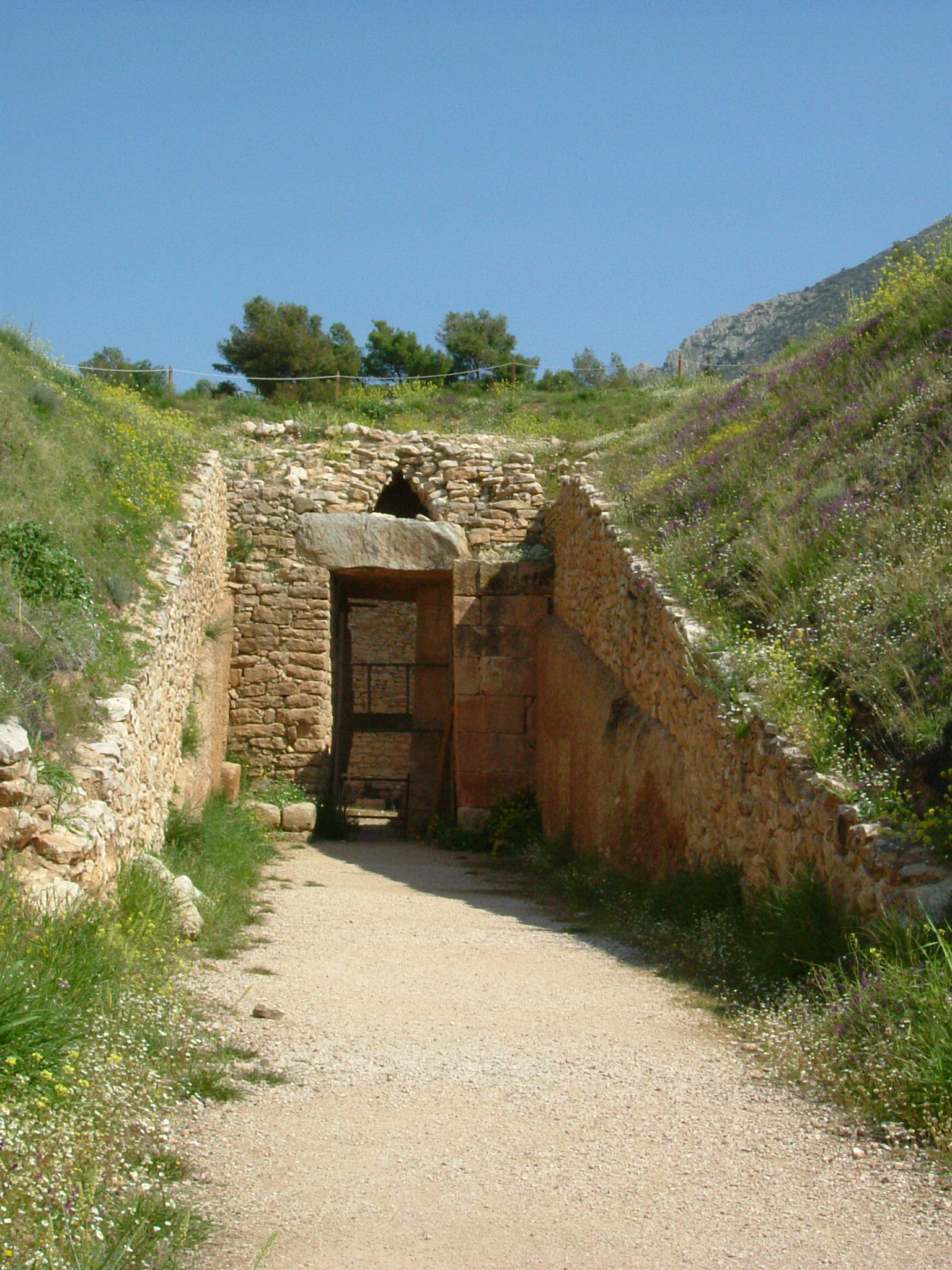
Tomb of Clytemnestra (much the same size as Treasury of Atreus – see previous blog for its scale) – triangular hole above the entrance lintel is a relieving triangle to take the weight of the the roof  

What coach encumbered members of the public do not set their eyes upon are the sad cousins of Atreus and Co – the lonely tholos tombs slumbering over the hill of the Panagia ridge, namely the Cyclopean, Epano Phournos, Kato Phournos, Panagia and Genii (the Forgotten Five). In their own rights they bear silent witness to the development of funerary architecture of the Bronze Age of Greece and deserve more attention. Admittedly less impressive in statue to the other four but still no less important for archaeology.

Aegithus

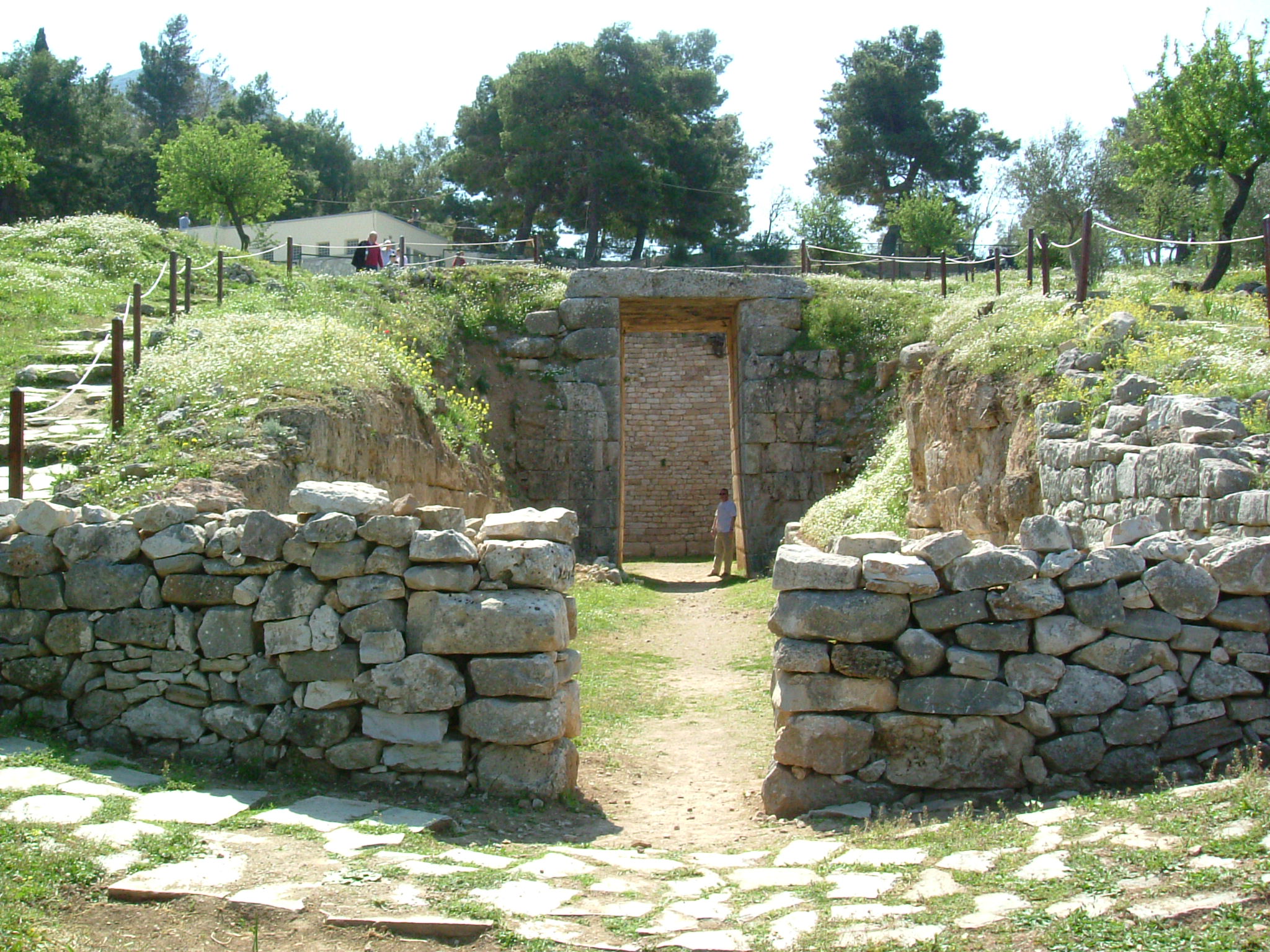
Tomb of Aegisthus (smaller than Clytemnestra) – also with small relieving triangle above entrance lintel

LionTomb

Lion Tomb 

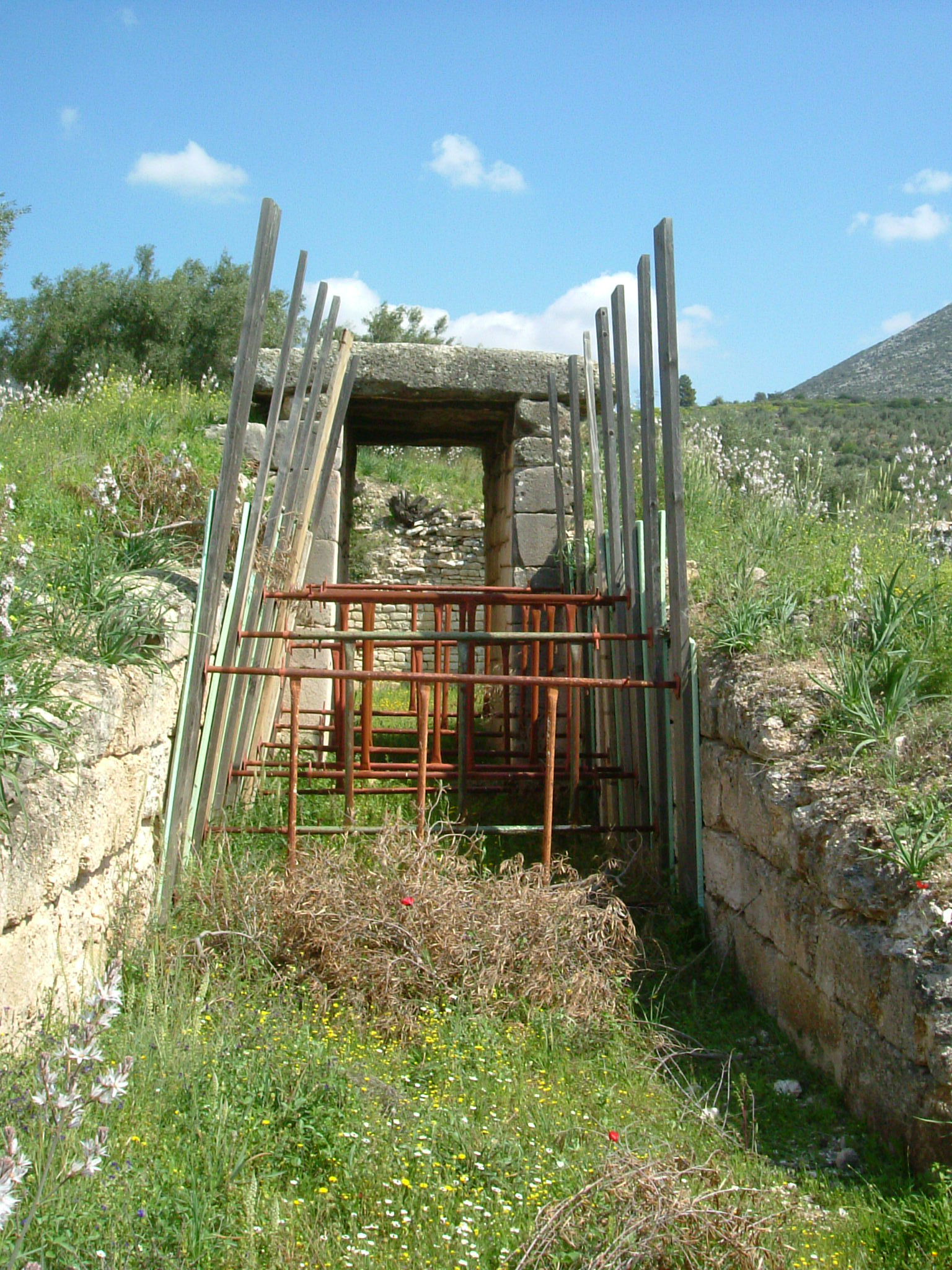
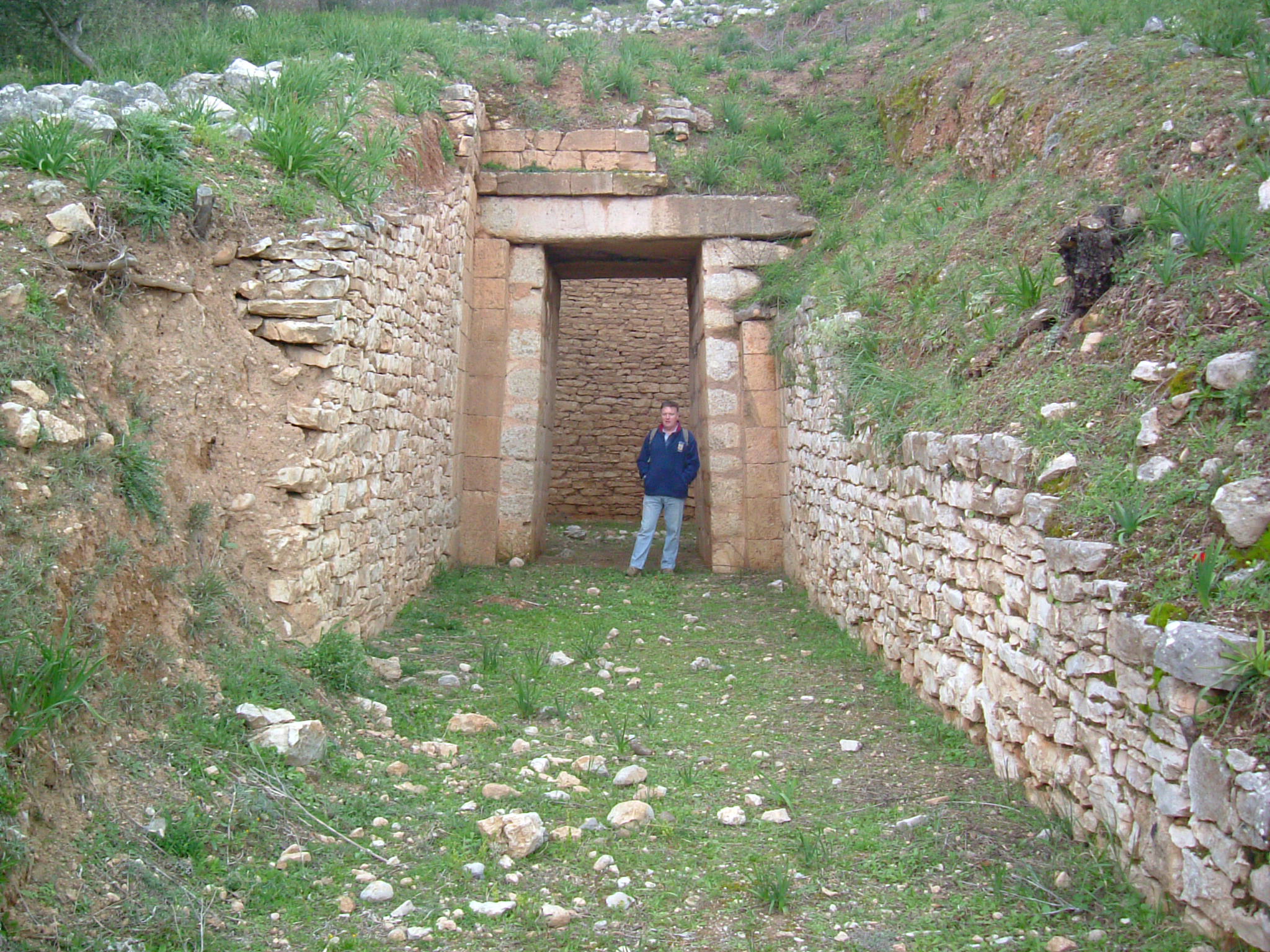
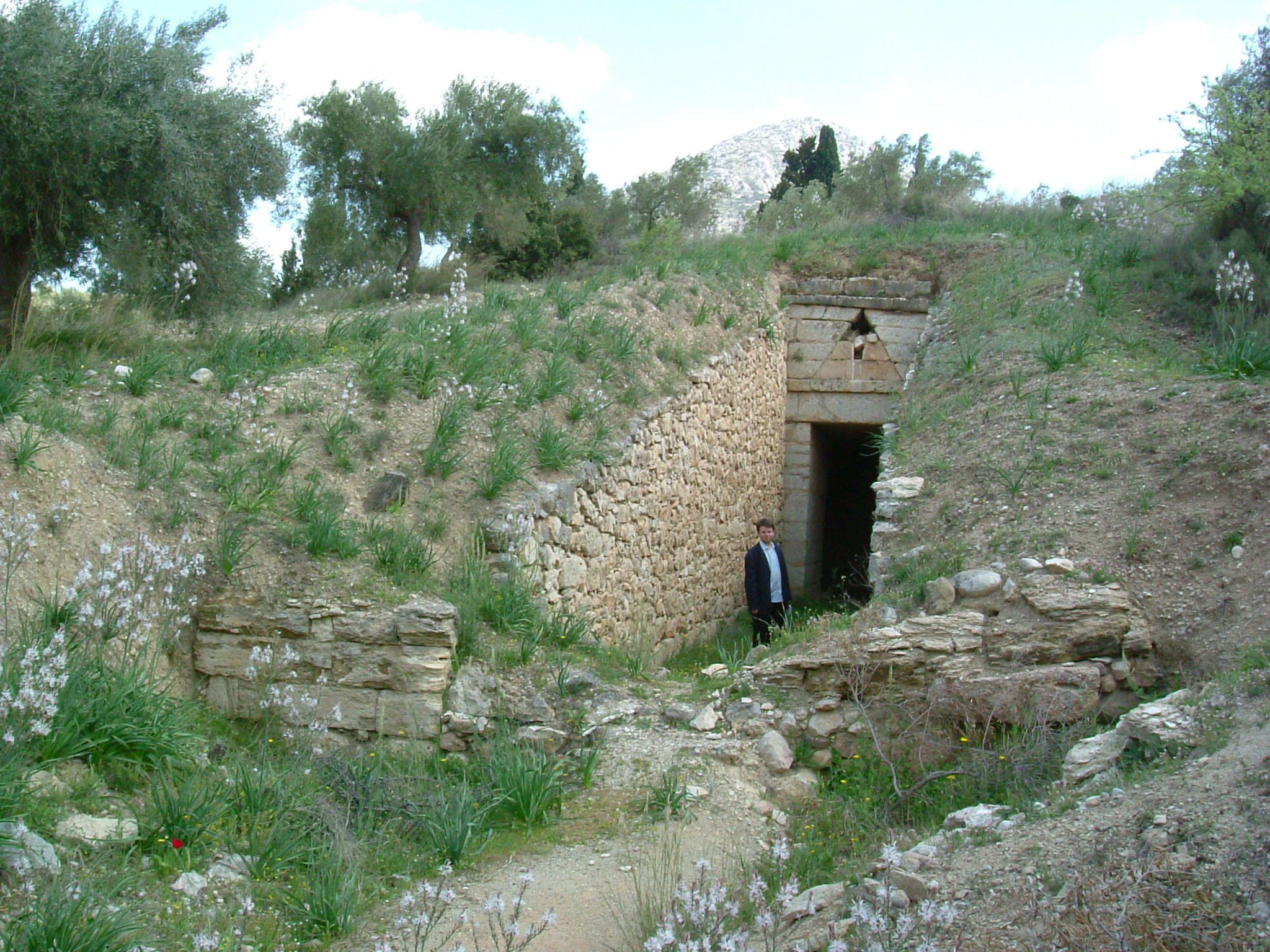
The size of these five tholoi are very similar with their tomb bases varying between 7-10 metres in diameter (the Cyclopean being the smallest, Epano Phournos the larger – comparing with Atreus’ base diameter of 14.50 m) and their scale can be seen from the figures in the pictures. They are also in varying states of disrepair – Cyclopean being the worse for wear whereas Genii is reasonably complete including its roof (it also has three pit graves – sadly empty, so no clues there).

Cyclopean

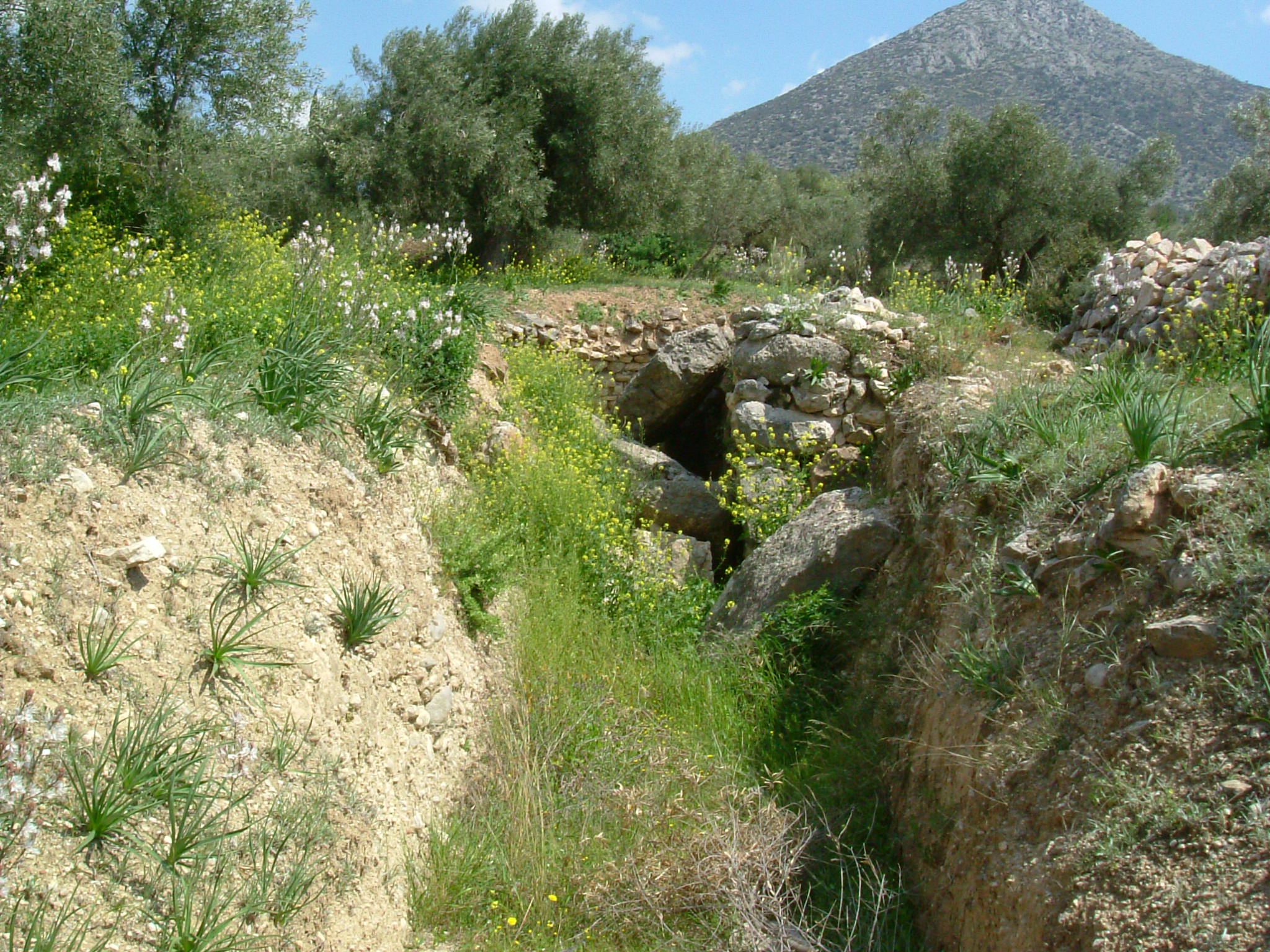
Cylopean Tomb – definitely seen better days

Heinrich Schliemann and his wife, Sophie, excavated the Treasury of Atreus and Tomb of Clytemnestra in 1876 and Christos Tsountas excavated the others during the 1890s (he discovered Aegisthus at this time but it was not excavated until 1922). The British archaeologist, Alan Wace, divided all the nine tombs into three groups for dating and characterized them accordingly:

Group 1 (1510-1460 BC): Cyclopean, Epano Phournos, Aegisthus

Group 2 (1460-1400 BC): Panagia, Kato Phournos, Lion

Group 3 (1400-1300): Genii, Atreus, Clytemnestra

Epano Phournos

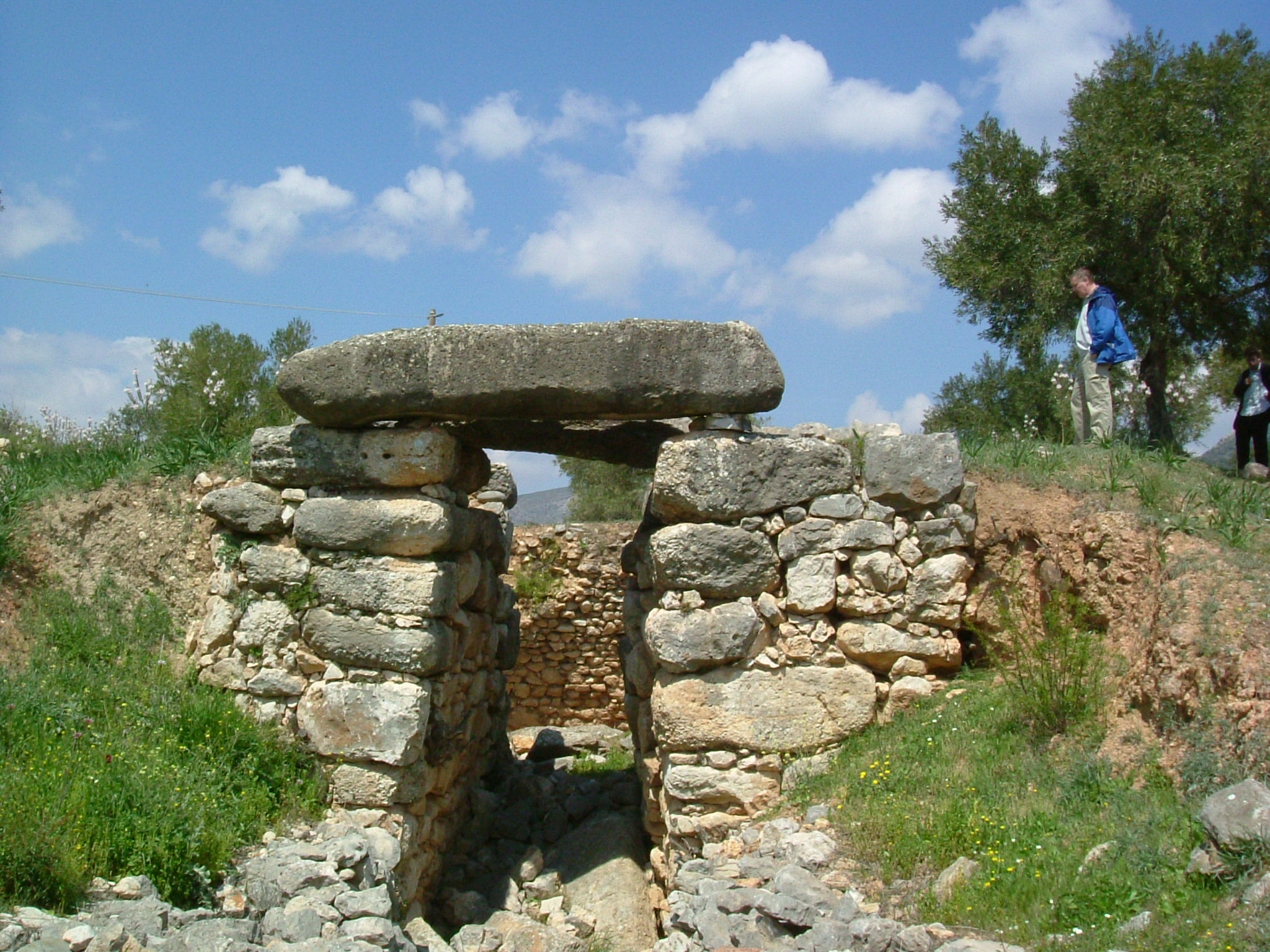
Epano Phournos Tomb

Kato Phournos

Kato Phournos Tomb

Looking at the sites today it might be considered that grouping into three is too limiting. Since Wace’s work, a relieving triangle has come to light on the Aegisthus tomb putting it into a category of its own. It is not entirely clear what may have been situated above the lintels of the other two earlier tombs as the roofs have not survived. Genii is hardly in the same category of grandeur as Atreus and Clytemnestra yet it appears in the same grouping (it is of similar but less complex construction). The Tomb of Clytemnestra may have been built after Atreus due to  the fact that it may be slightly more technically advanced with its row of curved stones continuing round the structure at the same level as the lintel (forming a more solid base for the roof structure). It may, of course, have been constructed for the queen of the occupant of the Atreus tomb.

PanagiaTomb

Panagia Tomb

All nine tombs had been robbed in antiquity making dating and interpretation difficult. Only in the dromos of the Tomb of Clytemnestra was a woman’s grave found by Tsountas, along with accompanying artefacts (two mirrors, ornaments and beads) but it helped little in revealing the secrets of the inner domain. However, there is still doubt as to the actual dating of Atreus and Clytemnestra – if the later dating of the mid-to-late 13th century BC (LH IIIB) is correct, then neither may have ever been occupied, their intended occupants having fled following the destruction of the city.

Genii

Genii Tomb

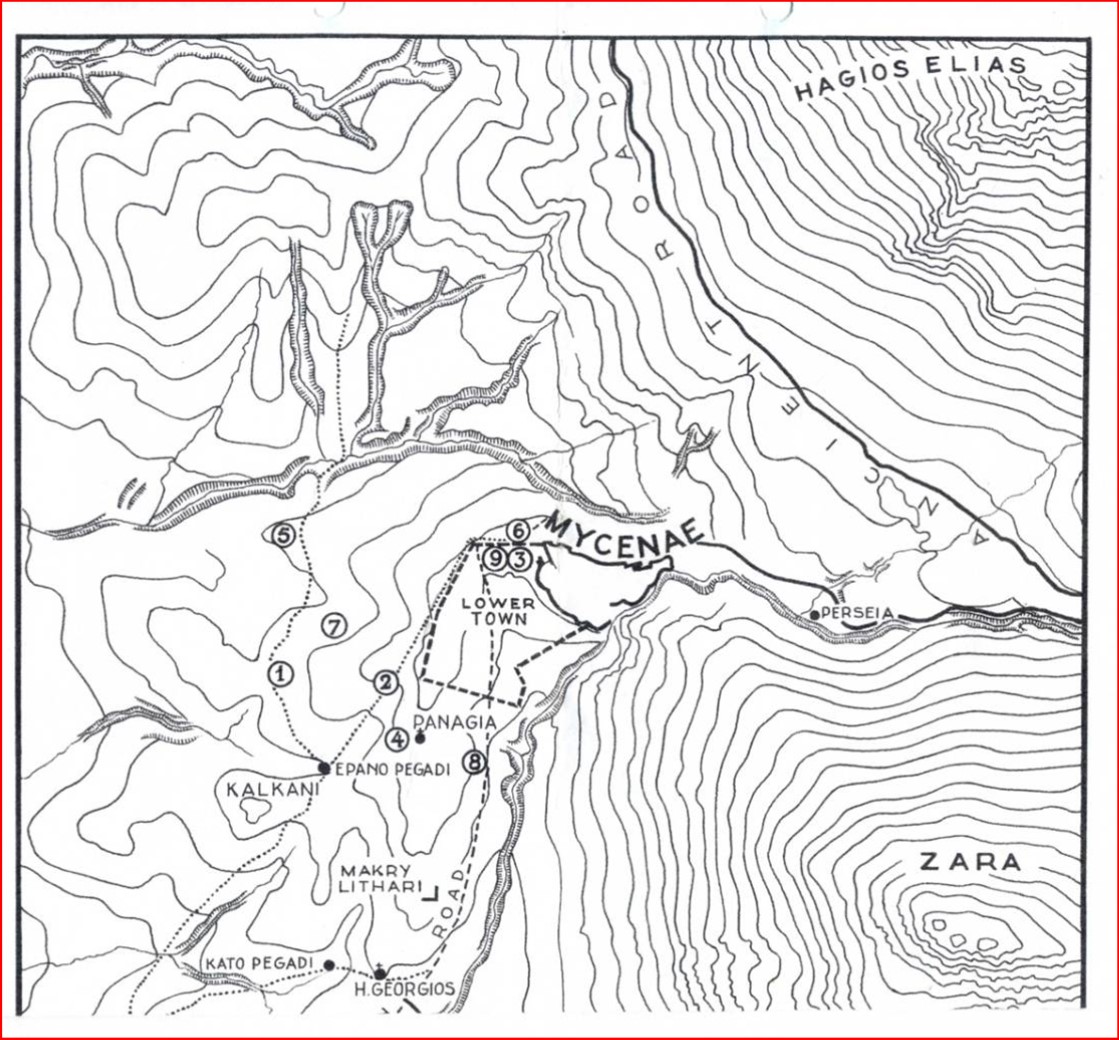
Next time, or if/when, you plan a visit to Mycenae, take along some walking boots and ‘head west young man’ – well, westward one and all, over the Panagia ridge (see plan below) and follow the path from which the Cyclopean, Epano Phournos and Genii are visible. Genii needs a bit of tracking in from the path but perseverance will find it. Likewise with the Panagia tomb – the most difficult to find – drop down from the Panagia church, but be careful not to literally drop into the tholos itself (as I nearly did!) as it has no roof (forget health and safety….)

Picture2

Plan of tomb as at Mycenae (from Wace, 1949): 1. Cyclopean, 2. Epano Phournos, 3. Aegisthus, 4. Panagia, 5. Kato Phournos, 6. Lion, 7. Genii, 8. Atreus, 9. Clytemnestra


Next week: Let’s go to Troy


ASIDE

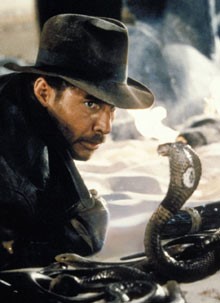
A friend of mine has just been visiting a Mycenaean site presently under excavation on the mainland of Greece. He reported back to me of the finding of an exciting new tholos tomb. However, as much as he wanted to go and see it, he was unable as it was full of snakes! This was a similar problem encountered by excavators of a tholos tomb at Phourni in Crete in the 1960s.  Who said archaeology is not like Indiana Jones!

IJ snakes


Artemus Smith’s Notebooks

I continue my research of the notebooks of Dr Artemus Smith, archaeologist of great courage, determination and fiction. Here is another extract:

My three College chums, Ginger, Bunty and Rowley, and I were so confident of our knowledge that the weekend before finals, we decided to go up to the West Country and party with some other friends who lived up there. We had such a jolly time and didn’t make it back to College in time for the examination.

We all agreed on the same story for our Professor – we had gone to the country for the weekend with the plan to study, but, unfortunately, we had a flat tyre on the way back, didn’t have a spare, and couldn’t get help for just ages. As a result, we missed finals.

When we put it to him, our Professor thought it over and then agreed we could make up the finals the following day. We were elated and relieved. The next day at the time of the exam our Professor, rather oddly we thought, placed us in separate rooms and handed us each identical question booklets and told us to begin.

The first question on the first page, for 5 marks, was something remarkably simple regarding the identification of the style of Mycenaean walls. No problem I thought and I answered it with a flourish.

 On the next page was written the second question: ‘(For 95 marks)  Which tyre?’

AT


Mycenae

SO WHAT EVER HAPPENED to Minoan Crete? Well, we don’t really know. All the palace sites, bar Knossos, we destroyed around 1450 BC but whether by man or nature is unclear. If by earthquake then why not rebuild as had been done before? It was once thought that the volcanic eruption at Thera (now Santorini, the island due north of Crete) may have caused the downfall of the Minoan civilization (either by volcanic ash or tsunami) but the dating doesn’t fit (the volcano was either between 1627-1600 BC according to radiocarbon dating or 1550 BC if you go along with Egyptian dating references).

mycenaean_greece-map[1]

Bronze Age ‘Greece’ 

What we do know is that the Mycenaeans from mainland Greece took over at Knossos. This is evidence by, amongst other ‘things’, Linear B (ancient Mycenaean Greek writing) which was found at Knossos. We need to be careful with the use of the word ‘Greek’ here. Greece didn’t exist as a country during this period (Bronze Age 3000-1100 BC); it was made of various kingdoms, one of which was Mycenae in the Argolid on the Peloponnese of mainland ‘Greece’ (or maybe Ahhiyawa – a name on Hittite texts which could possibly be the Mycenaeans -or Achaeans as Homer referred to them). Remember, this is prehistory so we can never be sure of anything. You can almost make it up as you go along and few could dispute you. Well, as long as you were vaguely sensible about it all……..

Now the citadel of Mycenae was impressive. It was a fortress and constructed by warmongers.

 mycn aerial

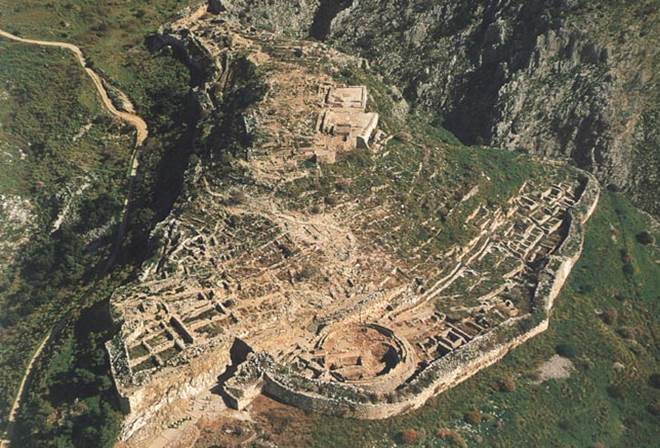
‘bird’s eye’ view of the citadel of Mycenae – very defensive (Grave Circle A is foreground centre – the circular bit, get it? – and the Lion Gate entrance is to the left of it in the shadows)

It’s not surprising that it took over Minoan Crete. It was a war-machine. And Crete was positioned central to three continents: Europe, Asia and Africa; so whoever controlled Crete, controlled a major trade link and have been very wealthy. Mycenae would have liked that idea.

lion gate 1

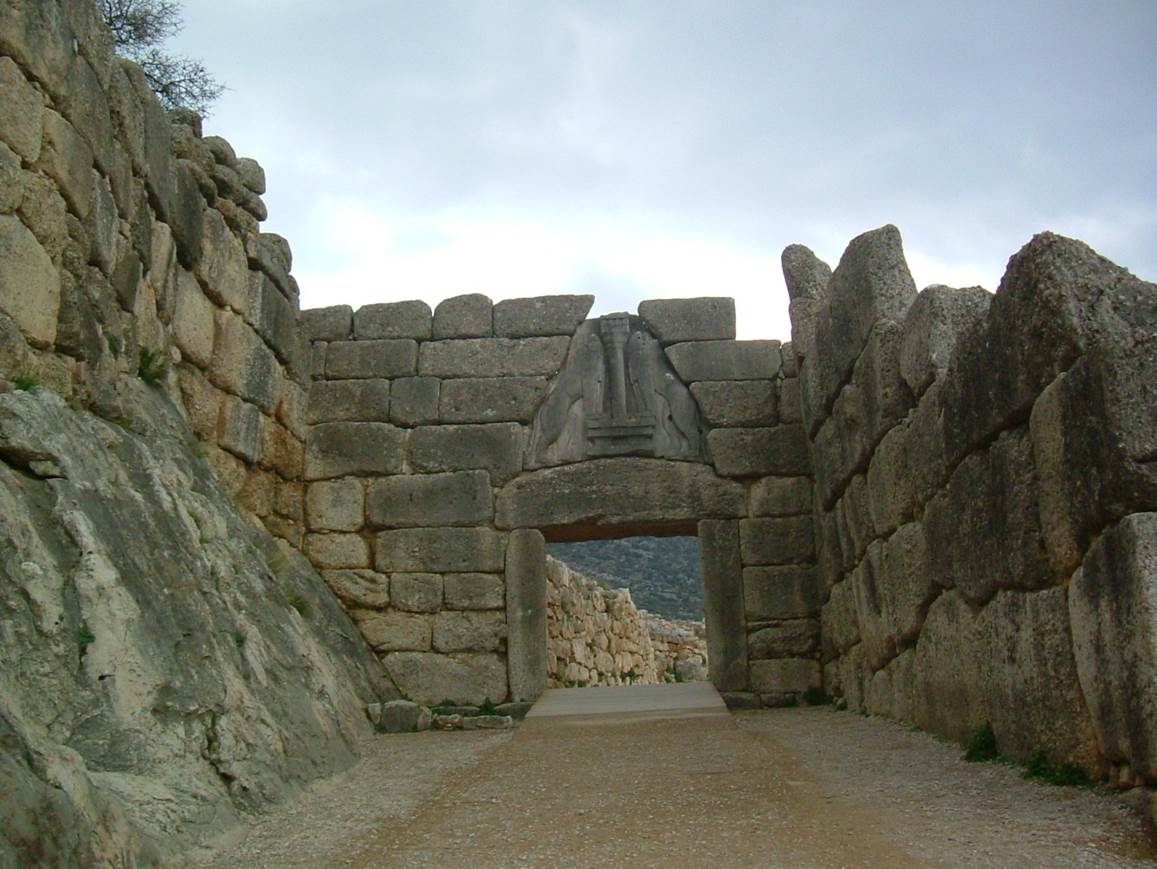
The Lion Gate entrance

lion gate2

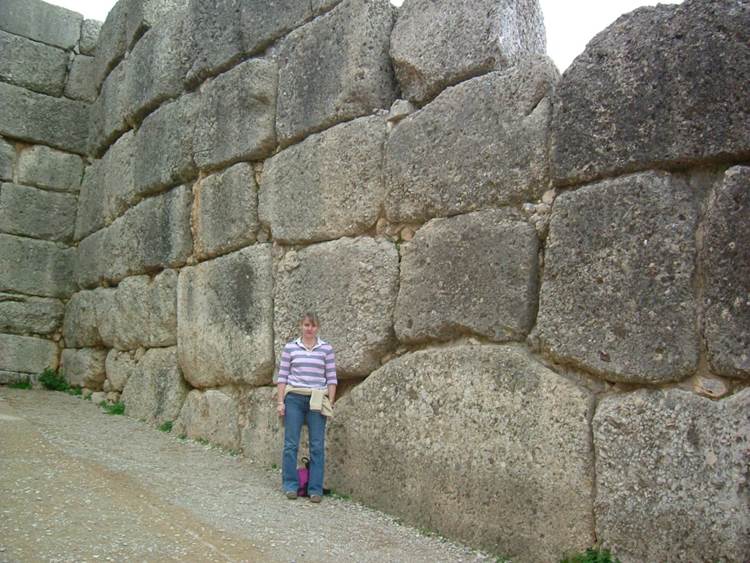
and just to give you an idea of the size of the stones leading up to the actual Lion Gate, Sarah is a scale

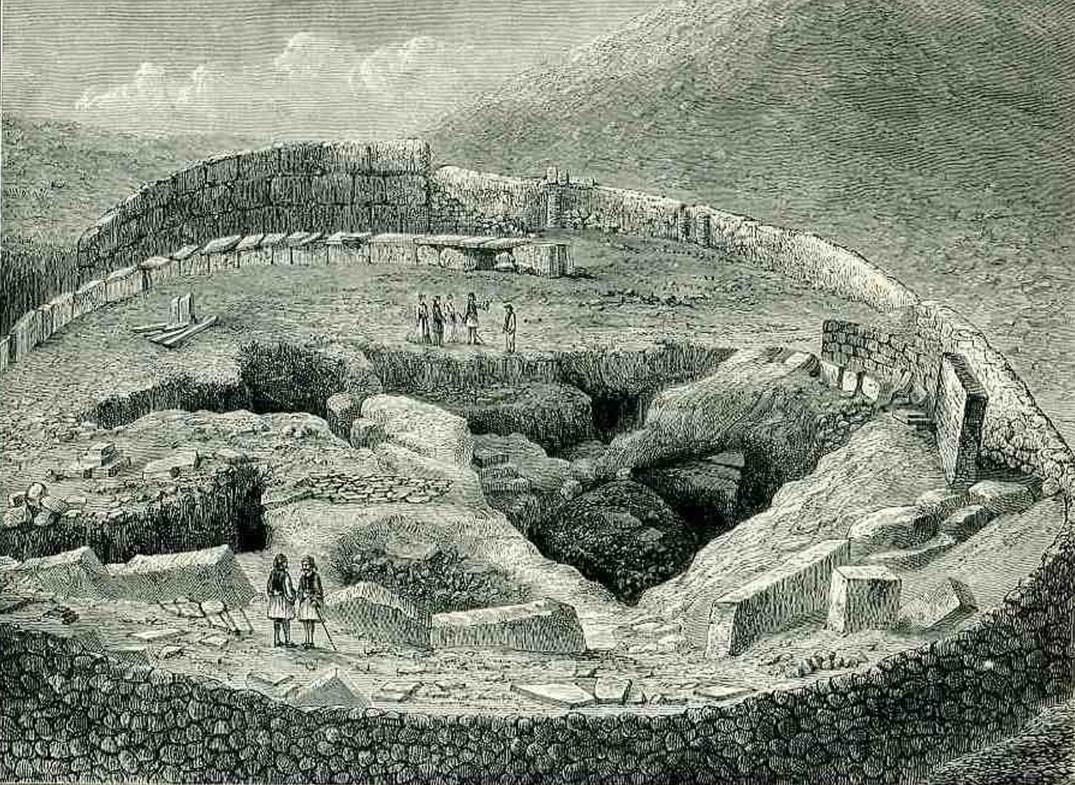
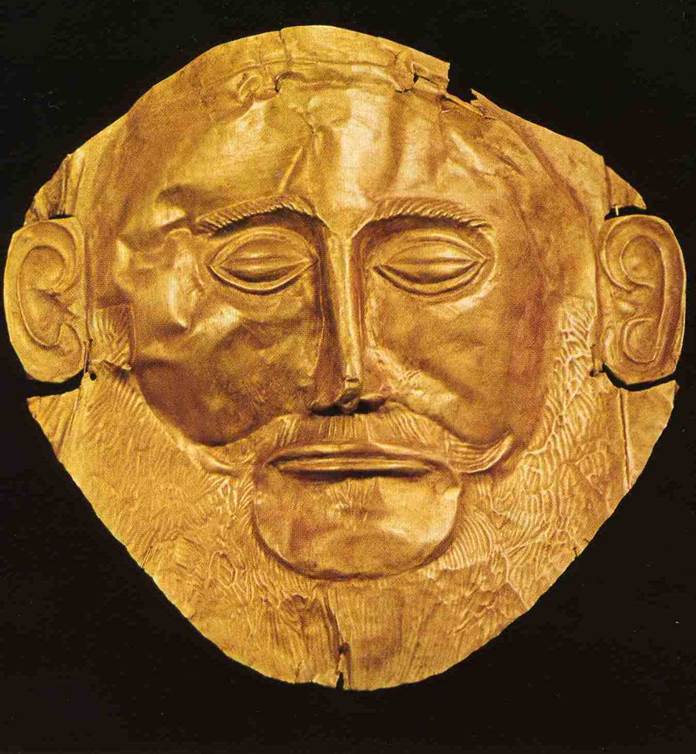
Heinrich Schliemann excavated at Mycenae in 1876. But he didn’t discover it as its Lion Gate entrance had been open to the world to see from at least the beginning of the 19th century (the Brit. Edward Dodwell had drawn a picture of it in 1805). However, Schliemann opened up the entrance and the Grave circle A just inside the entrance. Here he found treasures buried with the dead, including the ‘Mask of Agamemnon’. Had he gazed on the face of Agamemnon as he claimed (allegedly). Well, no. If Agamemnon had existed it would have been around the destruction of Troy circa 1250 BC (more on that another day). The mask was dated to 1600 BC. Maybe Agamemnon’s great great great ….. grandfather. Maybe not.

gca sch

Grave Circle A as excavated (we’ll use that term loosely) by Schliemann in 1876

mask of aga

The ‘mask of Agamemnon’ – well, not really

Also at Mycenae we can find the impressive tholos tombs of Agamemnon (aka Treasury of Atreus – but it’s not a treasury) and Clytemnestra (circa 1250 BC). Clytemnestra was Agamemnon’s wife who did away with him on his return from the Trojan War (woman scorned and all that). This is according to Homer, an oral poet of around 750 BC (more on him later). They are, indeed, tombs but probably not of Agamemnon or Clytemnestra – it’s poetic licence (sorry, I’m being a spoilsport). On the other hand, check the dating out …………

 atreus

The Tomb of Agamemnon, aka The Treasury of Atreus – well, neither actually

atreus insde

19th century drawing of the inside of the Tomb

So what happened to the Mycenaeans. Well we don’t really know (heard that before somewhere). They just came to an end and that’s that. If a Trojan War really did take place with the Mycenaeans and allies besieged Troy then it may well have weakened its position on the home front. Whilst the ‘cats are away’ in Troy, ‘the mice do play’ at home. The ‘mice’ may have been disgruntled peasant taking advantage of their masters’ absence. Who knows……


Next week: the forgotten tholos tombs at Mycenae


Artemus Smith’s Notebooks

I continue my research of the notebooks of Dr Artemus Smith, archaeologist of great courage, determination and fiction. Here is another extract:

In December, I had been visiting the Ashmolean Museum in Oxford to deposit some finds I had recently discovered in Tiryns.  On departing, I observed a member of the constabulary writing a parking ticket. I approached him and said, “I say, Officer, it’s Christmas, give a chap a break.”

He ignored me and continued writing the ticket.

“What a cad”, I uttered.

He stared at me, then at a worn tyre on the vehicle and wrote another ticket.

“Bounder”, I exclaimed.

He noted a cracked light and wrote another ticket.

“Scoundrel” I yelled.

He wrote another ticket for a faulty bumper.

Well, this went on awhile – the more abuse I gave him, the more tickets he wrote.  By the time I had run out of expletives he had planted some dozen or so tickets on the windshield of the vehicle.

Of course, it was no concern to me as my vehicle was parked around the corner.


AT


Crete: the island that tipped


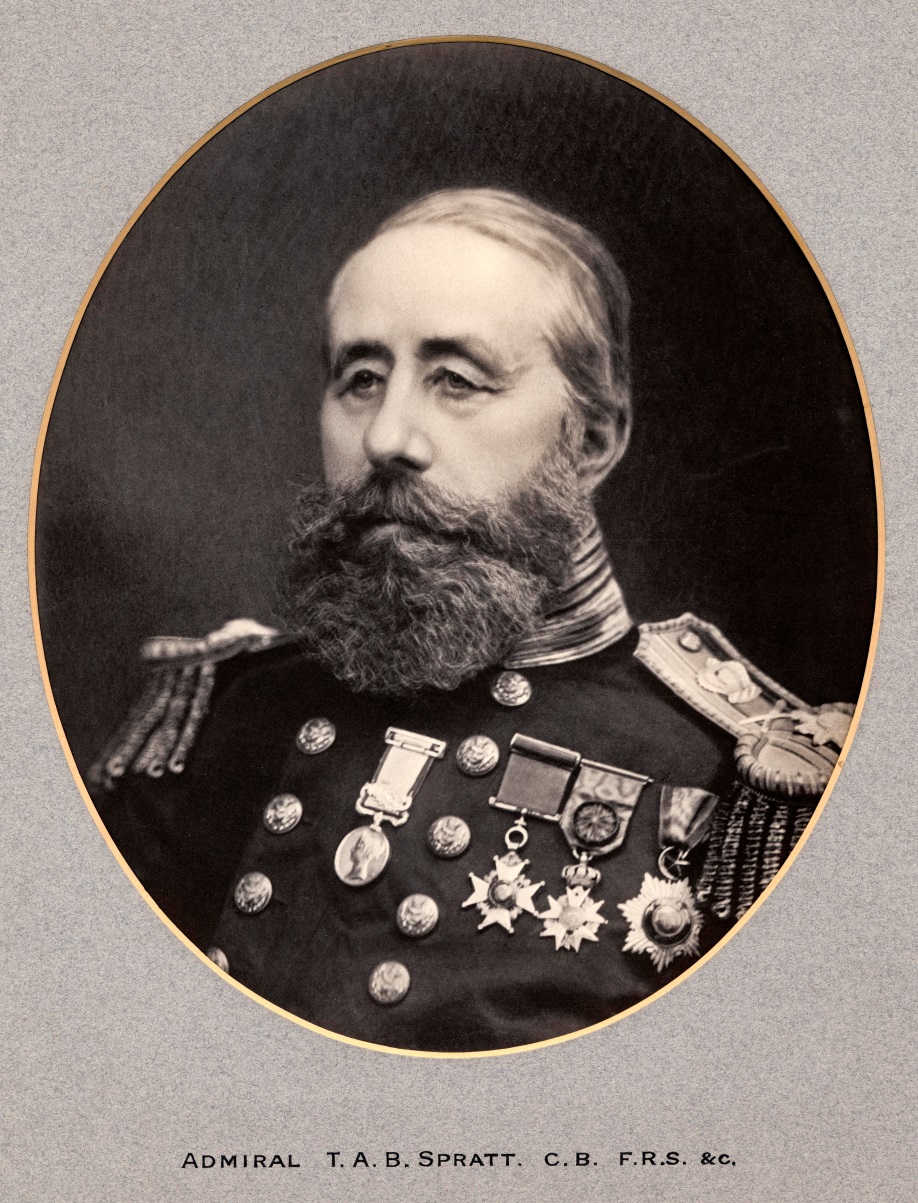
spratt

Thomas Spratt

CAPTAIN THOMAS ABLE BRIMAGE SPRATT RN (you’ll know of him by now if you have been paying attention), in 1851, visited Crete for surveying purposes which involved an archaeological exploration of the island. One of his interesting discoveries was the way in which relative levels of land and sea had changed over the island in historic times.  Following a meeting with the geologist, Sir Charles Lyell, he wrote to him to clarify a point about the island’s movement:

“Dear Sir Charles, Fearing you may be impressed with the idea that the eastern end of Crete had gone down as much as the west. I am induced to write a line to rectify it, if so; and to state that movements in the eastern half of the island have neither been as great nor apparently as uniform as the western movement. Both are subsequent to the historic period and the evidences are in both instances indicated by the elevation or partial submergences of some ancient Greek building or city.”

The letter was written on the on the 28th of February 1856, which was a Thursday. The two must have met the previous evening because the following day Spratt wrote again to Lyell confirming the situation, perhaps as an afterthought:

“My dear Sir Charles, You understood me quite right on Wednesday evening in respect to the fact that the western half of Crete having been elevated, and the eastern half depressed or gone down a few feet.”

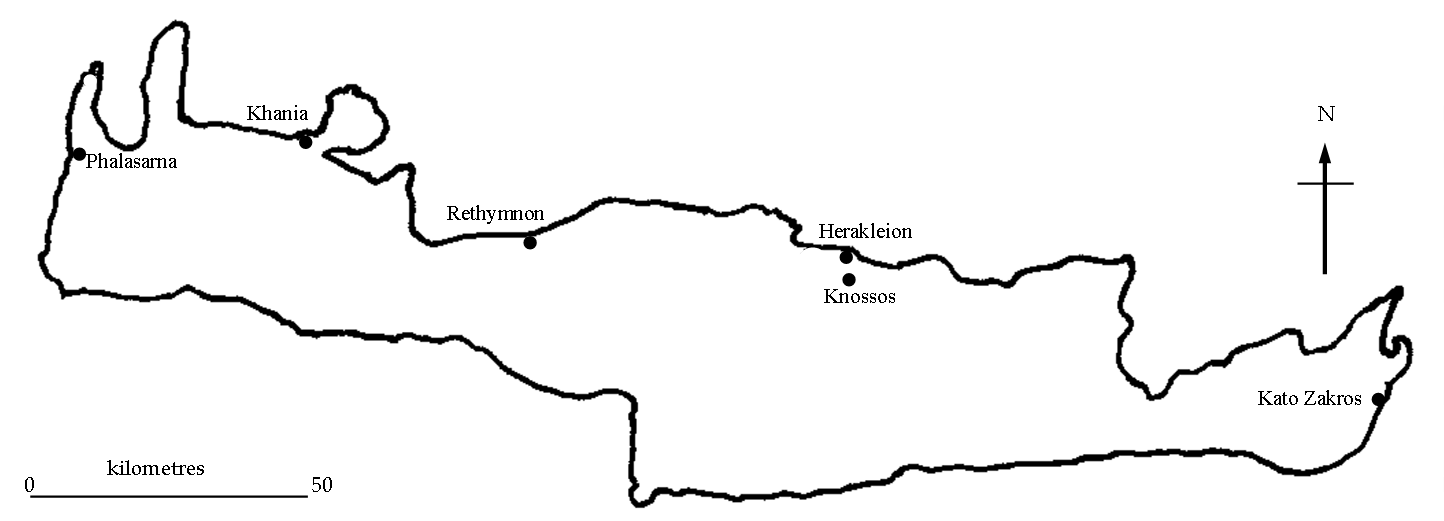
The submergence of the east coast can be seen today at the Minoan palace site of Kato Zakros – part of it is underwater even in mid-summer (pic below).

zakros

Kato Zakros (eastern Crete) flooded store rooms in July

However, the movements were not restricted just to the east and west tips of the island. Spratt observed that there was a maximum elevation of nearly 26 feet occurring on the south coast at the base of the White Mountains to the west of Sphakia, 17 feet to the extreme west of the island and declining to 6 or 7 feet along the north coast to Suda Bay.  He added that “all the ancient cities included in this line of coast have been affected by the elevation by the conversion of their ancient ports into dry land.”

At first, for some reason, he found this puzzling, not thinking until a little later, that the elevation must have “occurred subsequent to the existence of these cites” (all in the letter, Spratt to Lyell, letter, 29th February 1856)

map crete

Crete

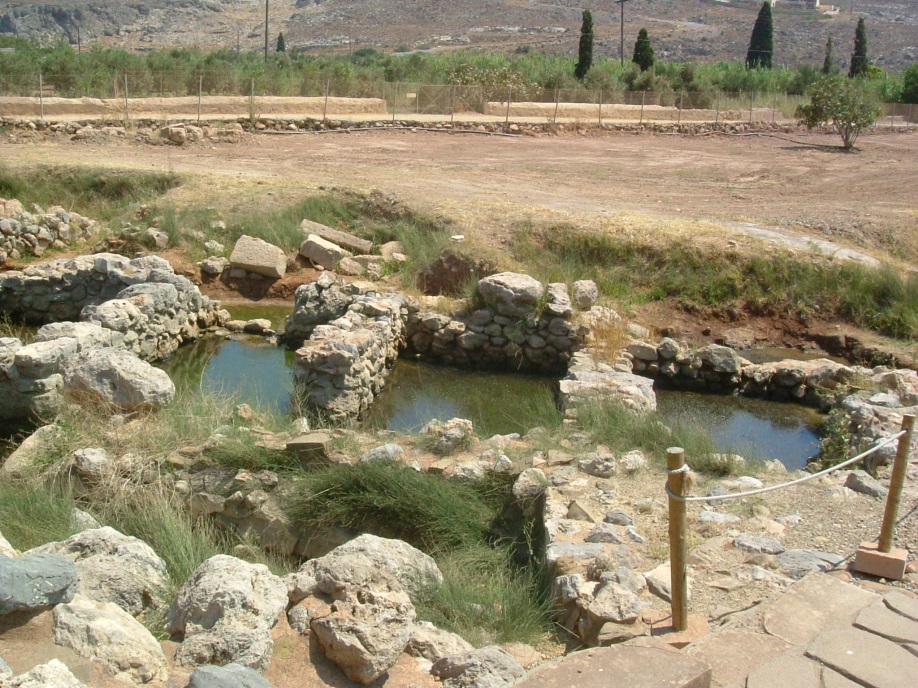
Spratt had discovered this movement when searching for evidence of the ancient port of Kutri at Phalasarna on the western end of Crete.  He noticed possible ancient activity, some distance from the sea and wrote to his friend (a seasoned traveller of the Greek mainland), William Leake:

“On going to Phalasarna I looked for its ancient port, mentioned by Scylax … but I could find no artificial work in the sea. There is however, a long ledge of rocks, or rather an islet which lies off it, helping to form a natural but not an artificial harbour. This satisfied me in part, till, on examining the ruins, I saw in the plain a square place enclosed by walls and towers, more massive and solid than those of the city … I was instantly impressed, for several, reasons, that here was the ancient port or artificial port, although full 200 yards from the sea and nearly 20 feet above it. My first idea was, that the ancients had a means of hauling their vessels into it as a dry dock; but at last the coast elevation was uncumbered(sic?) and on measuring the sea mark at its upper level here I found that the bed of this anc[ient] port is now 3 or 4 ft below that level.” (letter Spratt to Leake, letter, 18th September 1853).

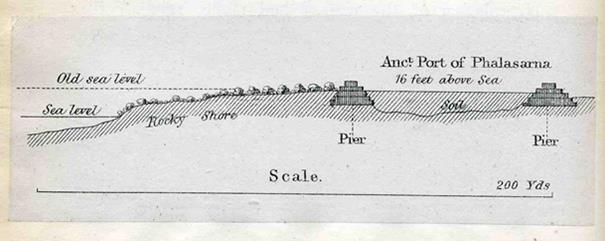
Then Spratt recalled a visit to the island of Cerigotto (Antikythera) where he had noticed an elevation of coastland and it occurred to him that the same may have taken place on Crete. He then measured the sea-marks at Phalasarna which convinced him that it had – the new sea marks were three feet below the old marks (plan below). This justified his theory that the inland “quadrangular space enclosed by the unusually massive Hellenic [Hellenistic] walls upon the plain in front of the chapel of Aghios Giorgis” was, indeed, the port.

Picture1

Spratt’s plan of the Phalasarna harbour with pre-5th century AD and 19th century AD sea levels

In his above letter to Leake, he originally dated this movement of the island to a date prior to history (that will be prior to Greek writing of 776 BC). but was unsure, suspecting a more recent date due to a possible change in the markings on the landscape – concluding with a period “subsequent therefore to the decline of the Roman Empire [5th century AD]”.  In his journal he dated it to the late Roman period. Indeed, the tectonic displacement has been dated to the 5th century AD.

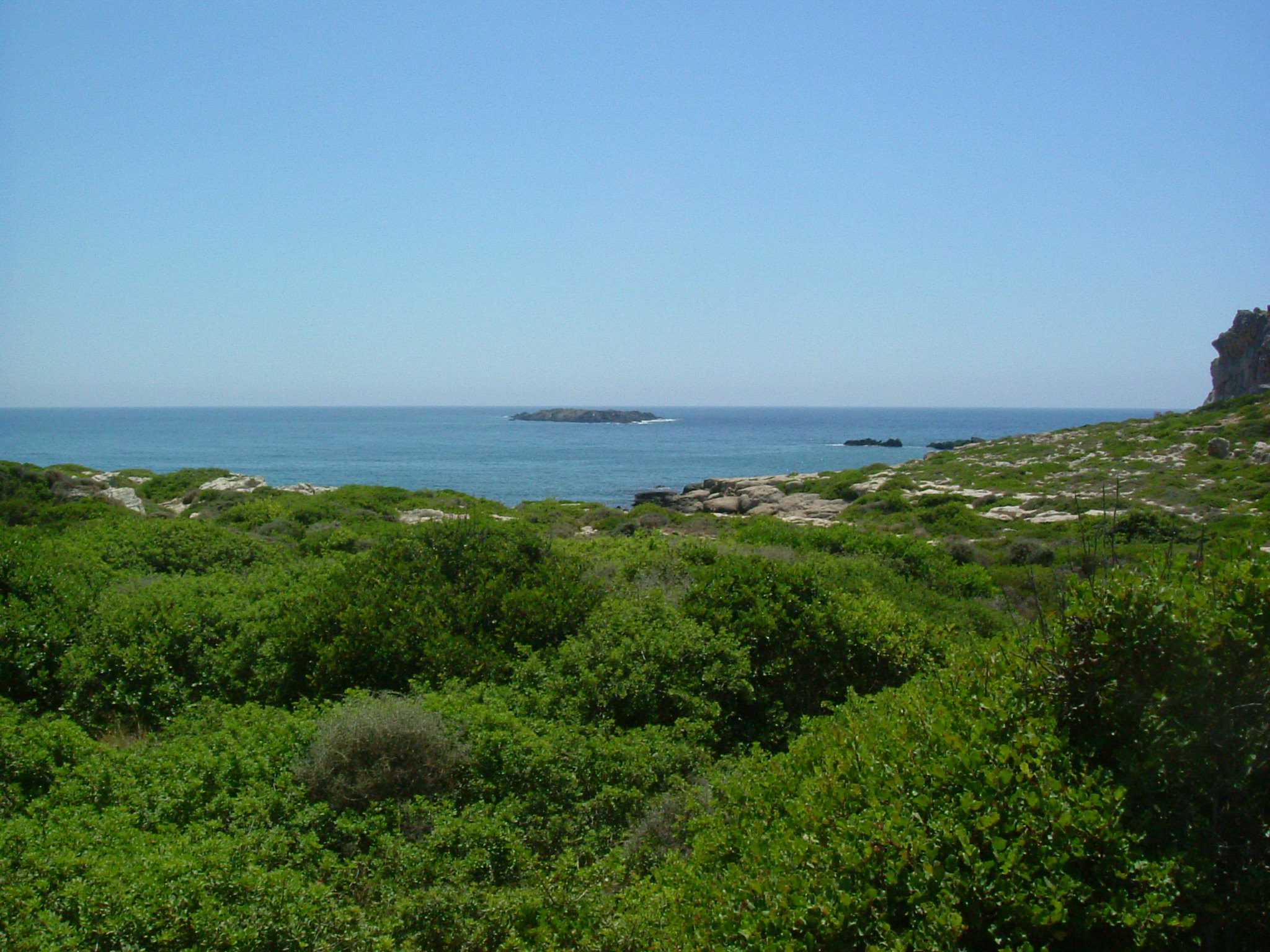
phalas

View to coast from the now ‘inland’ harbour at Phalasarna today

Crete being in an earthquake zone it is hardly surprising that it has moved about somewhat over the centuries, much to the initial confusion of earlier ‘investigators’ such as Spratt. But he was made of sterner stuff and was admirably able to resolve the inconsistencies before him.


Next week: Lets’s go to Mycenae


Artemus Smith’s Notebooks

I continue my research of the notebooks of Dr Artemus Smith, archaeologist of great courage, determination and fiction. Here is another extract:

Whilst travelling in Greece, I was invited to play cricket for the British School [of Archaeology] at Athens. My very good friend, Sir Mortimer Double-Dealer (a rival sportsman) needed to contact me and he telephoned the clubhouse where I was playing. He was told that I had just gone in to bat. “That’s all right,” he replied, ”I’ll hang on.”


AT


The Labyrinth of Crete

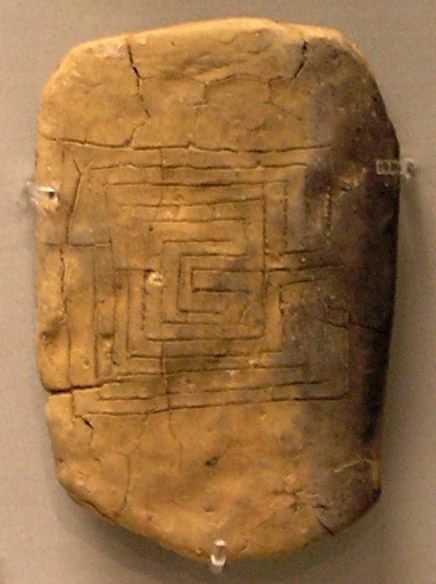
IN THE LAST BLOG I looked at the myth of Theseus, the Minotaur and the Labyrinth of Crete. If there was such a Labyrinth, where could it have been?  Its mythical position was Knossos and the finding of many basement rooms at the site by Sir Arthur Evans appeared to have been its origin. However, there is a collection of ‘underground’ passages or caves similar to a labyrinth cut into a hill near Gortyns in the Messara, south of Mount Ida, mid-Crete. This has been a ‘tourist spot’ for several centuries but up until relatively recently (pre-20th century). The labyrinth and its association with a maze held fast during the ancient Greek world and the earliest pictorial example of a maze appears on the reverse of a Linear B tablet (remember linear B? see a prev. blog) from 15th century BC Pylos, presumably a doodle by an idle scribe since the drawing has nothing to do with the list on the reverse (see pic below).

OLYMPUS DIGITAL CAMERA

Linear B tablet with labyrinth ‘doodle’

Several non-British individuals have visited the ‘caves’, including Buondelmonti (1415), Belon (1585), Tournefort (1700), Bonneval and Dumas (1783), Sieber (1817). They have all pondered on its use, the favourite being a quarry, although Tournefort considered there was no evidence for a quarry. Some have made plans of its intricate passages but all were different.

 British visitors

In 1596, Fynes Moryson visited the labyrinth and shortly afterwards, in 1611, George Sandys was there. He believed it was a quarry supplying stone for both Knossos and Gortyns.

IMG_1645

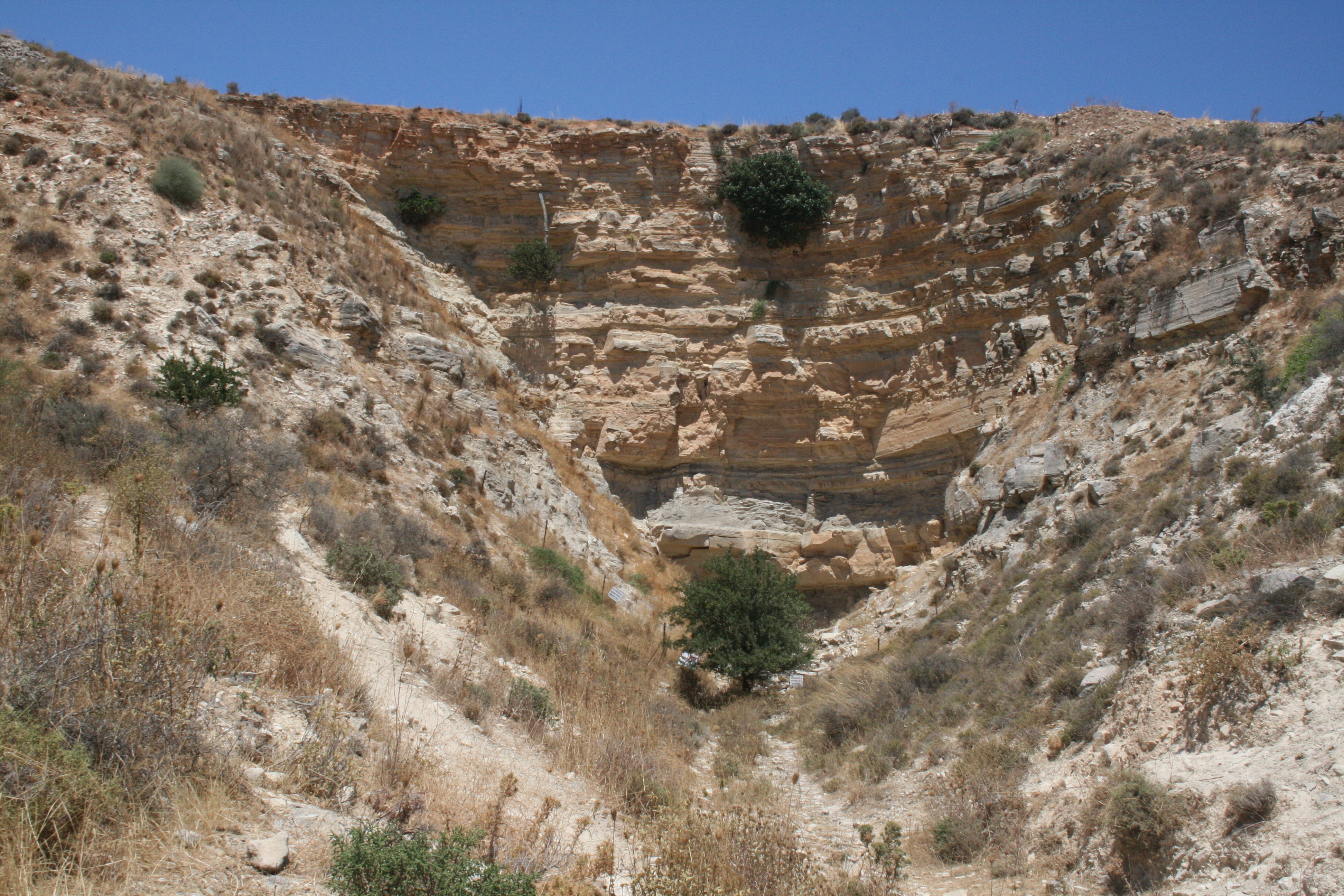
The entrance to the Gortyn’s labyrinth – in the ground by the tree – not that you will ever find it (the hillside that is)

At the beginning of the 17th century, the Scot William Lithgow (1582-c.1654) saw the entrance into ‘the labyrinth of Daedalus’ in the foothills of Mount Ida but did not venture into the cavern: “… I would gladly have better viewed, but because we had no candle-light we durst not enter, for there are many hollow places within it. So that if a man stumble or fall he can hardly be rescued.”

thom

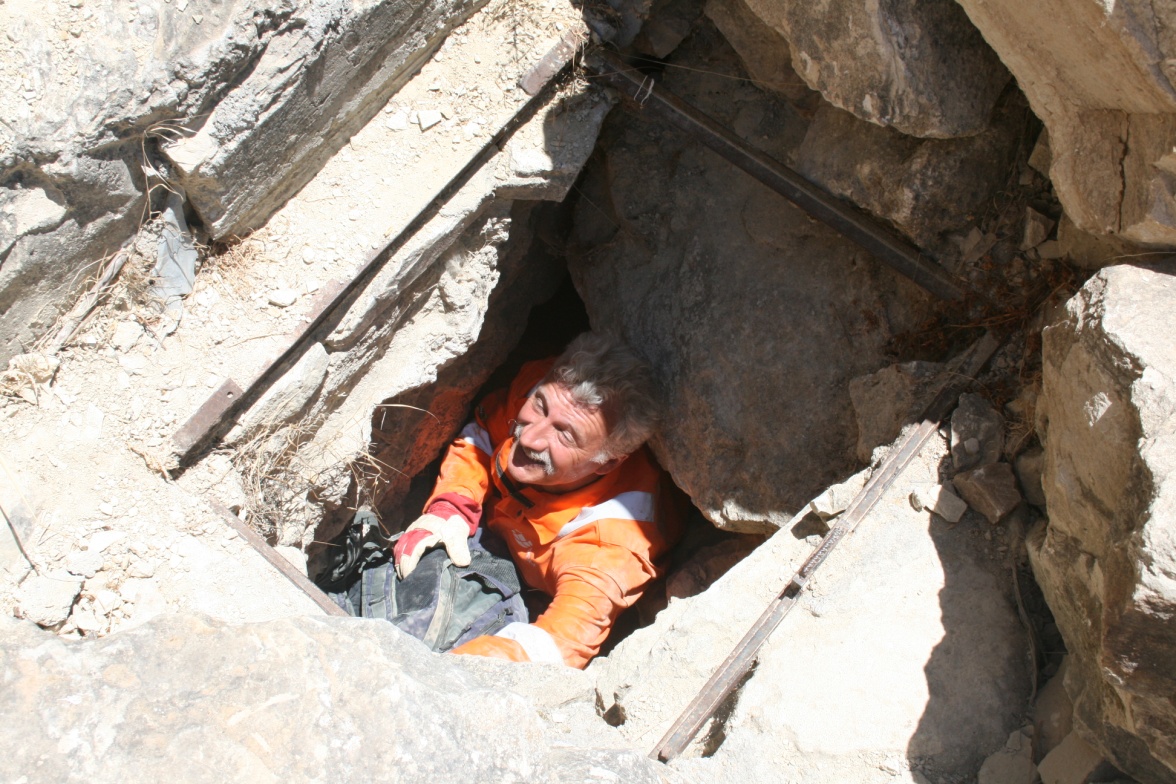
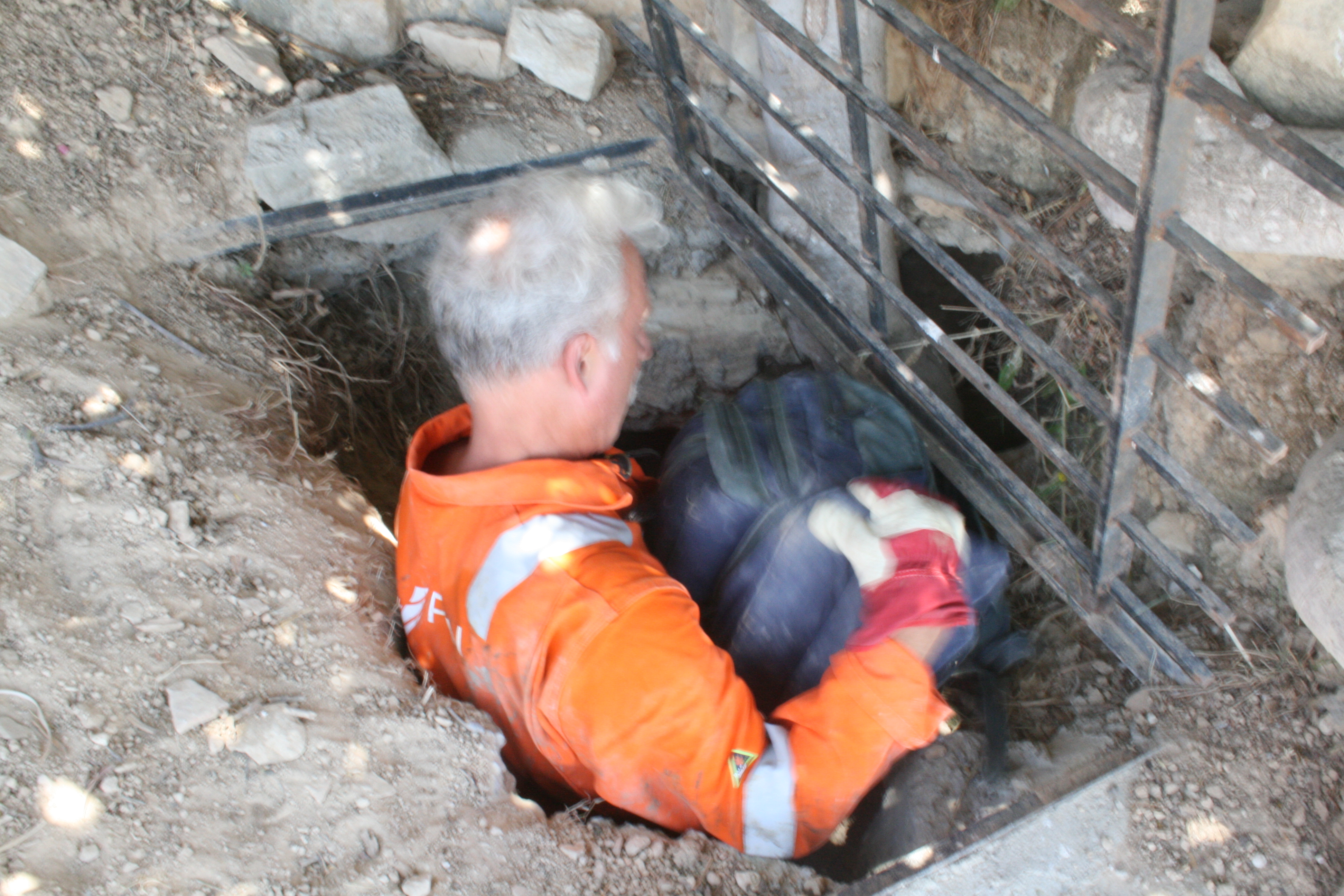
Thomas Waldman going into the SE ‘entrance’ of the labyrinth at Gortyns – he has a smile on his face because he knows I am to follow …

So what was this mass of passages at Gortyns actually built for? The most likely purpose was a quarry. But there have been other suggestions. Thomas Spratt (1843/51) speculated that it was more likely use was that of a prison for the youths of Athens as tributes for the death of Minos’ son. They would be detained and cultivated as teachers of Minos’ law to the inhabitants of Crete rather than food for the Minotaur (but he didn’t say when). He concluded that the myth had developed from that aspect of fact.

lab

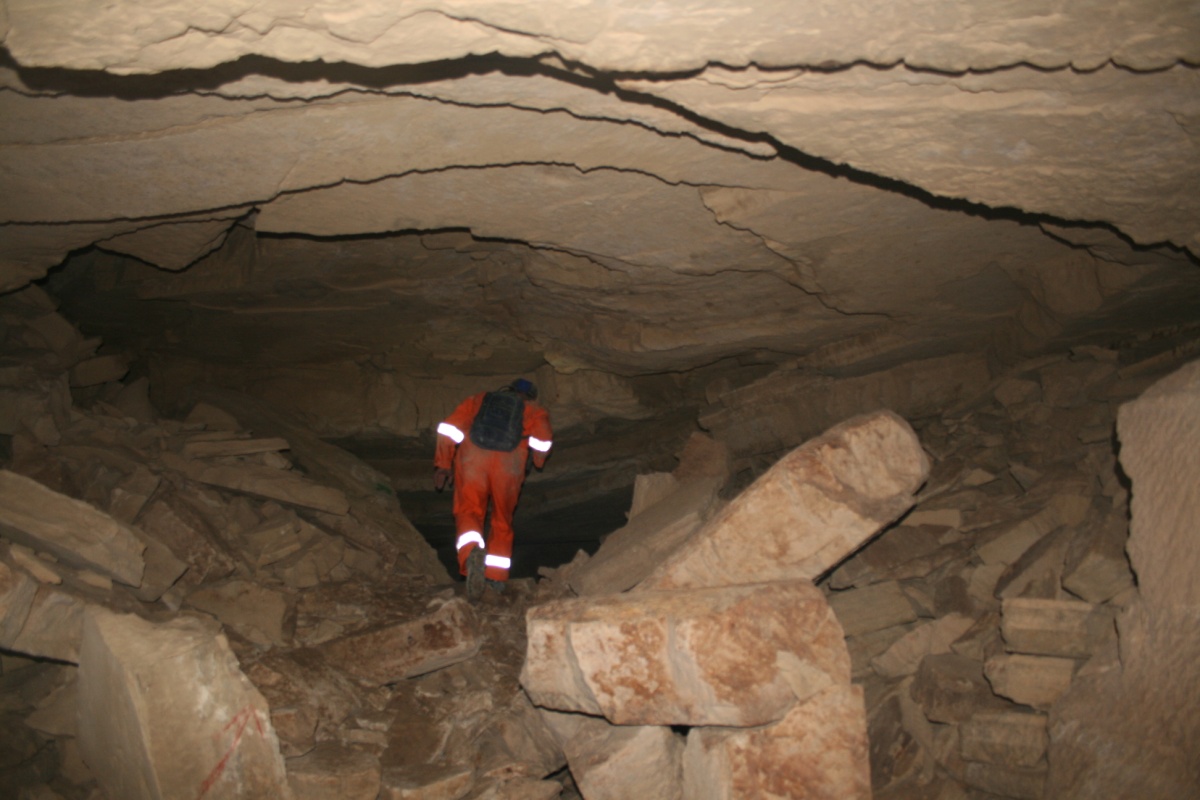
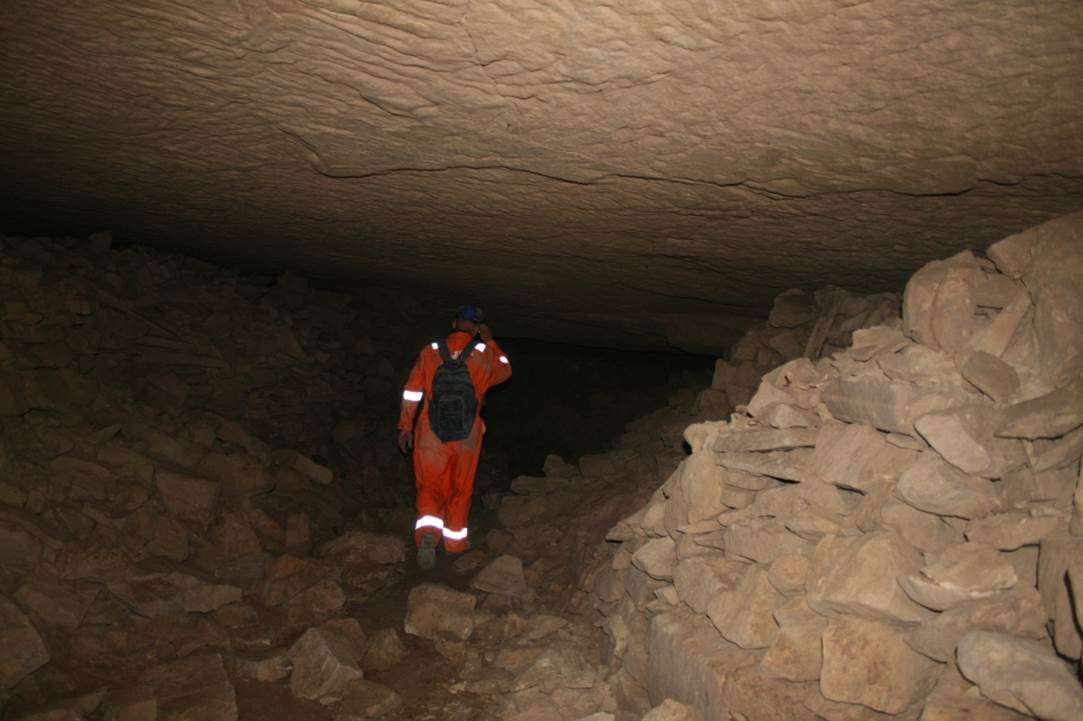
inside the Gortyns’ labyrinth – rather unstable roof!

At the end of the 19th century both Charles Edwardes and R.A.H. Bickford-Smith believed the labyrinth to be both a quarry and prison. Around the same time, Charles Cockerell dismissed it as a mine due to its insufficient mineral in the walls, but concluded that “this wonderful excavation was as a secure storehouse for corn and valuables from attack of robbers in the day of Minos.” In true Thesian style he said he “brought a quantity of string for a clue, which we rolled on two long sticks, then lit torches and went in.” He was quite descriptive of the interior:

“At first one enters a vestibule out of which lead several openings. Two of the three, perhaps four, dark entrances are blocked up, but one remains open. This we followed, and for three mortal hours and more we groped about among intricate passages and in spacious halls. The windings bewildered us at once, and my compass being broken I was quite ignorant as to where I was. The clearly intentional intricacy and apparently endless number of galleries impressed me with a sense of horror and fascination I cannot decide. Every few steps one rested, and had to turn to right or left, sometimes to choose one of three or four roads. What if one should lose the clue [the string]!”

Its date is uncertain although most likely to be of Roman origin which would put pay to any ideas that it was the labyrinth of King Minos (who, if he did exist, would have been in the Bronze Age c3000-1250 BC). For dating and use purposes it may be interesting to compare the structure with the Beer Quarry Caves in East Devon which date back to the Roman period in Britain (click here)

lab map

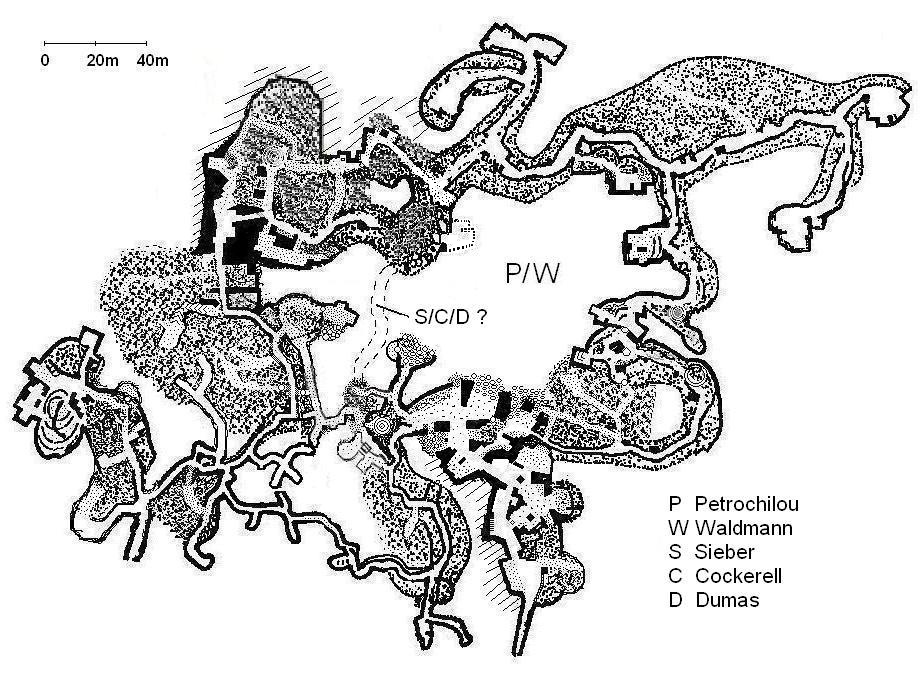
Thomas Waldman’s plan of the labyrinth (see link below)

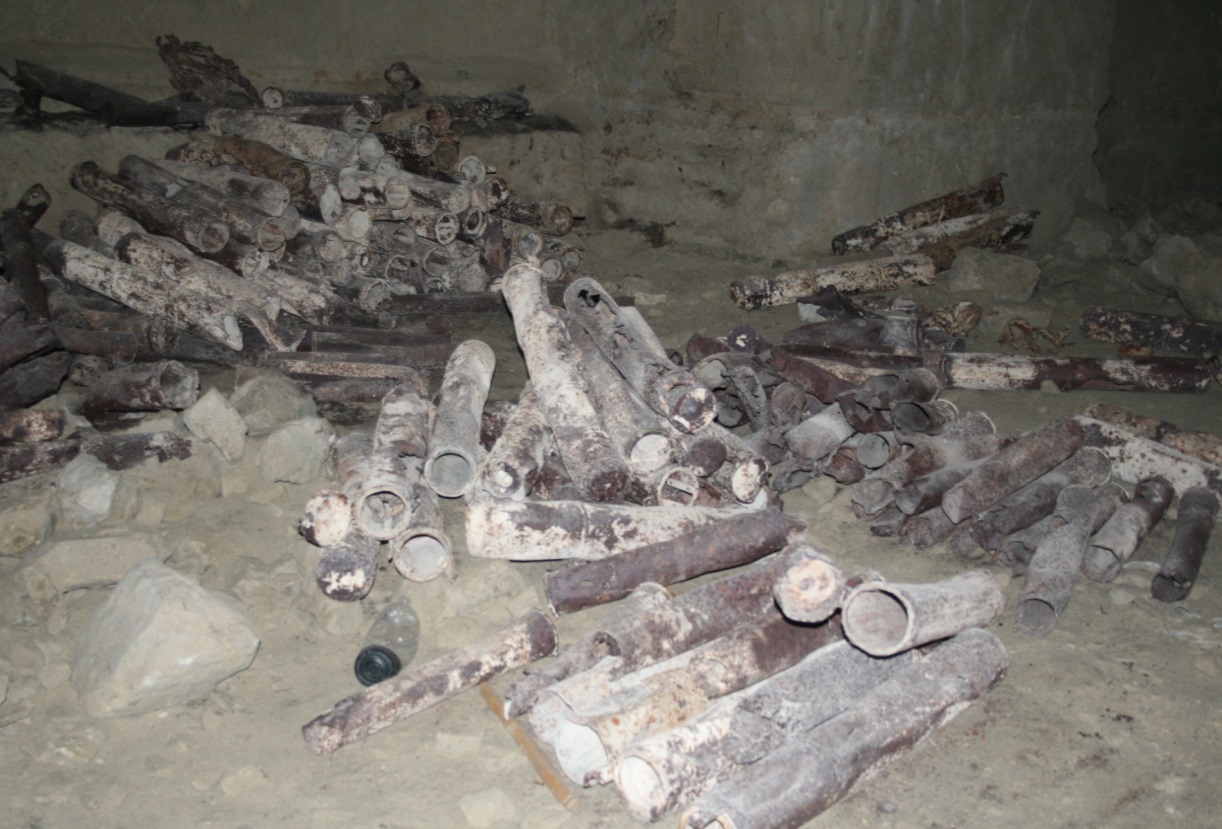
The cave structure is some 2.5 km in length and certainly of ‘labyrinthian’ style (see plan above). The southwest entrance was used by the previously mentioned travellers. However, during the last war, the Germans abandoned this and made the southeast entrance but it is now rather more of a pot-hole (3rd pic above). This entrance area was used for ammunition storage and, on their departure, the Germans blew it up, destabilizing the whole of the underground structure (my guide, Thomas, did not tell me this until we were inside the cave structure!). Shortly afterwards the Greek army built a tunnel into this entrance and removed some of remaining ammunition. Some shells were left and are still there today (see pic below), as are the labyrithian tunnels themselves (2nd pic above).

shells

 ammunition shells scattered in the labyrinth – not very safe!

Recent activity

The cave was explored by the Speleological Exploring Group in 1982, and then the Hellenic Speleological Society, led by Anna Petrohilou, in 1984.  In 1999 the Cretan department of the Hellenic Speleological Society recorded all the signatures on the walls of the cave. In 2004, following a major investigation of the underground structure at Gortyns, Yiorgios Patroudakis prudently commented:

“From ancient times until now, many guessed and argued the position of the labyrinth, but none ever proved his/her theory. The labyrinth of Gortyne became the biggest tourist scene for 600 years, exactly because it was assumed that it was the ‘true’ labyrinth. Furthermore, from our knowledge, a clue to prove that this was the labyrinth never appeared. However, a clue to prove the opposite never arose either.”


IMG_1637

SW entrance isn’t much better

Certainly the most comprehensive and more recent investigations of the site have been by Thomas M. Waldmann – to whom I owe eternal thanks for showing me around the site in 2010. It has now been closed to the public due to its dangers (but you won’t find it anyway!). However, if you are interested in more information on it, see Thomas’ very extensive findings and photos click here.


Next week: Crete: the island that tipped


Artemus Smith’s Notebooks

I continue my research of the notebooks of Dr Artemus Smith, archaeologist of great courage, determination and fiction. Here is another extract:

Today I gave a talk at my club, the ‘Wig & Trowel’, regarding my truly remarkable discovery in respect of the actual existence of Adam and possibly Eve.  I came across an inscription on clay tablet of a conversation between Adam and God, which I have translated as follows:

 ‘And the Lord did approach Adam and sayeth: “I’ll give you woman, and she will attend to your every need.”

“That sounds fantastic, God, what’s the catch?” sayeth Adam in response.

“Well, she will be expensive,” replieth God unto Adam, “she will cost you an arm and a leg,”

“Hmmm,” Adam did think and replieth unto God, “What have you got for a rib?”

 AT


Myth and the Minoans

King Minos and the Minotaur

THOMAS ABEL BRIMAGE SPRATT RN (see first blog on Crete) said of Crete, “A charming land without legend, some may feel, is like a bird of bright plumes without song.” Legend or myth would be used to explain the unexplainable but it might be said that anthropologists would now consider that myth holds some information relating to fact. To some extent such recognition owes its credence to the likes of Heinrich Schliemann with his discovery/publication of Troy and Mycenae (more on these later) giving a ‘ring of truth’ to the Homeric poems (on the Trojan War), and Sir Arthur Evans for the discovery/publication of the ‘Minoan civilization of King Minos’.

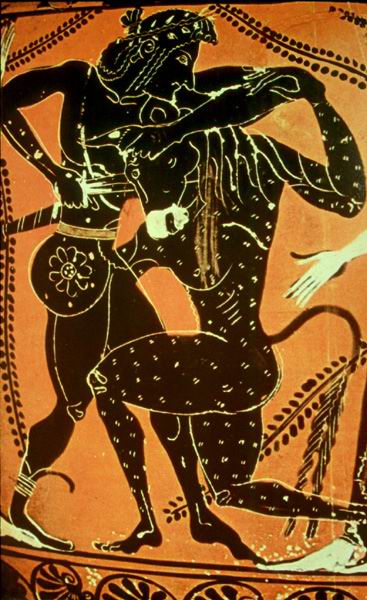
So was it King Minos who colonized Crete and built up a supreme navy (Minoan thalassocracy), clearing the Aegean of pirates? Well, we have no evidence to say he did, but we have no evidence to say that he didn’t. As the tale goes, he built a labyrinth (although labrys, in Greek, means double-axe, and labyinthos is house of the double-axe) and deposited in it the Minotaur. This creature had the head of a bull and the body of a man and was the off-spring of Minos’ wife’s dalliance with a bull (don’t ask). Minos’ wife was Pasiphae and a bit of a ….. well, lets leave it there. Each year seven girls and seven boys, on reaching maturity, were sent from Athens to Minos as ‘blood tributes’ (for the death of King Minos’ son, Androgeos, killed in Athens during the games) and they were thrown into the labyrinth to be savaged by the Minotaur. Seems a bit severe if you ask me. You get the impression that Minos was not the sort of bloke you argued with. Minoan Mafia.

labrnth gortyns

The ‘labyrinth’ at Gortyns in Crete (more on this next week)

Theseus, son of Aegeus (the King of Athens) volunteered to be one such sacrificial offering. But when he arrived, Minos’ daughter, Ariadne, fell in love with him (as girls do in myths), gave him a sword and some string to tie to the entrance to find his way out of the labyrinth. He duly slayed the Minotaur and escaped with Ariadne. And everyone lived happily ever after. Well, not quite.

Minotaur

Theseus killing the Minotaur (6th century BC pottery)

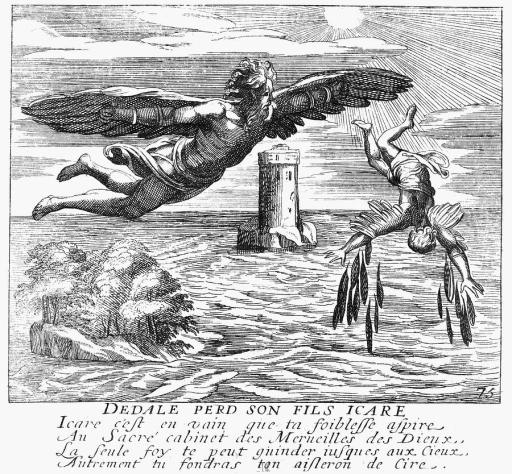
Daedalus, the architect who built the labyrinth and had given Ariadne the idea of the string, was in trouble with Minos. So he (Daedalus), and his son, Icarus (or Ikarus if you want to be Greek about it), escaped by making wings of feathers stuck together with wax. Unfortunately, contrary to his father advice, Icarus flew to close to the sun; his wax melted and he fell to his death. No surprises there. Daedalus did get away but Minos pursued him. He found him by setting a task for whoever he visited, believing only Daedalus would resolve it. He produced a shell and challenged anyone to work out how to get a spider through the middle of it. On arriving at Kamikos in Sicily, where Daedalus was hiding, the shell was given to the architect, who threaded a piece of cotton through a hole in the centre of the shell and covered it in honey – off went the spider through the hole. Oops, Daedalus had given himself away and must be doooooomed. But no. The daughters of the King Kokalos favoured Daedalus and his tricks and so killed Minos by pouring boiling water over him whilst he was in his bath. Nasty (‘don’t mess with the female of the species’ comes to mind). Then everyone lived happily ever after. Well, not quite.

daedalus-and-icarus

no need to translate – you get the idea

Theseus sailed home to Athens but unceremoniously dumped Ariadne off at Naxos, an island just north of Crete. There’s gratitude for you. She overcame her grief and took up with the god, Dionysus (some tales say she was already married to him before meeting Theseus but that would be naughty). On approaching Athens Theseus forgot to change his sail from black to white – the sign to his father, King Aegeus, that he had lived. His father, seeing the black sail, assumed his son had died and threw himself off a cliff into the Aegean Sea (hence its name, clever, huh?). There is a moral here somewhere (probably ‘don’t mess with the female of the species’). Then everyone lived happily ever after. Well, if by ‘everyone’ we mean Theseus as he was the only one left, the answer is no, he was later thrown off a cliff in Skyros by Lycomedes. Ho hum.

So there you have it. Or not.


Next week: The real ‘labyrinth’ of Crete


Artemus Smith’s Notebooks

I continue my research of the notebooks of Dr Artemus Smith, archaeologist of great courage, determination and fiction. Here is another extract:

I recall as a student I had again failed to complete my tutorial topic for discussion. I thought that maybe if I acted strangely my tutor would send me home. So I hung upside down on the ceiling. On this occasion, there were two of us in the tutorial and my colleague, Edward, asked me what I was doing? I told him that I was pretending to be a light bulb so that the tutor would think I was losing my mind due to working too hard and suggest I go home for a rest.

A few minutes later the tutor came into the room and asked, “What are you doing Smith?”

I told him I was a light bulb.

He said, “You’re working too hard – go home and rest.”

I jumped down and walked out of the room suitably relieved.

When Edward followed me, I heard our tutor ask him, “And where are you going?”

He replied, “I can’t stay here in the dark.”


AT


Bronze Age Crete: the Minoans

Chronology of Bronze Age Crete (3000-1450 BC)

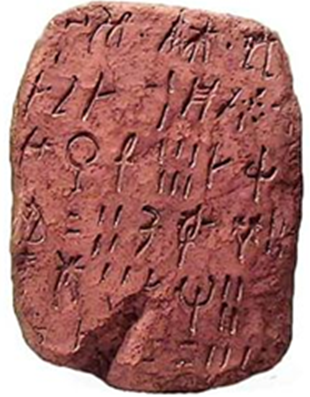
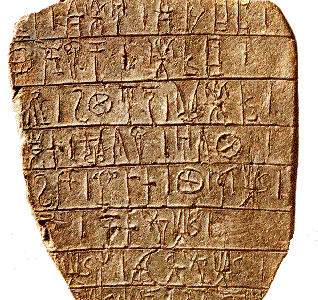
UNLIKE the Egyptians, the Babylonians and the Hittites, the Cretans of the second millennium BC left little written history. What they did leave were inscriptions on clay which have become known as Linear A and Linear B. Linear A is as yet undeciphered, but probably developed from Cretan hieroglyphics (c.1900-1600 BC) and is possibly a form of the Cretan/Minoan language, from which Linear B most likely evolved. Linear B was deciphered by Michael Ventris in 1952 as an early form of ancient Greek and of Mycenaean origin (Mycenae is on the mainland of Greece) rather than Minoan. It does not help a great deal with the historical background of Crete as it is administrative by nature but it does give an insight into the island’s commercial activities. Sort of annual accounts. Okay, better than nothing. But it can lead to some ambiguous (well, unproven) conclusions on Minoan life. But it’s fun to guess.

image001                              linear-B

Minoan Linear A                                                                           Mycenaean (Greek) Linear B

We’re not sure what the ancient Cretans were called in the Bronze Age, although it appears they may have been known as the ‘Kleftiu’ by the Egyptians. ‘Minoan’ Crete was a name given to the ancient islanders by Sir Arthur Evans simply based on the myth of their ancestor and founder, King Minos (more on him next week). Evans said, “To this early civilization of Crete as a whole I have proposed – and the suggestion has been generally adopted by the archaeologists of this and other countries – to apply the name ‘Minoan’.” In fact, he wasn’t the first to come up with the name but we won’t go there.

 sir-arthur-evans-at-knossos-in-l907[1]

Arthur Evans at Knossos (painting from the Ashmolean Museum, Oxford – the museum is well worth a visit for a ‘taste’ of the Minoan world)

It was Evans who first used the pottery styles found at Knossos to divide the Minoan civilization into three phases: Early, Middle and Late Minoan (EM, MM, LM respectively). The phases run nearly parallel to the tripartite division of Egyptian history into Old, Middle and New Kingdoms from 3000-1100BC. This does make it simpler ….. honest.

The basic tripartite scheme was further subdivided, based on pottery styles and stratigraphy, such that each of the three periods contained three or more divisions (EM I, II, III). These were then further subdivided into units indicated by letters of the alphabet (for example, LM IB). As additional excavations and studies have been undertaken this system has come under criticism for being too inflexible and partly inaccurate. But we won’t dwell on this.

evans

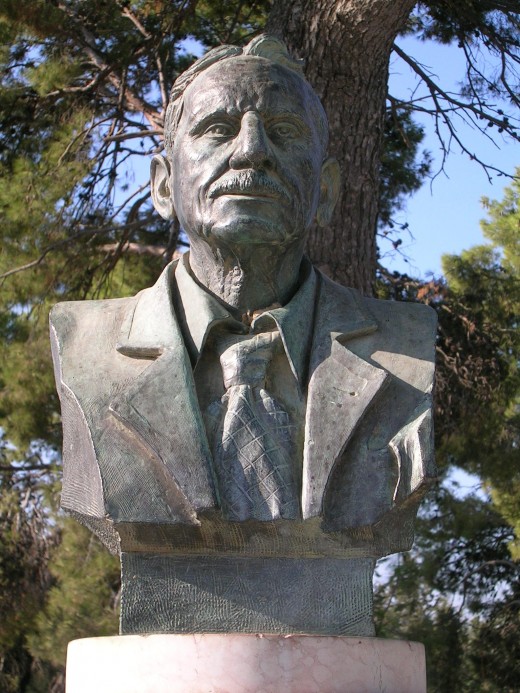
Sir Arthur Evans immortalized at Knossos (and rightly so)

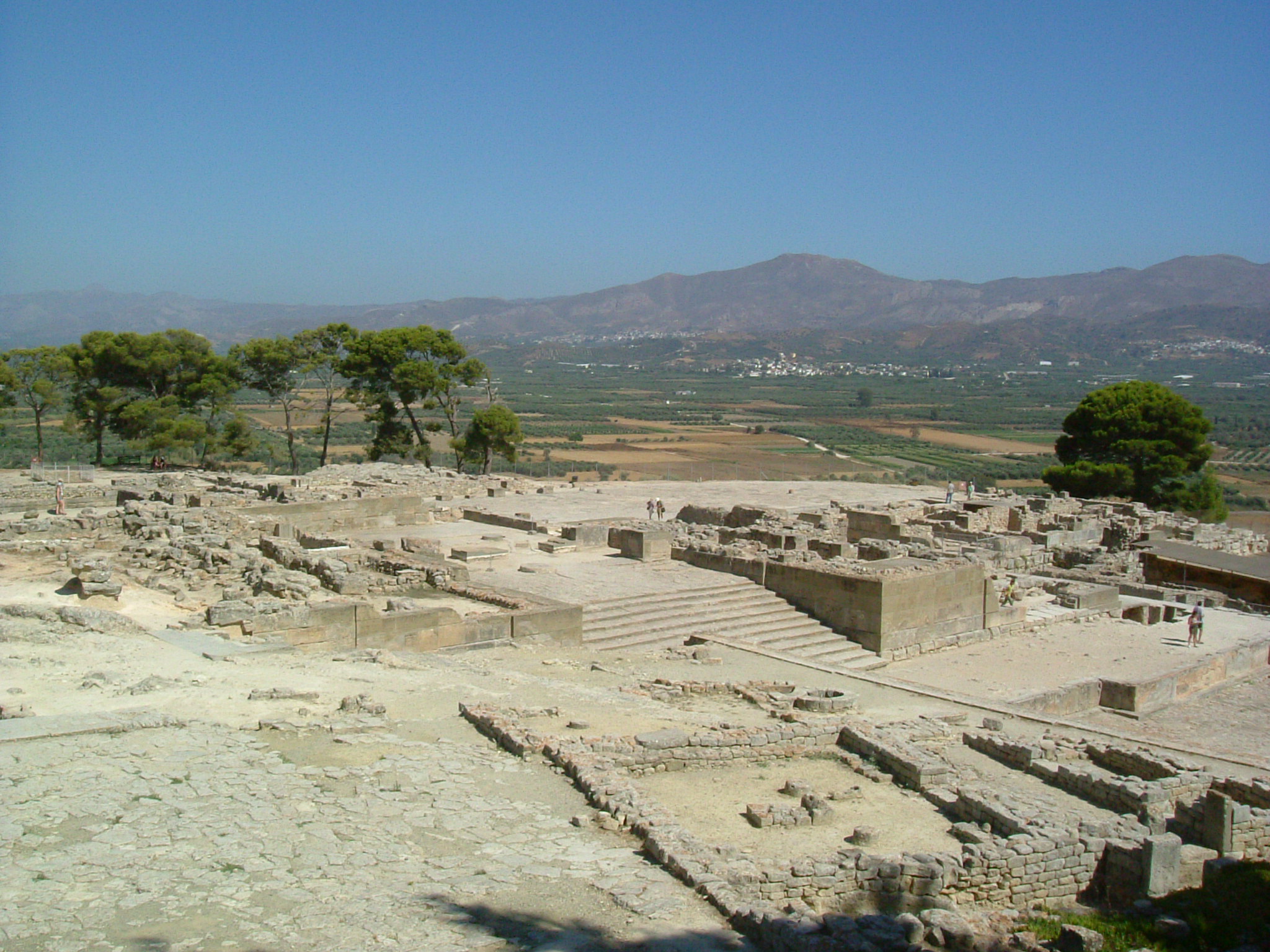
Chronology identity was not all Arthur Evans did. He made some groundbreaking discoveries on the Minoan civilization as a result of his excavations at the ‘palace’ site of Knossos, funded by his own wealth. However, he proceeded to reconstruct the palace using his own imagination of how it may have looked. This was partly for his own interest and partly for conservation purposes. This has proven somewhat controversial as, of course, it may be inaccurate. Also it has restricted further excavations at the site. But there are those who like it as it gives the site some perspective. You can make your own mind on that if you have been there or ever go there. Compare it with the non-reconstructed sites of Malia and Phaistos. Anyway, I digress.

Emergence of ‘palaces’

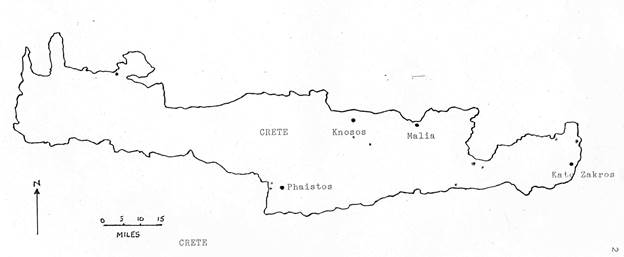
The Middle Minoan (MM) civilization has become known as a highly developed hierarchical society culminating in ‘palace’ buildings. But how did this come about? What must first be considered is what is meant by the word ‘palace’ in relation to the Middle and Late Minoan periods of Crete. A modern-day understanding of the word is a large and impressive residential building for a wealthy royal family. Minoan ‘palaces’ were certainly large and for the wealthy, but not necessarily for royalty, as it is not known who lived in them other than that they must have had some authority. They may have been Priests – or Priestesses – or Priest Kings if the ‘palaces’ were of a religious nature (they appear to have been involved in cult practices).  However, for convenience sake these Minoan buildings will be referred to as ‘palaces’ as their architectural design warrants the word. So there. The main palace sites (in descending order of size) were Knossos, Phaistos, Malia and Kato Zakros. Also, recent discoveries at Galatas, and possible Petras, indicate smaller palatial residences. Of course, there are possibly more, as yet, undiscovered.

 image001

Minoan ‘palace’ sites on Crete

The old palaces of the proto-palatial period (c.1900-1700/1650BC) may have incorporated nearly all the basic features and infra-structures of the new palaces of the neo-palatial period (1700/1650-1450BC). These ‘features’ being a central court, west court, storage magazines, residential quarters, banquet hall, public/administrative apartments, cult rooms, theatral area and workshops. It is difficult to be certain due to the destruction of most the old palaces to make way for the new. Little of the old sites remain in evidence other than the foundation to the west façade of Phaistos, as here the new palace was not built immediately above it. After the destruction of the old palaces the neo-palatial sites, particularly at Knossos, Phaistos and Malia, were all enlarged with grander and more imposing styles.

The building of palaces required large surpluses of wealth, and it is this emergence of wealth that must account for the emergence of palaces. ‘Wealth’ may be defined as possession of goods for their desirability and not for their usefulness. For example, gold is desirable but not always of great use compared with practical or domestic items of bronze or ceramics. Okay, it’s otherwise known as ‘greed’.

IMG_2043

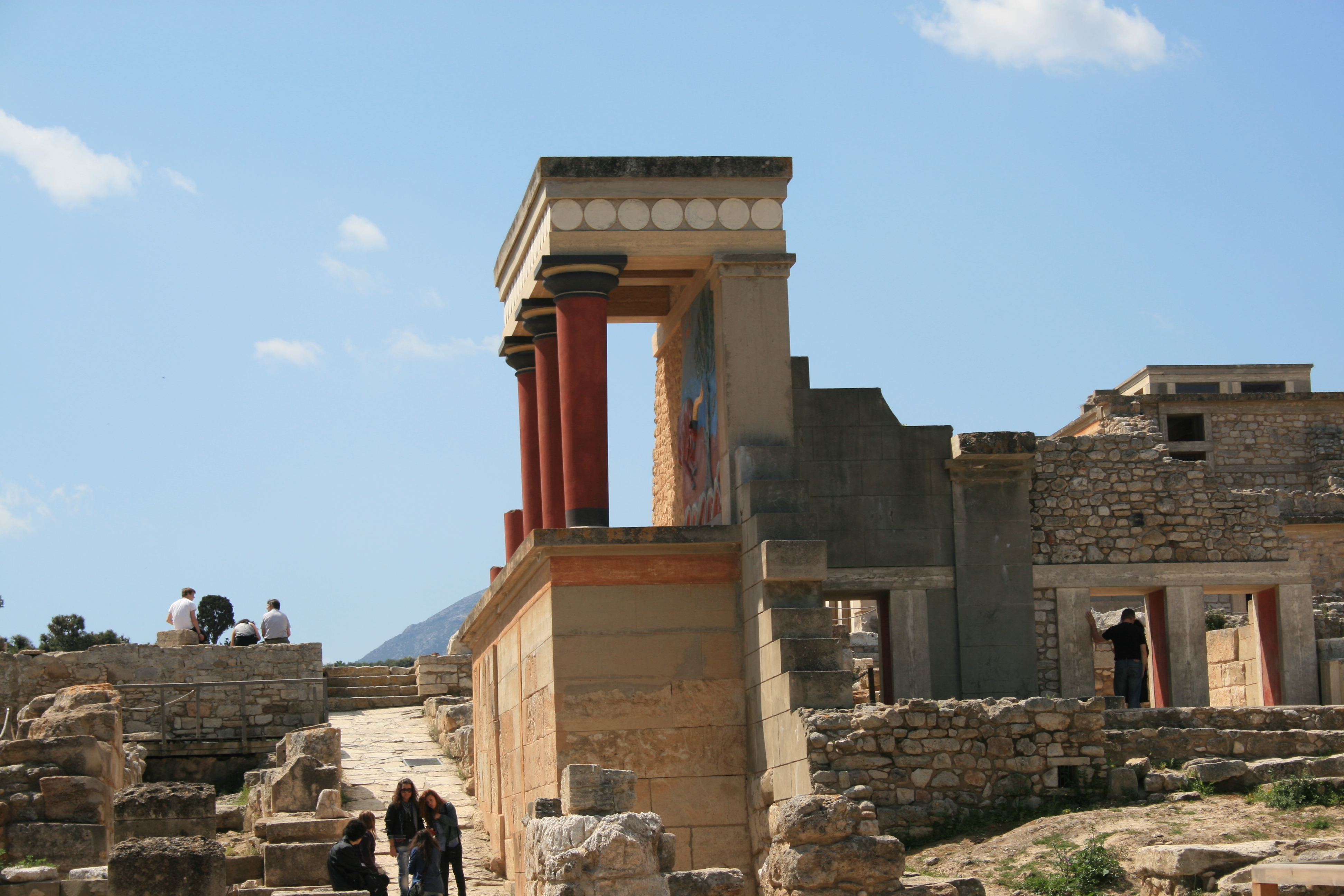
North entrance to the ‘palace’ of Knossos … er, well, not exactly 3000 years old, but about 100 years old as this was the reconstruction by Sir Arthur Evans – so it may not have look anything like this (useful, huh?)

But how was this wealth obtained? When land no longer becomes readily available to all due to an increase in population, inequalities develop and those with no land become labourers. This leads to the possibility of the beginning of a hierarchy. As time goes on, specific individuals who are able to best exploit the ‘inequalities’ become the elite. These elite ‘families’ then compete within themselves for power and one way to exercise power is to display wealth by way of hospitality through dinner parties or gift-giving (xenia). So the elite needed investment and this leads to a revolution in agricultural products, centralization, movement of surplus, redistribution, rapid population growth and a more organized/controlled settlement. Otherwise known as ‘power’. You know the feeling …..

Knossos_ThroneRoom3

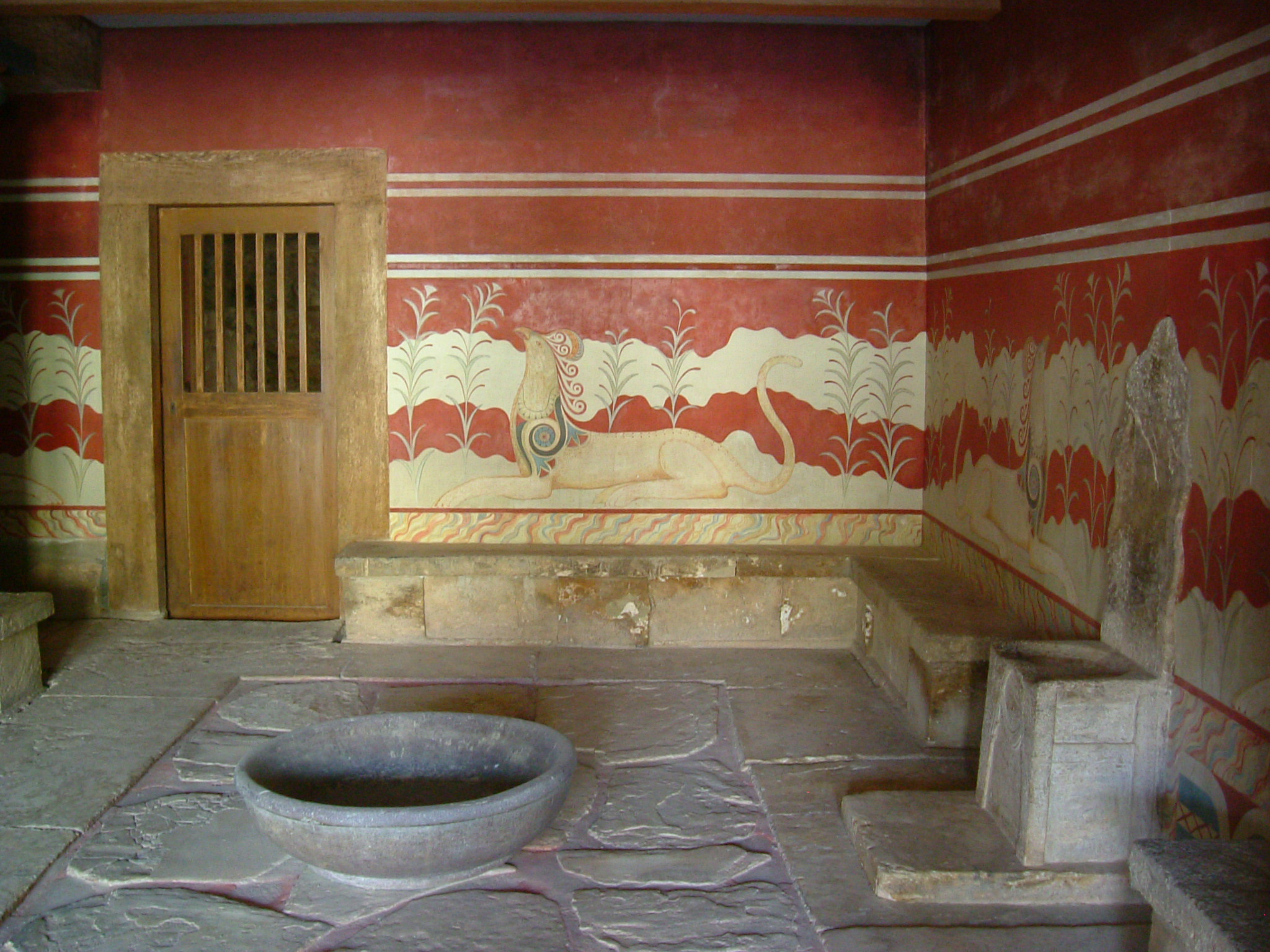
Here’s the throne room at Knossos, created …… er, 100 years ago by Arthur Evans

throne rm

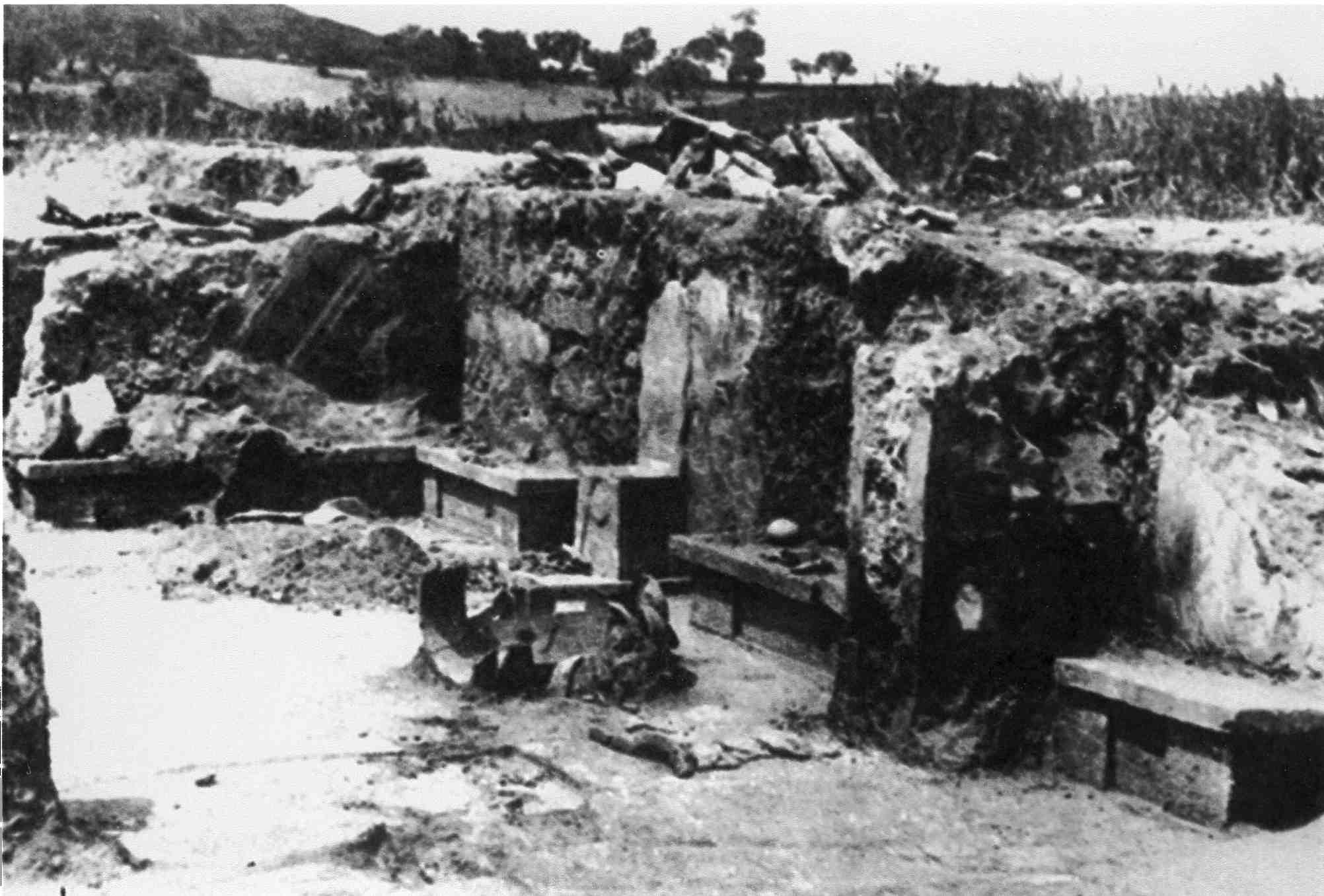
Here’s the 3000 year old throne room at Knossos as Evans found it 100 years ago (1900 actually) – the throne and benches were there but that’s about it

Initially farmers only needed to grow only enough to keep the immediate family alive from year to year which may assume some surplus to ensure survival. Also the family produced domestic goods such as pots and utensils for their own use and essential to their own needs. This would extend to less domesticated luxury goods. As farms increased in size, both in acreage and population, so too did the community, and distribution of excess produce and luxury goods led to wealth. Yummy.

Malia_CentralCourt_03

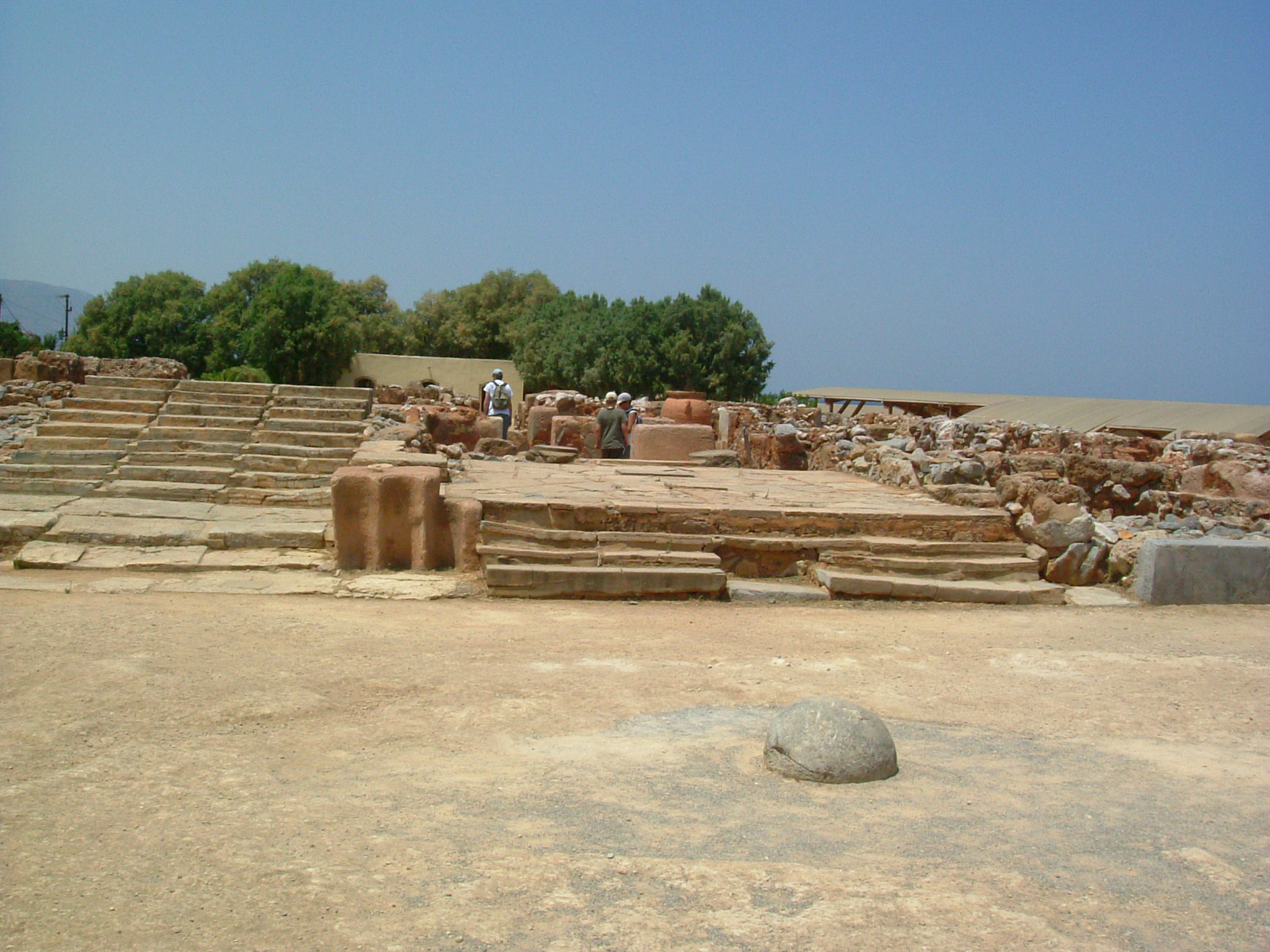
The possible ‘throne room’ (or area as ‘el fresco’) at Malia from the central court – this is something like Knossos may have looked like if Evans hadn’t reconstructed some of it (ignore the object centre/right foreground – it’s a cannon ball but Venetian, not Minoan!)

Due to its position in the Mediterranean, Crete would have had some contact with overseas travellers from the surrounding continents, Asia, Africa and Europe, and there is evidence of trade connections with these regions. There must be a close link between social and commercial progress: trade in various products with other countries brought in new ideas which led to more trade, both within Crete and outside, which led to an increase in wealth for the traders. The finding of sealstones (mostly by Evans) on some sites indicated movement and identification of goods, which required development of administration in a land becoming more organized (Linear A – pay attention: see above). Such development would require employment of labourers and craftsmen to keep up with the volume of demand. Larger houses would have been built to accommodate the wealthy. Get it?

Festos_ViewEastJPG

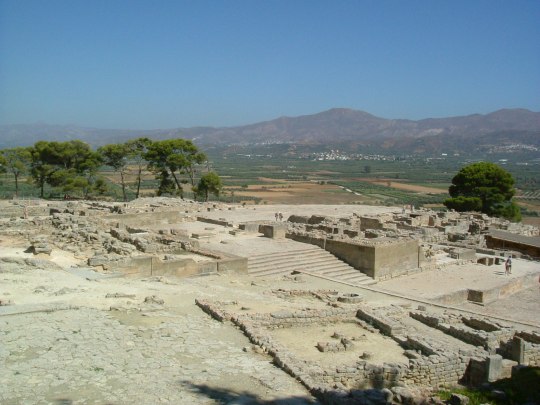
The palace site of Phaistos (central court in far background) – also without Arthur Evans reconstructions

Destruction and coming of the Mycenaeans

It is not known for certain what caused the demise of the Minoan civilization. One suggestion was a tsunami from the Theran volcanic eruption but the dating doesn’t match; another is earthquake but the island has survived those before. All that is known is that around 1450BC a disaster struck the island of Crete and its civilization came to an end and the Mycenaeans from the Argolid of the eastern Peloponnese on mainland ‘Greece’ appeared to have taken control of Knossos (possibly taking advantage of earthquake-weakened Minoan defences). Whether the Mycenaeans were a part of this destruction is not clear but they may well have been covetous of the Minoan wealth and trade links. Makes sense.

 gaklats

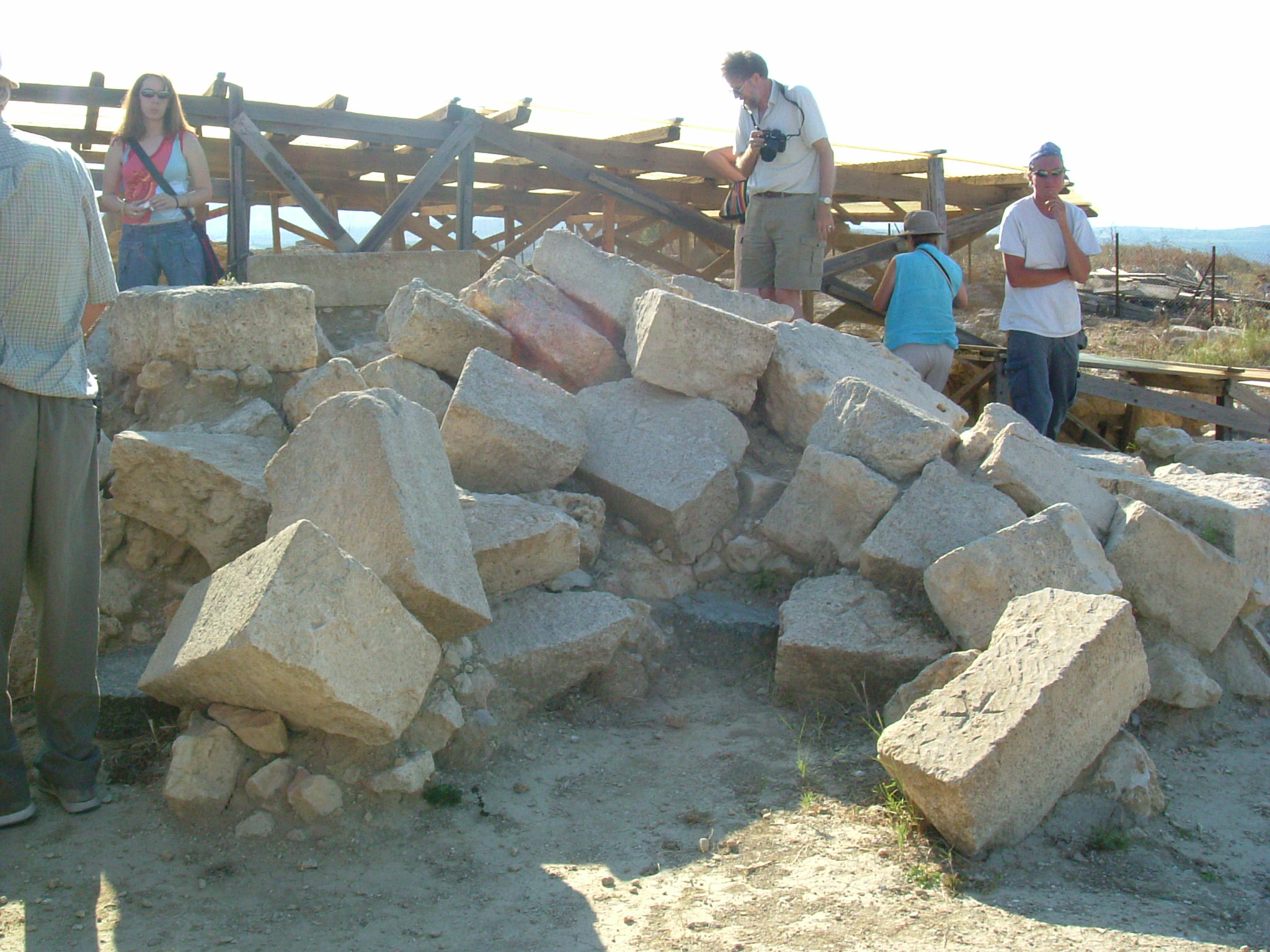
Earthquake damage at the small palace site of Galatas

The Mycenaeans remained in Knossos for around 200 years before another unknown disaster brought an end to the island’s civilized world. But more on the Mycenaeans another day.

For more info on various Minoan sites in Crete click here


Next week: The Minoans and mythology


ASIDE

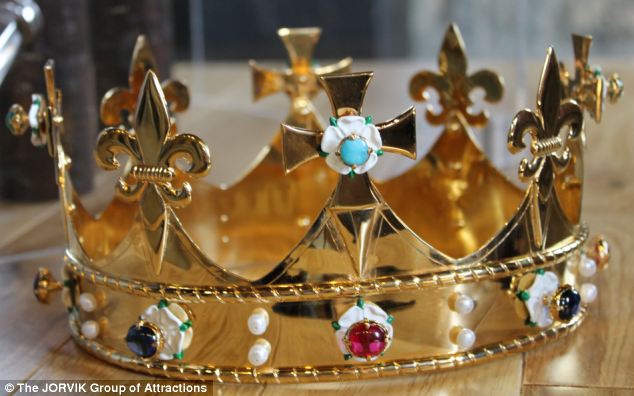
I see that the Plantagenet Alliance has had the same result as Richard III did at Bosworth – failure. At the Judicial Review hearing the High Court decided that it was not necessary for consultation with ‘other parties’ about the reburial of Dick’s bones. One of the judges, Lord Justice Ouseley, remarked: “Richard III would have raised an eyebrow if he’d been told there would be public consultation on his reburial 500 years on. Kings of that era weren’t democrats.”  Humour from a judge? … or cynicism for the whole lengthy process … or just stating a fact?. So Leicester Cathedral it is. A 15th century-style gold-plated crown has even been commissioned by the historian, Dr John Ashdown-Hill, for the funeral ceremony. Nice touch but merely ‘gold-plated’? – it is hardly befitting a monarch! Anyway, it is/was being displayed in York just to show its connection has not been forgotten before going ‘on tour’ around the UK.

crown

Richard III’s gold-plated funeral Crown


Artemus Smith’s Notebooks

I continue my research of the notebooks of Dr Artemus Smith, archaeologist of great courage, determination and fiction. Here is another extract:

I met my good friend Jasper Rochweiller yesterday and he said to me:

“I say Artemus, old boy, close shave the other day. My good lady sent me out to purchase a bag of fresh snails from our local delicatessen. She was determined to expand our culinary delights. Well, I bought the bag of snails but on the way back I meet some of my students who insisted I went for drink with them. Rude to say no and one, of course, lead to another, and so it went on for over two hours. Got back home a little worse for wear. As I put my key in the door the bottom fell out of the bag containing the snails – it had been sitting on a beer covered table and got rather wet – and all the snails fell to the ground. At the very same time the good lady opened a window and asked me in no uncertain manner where the devil I had been all this time.

Ignoring her, I looked down at the snails on the ground and said in very loud voice, “Nearly home boys.””


AT

Travels in Crete 1: Mochlos

LET ME tell you about CRETE. It’s a paradise island and the Cretans are wonderful people (well, most of them ….).

Sarah and I began our adventures in Crete in 2001 in search of the archaeology of the Bronze Age of the Minoans (c.3000-1100BC – I’ll tell you about them next time). Sarah had dragged me ‘shouting and screaming’ (maybe a slight exaggeration) into archaeology when she came home one Friday evening and, over a glass of wine or two, asked me if I wanted to learn about archaeology (she had studied it at university in the 1980s and wanted to start up again). Anyway, I said I might be and she replied, “Good, because I have booked us both into a course on ‘Practical Archaeology’ at Sussex University starting on Monday”…….. the rest, they say, is history – well, ancient history, actually.

CSC_0019

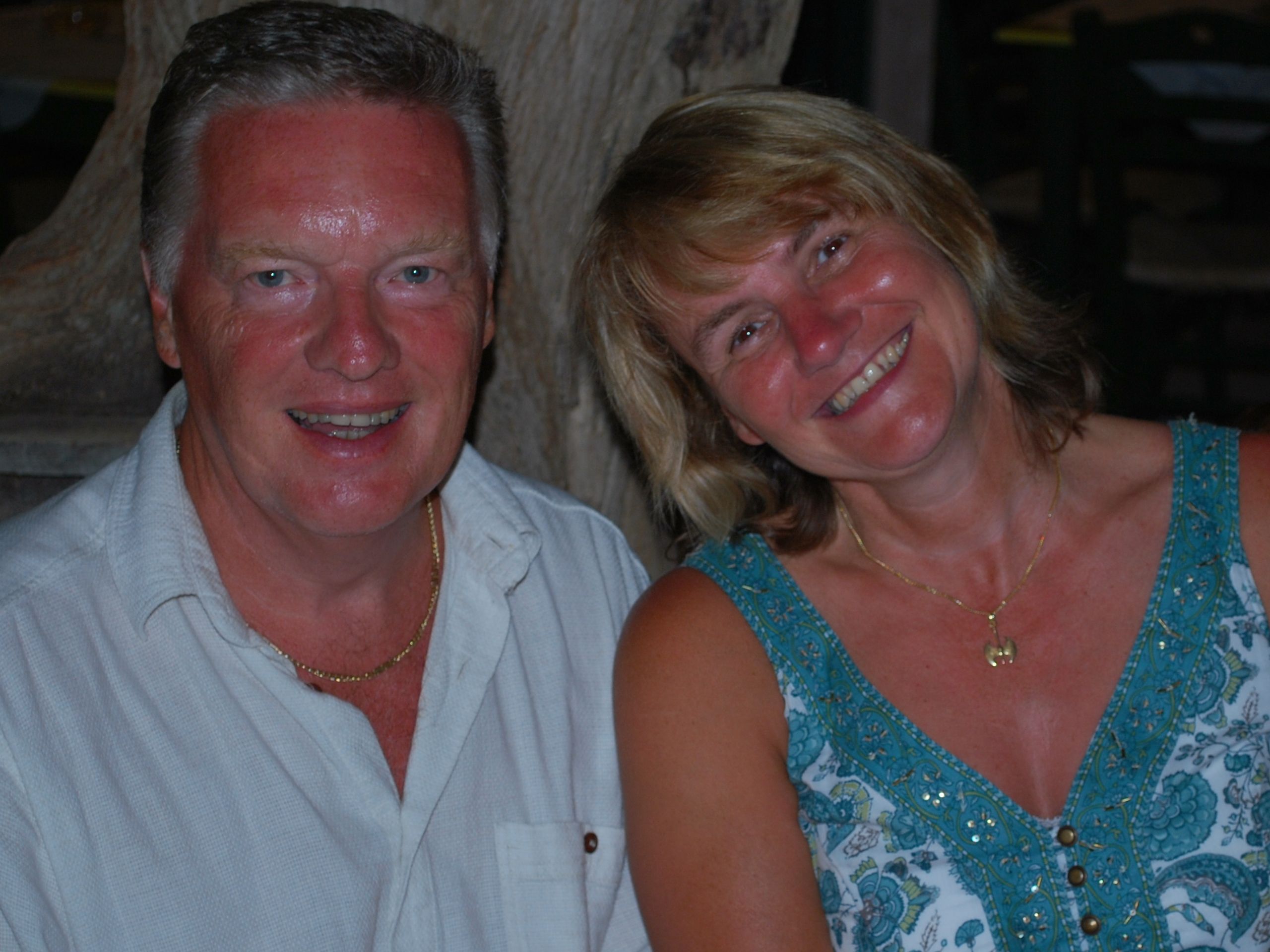
myself and Sarah always smiling in Crete!

We have been visiting Crete almost each year ever since 2001, and in 2005 I began researching early British travellers to the island, particularly Richard Pococke (18th century cleric), Robert Pashley (19th century barrister) and, my favourite, Thomas Abel Brimage Spratt (19th century Royal Naval officer – with a great name!). My plan was to try to establish what, if anything, they may have discovered of the Bronze Age during their visits. Sarah and I spent five summers following these three guys footsteps around the island using their published journals. It was awful work, you understand ….. !! Oh, and you can read my book on my results – see Dawn of Discovery in ‘My Publications’ (or just click here).

Then we really discovered paradise …. Mochlos. This is a small ‘fishing’ village on the north coast of the island about an hour and a half east of Heraklion and 5km off the main road. It’s no longer a fishing village as such, but, as yet, reasonably unspoiled by tourism. It also dates back to the Bronze Age Minoans when it (and its island just off its shores) was a thriving settlement. We struck it very lucky with our first accommodation, Mochlos Mare (click on name for link). This is a very picturesque set of apartments in a beautiful whitewashed building owned by an incredibly generous and lovely couple, Panayiotis and his wife, Sterie. They have this enormous garden which grows practically anything you can think of and they share everything in it with their visitors.

OLYMPUS DIGITAL CAMERA

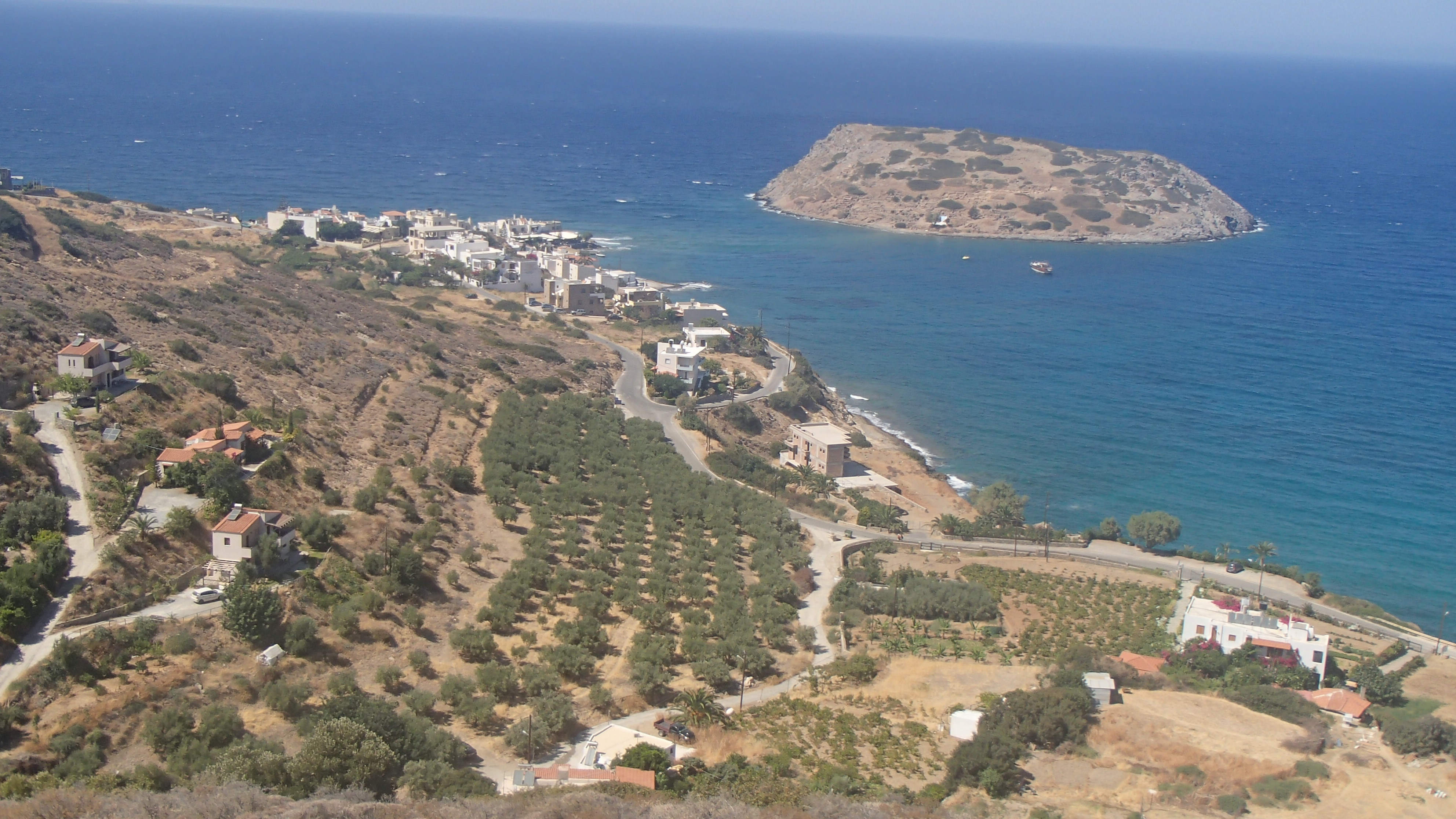
Mochlos from the little church on the hill – Mochlos Mare is bottom right

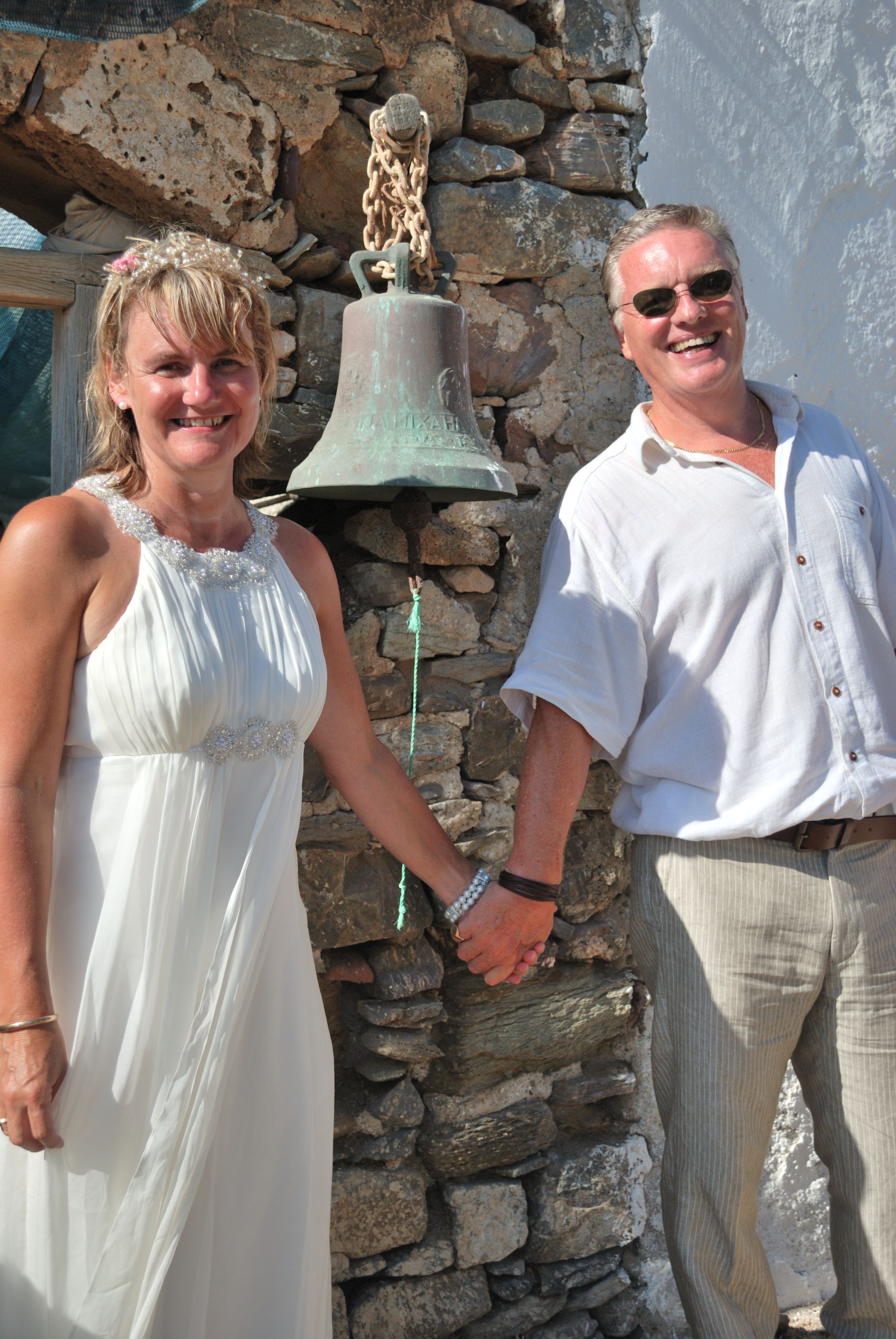
We loved the place so much that we decided to get married in Crete in 2011. We were actually married by the lake in Agios Nikolaos but went back to Mochlos on Nick’s boat to the Minoan island (top right in pic above) just off the mainland for champagne and then to Taverna Kokylia (on the mainland), for the ‘reception’.  (click on name for link) – now there’s a place to reckon with. Owned by the fabulous Yiorgo (George) it is simply the best! He did us proud on our wedding day and has done so ever since on our anniversaries ……. and all the other times we have been there!

 DSC_0244

Celebrating our wedding on Mochlos island 


CSC_0219

Nick’s boat that brought us from our wedding at Agios Nikolaos to the Mochlos island

Then there is Dimitri’s (click on name for link), which is also a great taverna. He is a lovely chap and his food is excellent. I recall one wonderfully musical night there last year when our good friend, Warner (visiting us from UK), played his violin, whilst a young chap from Sweden played his guitar and his girlfriend sang. It just wouldn’t happen in the UK!

OLYMPUS DIGITAL CAMERA

at Dimitris’

In 2012 we decided to stay the whole summer holidays in Mochlos (3 months) and came to the conclusion, sadly, that Mochlos Mare was not big enough for a stay of this length of time. We needed a bigger kitchen at least as we planned to cook-in on occasions (had to for this period of time!!). However, we found an absolutely fantastic apartment, Alexandros (click on name for link – you should be getting the idea now), just up the road from Mochlos Mare. It is owned by two lovely Australians, Peter and Rosa – Peter has Cretan connections hence his desire to buy a property on the island. Fortunately for us he and Rosa chose Mochlos!

OLYMPUS DIGITAL CAMERA

Alexandros

OLYMPUS DIGITAL CAMERA

 looking east from balcony of Alexandros

2013 also saw us in Mochlos (and Alexandros) for another 3 months over the summer again – and Nick’s fantastic villa was finally completed (he had bought the plot some 6 years ago!). The last time I had seen Nick and Heather (other than in Mochlos) was over 20 years ago in Wales. Then, 20 years later, I heard they had bought a plot of land in Crete – in Mochlos!! Small world or what?

OLYMPUS DIGITAL CAMERA

Nick and I relaxing at Kokylia

So that’s how I found Crete.

Sarah produced blogs on our time in Crete in 2012 and 2013 (click on dates if you are really interested or just suffer from insomnia).

Next week let me introduce you to the Bronze Age Minoans of Crete.


Artemus Smith’s Notebooks

I continue my research of the notebooks of Dr Artemus Smith, archaeologist of great courage, determination and fiction. Here is another extract:

I recall as a student, at my weekly tutorials at Oxford, it was a requirement to produce an essay for discussion. One week, I fear I neglected to make such an effort and I decided to ‘blag it’.  On appearing before my tutor, Professor Sir Lucius Bodmin-Wallbanger, I opened my notebook and with, I have to report, some skill and imagination, pretended to read from it, turning the blank pages at appropriate intervals. Following a formidably inventive conclusion, I shut the notebook with great satisfaction, thankful that the performance had passed off smoothly, and awaited Sir Lucius’ comments.

He stared into the open fire for a couple of minutes, then turned to me with a congenial smile and said, “Read it again, Mr Smith.”


AT


Artemus Smith

Whilst on the subject of Bramber and archaeology, but just as an aside, I would like you to meet Artemus Smith – and my apologies to any USAS members reading this – I’m just introducing him to the others!

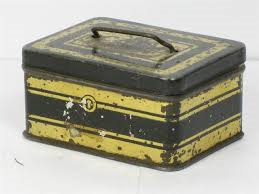
AS THE TALE GOES, a few years ago the, then, vicar of St Nicholas Church in Bramber had been clearing out a dust laden cupboard in the vestry of the church. There he came across an old tin box containing various documents of an archaeological nature. He thought I might like to look through them. Amongst the miscellaneous papers were notebooks of a certain Artemus Smith. I decided to research him.

box

DR ‘ARTEMUS’ SMITH was an archaeologist of great courage, determination and fiction.  He was born Ambrose William Dermot Smith in 1901, the only son of Brigadier Sir Hartley Archibald Jefferson Smith and Lady Constance Louise Smith (nee Carter-Bazeley). He reluctantly studied the Classics at school and is remembered for his frustration with the ancient languages, “It’s all Greek to me” he had said (this may have been where the expression first came from – or not).

 AT

Artemus Smith

He went up to Oxford to study Law but spent most of his time hunting, shooting and fishing. It was as a result of this that he picked up from his colleagues his nickname ‘Artemus’ (male version of Artemis, Goddess of hunting in case you were wondering) and the name has remained with him. Despite these activities he successfully completed his degree but on coming down from Oxford he took a break before professional study and travelled Europe with his cousin, Horatio Smith (see below). It was during these travels that he first became involved with archaeology but was put off it as a career due to the derisory pay (nothing changes). After various trips with his cousin and various ‘dallying’ in archaeology both abroad and in England, he qualified as a barrister and was Called to the Bar to practise law (not to be confused with being called to the public bar to practise drinking – although it is rumoured he did that as well).

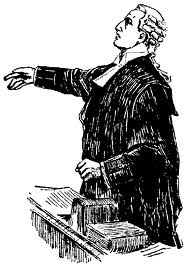
barrister

This career (the Bar, not drinking) was interrupted by the Second World War and he volunteered to join the Royal Air Force and was soon to be piloting a Wellington bomber. His service was cut short after he flew into a German spotter plane over Germany (“well, strap me, it was dark and I didn’t see him,” he had said, adding, “and anyway, who was supposed to be doing the spotting?”[1]). He ended up in a German prisoner of war camp, Stalag Luft III (better known for ‘The Great Escape’ – in fact, it has been suggested that the character played by Steve McQueen in the film was based on Artemus Smith[2]).

 Picture1

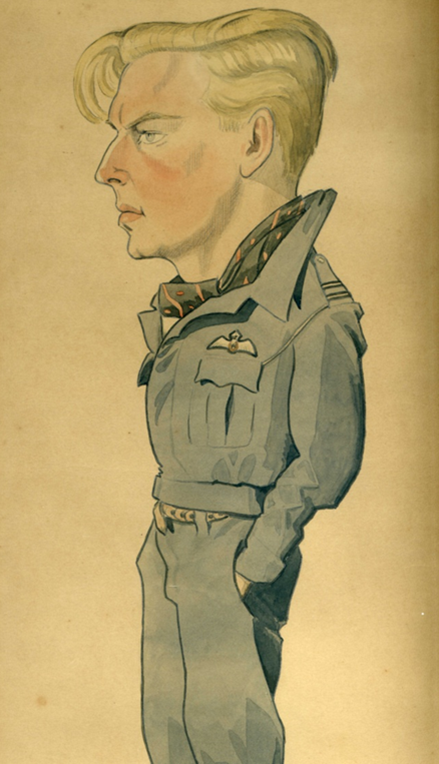
Believed to be Flight Lieutenant ‘Artemus’ Smith at Stalag Luft III (drawing by Henri Picard – sadly one of the 50 shot after ‘The Great Escape’)

His experience as a prisoner of war – digging – gave him a more intent interest in archaeology. After the war, he abandoned the legal profession and went up to Oxford again but this time to study Archaeology (he was now a man of substantial inherited means after the death of his father so ‘derisory pay’ was no longer an issue). He went on to obtain his doctorate and then spent some time supervising and thereafter quelling disruptive and rebellious excavators on the ancient site of Arcadia in Greece – obtaining another nickname, ‘Smith of Arcadia’ [3].

His cousin, Professor Horatio Smith, was an archaeologist and lecturer at Cambridge University and gave Artemus much encouragement in the field. An account of Horatio’s heroic and equally fictitious activities is reflected in the excellent 1941 film Pimpernel” Smith  (click on name for film) wherein Horatio (played admirably by Leslie Howard) helps victims of nazi persecution escape from Germany during the build up to WWII. A ripping yarn highly recommended.

b29a3e8d-4e98-4521-ada0-143ca92248c9

Prof. Horatio ‘Pimpernel’ Smith

When Artemus asked Horatio about working in archaeology, the latter replied, “Well, an archaeologist is a person whose career is in ruins.” He added, “Such a person may be relied upon to make wise, intelligent and coherent analysis – having exhausted all other alternatives”[4].

Interestingly enough, Dr Henry Walton Jones Jnr (better known as ‘Indiana’ Jones) would have been a contemporary of Artemus Smith (certainly copying Smith’s flair). It is, therefore, somewhat surprising that I have not found any mention of Jones in Artemus Smith’s notebooks. I’m sure, because of their similarities, the two would have met up or, at least, been in communication. This makes me query the actual existence of Indiana Jones or whether he is just the figment of someone’s  extravagant imagination (oh me of little faith).

The rest, as they say, is history – well the notebooks at least (see below) – other than to add that Artemus sadly died in 1988, at the age of 87, from a fall from his motorbike whilst dirt-track racing on the Sussex Downs.


Footnotes

[1] Letter to his cousin Horatio Smith

[2] Letter from Sir Dandelion (now Lord) Attenboot to Artemus Smith saying that he knew someone who knew someone else  who had heard this – so it must be true  (Attenboot added, “they got some young American fellow to play the part to disguise the fact that the character was a Brit”)

[3] Sometimes confused with some chap called Lawrence

[4] From his unpublished autobiography entitled: Wot ho! Dig it all up


Artemus Smith’s Notebooks

Anyway, if you believe all that then you’ll believe this: as I have been perusing Artemus Smith’s archaeological notebooks, I will bring you extracts from them on each blog hereafter. Here is the first one:

I have just returned from a camping excavation of the city of Troy, with my very agreeable companion, Barratt Holmes, a relative of the famous Sherlock Holmes.  Barratt, too, is a detective of some fame and with similar deductive powers conducive to archaeology.  On the first night we camped outside the romantic ruins and having fortified ourselves with fine wine, we retired to our tent.  Some hours later, I awoke and nudging my colleague, enquired, “Barratt, my dear friend, look up and tell me what you see.”

Barratt replied, “I see hundreds of stars.”

“What do you deduce from that?” I asked.

Barratt thought for a minute, then responded, “Astronomically, I deduce that there are millions of galaxies and potentially billions of planets.  Astrologically, I deduce Saturn is in Leo.  Horologically, I deduce that the time is three o’clock.  Theologically, I deduce that God is all-powerful and we are but small and insignificant.  Metrologically. I deduce we will have a beautiful day tomorrow.  Why, my good friend, what do YOU deduce?”

“My dear boy,” I replied, “I deduce that some bounder has stolen our tent.”


Next blog (next Friday): St Nicholas’ Church at Bramber Castle – and another extract from Artemus Smith’s notebooks