The development of societies with archaeological interests

ANTIQUARIAN SOCIETIES are not old societies, they are societies for the study of the past (antiquity). Well, they are also old societies. One of the first to be set up was The Royal Society (of London for the Improvement of Knowledge) in 1660 (supported by the newly crowned Charles II) for the purpose of scientific learning. It still exists today, as does the Society of Antiquaries of London which was set up in 1707 at the Mitre Tavern in Fleet Street, with Humphrey Wanly as its first ‘chairman’. It received its Royal Charter in 1751. In fact, William Camden was a founding member of this Society in 1572, but it was suppressed by the Scottish born king, James I, in 1604, possibly because it encouraged English nationalism.

William_Camden_by_Marcus_Gheeraerts_the_Younger

 William Camden 1551-1623

The Society of Antiquaries was a ‘poor relation’ to the Royal Society which had greater resources of wealth and patronage. The former suffered various set backs including suggestions that its ‘board’ intended to subordinate itself to the Royal Society and, in 1792, its president, the Earl of Leicester, was accused of being a drunkard and a ‘brainless caput’ in a letter from Douce to Kerrich, 17th April, 1792 (Parker Library, Corpus Christi College, Cambridge) and by 1840 its members were deeply concerned about the Society’s purpose. However, it carried on in the shadow of other societies.
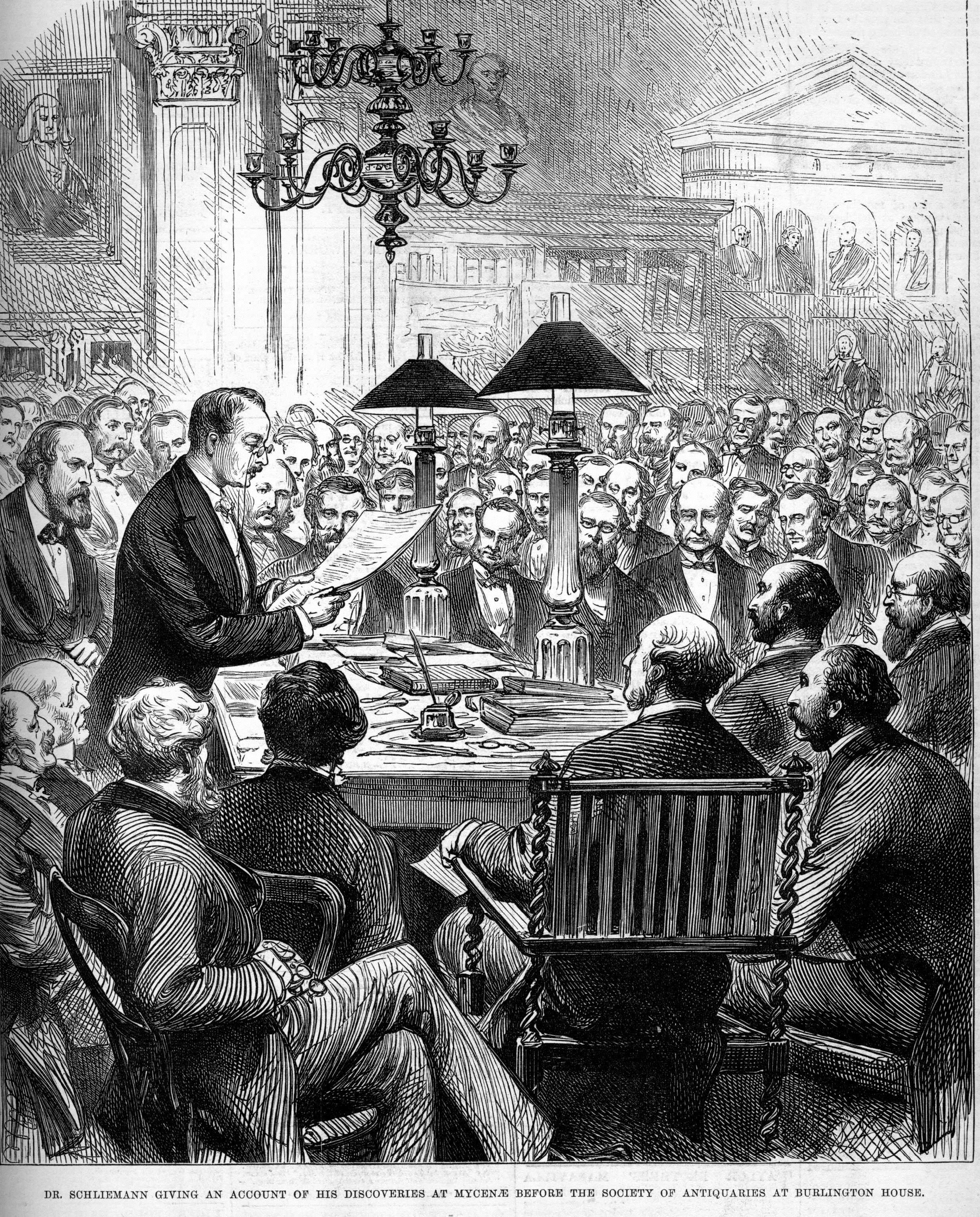
a heirich

Heinrich Schliemann addressing the Society of Antiquities on his discoveries at Mycenae (The Illustrated London News, March 31, 1877) – I had the privilege of addressing the Society of Antiquaries on my work on Thomas Spratt RN in October 2013 after receiving my Fellowship of the Society

The Society of Dilettanti was set up in London in 1732 by Sir Francis Dashwood with the intent on focusing on classical antiquities, although, with its aristocratic and gentlemen Grand Tour members, it rather had an emphasis on dinning – Horace Walpole said of its members, ‘… the nominal qualification is having been in Italy, and the real one, being drunk’.  It did produce some publications (three volumes of Antiquities of Athens and three volumes of Ionian Antiquities between 1762 and 1840) and kept alive an interest in classical antiquities.
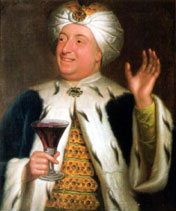
 Sirfrancisdashwood

Sir Francis Dashwood 1708-1781

The Royal Geographical Society was a learned society, founded in 1830 for the advancement of geographical science, under the patronage of King William IV and it was given a Royal Charter by Queen Victoria in 1859. Although not involved in archaeology as such, its later members were to take on a keen interest in the topic and equate it to landscapes studies. The Royal Geological Society had been formed in 1807.

Main-Hall-RGS

Main Hall, Royal Geographical Society – impressive, eh!

In 1843, the Archaeological Association was formed but due to internal squabbling it soon split into two of the more important organizations: the British Archaeological Society and the Archaeological Institute, producing the Journal of British Archaeology and the Archaeological Journal, respectively.

The publisher, George Macmillian, was determined to keep up a following for the ancient Greek world and, in 1879, set up the Society for the Promotion of Hellenic Studies. Its purpose was to assist and guide English travellers in Greece and encourage exploration and excavation of ancient sites. Thereafter, in 1886, the British School [of archaeology] at Athens (BSA) was established, then, on the island of Crete, an annexe was set up at Knossos in 1926 – although the BSA had been involved with Knossos since the establishment of the Cretan Excavation Fund in 1899.
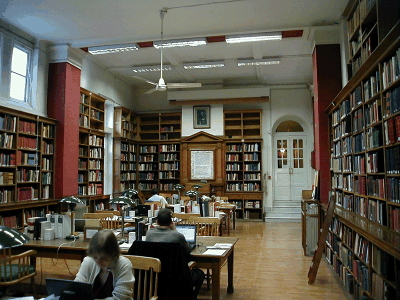
AGFA DIGITAL CAMERA

Library, British School at Athens (I’ve been there – it’s fantastic!)

Many county based societies for local history and archaeology appeared during the 19th century. But although these societies were limited in their appeal they did attract large memberships and, in some cases, from elite personnel. In fact, the Sussex Archaeological Society (1846) was criticized for snobbism for its open courting of the aristocracy (9.5% of its first year’s members were titled). Can’t image why!

Michelham-Priory1

Michelham Priory, owned by the Sussex Archaeological Society

Regardless of the varying internal politics (and, in some cases, external derision) of these societies, they gave credence to the new ideal of archaeology. Yet even now there are some who still frown upon the thought of 19th century ‘archaeologists’ when considering today’s methods which is a little unfair based on the fact that all new ideas have to start somewhere. It is not as if the ‘science’ relied entirely upon itself – Pitt Rivers, in 1884, acknowledged the need for assistance in other scientific fields such as geology, palaeontology and physical anthropology.
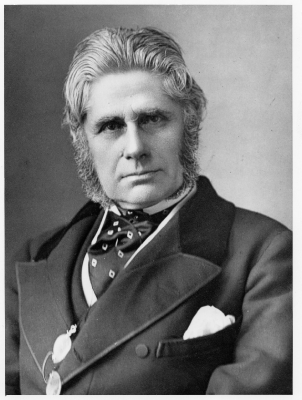
ppitt rivers

Lt-General Augustus Henry Lane-Fox Pitt Rivers 1827-1900 (go see his museum in Oxford – its great!)

The other importance of these societies is that, either by way of talks or publications in their journals, they brought to the fore the activities of some of these travellers and publicised their findings which otherwise would have little value. And their existence gave me something else to study!

 .

Next week: Gladiator: Hollywood fact or fiction?


Artemus Smith’s Notebooks

I continue my research of the notebooks of Dr Artemus Smith, archaeologist of great courage, determination and fiction. Here is another extract:

My good friend Professor Schwartzburger said to me the other day, “I have just bought a new hearing aid. It cost me two thousand pounds, but it’s state of the art. It’s perfect.’

 “Really,” I replied, “what kind is it?”

Twenty past twelve.”
  Art Smth

Glastonbury Abbey: fact and fiction

FACT: Glastonbury Abbey existed in the Middle Ages and still does – to a certain extent.

FICTION (maybe): King Arthur and his two-timing wife, Guinevere, were buried there.

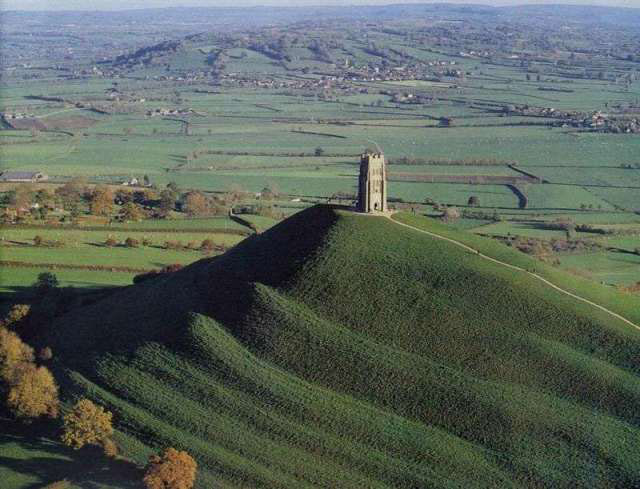
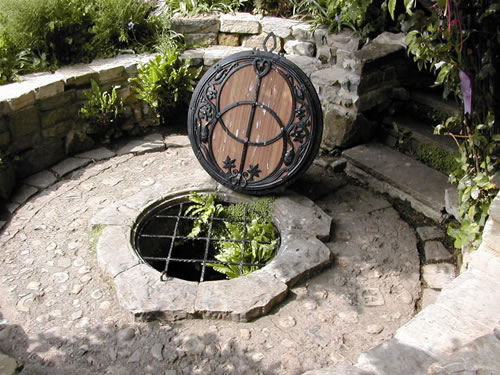
First let’s distinguish between myth, legend and fiction Myth never happened (trust me – e.g. Greek and Roman gods, 6 headed monsters, one-eyed ogres  … actually, I do know someone who might fit that description); legend may have happened (e.g. Geoff Hurst’s 1966 World Cup 2nd goal did go over the line); fiction didn’t happen but some fiction is based on legend (e.g. politicians are honest). Get it? So, legend has it that Glastonbury Abbey was built on the site of a wattle and daub church erected by Joseph of Arimathea when he visited the town with the young boy, Jesus. After the crucifixion of Jesus, Joseph revisited Glastonbury (or the island of Avalon as it was then) with the Holy Grail and buried it below the great hill of Tor – now the site of the Chalice Well.

 glastonbury1 

Hill of Tor, Glastonbury

Chalice Well, Glastonbury, England_JPG

Chalice Well at the bottom of Tor Hill

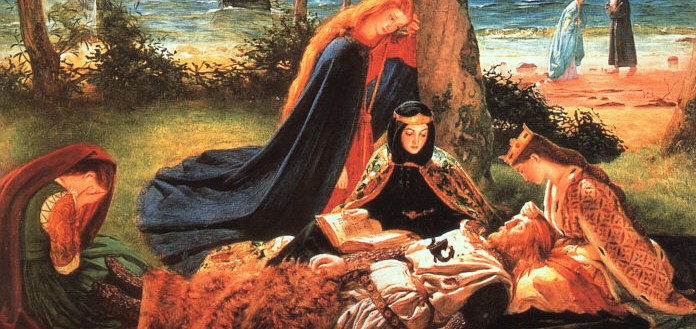
Fiction (as legend) then moves forward to AD 540(ish) and the death of King Arthur. He was reputedly taken, mortally wounded, by boat to Avalon. There he died and was buried – at Glastonbury in the ancient burial ground (3 on plan), maybe.

The_Death_of_King_Arthur-e1354392954343

morte d’Arthur (‘so long Art’)

Fact and fiction merge: In 1190 it is recorded that the monks dug up a grave in a cemetery just south of the Lady Chapel (not to mention St Dunstan and Galilee chapels) at Glastonbury Abbey. It contained two skeletons, male and female, and they were deemed to be Arthur and Guinevere. It is not clear what happened to them at that time, but in 1278 they were reburied in a black marbled tomb in the Choir/Chancel of the Nave before the High Altar. King Edward I was present, so it must be true (must it? Bit like reading the Sun or the Daily Mail). After the vandalising of the Abbey in 1539 the bones were no longer to be found.


Plan of Glastonbury Abbey (north at top) (shaded red is what remains)

 glast 1

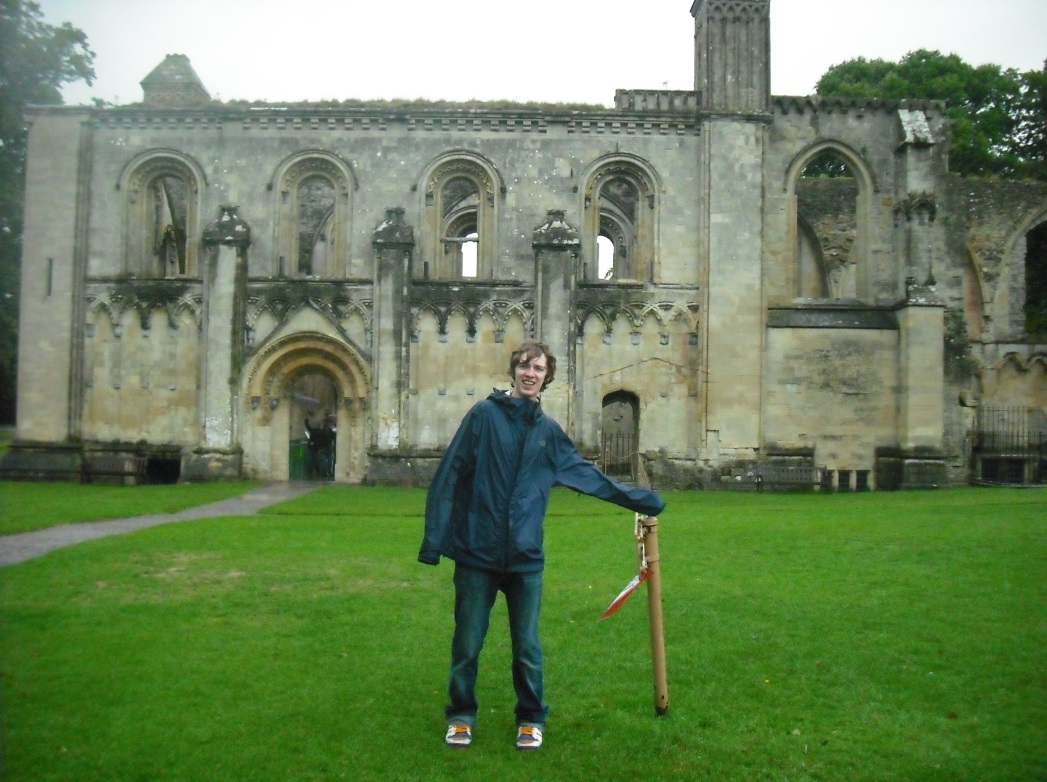
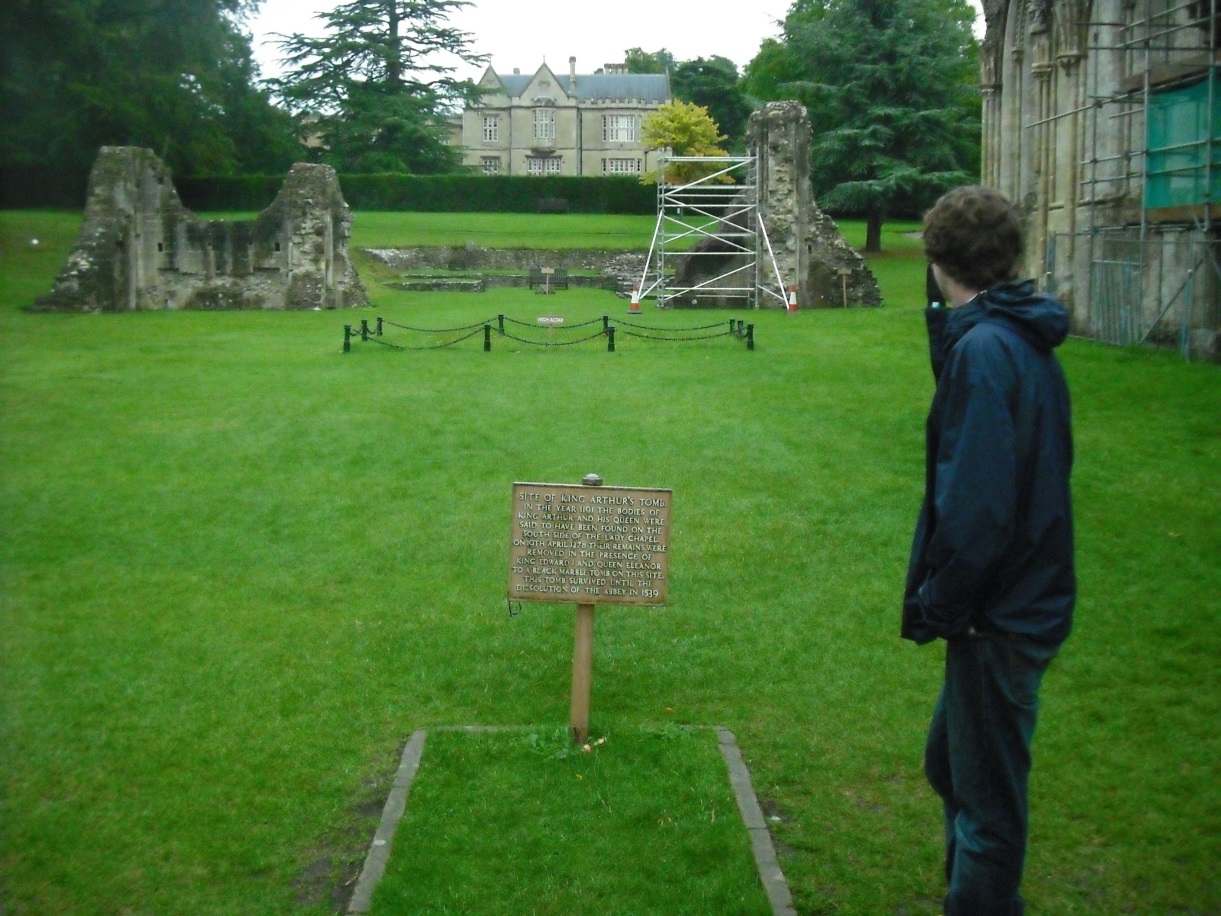
Toby pointing out the site of King Arthur’s first burial place …. maybe (looking north with Lady Chapel in background)

glast2

King Arthur’s tomb of 1278 in the Chancel (looking east, High Altar chain-linked in background with ruins of Edgar Chapel behind that)

Back to fact: The first stone church at the site of the Abbey was built by the Saxon King, Inde, in AD 712 and it was enlarged (the cloisters) by Abbot Dunstan in 940. In 1077, after the Norman invasion, this church was destroyed and replaced with a larger one by Abbot Thurstin. Then, between 1100-1118, Abbot Herlewin demolished this church and built the main Abbey. The Domesday Book of 1086 records it as the richest monastery in the country. The building was destroyed by fire in 1184 and rebuilt. Historical records tell us that rebuilding went on until 1524 and the archaeology gives physical evidence of these previous buildings. The Abbey was finally ransacked in 1539 after the dissolution of the monasteries by Henry VIII (there’s someone who had a lot to answer for). Regardless, the remains of the Abbey are well worth a visit.glast4

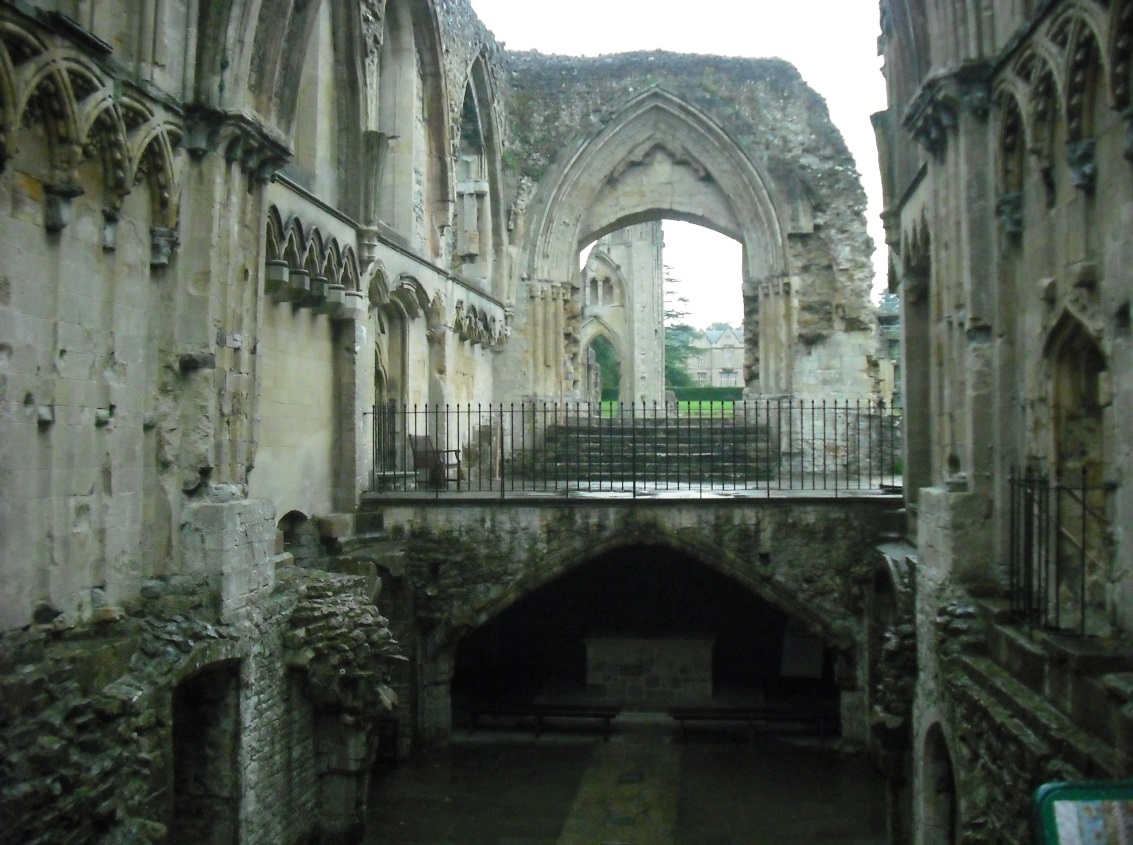
Interior of Lady Chapel (looking east)

glast 3

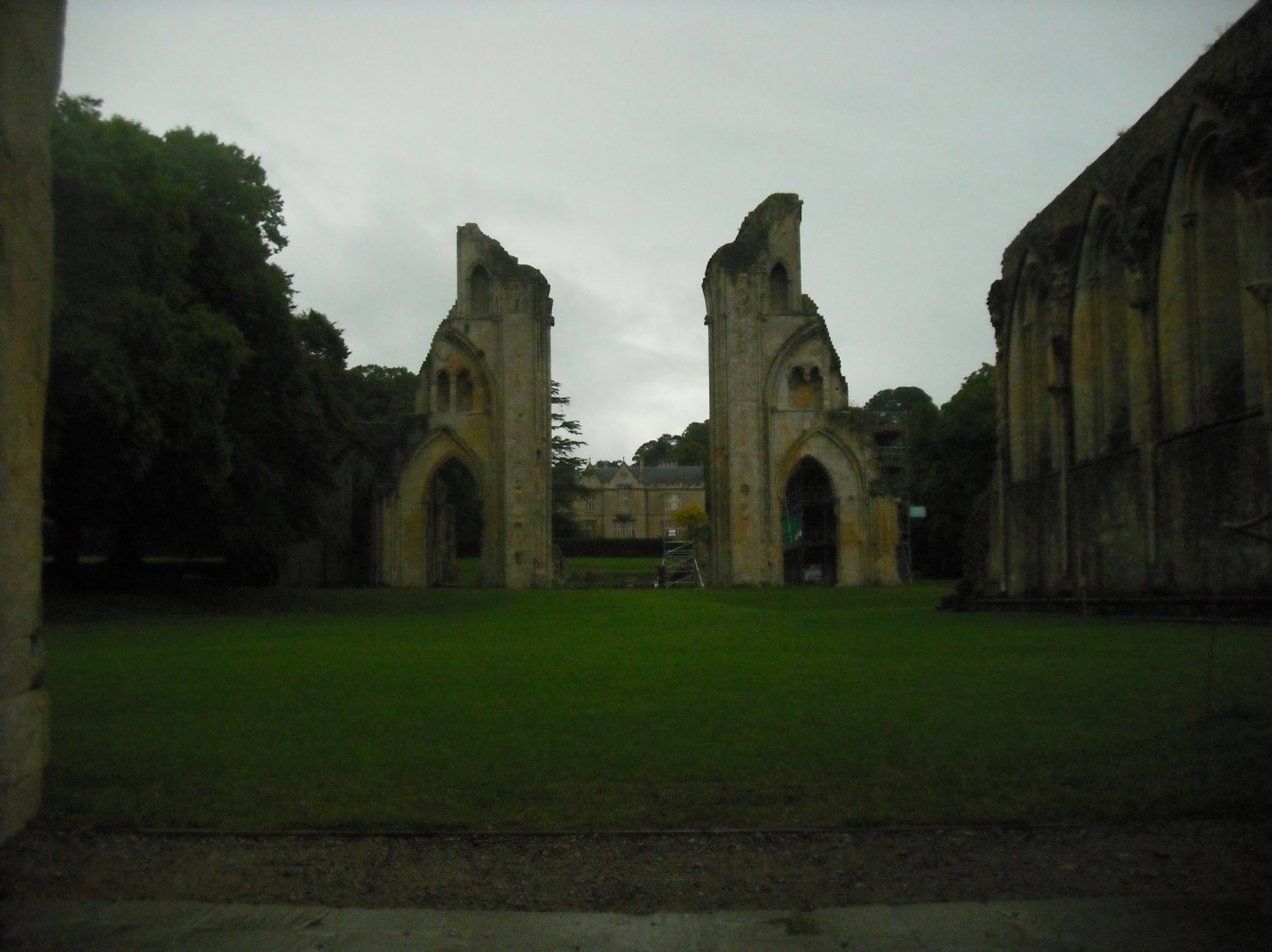
Nave and Central Tower remains (looking east)

And, of course, Caburn Castle is Camelot …… (it said so in the Sun – or was it the Daily Mail)

knight

.

Next week: The develoment of societies with archaeological interests


Artemus Smith’s Notebooks

I continue my research of the notebooks of Dr Artemus Smith, archaeologist of great courage, determination and fiction. Here is another extract:

met an old American friend of mine the other day in the bar of London hotel of some note. It was Douglas Fairweather Jnr, a famous actor over from Hollywood. He was slumped over a whisky.

“Hi Dougie, what’s the problem?” I enquired detecting a state of morose.

“I’ve come over to make a movie of The Merchant of Venice and they want me to play Shylock.” He responded in some despair.

“But that’s excellent old boy,” I retorted with much enthusiasm, “What’s the problem?”

He replied, “But I want to play the Merchant.”

AT

U-boats: U-671 and U-413 and the sinking of HMS Warwick

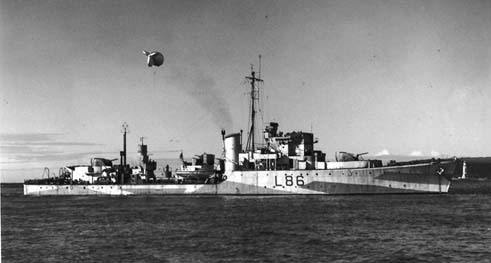
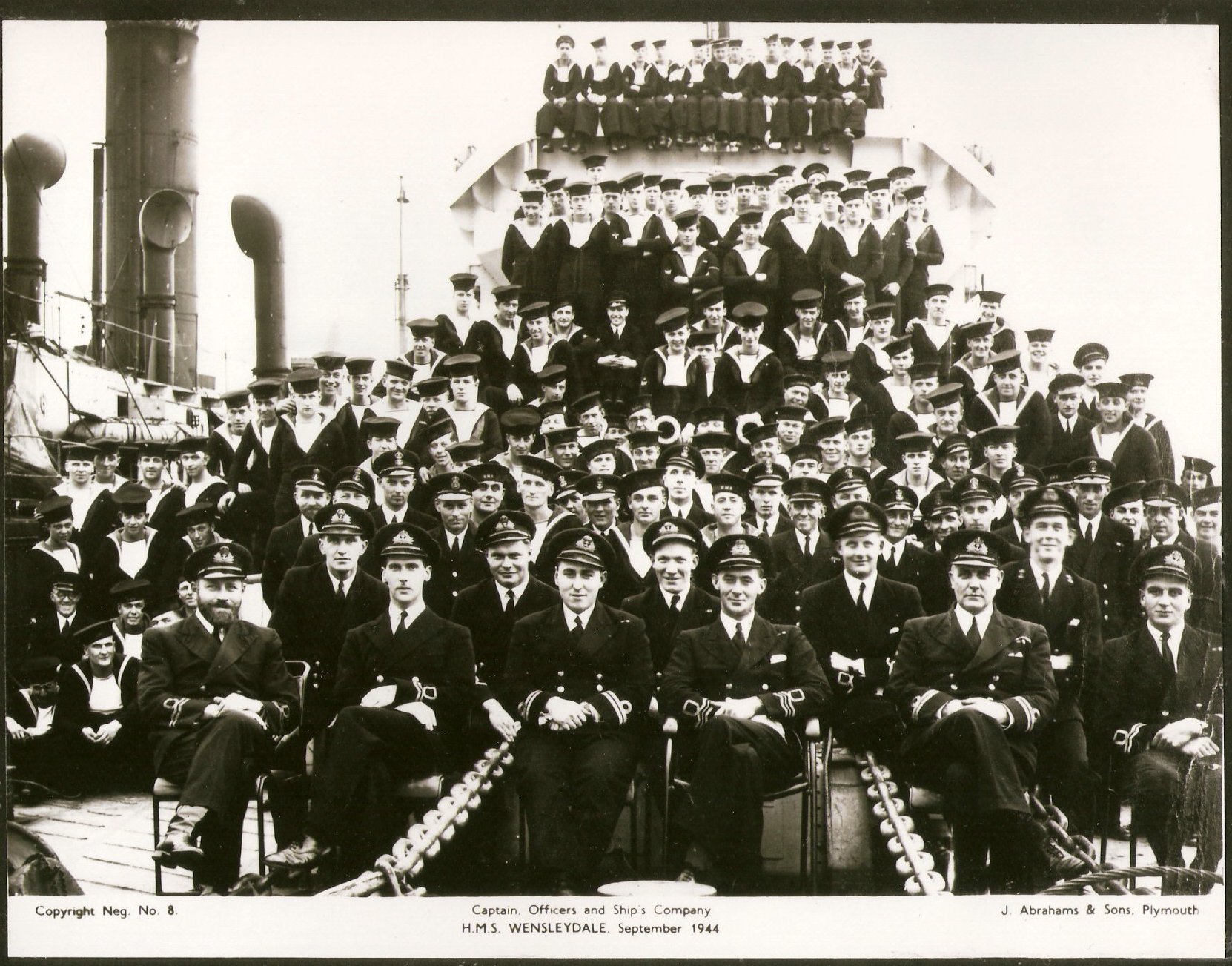
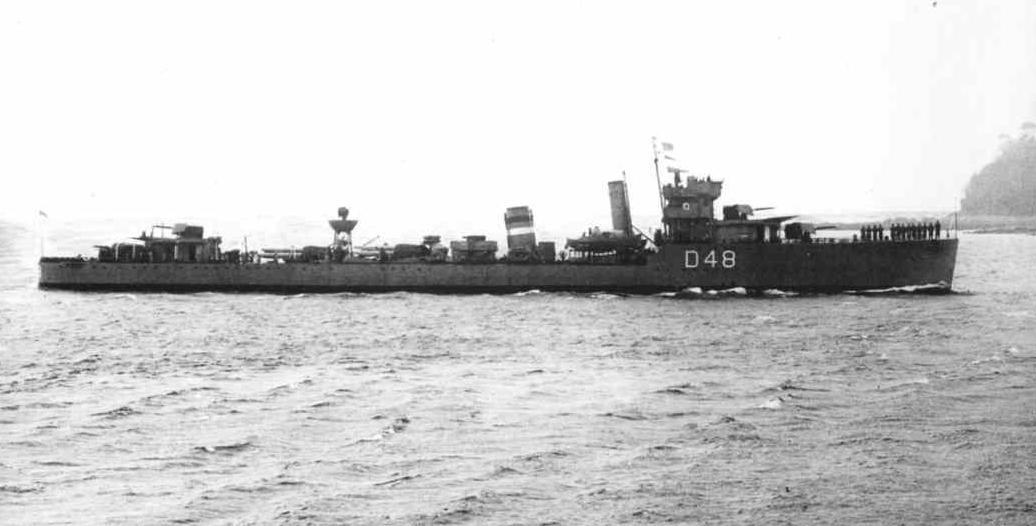
WE KNOW where most of the Second World War U-boat wrecks lie and how they met their watery graves but life histories can sometimes add to their memories.  I had the good fortune of speaking to Lt-Cdr Henry Lehmann RN rtd who served on HMS Wensleydale as a Petty Officer, under the ship’s Captain, Lt-Cdr Goodfellow RNVR, when she was involved in the sinking of two U-boats, U671 and U413 in August 1944. Both have been dived and identification confirmed by Innes McCartney (Lost Patrols, Periscope Publishing, 2002). Henry was able to give me first hand accounts of his recollection of the encounters together with the demise of HMS Warwick (this is an edited version and I have added the pics):

  WENSLEYDALE1

HMS Wensleydale

U-671

“On the 5th August 1944, we were off Normandy protecting landing craft and heard that HMS Stayner had contact with a U-boat some miles off Beachy Head, on the Sussex coast but, I think, it had run out of depth charges/hedgehogs. I was in the plotting room receiving information from the Asdic operator. We lost contact after our second attack but picked it up again shortly afterwards. A final depth charge attack was made and the U-boat was destroyed. We picked up four survivors but one died. Stayner rescued another one. Although a sad loss of life, it was satisfying to take out one of these menacing machines. If we had not have destroyed him, he may have done for us one day.

 hegwaid

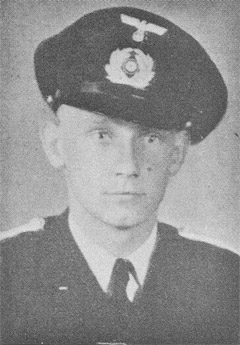
Lt Wolfgang Hegewald, captain of U-671, sadly died when she was sunk

“The Asdic operator was awarded the DSM and I was ‘mentioned in despatches’ for our part in regaining contact with U671 and our Captain received the DSC. On returning to Portsmouth the crew received shore-leave for the day and night as a reward – always a welcomed gesture.’

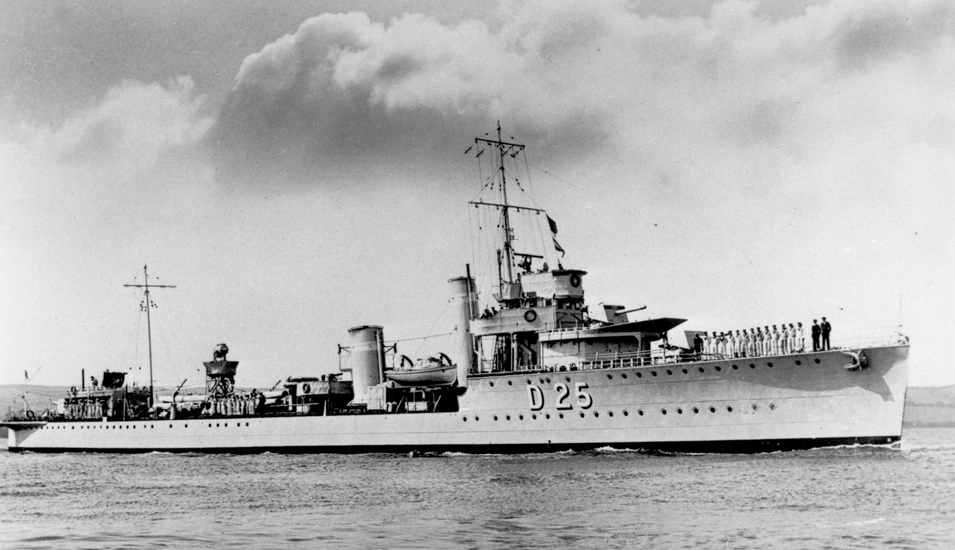
 HMS Warwick

“It was Sunday, 20th February 1944, around midday, off Trevose Head, north Cornwall. I was standing beside the middle machine gun mounting on the shelter deck of Wensleydale, smoking my pipe, when I saw a destroyer approach. It was HMS Warwick. I gave her a cheer and a wave. When she was some 100/200 yards astern, I saw a small mushroom of smoke rise from her followed, a split second later, by an explosion. Warwick had been hit by a U-boat. Men began jumping overboard and we turned in her direction. I moved to the stern guards and saw she had slowed down and began to settle by the stern. The stern and after compartments broke away with both propellers still turning and with the ‘A’ brackets to which they were attached, it floated along the starboard side of the ship, passing the bridge before sinking some distance forward of the ship. Warwick, itself, sank after about ten minutes.

 HMS-Warwick

HMS Warwick

“We approached the men in the water but suddenly turned away. In the space of a few minutes we had received a message from Mount Wise, HQ Plymouth, to rejoin and protect the convoy. As I turned to run to my action station I saw the track of a torpedo coming towards us. It missed us by 30 feet – luck was on our side at that moment. The survivors from the Warwick were later picked up by a Belgium trawler but the U-boat escaped.

newcrewphoto

Crew of Wensleydale – Henry is third row back, last man on the left (with beard)

 U413

U413 was responsible for the sinking of HMS Warwick and she had sunk the Warwick Castle two years earlier and so was certainly a target to be found and destroyed. It was the 20th August 1944, at around 0900, when we were again off the Normandy coast and asked to assist HMS Forrester who had located the U-boat. We rendezvoued around mid-channel off the coast of Brighton in Sussex, not far from where we had sunk U671. I believe Forrester had fired her depth charges and had missed but HMS Vidette had followed up with hedgehogs and succeeded in hitting the U-boat.

Vidette1NP

HMS Vidette

“At the time, I was at the plotting table in the wheelhouse, oil had been spotted and we were following its course. Naturally we were at action stations. As we were making an approach on the U-boat, I heard a shout, ‘man in water’. The attack stopped whilst he was rescued. He turned out to be Karl Hutterer, the U-boat’s Chief Engineer. He was questioned and tried to convince our Captain that the U-boat had been destroyed. It is possible that he genuinely believed this may have been the case which would have accounted for his decision to escape from the submarine alone.

Picture1

Karl Hutterer, sole survivor of U-413

“However, our Captain did not accept this and the attack continued. Wensleydale dropped four pattern depth charges. I moved out of the wheelhouse into the open, heard a massive explosion and saw the largest fire flash on the sea that I have ever seen. Masses of paper came to the surface, some of which, I later heard, were confidential documents. I also saw large pieces of debris rise from the depths indicating severe damage to the U-boat.

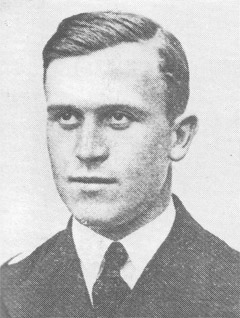
 sasche_dietrich

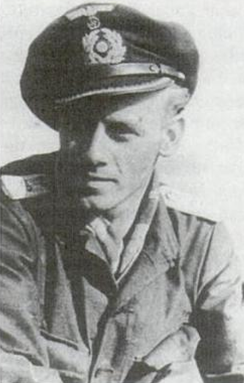
Ob-Lt Dietrich Sachse, captain of U-671, died when she was sunk

“Sadly, there were no other survivors and we returned, with our single prisoner, to Portsmouth. Our Captain was mentioned in despatches but the crew received no shore-leave reward this time. However, the Warwick could now rest easy.”

Also sadly, Henry died the year before last (2012) at the age of 93 but his memory and oral history live on.

henry

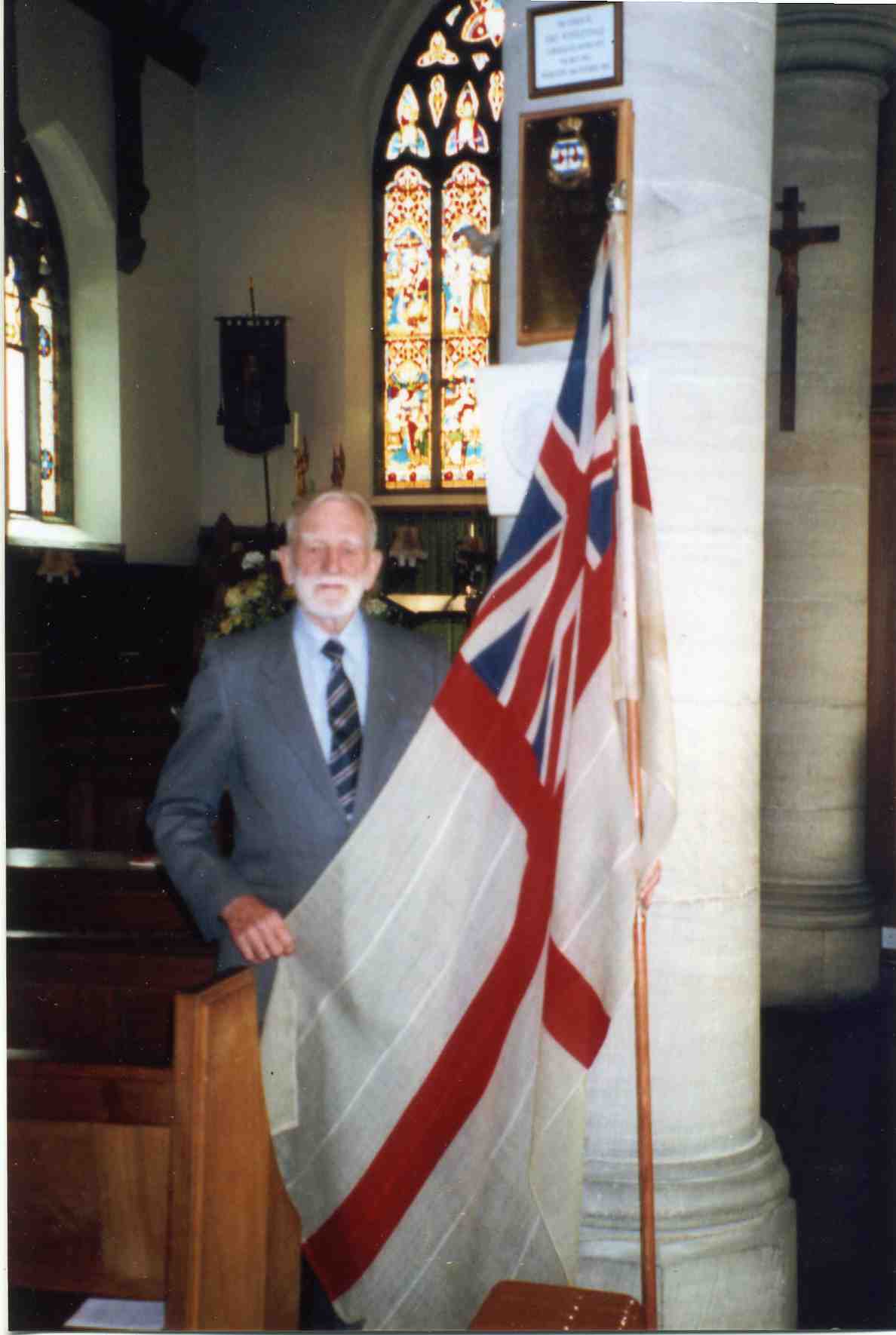
Henry with the ‘recovered’ Wensleydale ensign in 2008

.

Next week: Glastonbury Abbey: fact and fiction


Artemus Smith’s Notebooks

I continue my research of the notebooks of Dr Artemus Smith, archaeologist of great courage, determination and fiction. Here is another extract:

One of my students had cancelled his tutorial due to sickness. I then happened to notice in the following day’s local paper a photo of him having won a golfing tournament the very day he alleged sickness. I called him to my office, showed him the newspaper and asked for an explanation. Without a falter he replied, “I think I was lucky. Just think of the score I could have got had I not been sick.”

Art Smth

Tutankhamun – road traffic incident or what?

DID YOU KNOW that Forensisis is Latin for forum and in ancient Rome the forum was where many matters, including law and justice, were discussed.  Pathos and logia are ancient Greek for suffering and study of respectively.  The definition of forensic pathology is, therefore, the study of bodies for both medical and legal purposes.

roman_man_2

Naturally, one of the tasks of a forensic pathologist is to discover the cause of death of a deceased and to decide whether foul play was involved.  With Tutankhamun such a study proved somewhat confusing over the years.

In a Channel Four television programme, Tutankhamun Exhumed, x-rays in 1968 of Tut’s skull suggested that he had been killed by a blow to the back of the head – evidenced by a hole in his occipital (back of lower head).  Murder most foul?  Of course.  End of story …… or was it?

skull

                                                              Back of Tut’s head

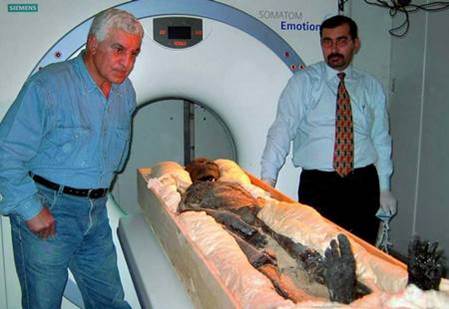
Well, maybe not.  Fortunately the whole of the skeleton, although damaged (by Howard Carter when he removed it in 1922) was mostly intact, and a CT scan by Dr Zahi Hawass, in March 2005, showed that the hole in the skull was not the cause of death. It has since been established that inside the hole there are traces of embalming fluid and so it was most likely part of the original mummification process, ca 1323 BC.

Picture2           Picture4

Howard Carter examining Tut in 1922               Dr Zahi Hawass (left) and CT scan in 2005

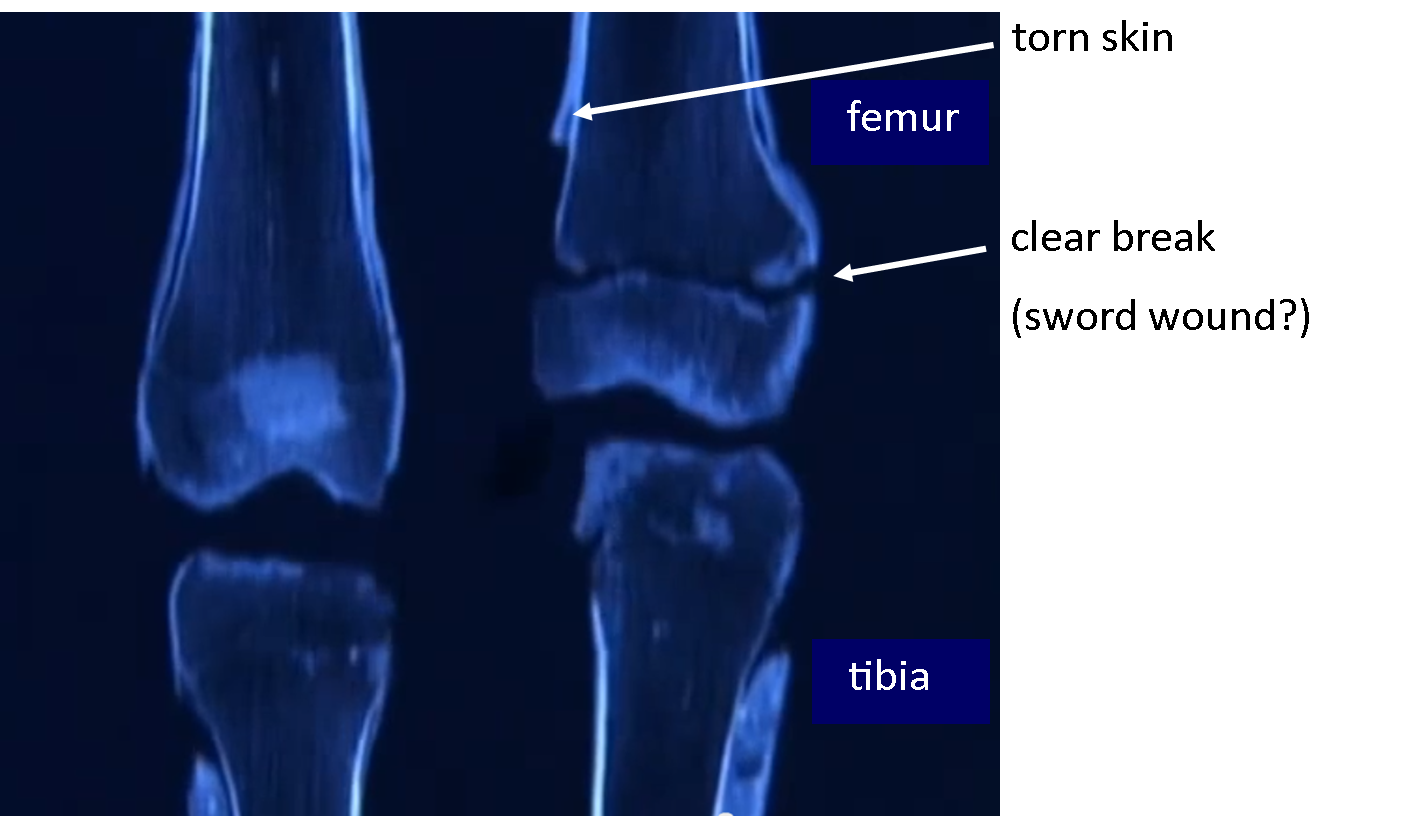
Hawass found evidence of a fracture in the lower femur (thigh bone) just above the knee. The bone had been completely broken and unhealed, with a fragment of torn skin evident. This may have been the result of a blow to the leg in battle, perhaps (or careless cooking incident). This, in turn, may have caused an infection (possibly gangrene) and death. More recent DNA analysis (2010) has identified malaria in Tut’s system. End of story …… or was it?

knee3

                                                               Tut’s leg bones

Now we know Tut was a warrior because we have ancient paintings of him in action (below). So, was the above leg break anything to do with a sword wound in a battle that he may have been involved in?  Maybe.

tut 2

The warrior Tut

But a further investigation of his skeletal remains in 2012 indicate a more calamitous possibility.  Firstly, a re-review of his 1968 X-rays show that he had several left and right ribs missing, no sternum (front bone of rib-cage), missing left side of pelvis, and no heart (see virtual autopsy pic below).  The heart was usually removed but buried with the body in a separate cask.  The fact that there was no heart in a cask may imply that it was so badly damaged that it was discarded, along with the ribs and left pelvis.  Such damage must have been the result of a very serious incident, although there were no injuries to the skull.  This information was revealed in another Channel Four documentary,  Tutankhamun: The Mystery of the Burnt Mummy, presented by Dr Chris Naunton in 2013.  It concluded that Tut may have fallen from his chariot and was ‘run-over’ by another chariot  –  in battle?

tut 3             tut4

Virtual autopsy pic           Chariot causing damage consistent with tut’s injuries                                                   (pics from TV prog)

A pressure test was carried out to show that if a chariot wheel hit the rib bones at the speed of 26 mph, the break and bone fragments would be serious enough to cause critical damage to organs behind ribs.  It could also account for the break to the femur (just above the knee).  The wheel would have missed the head, hence no injuries to the skull.

Perhaps it wasn’t a battle but just a road traffic accident – I’m sure they had bad chariot drivers in those days ……

policeman

Stop that chariot right there!

.

Addendum

A more recent TV programme on the BBC of Tut suggested that he was in no fit state to drive a chariot due to a deformity in his foot which may have been a genetic disorder which he ‘inherited’ due to incest in the family (his mum and dad may have been brother and sister – keep the power in the family). A computer ‘virtual autopsy’ of the mummy revealed a possible club foot and also that he may have suffered from a severe form of epilepsy which could have caused the fall that resulted in his death – perhaps. The clubfoot would certainly account for all the walking sticks found in his tomb. The programme, however, did not address the issue of his missing pelvic and rib bones or the images of him firing a bow ans arrow form his chariot (poetic licence maybe)..

Tut with clubfoot

.

Next week: Back to submarines – but this time U-boats ….. U-671 and U-413 and the sinking of HMS Warwick


Artemus Smith’s Notebooks

I continue my research of the notebooks of Dr Artemus Smith, archaeologist of great courage, determination and fiction. Here is another extract:

My colleague, Professor Waldorf Winklebatt, was stopped by the police around 2 a.m. the other night and was asked where he was going at that time of night. Waldorf replied, “I am on my way to a lecture about alcohol abuse, smoking and the effects of staying out late on the human body.” 

The officer then asked, “Really? And who is giving that lecture at this time of night?” 

Waldorf replied, “That would be my wife.”
Art Smth

Spartacus: Hollywood fact or fiction?

“I’M SPARTACUS.  No, I’m Spartacus …. and so is my wife”.  So who was Spartacus? First of all I’m not talking about the TV series – which, what little I have seen of it, is a load of hocus pocus – but that’s only to be expected. I’m talking about the 1960 Hollywood film. Did Spartacus actually exist or was he  just a character of Hollywood invention to boost Kirk Douglas’ macho image? (see film trivia at the end for this latter observation).

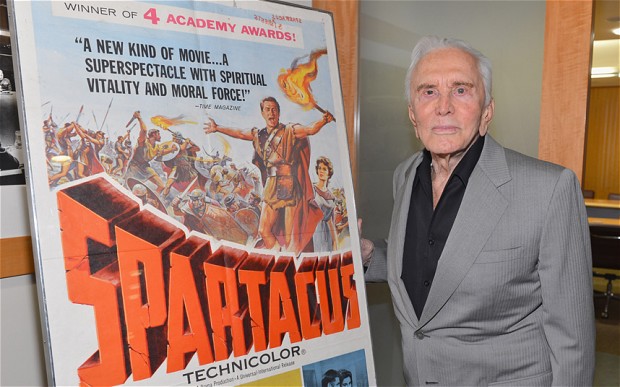
spartacus poster

Admittedly the film was based on a novel, Spartacus, by Howard Fast (in fact, there have been at least five novels about him – Spartacus, not Fast) but, yes, Spartacus existed but he wasn’t THE leader of the slaves – there were at least two others, Crixus and  Oenomaus, and possibly two more,  Gannicus and Castus, but none of them had such a good PR agent as Spartacus.

Howard_Fast

Howard Fast (1914-2003)

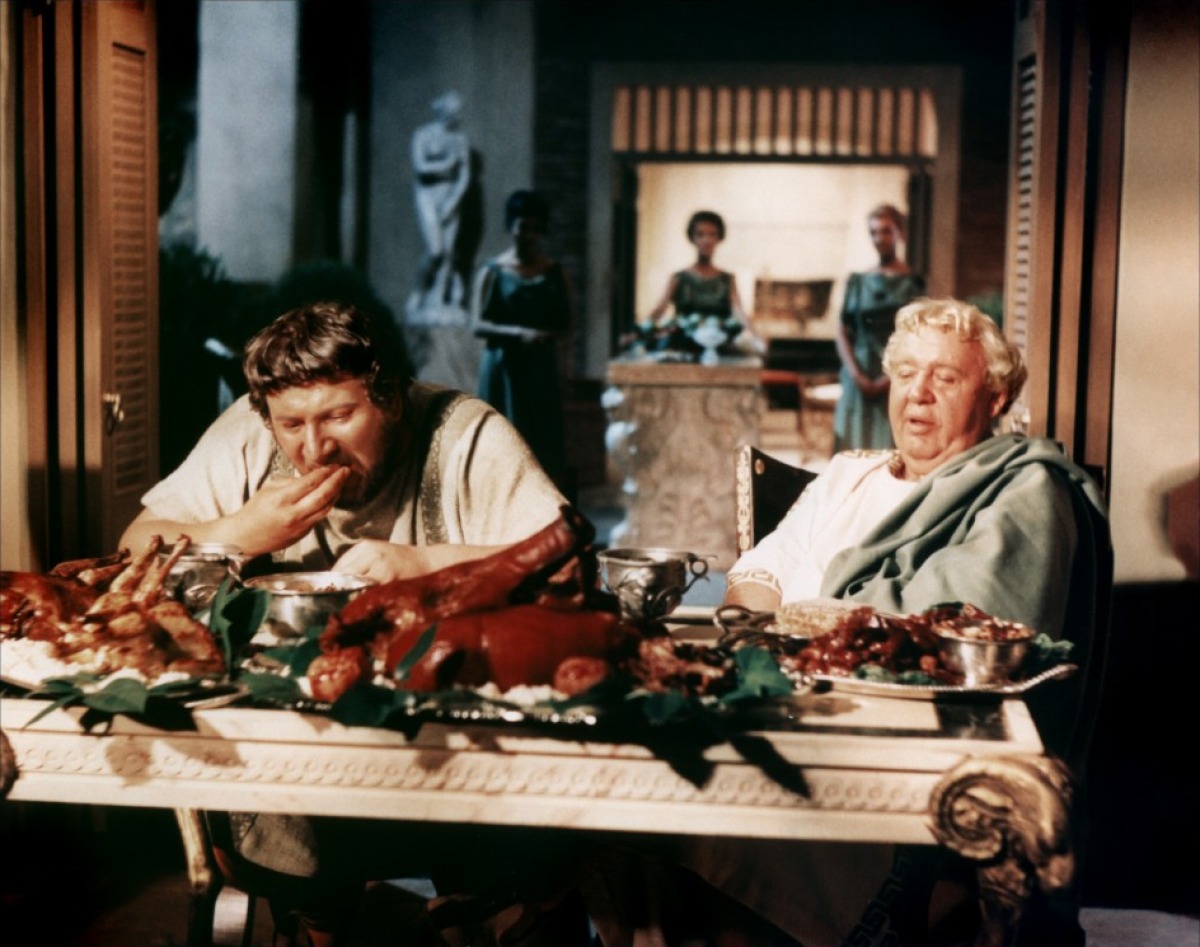
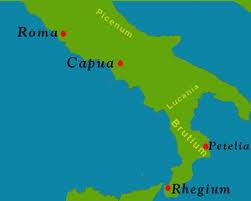
We have three main ancient sources of Spartacus: Plutarch (c. AD 46 – 120), see his Crassus; Lucius Annaeus Florus (c. AD 74 – 130), see his Epitome of Roman History; and Appian of Alexandria (c. AD 95 – 165), see his Civil Wars. According to these chaps, Spartacus was from Thrace (present day Bulgaria) and either an auxiliary in the Roman Legions or a captive from Romans wars around Thrace. Whichever, he was sold into slavery (for some misdemeanour if an auxiliary) and ended up training as a gladiator at a camp near Capua belonging to Lentulus Batiatus (wonderfully played by Peter Ustinov in the film).

25-peter_ustinov_theredlist

Peter Ustinov (Batiatus) and Charles Laughton (fictional Gracchus) – what a great pairing!

We have no information about Spartacus prior to his escape, so the film was ‘making it all up’ – well, Howard Fast was – Hollywood just followed. In saying that, Hollywood, of course, had  a love interest in the film, Spartacus and Varina (played by Jean Simmons) and this is highly likely as gladiators were allowed female companions. What we do know for sure is that some 70 slaves escaped from the camp and, as previously mentioned, at least three leaders were appointed, Spartacus, Crixus (played by John Ireland in the film) and Oenomaus (sadly for him, ignored in the film – but he was probably killed early on in the revolt). The sources aren’t clear on the actual role of the latter two  but both were Gallic slaves and gladiators.

spartacusstrode

Nope, no documentary evidence of this fight.

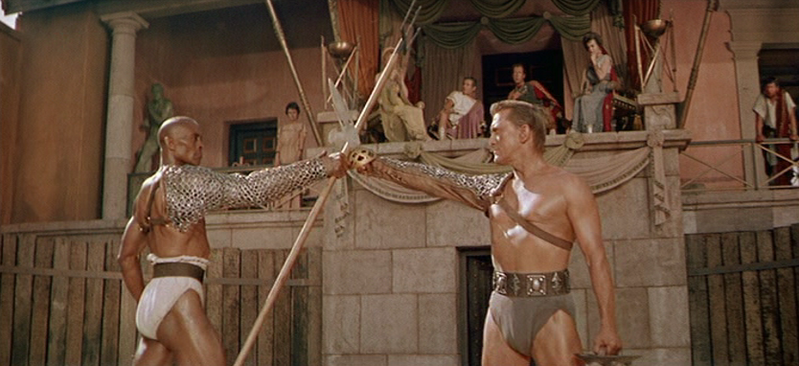
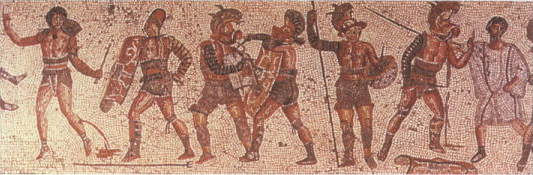
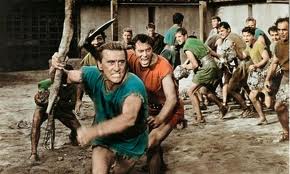
Aside: Of the types of gladiators, it is believed Spartacus was a murmillo who carried 35-40 pounds of arms and armour, wearing a bronze helmet, various arm and leg guards, large oblong shield and a broad straight bladed sword (a gladius – see the sword in the film poster above). His opponent in the film (played by Woody Strode) was a retiarius who fought with a trident and a nest. In ‘real Roman life’ a murmillo usually fought a thraex who was also heavily armoured but had a short Thracian curved sword and a small round or square shield. A retiarius, usually fought a secutores who was very similar to a murmillo but with a special helmet to protect against the trident.

Gladiators_from_the_Zliten_mosaic

Zliten mosaic AD 200: left to right:  retiariuas (leg wound and broken trident on ground) fighting secutores;  thraex fighting mirmillo;  hopolmachus (with sword and spear) fighting mirmillo (latter surrendering to referee).

spartacus-blu-ray-review2

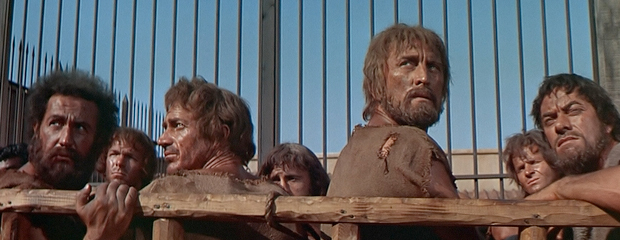
Yep, grubby gladiators thinking of escape ……. or looking to see what’s for supper 

The break-out from the Capua camp took place early in 73 BC. What followed was the Third Servile War (the other two were slave related, as the title may reveal, but nothing to do with this one). The gladiators began fighting for their freedom – just like the Texans at the Alamo, a few blogs back, remember? Actually, nothing like the Texans at the Alamo a few blogs back. This was really a fight for freedom.

still-of-kirk-douglas-in-spartacus-(1960)-large-picture

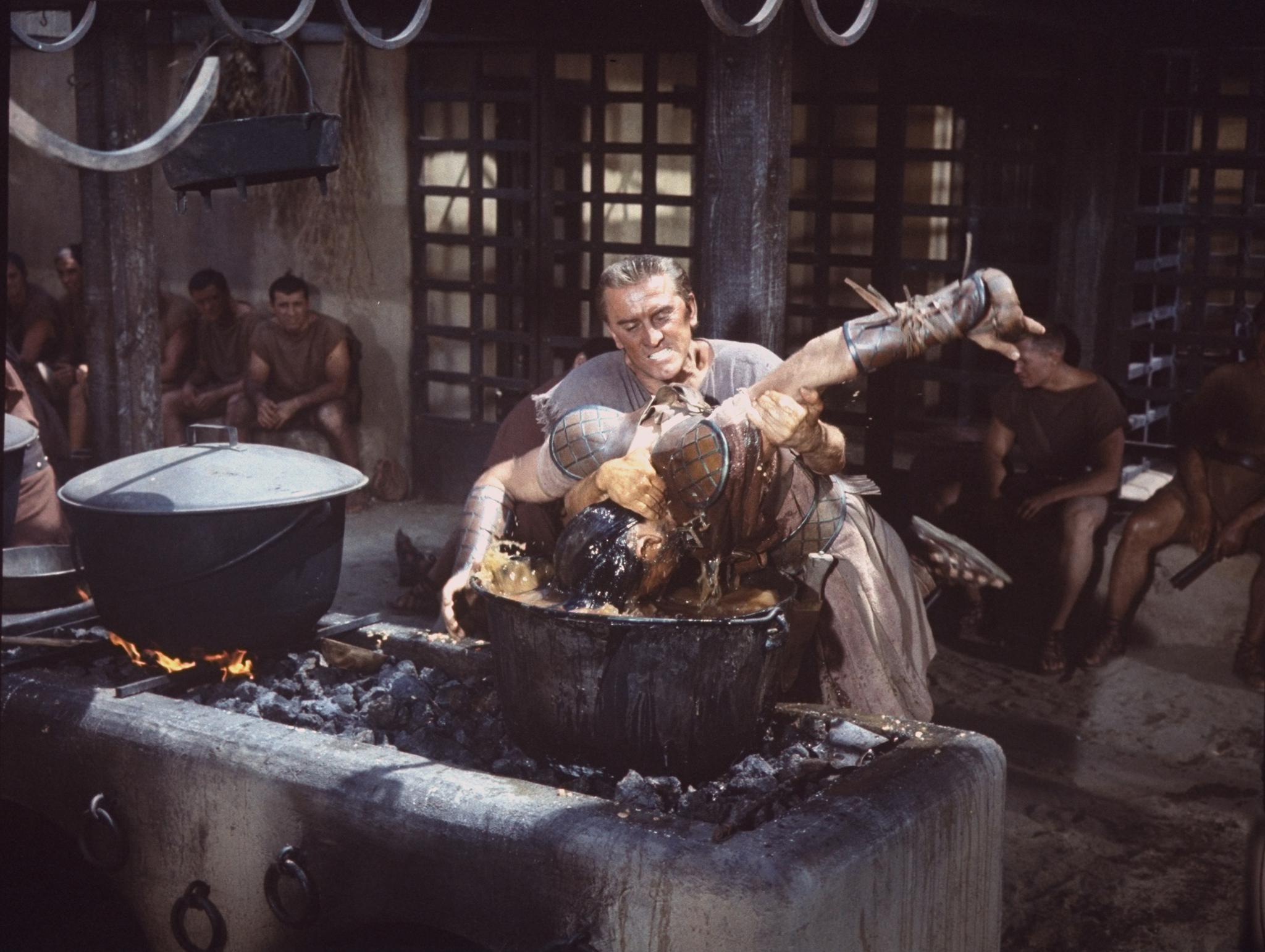
Cause of the break-out: “I told you I don’t like soup”

 map 2

The Romans didn’t take the rebellion too seriously at first thinking it just an agitation that would soon be put down. They were wrong. Gaius Claudius Glaber was sent to crush the slaves and he besieged them at Mount Vesuvius (just south of Capua). Spartacus was a bit of a tactician (hence leading historians to believe he had had military experience) and he climbed down the mountain (not alone – with his army… ok) and took the Roman camp by surprise killing nearly all in it (I never said this was going to be pleasant). He then defeated another Roman force sent against him under Publius Varinius. By now his own army had swelled to around 70,000 (although we cannot be sure about any numbers). Rome was a bit embarrassed and in difficulties as most of its legions were away fighting in Hispania and the Third Mithridatic War (Asia Minor).

slaves 1

Spartacus winning the gladiatorial relay race

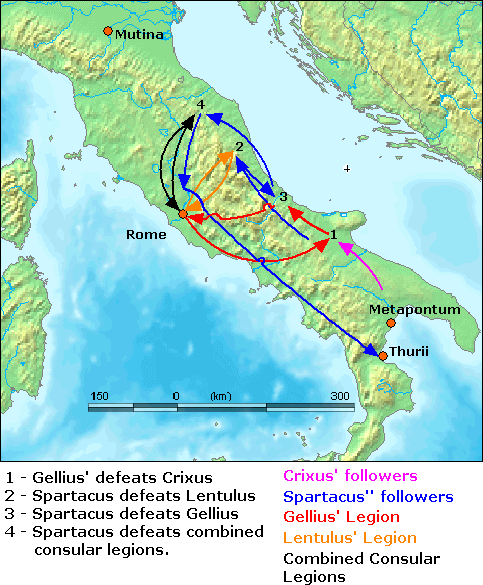
What happened next, in Spring of 72 BC, is disputed by the ancient sources. Appian suggests that Spartacus and Crixus split their forces and headed south to Thuri and Metapontum respectively (we assume Oenomaus is dead by now as he no longer gets a mention by the ancient historians). Then both armies turned and moved northward to march on Rome. If this is true, one can only assume the detour south was to gain more support. Crixus, with an army of 30,000 (or it may have been only 10,000) is defeated by a Roman force under Lucius Gellius Publicola near Mount Garganus (see map below). Spartacus arrived too late to save Crixus, who is killed (in the film he is killed in the final battle – John Ireland obviously had a good agent). Spartacus then defeated another Roman army under Gnaeus Cornelius Lentullus Clodianus (known as Gnat the Clod for short perhaps?) and executed some 300 Roman soldiers to avenge Crixus’ death – I know, Kirk Douglas would not have done that. After a change of mind about an attack on Rome, he headed back south to Thuri with, by now, around 120,000 men (maybe).

john-ireland-spartacus-2 (1)

“What am I doing here?” thinks Crixus played by John Ireland

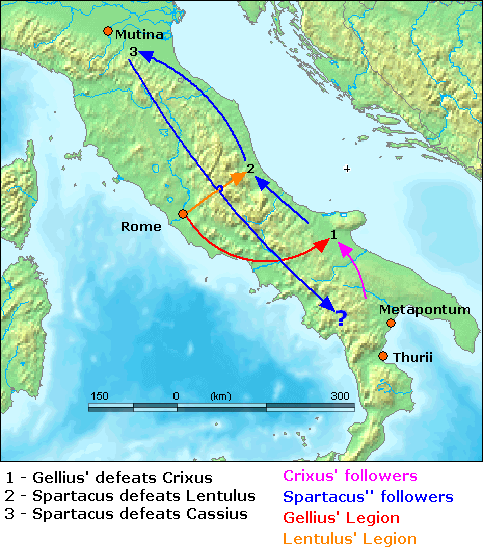
According to Plutarch, after his victory over Lentullus Clodianus, Spartacus headed north to Mutina (present day Modena) with the intention of escaping into Cisalpine Gaul. This makes some sense. Here he meets, greets and defeats an army of 10,000  under the governor of Cisalpine Gaul, Gaius Cassius Longinius. He and his followers are now free to ‘head for the hills’ – well, the Alps. However, for no explained reason, Spartacus and his crew turned around and headed south again. It may be that crossing the Alps was a too daunting exercise – but why head there in the first place? Spartacus may have been aware that Pompey’s legions were in Hispania and would be heading towards him in due course if he held up in Gaul. But he must have  realised a confrontation with the Romans was inevitable.

AppienSpartacus                 Plutarch 2

The events of 72 BC according to Appian                    The events of 72 BC according to Plutarch

So, who do you believe – Appian or Plutarch? Or neither – perhaps they were both guessing. They were both writing several years after the war and relying on reports given to them and we don’t know how reliable such reports may have been. It really depends on what Spartacus’ motive was. Was he trying to escape or trying to cause as much trouble to the Romans as possible, or trying to end slavery (ambitious or what?!). We don’t know and never will, so not much point dwelling on it.

kirk-douglas-spartacus-pictures-007

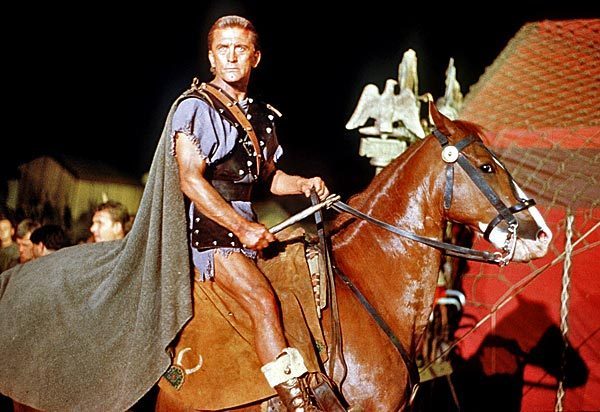
Kirk Douglas as a determined Spartacus – what was his motive?

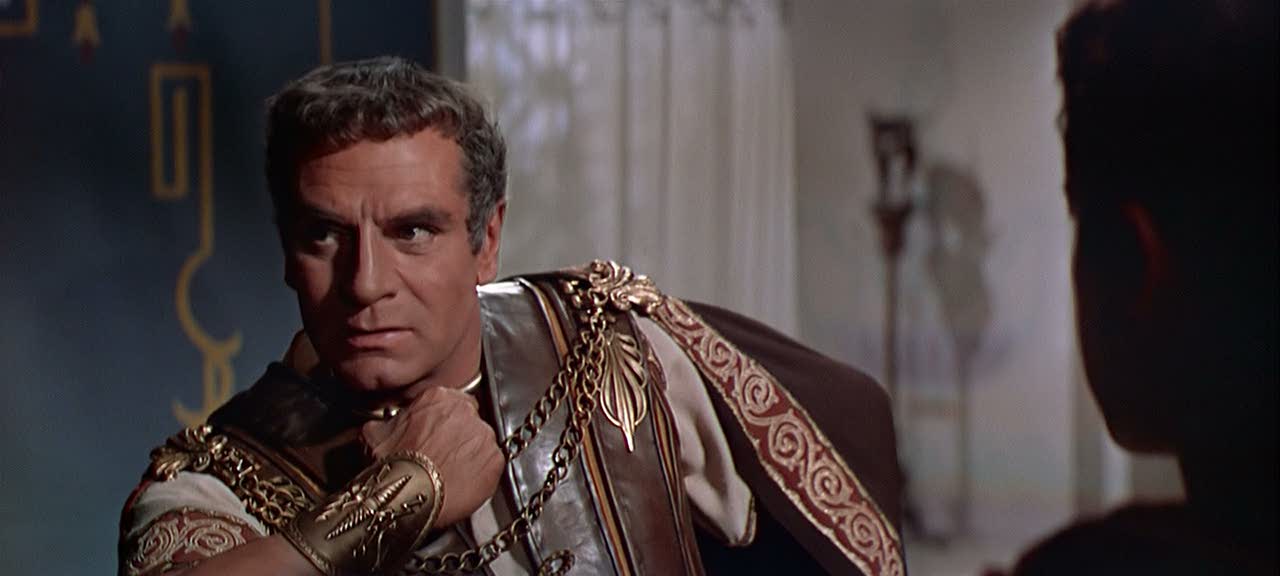
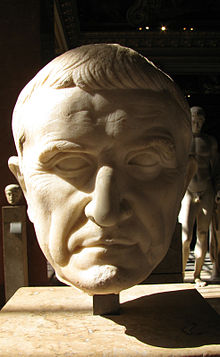
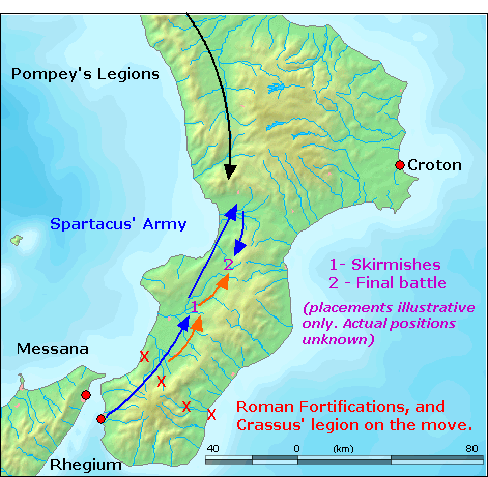
71 BC, enter Marcus Licinius Crassus (Laurence Oliver). He is given eight Legions (approx. 40,000 men) and told to sort out Spartacus & Co. By now the slaves are moving south and after several successful on-route skirmishes by the Romans legions, Spartacus set up camp at Rhegium (see map below). Here it’s possible (as seen in the film) he did try and do a deal with Cillician pirates (led by Herbert Lom in the film) to transport his motley mob by ship to Sicily, but he was betrayed – the pirates took his money and ran.

crassus2

Laurence Olivier as Crassus

                                                                 Marcus_Licinius_Crassus_Louvre                                                  

           Bust of real Crassus

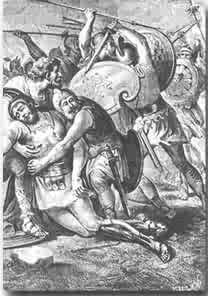
Spartacus broke out of the, then, besieged camp and headed to the mountains of Petelia (present day Strongoli) near Croton (see map below). The rebel force must have have split at some stage (possible dissension in the ranks) and a group under Gannicus and Castus was defeated at  Cantenna  (modern location unknown) by part of Crassus’ army. Crasssus then turned on Spartacus and the latter soon realised that a fight was inevitable.  We don’t know how many men there were in the rebel army but an estimate of around 30-40,000 may not be far off. It’s not entirely clear where the final battle took place – see map below, but there is another belief that it took place further northwest, at Senerchia/Caposele, in Luciana, evidenced by archaeological finds of armour and weapons. Take your pick!  However, the slaves were defeated and the ancient sources say the Spartacus was killed in the action but his body was never found. Some 6,000 surviving slaves were crucified on the Appina Way (the road from Rome to Capua) as an example to rebellious slaves, but there is no suggestion that Spartacus was one of them (and, sorry, Tony Curtis’ character was Hollywood fiction).

Last_battle

Finale

In the film, it is suggested that the main reason for the defeat of the slaves was because Crassus was reinforced  by Pompey and his legions coming from Hispania. It was true that Pompey was on route but he was not involved in the final battle (trivia: filmed in Madrid). Crassus knew he was coming and so had to defeat the slaves before he arrived otherwise the credit for victory would go to the reinforcing general. Pompey did arrive in time to wipe out some 5,000 fleeing slaves. He kindly gave Crassus the credit for winning the battle but he (Pompey) took the credit for ending the war by wiping out the remnants of the slave army. Generous or what?! Needless to say, Crassus was none too pleased and they weren’t to be best pals.

Spartacus_II

19th century depiction of the death of Spartacus – in battle

Film trivia: Kirk Douglas was intent on making the film because he had failed to get the lead part in Ben Hur (it went to some Heston chap). Douglas was executive producer and had to hurry to find finance for it because Yul Brynner was also planning to make a film about Spartacus. Universal Studios only gave Douglas the money once he had persuaded Laurence Olivier, Charles Laughton and Peter Ustinov (no one knew who Tony Curtis was then) to appear in the film. Good reason as any in 1960.

spartacus_95 2012

Kirk Douglas in 2012 – not bad  at 95!

.

Next week: Tutankhamun – death can be fatal

.


Artemus Smith’s Notebooks

I continue my research of the notebooks of Dr Artemus Smith, archaeologist of great courage, determination and fiction. Here is another extract:

My good friend Hamish McCondor had a goodly quantity of fine vintage port which he took esteem pleasure in consuming in not too delicate quantities. I am pleased to report that, occasionally, he would share a glass or two with my good self. Well, my poor colleague took ill and his doctor ordered him off the port. Weeks went by and Hamish’s health began to seriously fade and so his doctor suggested that he had better take up the port again.

“Aye, doctor”, Hamish responded, “but what about the arrears?”

Art Smth

Linear B decipherment: credit where credit is due

LINEAR B is an ancient Greek language used by the Mycenaeans from mainland ‘Greece’ in the 2nd millennium BC. Although it was found at Knossos in Crete it is not a Minoan language (‘Minoan’ is Sir Arthur Evans’ name for ancient Cretans). Linear A is most likely Minoan but we do not know what that language is. The reason so much Linear B has been found at Knossos is because the Mycenaeans took over there around 1450BC. The clay tablets inscribed with Linear B have survived because, although originally sun dried, they were hardened, and so preserved, by the fire that destroyed Knossos (and also Pylos on mainland Greece).

Linear B

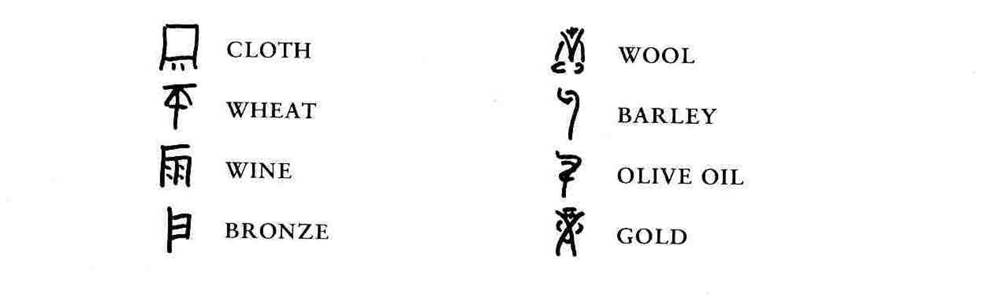
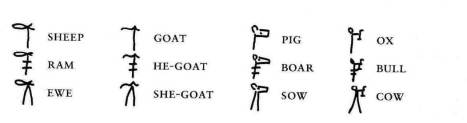
Linear B is a combination of pictogram and linear signs. The former were relatively easy to identify (well, some of them). Alice Kober (see below) was able to interpret male from female animals.

Picture1

Picture3

Picture2

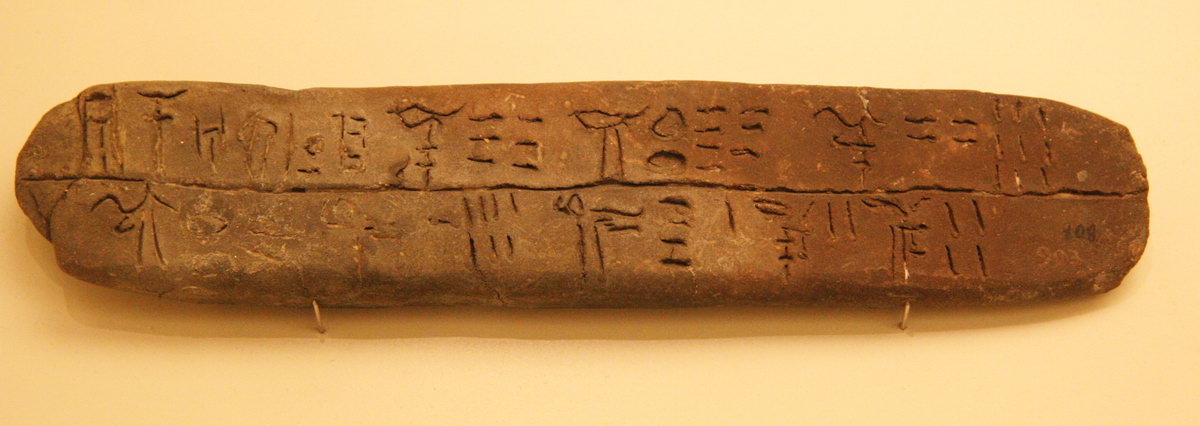
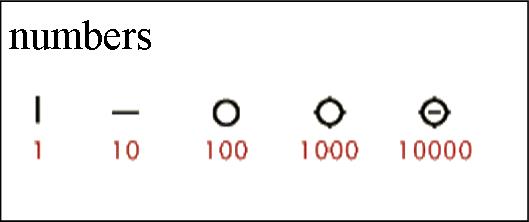
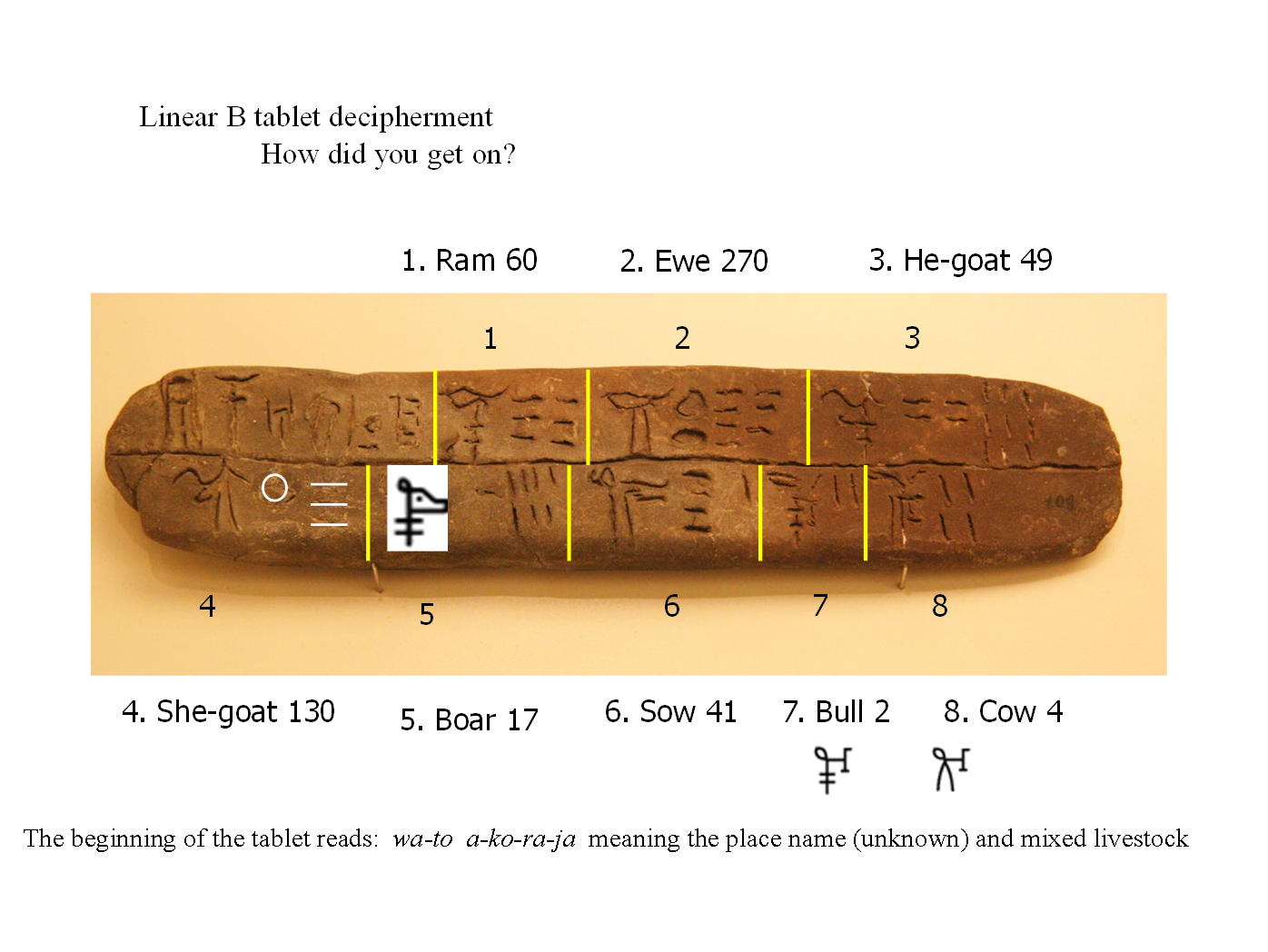
 Pictograms – using the bottom one (sheep, etc) and the numbers’ code below, see if you can decipher some of the Co 903 Linear B tablet below (answer at the end)

LinearB2

Linear B tablet Co 903 from Knossos (1450 BC)

nos

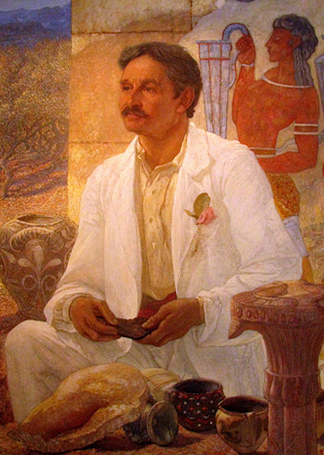
Sir Arthur Evans excavated at Knossos from 1900 and discovered three different types of ‘writing’. He called them hieroglyphics (engraved pictures on sealstones), Linear A and Linear B. Linear A was limited in number so undecipherable but Evans had some 2000 Linear B tablets from Knossos and he was determined to decipher them himself but to no avail. Unfortunately, in his determination to be the first to discover the language he refused to allowed anyone else to see the tablets (other than a small number – see below) during his life-time.

Painting of Arthur Evans (from the Ashmolean Museum)

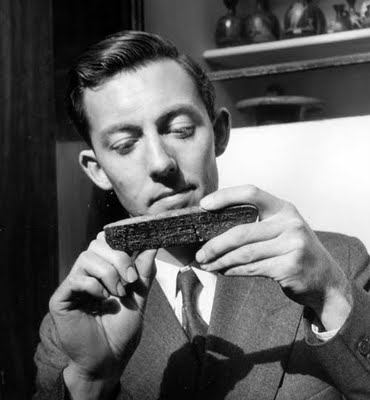
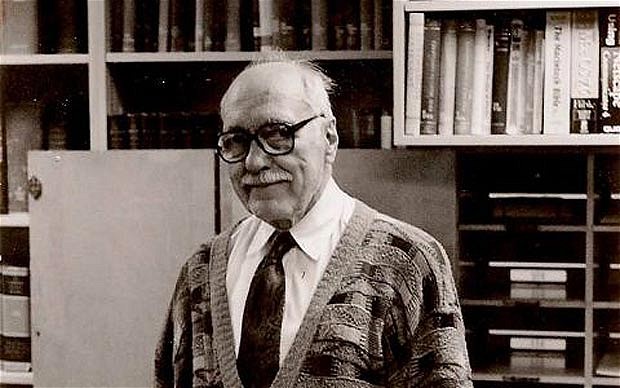
On the 1st July 1952, Michael Ventris (an architect), after years of study, announced on the radio that he had deciphered Linear B as ancient Greek. There is no doubt that Ventris was a genius but he would not have made his discovery so soon had it not been for the America classicist, Alice Kober. She had been privately working on Linear B since the beginning of the 1930s and was also a bit of genius herself. As with Ventris, she was good at learning languages and, whilst holding down a full-time job as a teacher at Brooklyn College, she learnt ancient Hittite, Old Irish, Akkadian, Tocharian, Sumerian, Old Persian, Basque, Chinese and Sanskrit. She felt she needed these languages to prepare herself for the study of Linear B. She also taught herself braille so she could teach classics to the blind.

MichaelVentris

Michael Ventris

Her main problem was the lack of tablets she had available to her to study. She only had about 200 – around 150 of which Evans had published and another 38 which Johannes Sundwall had published, without permission, having seen them at a museum in Crete – much to Evans’ annoyance. On Evans death in 1941, Kober had a breakthrough – Evans’s executor, Sir John Myers, allowed her to see Evans’s drawings of all his Linear B finds. She visited the Ashmolean Museum in Oxford where they were kept and had 6 weeks to copy as many as she could.

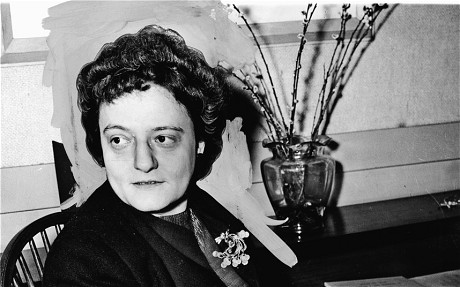
kober-portait-pic_2609211c

Alice Kober 

Not long afterwards, the American archaeologist, Carl Blegen, unearthed many more Linear B tablets at Pylos on the west of mainland Greece. Kober wrote to him to ask if she could see them but he declined. At this time she was working with Emmett L. Bennett Jnr. It was Bennett who worked out that there were 89 syllabic signs to Linear B – this repertoire of signs was crucial to both Kober’s and Ventris’ work.

bennett_2117484b

Emmett L. Bennett Jnr.

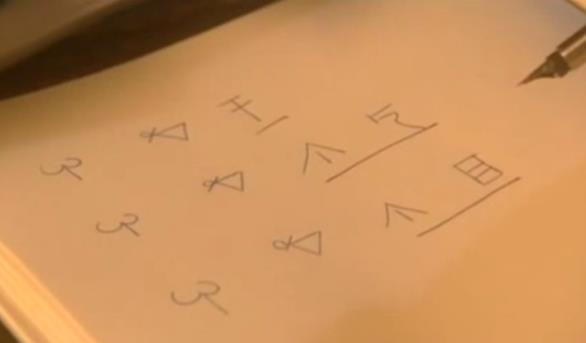
Kober worked on a card system database and end up with some 180,000 cards plus around 40 notebooks. Perhaps her main contribution was the vastly important discovery that Linear B made use of inflection. This means it has a different ending to the word depending on gender and/or declension – like Greek and Latin (remember amo, amas, amat … at school?). She discovered this by finding a group of three different endings to the same beginning of a word – Ventris called it her ‘triplets’. She then drew up a grid showing the relationships among the characteristics in the abstract – a phonetic pattern of consonants and vowels (which signs shared a consonant and which signs shared a vowel). Syllabic patterns were beginning to emerge. Sadly she died, probably of cancer (she was a heavy smoker), in May 1950 at the age of 43, before she was able to conclude her work. This was left to Ventris.

triplets

Kober’s ‘triplets’ – first two characters are the same  but with different underlined endings: inflection

It was this grid and knowledge that Linear B was inflected that Ventris worked from and realised that the endings were not grammatical but derivational (extending the size of words – e.g. just add ing on to an English word). He decided that Kober’s triplets might be place names and this led him to identify words such as the town of Amnisos (a-mi-ni-so) and from here the derivation fitted in: a-mi-ni-si-jo  meaning  ‘men of Amnissos’. The same then applied to Knossos (ko-no-so) and so forth. Simples! Linear B was Greek. He had cracked it!

hurray

However, in finally deciphering the language he gave Kober little credit for it on his first radio broadcast and only occasionally mentioned her involvement thereafter.

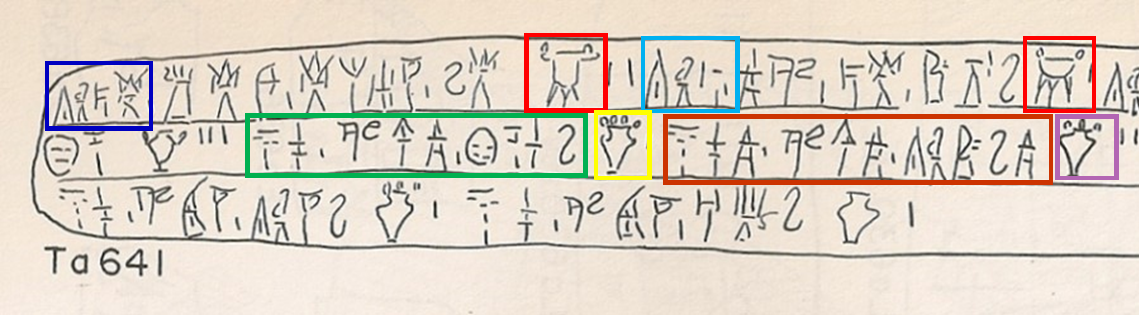
Even after his announcement Ventris was still in doubt, as were some academics. It wasn’t until Blegen came across 400 more tablets at Pylos in the Summer of 1952 that Ventris’ theory was confirmed and the sceptics faded. After studying the tablets in Spring 1953, Blegen obligingly sent his report to Ventris and one tablet in particular, the ‘tripod’ tablet, ta 641, stood out (see picture below). This tablet, using Ventris’ decipherment, contained the words ti-ri-po-de and ti-ri-po (dark and light blue rectangles on picture below) meaning, in Greek, two tripods and tripod respectively, with a picture of a tripod associated with each ‘sentence’ further along the tablet (red squares on picture below) [1].   On the line below, using Ventris’ decipherment, were the words di-pa  me-zo-e  qe-to-ro-we (green rectangle) meaning, in Greek, large four-handle goblet  and next to that a picture of a large four-handle goblet (yellow square); then the words  di-pa  me-zo-e  ti-ri-we-e (brown rectangle) meaning large three-handle goblet with a picture of a large three-handle goblet next to it (purple square). It all fitted!

Picture10

Linear B ‘tripod’ tablet Ta 641: top line, in dark blue rectangle, ti-ri-po-de (two tripods), light blue rectangle ti-ri-po (tripod), in red squares a tripod with the number of them next (vertical dash);  middle line, in green rectangle, di-pa  me-zo-e  qe-to-ro-we (large four-handle goblet), in yellow square a large four-handle goblet; in brown rectangle,  di-pa  me-zo-e  ti-ri-we-e (large three-handle goblet), and in purple square a large three-handle goblet

Ventiris first set eyes on Linear B when he was aged 14. Some of the tablets were on display at Burlington House in London and he was visiting with his school group from Stowe. Evans was there and told Ventris and his chums that it had not yet been deciphered. From that day Ventris was determined to have a go at it. It had been his ‘life-time’ ambition, but now, in 1952, having done it, he was at a loss as to what to do next. He wasn’t interested in the language itself, just cracking its ‘codes’. He returned to architecture but soon lost interest and suffered depression. Then, in September 1956, aged 34, he crashed his car and was killed. Some speculate it was suicide (his mother had depression and committed suicide), others put it down to a tragic accident. We’ll never know.

So, when we talk about Linear B decipherment, Michael Ventris’ name always comes to the fore. Although credit must go to him for finally breaking the ‘code’, some credit must go to Emmett L. Bennett Jnr and a great deal of credit must also go to Alice Kober. So there you go.

.

Footnote

[1] The full reading of the left-hand tripod in the picture is: ti-ri-po-de  a(i)-ke-u  ke-re-si-jo  we-ke  II (2)  meaning ‘two tripods cauldrons of “Cretan” workmanship’ The full reading of the right-hand tripos is: ti-ri-po  e-me  po-de  o-wo-we I (1)  meaning ‘one tripod cauldron of “Cretan” workmanship’.

.

Further info:

On Ventris, see YouTube video A Very English Genius – 7 parts; Click here for Part 1  (see Part 4 for Bennett and Kober)

Reading: A good book on Evans’, Kober’s and Ventris’ contributions to Linear B is Margalit Fox’s The Riddle of the Labyrinth, Profile Books, 2014; on Linear B see John Chadwick’s Reading Linear B and related scripts, The British Museum Press, 2001 (Chadwick was a great help to Ventris after his announcement that he had deciphered the script).

 Picture8

Next week: Back to Hollywood and fact or fiction – Spartacus

.


Artemus Smith’s Notebooks

I continue my research of the notebooks of Dr Artemus Smith, archaeologist of great courage, determination and fiction. Here is another extract:

Dr Quentin St John Balacava appeared late for our meeting. He said:

“My dear Artemus, profound apologies old boy, but I just could not find a parking space. Got one eventually. I Looked up to heaven and said, ‘Lord take pity on me.  If you find me a parking place I will go to Mass every Sunday for the rest of my life and give up Whisky.’ Miraculously, a parking place appeared. So I looked up again and said, ‘Never mind Lord, I found one.”’

Art Smth

‘E’ for Excellent class submarines in the Dardanelles

REGARDING LAST WEEK, not all subs were like the K class. For example, there was the E class which, in some cases, was highly successful, particularly in the Dardanelles.

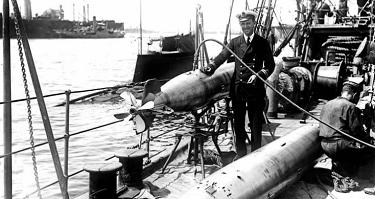
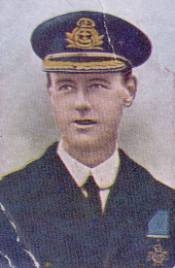
First to succeed in the Dardanelles was E14 commanded by Lt-Cdr Edward Courtney Boyle (actually B11 was first with Lt Norman Holbrook in December 1914, but his was only a brief visit but sinking the Messudieh in the processs). E14‘s task was to penetrate the Dardanelles, make her way through to the Sea of Marmara and cause as much havoc as possible to Turkish shipping and its supply routes to its troops at Gallipoli. Four other submarines had failed previously (E15, AE2, Joules and Saphir).

PhotoWW1-12ssB11-2HolbrookerVC-MQs

Lt Norman Douglas Holbrook

A submarine travels fastest on the surface by way of diesel engines. When it has to submerge the engines are shut down and the sub runs on batteries which only have a limited life before they need to be recharged. This has to be done on the surface by way of the engines. The faster the underwater current flowing against the sub, the faster the sub has to go and this exhausts the batteries much quicker. Got it? The possible hazards E14 faced:

  • Mines (the highest proportion of submarine losses were due to mines)
  • Nets
  • Shore-based guns (there were many and, at night, they had searchlights)
  • Shore-based torpedoes
  • Enemy vessels (patrol craft and destroyers)

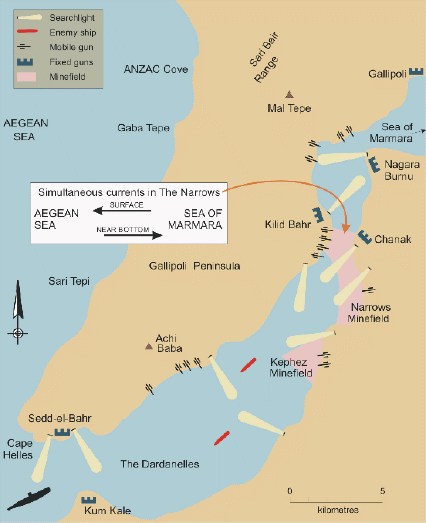
Now, submarines could dodge the latter three when submerged, although even using the periscope (needed for taking bearings) would attract fire from the shore-based guns. The distance she had to travel up the Dardanelles was some 35 miles and it was assumed she could not do this submerged all the way against an unknown underwater out-flowing current – presumed anything from 2-6 knots. At some point she would have to surface and re-charge her batteries – and become a sitting target (or so it was thought – but they would have a go anyway!).

dardenellesmap

Turkish defences in the Dardanelles

It would have been very useful to know the underwater currents, as this obviously affected the speed of the submarine submerged. It would have been easy to have measured them during peacetime – and this may have been done as the British had a Naval Mission in Constantinople before the war. Here it trained the Turkish Navy right up until the outbreak of hostilities with the Germans and the Turks. Admiral Limpus (commander at the Mission) was asked if he or his staff could supply any useful information about the Dardanelles and particularly the currents. The reply, “There’s been a high level decision about that. Admiral Limpus and his staff have been instructed not to supply any information which would be used against the Turks.”  “Why not?” asked one sub commander (Lt-Cdr Nasmith – see below). The reply, “Well, I suppose it would not be considered quite gentlemanly.”   Can you believe that?! Never mind the safety of our submariners – it’s just not British, old boy, to take such advantage of the enemy – not ‘playing the game, what’! [1].
 VCEdwardCourtneyBoyle

Edward Courtney Boyle

Anyway, E14 successfully found her way under the mines and into the Sea of Marmara on 27th April 1915. It transpired that there was no opposing current at that depth and so progress was much quicker than anticipated. For the first five days she managed to cause some confusion among the Turkish shipping but did not sink anything. She did meet up with AE2, an Australian submarine under Lt-Cdr H.G. Stoker. Unfortunately AE2 was sunk on her return journey by the guns of the Sultan Hissar, and the crew were picked up by the Hissar.
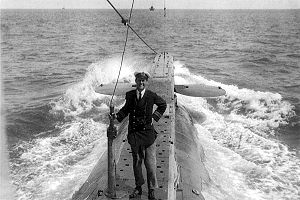
Edward_Courtney_Boyle_aboard_HMS_E14

Boyle on HMS E14

E14 had a bit of bad luck with her torpedoes (either missing targets or failing to explode – nothing unusual with either at that time) but she did manage to sink two gunboats and two transports, one of the latter, Gul Djemal, carrying some 4000 reinforcements to Gallipoli. As a result, this was the last time the Turks attempted to send troops to Gallipoli by sea (it was much more inconvenient and slower by land). What Boyle wished for was a deck gun for sinking smaller light ships rather than wasting torpedoes.

Bolye made a second successful trip into the Marmara, arriving on 10th June 1915 – this time with a six-pounder deck gun which was to prove most useful [2]. He managed to cause suitable chaos amongst Turkish shipping before making a third successful visit. He received the VC for his first mission into the Marmara.

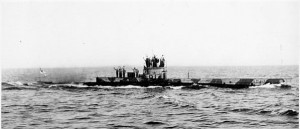
Then there was E11 commanded by Lt-Cdr Nasmith. Fortune smiled on E11 as she also got through the Dardanelles, under the mines, to Marmara, without the need to surface. During May/June 1915, she too caused havoc amongst the Turkish ships running supplies from Constantinople to the front lines at Gallipoli. This she successfully achieved, torpedoing five large steamers, two small steamers and a gunboat. Also she was the first to attack shipping in the Golden Horn, the harbour at Constantinople, for 500 years.

e11-300x129

HMS E11

Nasmith always tried to retrieve any of his torpedoes that missed their targets. He did this by setting them to float and then disarmed their detonators and returned them to the sub. Not an easy – or safe – task, particularly in heavy seas. As with Boyle, he also had some great opportunities to destroy light vessels and even trains if he had had a deck gun.

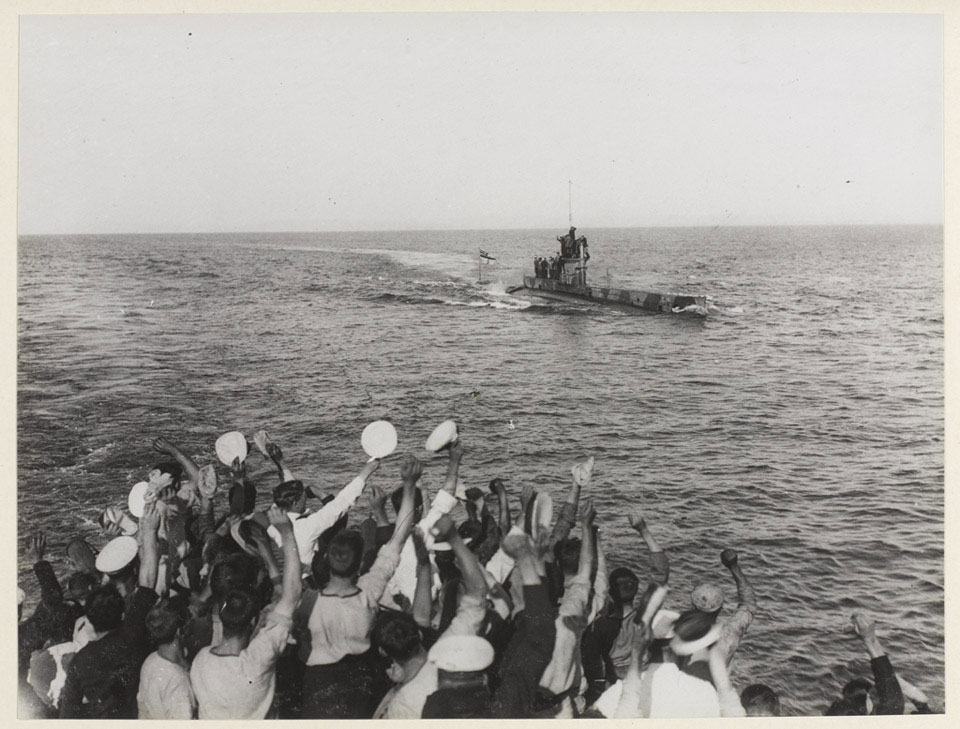
On her return through the Dardanelles, E11 snagged the mooring wire of a mine dragging it with her for some distance. If it came in contact with the sub and exploded the sub would have been completely destroyed and all her crew killed. Nasmith skillfully lost it by carefully reversing his boat and the mine’s mooring wire slipped off the sub’s hydroplane and disappeared. Her return was watched by HMS Grampus whose crew cheered her.

e 11

HMS E11 being cheered by the crew of HMS Grampus

During that trip, E11 sunk  a large Turkish gunboat, two transports, one ammunition ship, three store ships and four other vessels. As with Boyle, Nasmith was awarded the VC. He went on to complete two more successful missions in the Marmara, sinking a large number of Turkish vessels including the battleship, Barbarosa (which he had been after on his first trip).

VCMartinEricNasmith

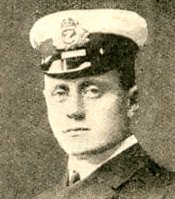
Martin Nasmith

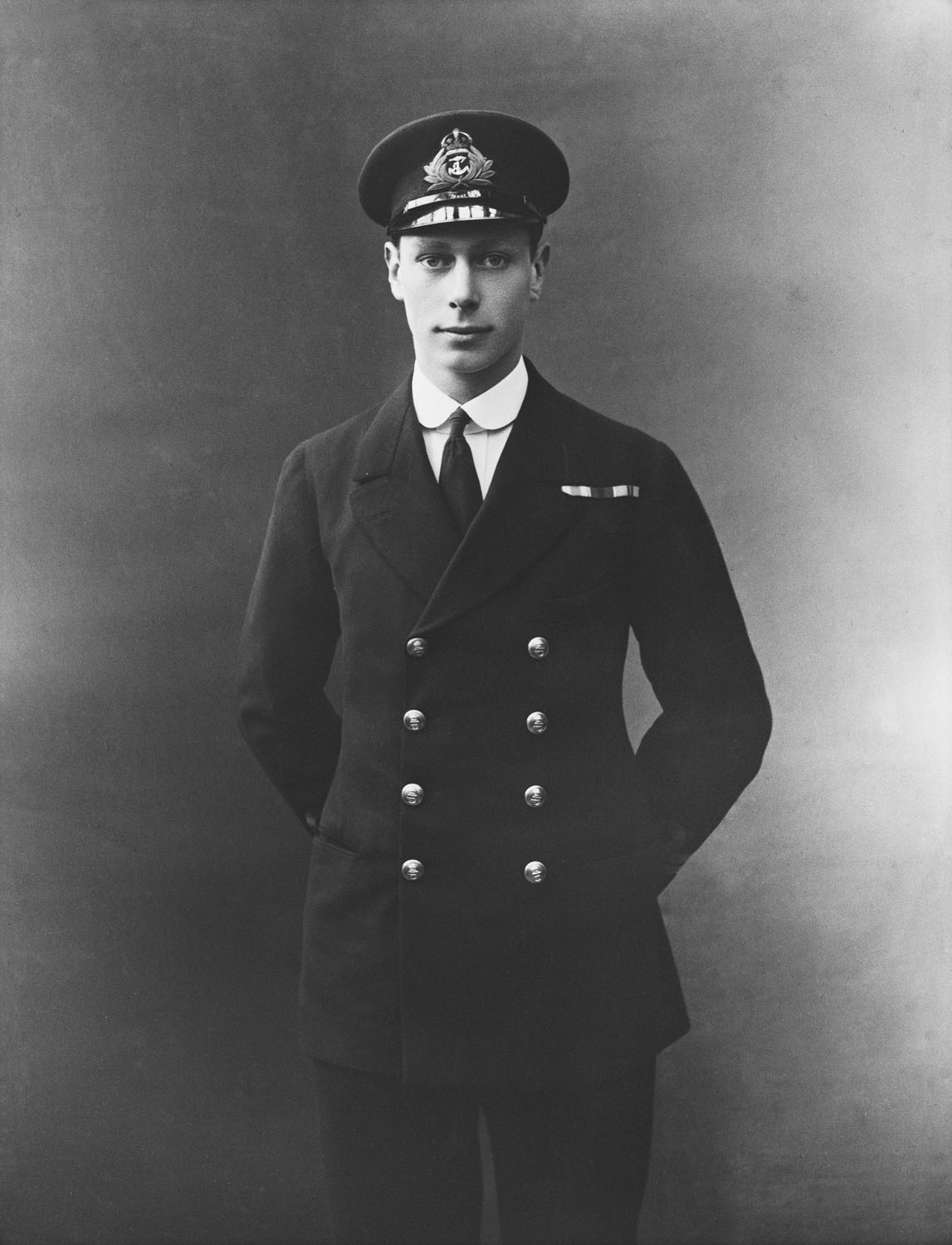
If you read my last blog you will recall that the sub K3  sunk with Prince Albert (future King George VI) on board. Happily no harm came to him and he was rescued. Interestingly,  Nasmith, when a Lieutenant commanding the sub D4, also had Prince Albert on board as a passenger, along with King George V and Winston Churchill. He (Nasmith) managed not to sink and safely returned his VIPs to port.  He is reported to have said that he wondered what would have happened to the course of 20th history if he had sunk that day! Doesn’t bear thinking about really.

60d42fb697f55d1f1f2bbe753bbd6e62

Prince Albert (1917) having survived K3

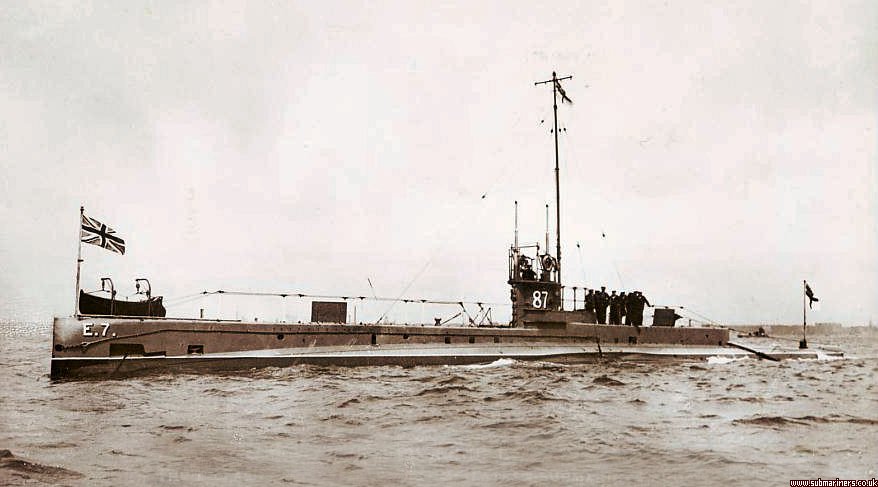
Finally, there was Lt-Cdr Archibald Douglas Cochrane in E7 (E12, with Lt-Cdr K. Bruce, had made it to the Marmara but the trip was cut short due to defective motors). E7 ventured into the Marmara  at the end of June 1915 – with a six pounder gun (they were becoming the norm) – to relieve Boyle. On the 2nd July, E7 surfaced off the coast of Rodosto and was fired at by several Turkish riflemen but it was well out of range. E7 fired her deck gun at them and they all scattered like frightened sheep!

300px-QF3pdrHotchkissRN1915

Typical WWI  deck gun on a submarine

It wasn’t until the 10th July that E7 had her first successful torpedo attack – on a circa 4000 ton steamer. Then, as had Nasmith, he attacked shipping at Constantinople, destroying ammunition vessels in the harbour near the Topkhana Arsenal. He then focused on trains – they were the main method of transporting troops following Boyle’s sinking of Gul Djemal (above) and, by now, also supplies. After spending three weeks in the Marmara, E7 was relieved by Boyle on his third venture  into the Marmara on E14. Cochrane had sunk one gunboat, five steamers, seventeen large sailing vessels, and various light vessels that had been anchored off the Topkhana Arsenal.

E7

HMS E7

On his second trip to the Marmara, on the 4th September 1915, Cochrane and E7 were not so lucky. They came up against wire netting and attempted to break through at full speed (usual method). This did not work and E7 got caught up in the net. A couple of mines exploded near to her hull. This cleared her of the netting but Cochrane was forced to surface into the open arms of a Turkish ship. He and his crew were taken prisoner. He was to escape only to be recaptured and then escape again – this time successfully. Cochrane was awarded the DSO and bar (latter for his escape). He didn’t get the VC as motoring under enemy mines was now too easy!!

NPG x4655; Sir Archibald Douglas Cochrane by Walter Stoneman

Archibald Douglas Cochrane MP, circa 1936

Between them, E11, E14 and E7 had sunk over 300 vessels including two battleships, a destroyer and five gunboats and had prevented the reinforcement of Turkish troops to Gallipoli by sea. Fine job, chaps! The last submarine in the Sea of Maramara was E2 and she was recalled on 2nd January 1916 as no longer required after the final withdrawal of troops from Cape Helles.

Boyle ended his naval career as a Rear-Admiral. By 1926, Nasmith was Rear-Admiral, Submarines, and was to be appointed the Second Sea Lord in 1935, retiring an Admiral in 1946. Cochrane retired from the Navy a captain, became an MP for East Fife then Dunbartonshire and ended up as Governor of Burma and with a knighthood.

.

Footnotes

[1] In His book, Destintion Dardanelles, Michael Wilson reports that in the early days of the war, neither Britain nor Germany envisaged the use of submarines as a means of waging war on the other’s commerce. When Lord Fisher suggested that this may be a future option for the Germans this was rejected out of hand by both Admiral Prince Louis Battenburg and Winston Churchill, with Captain (Commodore) Roger Keyes saying “we all discarded this possible behaviour as impossible and unthinkable.”  Disgraceful behaviour – just not cricket!!  Needless to say, the Germans did attack our commerce.
[2] Boyle desperately wanted a deck gun and went to the Constructor’s office on a Sunday for a pad for the gun to be fitted. He reported his frustration as the official in the office was “unable to put anyone on the job today – there is no work on a Sunday unless very pressing.”  How British again.  What’s next? – Tell the enemy they can’t attack at the moment, it’s tea-time ……
.

Next week: Back to Crete – you know I want to. Deciphering Linear B – credit where credit is due

.


Artemus Smith’s Notebooks

I continue my research of the notebooks of Dr Artemus Smith, archaeologist of great courage, determination and fiction. Here is another extract:

I opened the morning newspaper and was dumbfounded to read in the obituary column that I had died.  I quickly phoned the Dean of my College, an esteemed but aged colleague, Professor Aluicious Grantham-Hardrascal.

“Did you see the paper?” I asked him, “They say I died!!”
“Yes, I saw it!” replied Aluicious.  After a pause he added, “Where are you calling from?”

AT

‘K’ for Klot class submarines

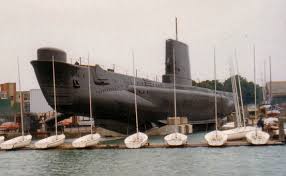
I HAVE ALWAYS been fascinated by submarines but not to the extent of serving in one! Equally, I have always admired those courageous and/or mad enough to do so. One such individual, a navigational officer, Michael Highwood, was kind enough to show me around the Submarine Museum and HMS Alliance, a 1947-1973 ‘A’ Class submarine, at Gosport the other week and it just confirmed all my aforementioned thoughts.

alliance3         alliance

HMS Alliance – scary. She looks enormous from the outside but you can’t swing a guinea-pig inside.

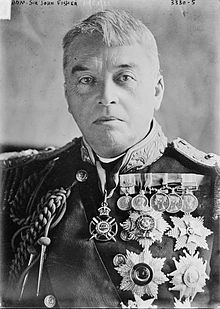
This brings me on to my tales of submarine woe – the WWI ‘K’ class sub. This has got to be the worst ever RN vessel design. If ‘K’ dosen’t stand for the designer whose name should be Klot, it should certainly stand for Katastrophe. During WWI we had various types of ‘conventional’ submarines but Admiral Lord Fisher, the First Sea Lord, was keen to build a large and fast submarine to accompany the Grand Fleet. He commissioned the design of the K class. They were to be longer than a football field – over 100 yards – three times the size of the, then, existing British E class submarine. It was  not a good idea.

-Adm._John_Fisher

Admiral of the Fleet Lord ‘Jacky’ Fisher of Kilverstone (1841-1920)

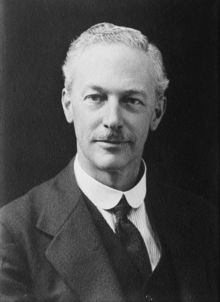
The Director of Naval Construction, Sir Eustace Tennyson-d’Eyncourt, came up with the design for ‘K’ class submarines and to satisfy Fisher’s need for the submarine to achieve at least 20 knots on the surface (to keep up with the fleet) he decided that they would have to be driven by steam turbines with funnels. Yes, funnels on a submarine. On diving, the two funnels folded back into wells which were sealed with hatches.  Even so, I’m no ship designer but even I can see possible problems on the surface with heavy seas entering the funnels and putting the boiler out ….  Yep, with a submarine with funnels, there must be trouble ahead.

 Sir_Eustace_Tennyson_d'Eyncourt_Collection)

Sir Eustace Tennyson-d’Eyncourt (1868-1951) 

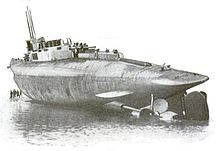
Well trouble was ahead, but not just because of funnels. Twenty-one K class subs were initially ordered to be built in 1915 and 1916 at Vickers & Maxim in Barrow. One of the design’s major difficulties was diving in haste – a rather important requirement for a submarine I would have thought. The average sub was expected to be able to dive below the surface between 30-40 seconds. K class subs took 5 minutes to dive! This made them ‘sitting ducks’ to say the least. Anyway, let’s have a look at their track record:

  • K3 was the first to be launched around May 1916 with Prince Albert, the future King George VI, on board. When she tried to dive she sunk head first to the bottom with her stern above the water line with propellers spinning wildly in the air. Luckily no lives were lost – just face. Drowning Prince Albert would definitely have been be a little embarrassing for the Royal Navy.
  • K5 disappeared for no known reason, on the 20th January 1917, in a mock battle in the Bay of Biscay. Wreckage was found and it was assumed she must have exceeded her maximum depth.

K5

HMS K5 under steam – weird site for submarine

  • K13 (now who is going to want to serve on a boat numbered 13?), on 29th January 1917, dived at Gaire Loch. The boiler room flooded (those funnels again?) and the sub sank to the bottom. Following an incompetent rescue mission, sadly 25 lost their lives. She was salvaged and renumbered K22 (no, not finished with her yet).
  • K4 ran aground at Walney Island also in January 1917 (and not finished with her yet).

K 4 aground at Walney island

HMS K4 aground at Walney Island

  • K4 was then rammed by K1 on 18th November 1917 (and still not finished with K4 yet).
  • K2 suffered an internal explosion and caught fire. There were no fire extinguishers on board (surprised?) but, fortunately, she was able to surface and the fire was extinguished with buckets of sea water passed down hand-to-hand (don’t even ask!).
  • K6 sat on the bottom with a failed compressed-air system. She was fixed and refloated but this did not bode well for what was her her trial run (shall we have another go?).
  • K 14, on her trial run, developed leaky plates and electrical fires – but that was to be the least of her problems (more on her below).

The above last three incidents were just examples of problems that occurred on all of the first thirteen K class boats during their trials between January and May 1917.

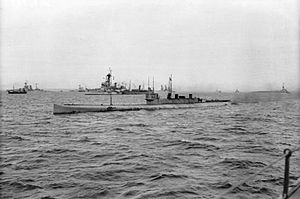
K3

HMS K3 with the surrendered German Grand fleet in background

There’s more. June 1917, four K class subs were involved with an anti-submarine sweep in the North Sea with destroyers and conventional submarines. During the ten day operation no U-boats were destroyed, yet the Germans sunk nine British merchant ships who were supposedly being protected by the British force. But there was action: in the confusion, K7 was identified as a German U-boat and depth charged, fortunately unsuccessfully, by two British destroyers. She (K7) then found a genuine U-boat and fired at it with a torpedo at point blank range, hitting the U-boat but no explosion followed. K2 was reported lost with all hands by the Fair Isle lighthouse who had seen the submarine suffer an explosion, believing her to have hit a mine. The Admiralty sent out telegrams with the bad news to the crews’ next of kin who were naturally all devastated. Two days later the submarine appeared unidentified at night at Skapa flow causing a general panic as no one recognised it. Fortunately no one fired on her. The explosion the lighthouse had seen was K2 firing its gun at the lighthouse!

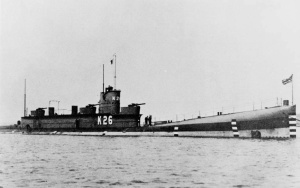
 HMS_K26

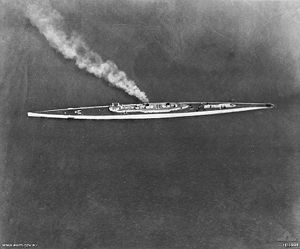
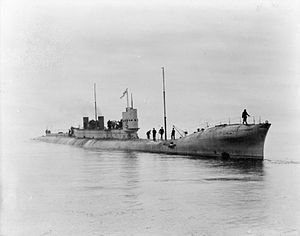
K’ class submarine complete with two funnels (K26 was launched after the war in 1919)

Then came calamity with a capital ‘K’. Operation E.C.1 on the 1st February 1918 was to prove ‘K’ class subs were a total liability and the event became known as the ‘battle’ of May Island, although it wasn’t a battle as such. Let’s set the scene: The battlecruiser, Courageous, led the operation along the Firth of Forth. Behind her came the cruiser, Ithuriel, with five K class subs. About five miles behind came four more battlecruisers, and behind them the cruiser, Fearless, with four K class subs. Behind them, at the tail of the entourage, came the huge battleships with escorting destroyers. A force to be reckoned with – or so you would have thought. This is what happened:

  • First of all eight armed trawlers mine-sweeping in the Firth approached the fleet and a mist appeared. Ithruel lost visual contact with Courageous and went off-course. There then came confusion among  the five K subs. They were trying to follow Ithruel’s lights but were bewildered by the flashing navigational lights of the trawlers. K14 tried to avoid the trawlers by going hard to starboard, but in the process jammed her helm. Her commander stopped engines otherwise he would be going around in circles. K22 (the salvaged K13 above), steaming at 19 knots (despite the mist), ploughed into K14.
  • The battlecruisers (five miles behind) were soon bearing down blind on the carnage caused by K22 and K14. The battlecrusier, Inflexible, as its name perhaps denotes, ploughed into K22.
  • Behind Inflexible came the cruiser Fearless and the four other K subs, all at full speed. Fearless rammed K17 and sunk her.
  • Also moving at full speed was K6 as it crashed into K4 (the one mentioned twice, above), which for some strange reason had stopped and had no lights on. She sank and nearly took K6 with her.
  • Desperate attempts were being made to rescue the crews of the sinking K subs when the tail-end escorting destroyers appeared and blindly ploughed through the survivors of K17.

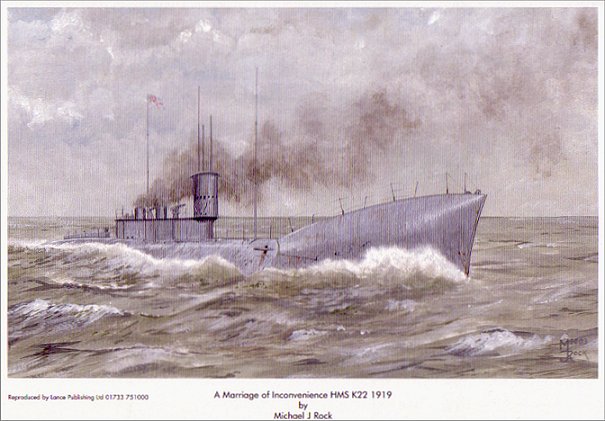
k22

HMS K22

Despite all this, K class subs were still being constructed after the war (see K26 in pic above) – and still failing. On the 25th June 1921, K15 sunk minding its own business at its mooring at Portsmouth. It was due to a loss of pressure causing dive vents to open – bit careless. And just to mention the inevitable, also in 1921, K22 (again), dived with both her funnels open ……

K15

HMS K15

The tragedy of this unnecessary loss of life and destruction is difficult to comprehend. Rear-Admiral Ernest Leir commented, “The only good thing about K boats was that they never engaged the enemy.”  It makes you wonder whose side Tennyson-d’Eyncourt was on when he designed the K class submarine.


POSTSCRIPT

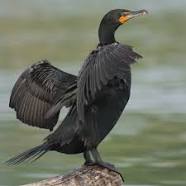
German U-boats caused a great deal of trouble at the beginning of the war and Great Britain had to come up with a way of detecting their presence. The solution was to sail the merchant ships in convoy supported by warships. However, before this was decided upon, the public were encouraged to come up with ideas. Well-meaning as some of them were, one or two were, shall we say, not all that practical. Suggestions included the training cormorants to drop bombs,  seagulls to spot periscopes, and sea-lions to spot U-boats. How these birds and sea-lions were going to distinguish between U-boats and allied subs and then (with regard to the latter two) communicate to the authorities wasn’t explained! In saying that, on the sea-lion suggestion, apparently the Royal Navy expended some effort – and sea lions – in a feasibility study ….. (if you don’t believe me, read Peter Lawrence’s book on A Century of Submarines, Tempus, 2001).

cormorant

Cormorant bomber

.

Next week: ‘E’ for Excellent class submarines – not all subs were like the K class, some actually succeeded. Let’s look at E7, E11 and E14 in Dardanalles in WWI

.


Artemus Smith’s Notebooks

I continue my research of the notebooks of Dr Artemus Smith, archaeologist of great courage, determination and fiction. Here is another extract:

I had another visit from my old chum Hamish McCondor the other day. He was in quite an irate mood. He growled,

“My neighbour knocked on my door at 2:30 am this morning. Can you believe that, 2:30 am?!

Luckily for him I was still up playing my Bagpipes.”

Art Smth

Ill Met by Moonlight: Hollywood fact or fiction?

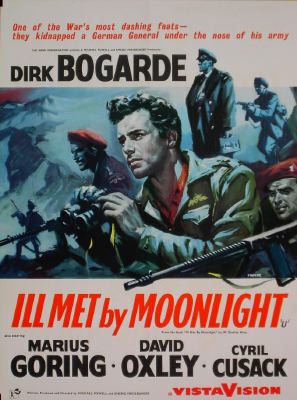
IF YOU HAVE NOT SEEN IT, Ill met by moonlight was a film about the kidnapping of a German General from Crete in 1944. And, yes, yes, we established last week that this film wasn’t made by Hollywood – but it’s all part of the ‘series’!

ill-met-movie-poster

Film fact

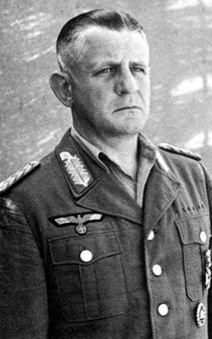
The idea was to kidnap the German General, Freidrich-Wilhelm Müller, who was a particularly nasty commander of the German forces in Crete. He was responsible for hundreds of Cretan civilian reprisal executions and the razing of villages to the ground. He was known as the ‘Butcher of Crete’. The leader of the kidnappers was a British major, Patrick Leigh Fermor, and his side-kick was Capt. William (Billy) Stanley Moss (who wrote the book of the film of the same name – and probably has the T-shirt [1]). However, by the time the plan had been organised, Muller had been replaced by General Heinrich Kreipe. It’s probably just as well because, due to Muller’s nastiness, he would most likely have been killed by the Cretans long before Fermor & Co got anywhere near to getting him off the island.

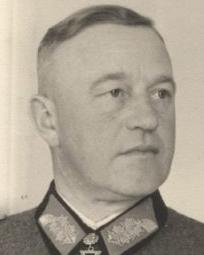
General_F.-W._Mueller

Müller, he was tried for war crimes after the war and executed by firing squad in Athens on 20th May 1947 – the anniversary of the German invasion of Crete – nice touch

It all began on the 26th April 1944. Kreipe was being driven from his headquarters in Archanes to Villa Ariadne (previously Sir Arthur Evans’ villa) at Knossos where he stayed. It was 9.30 at night. Fermor and Moss were dressed in German corporals’ uniforms and waved the car down. The driver was hauled out and hit on the head by Moss, whilst Femor pulled Kreipe from the front seat. By now the remainder of the kidnapping force of Cretans had appeared. Three of them jumped into the back seat with Kreipe wedged between and one of them had a knife to his throat to keep him quiet.

General_Heinrich_Kreipe

Kreipe – not so nasty general

In the film, whilst planning the kidnapping, one of the Cretan look-outs was adamant that the car carrying Kreipe was a Mercedes; in fact in 1944, it was an Opel, but I suppose the public hadn’t heard much of that make of car at that time – but everyone knew Mercedes!

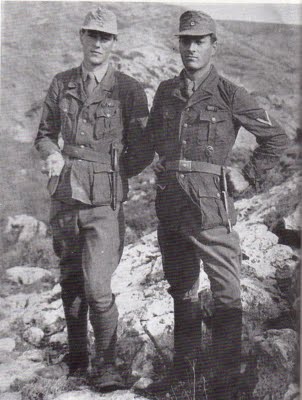
leigh-fermor-anmoss

Moss (left) and Fermor dressed as German corporals (film fiction: Leigh Fermor did not kill two Germans in the dentist’s surgery and take their uniforms)

Four of the Cretans set off on foot with the dazed driver, Alfred Fenske, and they were to meet up with the others at Anoyeia. The fate of the driver was not mentioned in the film but he never made it to the meeting place. He was killed because he was too much trouble – not the ‘done thing’ for a British film in the 1950s.

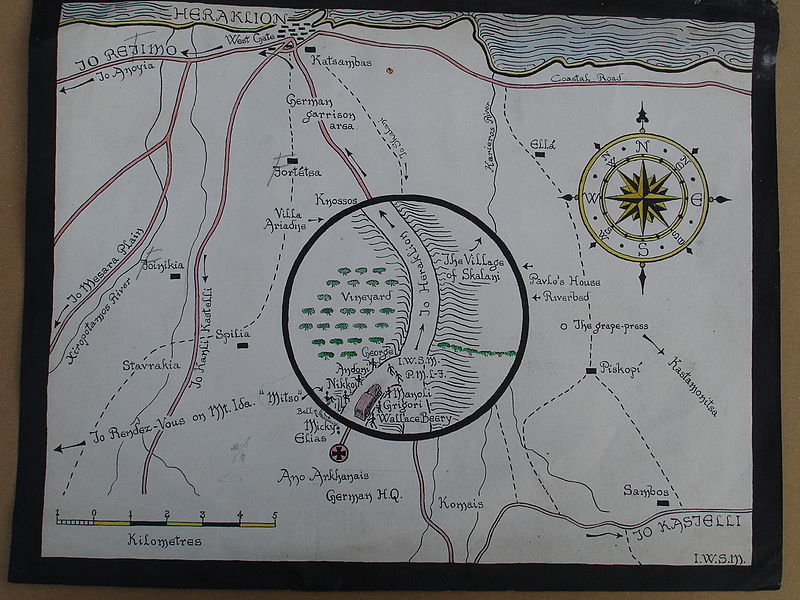
plan

 Map of the kidnapping on the road from Archanes to Knossos

Fermor & Co, with Moss driving (Billy not Stirling …… sorry), set off in the car to Heraklion, passing some twenty-two check points. Each time Fermor just shouted out the window, “General’s car” (but in German of course, otherwise it would have been a bit of a give-away) and pointed to the General’s pennant on the wing of the car. On the coast road to Anoyeai, at Yeni Gave (now Drosia), they piled out of the car and headed into the hills on foot. All except Fermor and one Cretan, George. They took the car past Heliana and left it prominently in the middle of the road with a note in it saying that this kidnapping was carried out by a British commando unit and had nothing to do with the Cretans. The idea was to prevent reprisals, but it didn’t work [2]

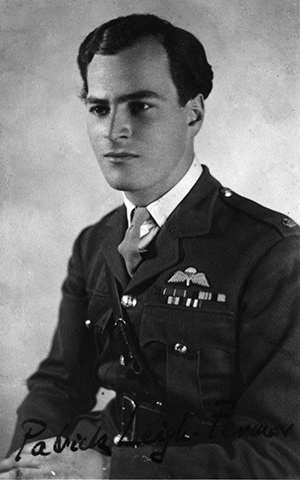
femor

Major Patrick Leigh Fermor

The party then went up to Mount Ida, mid-Crete. It was during this trip that Kreipe awoke one morning and looked at the sun shining on the mountain and muttered to himself in Latin, “Vides ut alta stet nive candidum Soracte …” [3]. Fermor recognised it as one of the few Odes of Horace that he knew and continued the quotation in Latin [4].  The two of them had a bonding.

Moss

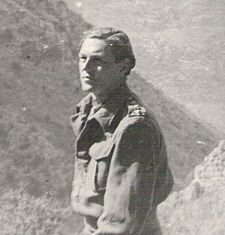
Capt. William Stanley Moss

The plan was to come due south from Mount Ida and pick up the boat on the beach but it transpired that the beach in question was swarming with Germans. Fermor had asked the BBC to announce that the kidnappers had got Kreipe off the island and were on their way to Cairo. That way the Germans would think they had left Crete so no point in searching for them. Unfortunately, as in most plans, incompetence creeps in/communications fail and  the radio message announced that General Kreipe had been captured and “is being taken off the island”. This told the Germans that he was still there so searches continued in earnest!

The rendezvous was then changed to Peristeres beach near Rhodakino. In the film, at the end, Kreipe tries to bribe a young Cretan boy, Niko, to go to the Germans who are guarding the Peristeres beach: in the first place there were no Germans on that beach; in the second place, Kreipe only spoke German and French which none of the Cretans could understand. So that didn’t happen. What was true was that the signal to the boat was to be SB in morse code and neither Fermor nor Moss knew morse code (well both knew S for SOS but neither knew B!). How could you make such a blunder after all the plans!! The man who came to their rescue, in the film Sandy (Rendel), was, in real life, Dennis Ciclitiras (credit where credit is due). Kreipe was taken off the island on 14th May, 18 days after his capture, and sailed to Cairo.

imgp5550

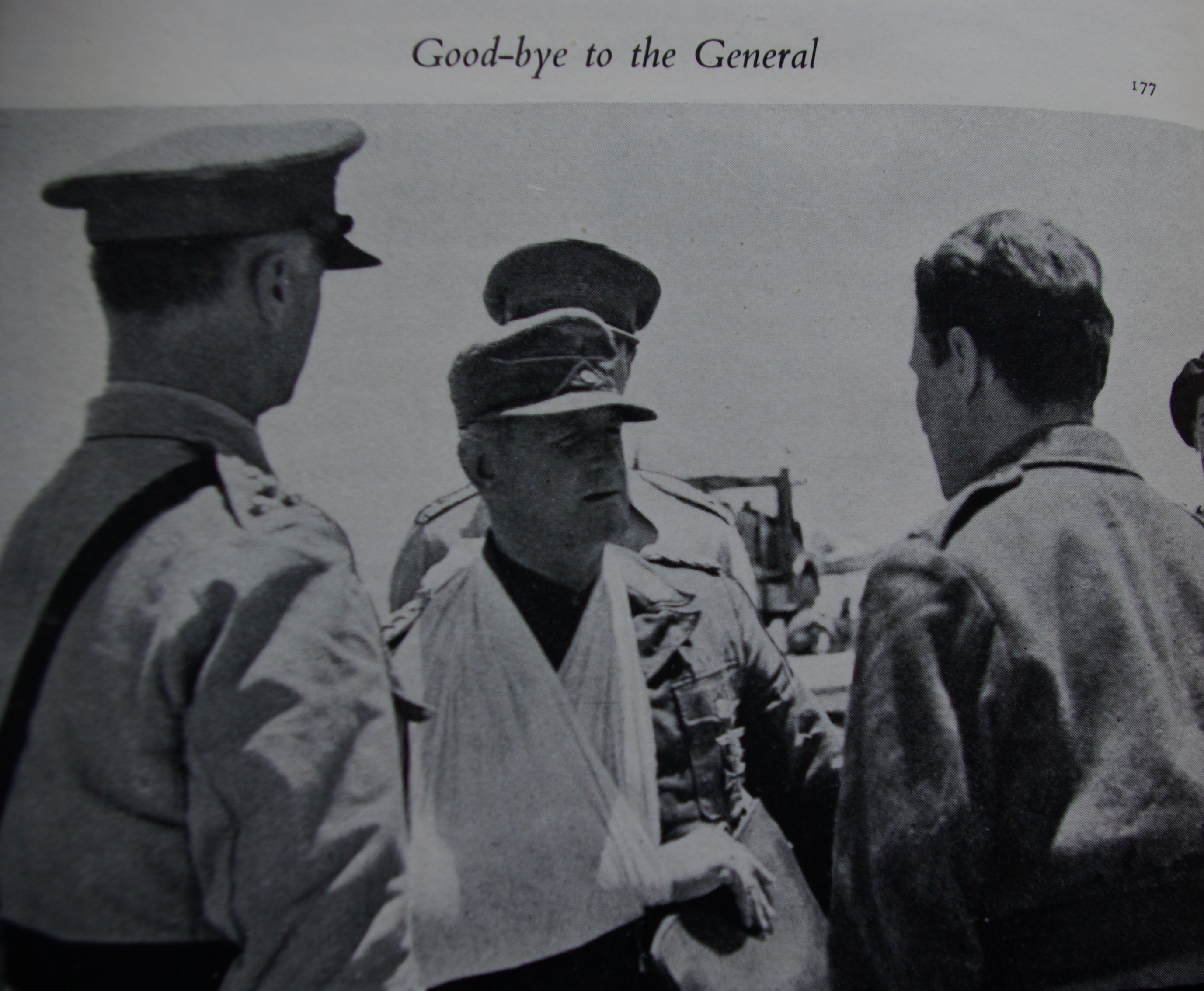
Leigh Fermor saying goodbye to Kreipe in Cairo

Kreipe was rather overwhelmed by the help and support, with guides, food, blankets and anything else needed, given everywhere they went by the Cretan islanders. In his book, The Cretan Runner, George Psychoundakis says that Kreipe remarked, “I am beginning to wonder who is occupying the island – us or the English.”

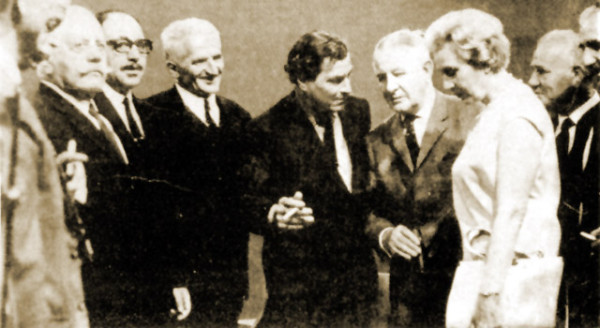
Kreipe was sent as a POW to Canada (near Calgary) and later transferred to Wales (Island Farm near Bridgend), then finally, Shugborough Park in Staffordshire. He was repatriated to Germany in October 1947 and died in Hanover in 1976, aged 81. In 1972, he attended a televised reunion with Fermor and some of his Cretan kidnappers (sadly Moss had died in 1965) [5]. When asked if he had any hard feelings he said no, otherwise he wouldn’t be on the show. Good loser! Click here for the TV show.

kreipe-fermor-later 1976 reunion – Fermor centre right, Kreipe right of him

Footnotes

[1] See also Patrick Leigh Fermor’s own recent book on the action, Abducting a General, John Murray, 2014.

[2] At first there were no reprisals as the new Commander, General Brauer, disliked Kreipe and seemed to consider the kidnapping somewhat amusing. However, when Müller returned to take Brauer’s place, it was a different story. The German reprisals included the burning of Cretan villages in the Amari valley, killing over 450 people. This was half (if not wholly) expected (despite Fermor’s note left in the car) and some considered the venture not worth the deaths that resulted. Others have suggested that there were other reasons for these reprisals which is why the Germans took so long to carry them out (the kidnapping took place in May, reprisals were in August). It has to be said that it had neither tactical nor strategic value, just good propaganda. Hmmmm …. I still have my doubts that it was ever a good idea bearing in mind the reprisals that would obviously follow.  I was recently told by a colleague of mine that a friend of his who knew Fermor was told by Fermor (who was living in Greece) that he (Fermor) could never go back to Crete because the German reprisals for capturing the general there had sparked a traditional blood feud against him as the indirect author of villagers’ deaths.


[3]  Vides ut alta stet nive candidum Soracte
Do you not see how [Mount] Soracte is shining …

[4]  nec jam sustineant onus
Silvae laborantes, geluque
Flumina constiterint acuto

beneath a heavy covering of snow, and how
The laboring trees can no longer hold up their burden,
And how the rivers are frozen by the sharp cold?

[5] Patrick Michael Leigh Fermor OBE, DSO, was knighted in 2004 and died in 2011 aged 96.

.

Next week:  Let’s go back to the previous war ….. ‘K’ for Klot class submarines – a look at the disastrous K class WWI subs.


Artemus Smith’s Notebooks

I continue my research of the notebooks of Dr Artemus Smith, archaeologist of great courage, determination and fiction. Here is another extract:

I recently discovered the unrobbed tomb of the 3rd century BC Macedonian ruler, Philipidus Windsoros (sometimes known as Phil the Greek). He had around him the usual treasures to show off his power and wealth in life.  There was one interesting gold casket inscribed ‘due debtos’ (due debts) and containing four clay pots.  Clearly, dignitaries who had owed Philipidus money were happy to honour these debts on his death. In the first pot there were 30 gold coins and a note on papyrus I translated as stating that this was the sum owed to Philipidus and unpaid at his death – now settled, signed Leodinos of Sparta.  The second pot had 50 gold coins and a similar note signed Xernes of Persia.  The third pot, 70 gold coins and a similar note signed Konon of Thebes.  The fourth pot contained a similar note signed by Joseph of Israel, but no coins.  Instead another piece of papyrus was sown to it with the words ‘150 gold talents’ written on it, and signed by Joseph of Israel ……… It was a cheque.

Art Smth

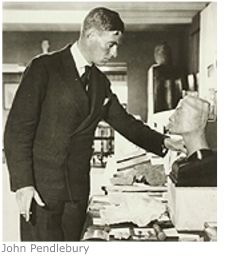
John Pendlebury (in Crete)

SO, WHO WAS John Devitt Stringfellow Pendlebury? He  was a bit of a character. He was born in 1904 and started off life – well, from the age of two – with only one eye, having lost the other in an accident, the cause of which was never established for sure. He was quite an athlete, gaining an athletic blue at Pembroke College, Cambridge in 1926/7. He completed for selection in the 1924 Olympics, the setting for the film, Chariots of Fire. He was also an academic, gaining a  Second and a First for Parts I and II respectively of the Classics Tripos at Pembroke.

pen 2

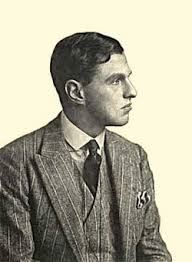
John Devitt Stringfellow Pendlebury

He went to school at Winchester College and, whilst on a school trip to Mycenae (in Greece – you remember) in 1923, he became interested in archaeology. After leaving university in 1923, he worked at the British School at Athens studying Egyptian artefacts found in Greece ( he couldn’t make up his mind whether to study Egyptian or Greek archaeology so he combined them both!). At the school, he met Hilda White, his wife-to-be (she was 13 years his senior).

pen 3

Pendlebury in 1928

He first visited Knossos (Crete – keep up) in 1928 and his initial reaction was that Arthur Evans’ restorations had spoiled the place (you’ll have to back several blogs for that). After that he went, with Hilda, on his first excavation at an ancient Macedonian site at Salonica under Walter Heurtley (Alexander the Great was Macedonian, but you knew that). Pendlebury married Hilda shortly afterwards.

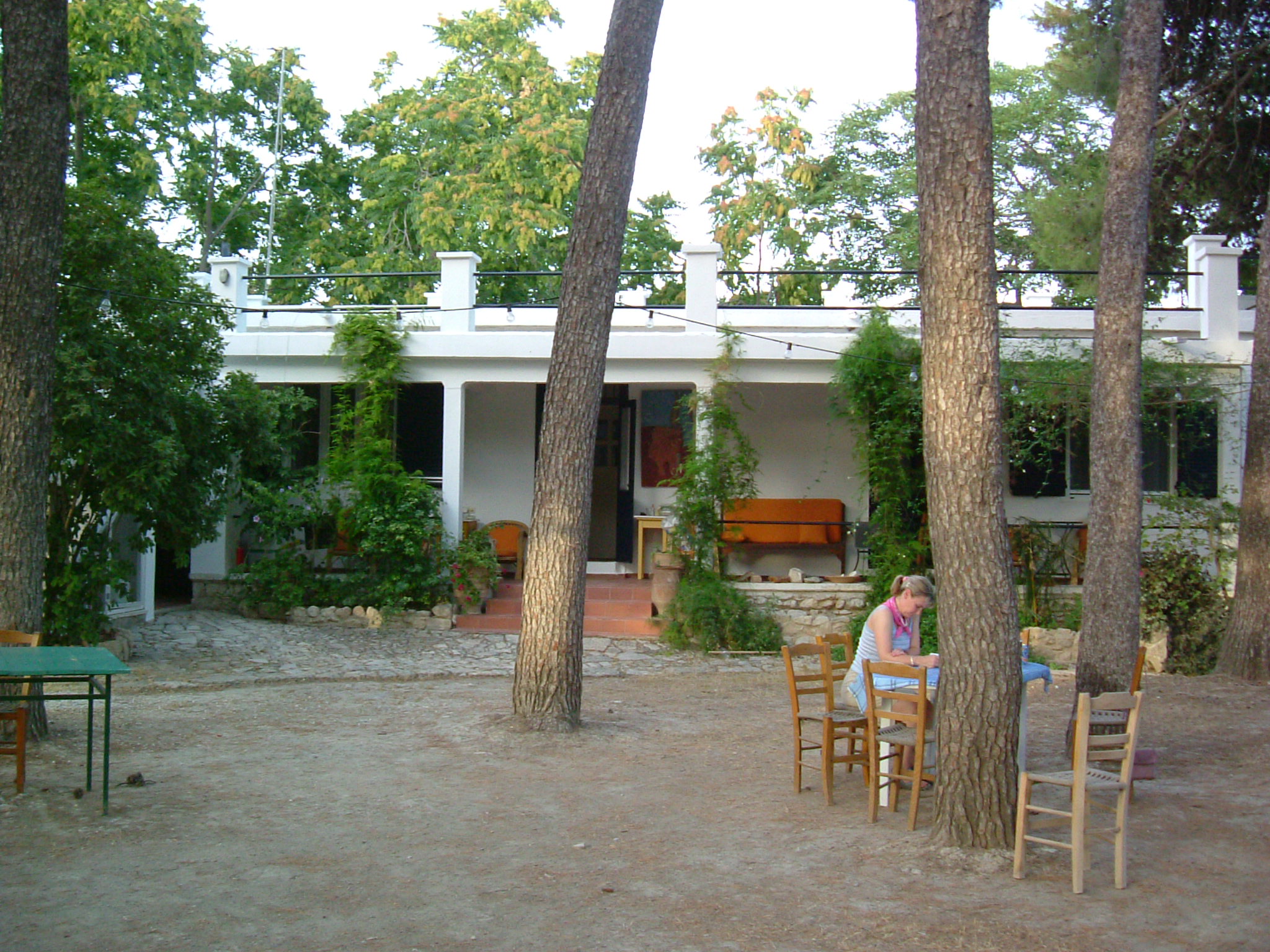
Evans had been impressed with what he had heard of Pendlebury and, in 1929, offered him the curatorship of Knossos on the retirement (forced due to illness) of the then present curator, Duncan MacKenzie. The job began in Spring 1930 but the place was in a bit of a mess when he took over – buildings in disrepair, animals grazing amongst the ruins and the site littered with rubbish from visiting dignitaries (it wasn’t open to the public yet). Pendlebury put in a great deal of work reorganising the place as well as refurbishing the Taverna (accommodation building not a bar) where Hilda and he resided. The Taverna is next to Villa Ariadne where Evans lived. The curator still lives at the Taverna today but it’s also now used for students.

TavernaKnossos003

The Taverna – student quarters (Sarah studying hard, I think she’s reading ‘How to make raki’!)

Later in 1930, Pendlebury was offered directorship of the Tel el-Armana excavations in Egypt. This he could not turn down and was able to carry out this task along with the curatorship at Knossos (climate differences meant excavating in Egypt in winter and Knossos in spring). He continued at Armana until 1936 (click here for great video of him at Armana).

 pen 1

Pendlebury in Armana wearing ancient Egyptian necklace

pne 11

‘Discussions’ at Armana (Pendlebury 2nd from left)

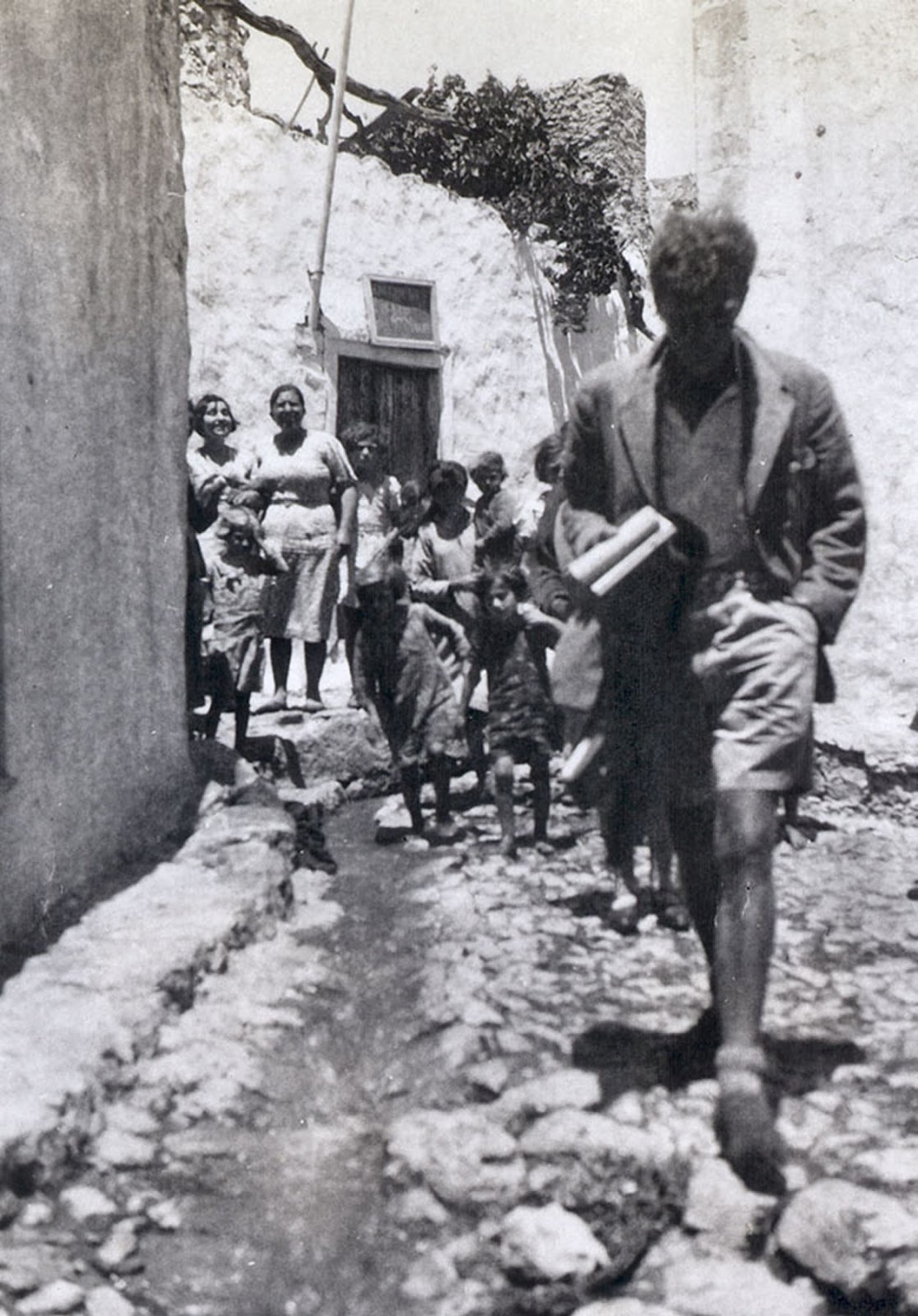
Back in Knossos (1932) he had the arduous task of recording some 2000 sherds with the help of Hilda and two other ‘up-and-coming’ female archaeologists, Edith Eccles and Mercy Money-Coutts. In 1933, he produced his Knossos guide book, A Handbook to the Palace of Minos at Knossos, and was now seeing Evans’ reasons for the restorations – he put in the preface of his guide book, “Without restoration the Palace would be a meaningless heap of ruins, the more so because the gypsum stone, of which most of the paving slabs as well as the column-bases and door-jambs are made, melts like sugar under the action of rain, and would eventually disappear completely.”  So that’s the answer to the critics who are still anti-Evans-restorations. But we won’t go there. Anyway, he continued as curator at Knossos until 1934 but spent some time travelling the island as a freelance archaeologist researching for his very comprehensive book on the whole (then known) archaeology of Crete published in 1939. Then came the war. 

pendlebury          pen 5

with finds from Armana                                                Pendlebury pretending to be a local worker at Armana  

Pendlebury returned to England to convince the authorities that Crete was a strategic position and had to be defended. He offered his services to return to the island to prepare for a German invasion. In May 1940, he was sent back supposedly as British vice-consul at Heraklion (then still known as Candia) but the title was just a cover and – as with Lawrence of Arabia – he was a spy! He began planning and liaising with the local Cretan clan chiefs ready for the anticipated invasion which duly came on 20th May 1941.

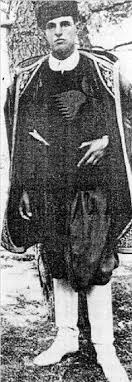
pen 8                                                  pen 4

Pendlebury in Cretan costume                          In Crete in 1939    

Patrick Leigh Fermor, was also ‘stationed’ in Crete (he was the leader of the kidnapping of the German general, Heinrich Kreipe, from the island – see ‘next week’) and he said of Pendlebury, “I was enormously impressed by that splendid figure, with a rifle slung like a Cretan mountaineer’s, a cartridge belt round his middle, and armed with a leather-covered swordstick.” Pendlebury was based in Heraklion and if ever he left his office for a short time, he would leave his false eye on his desk to let people know he wouldn’t be long!

pen 9

In the streets of Stavrochori, Crete

The Germans parachutists took a bit of a hammering on the first day of the invasion. They were somewhat surprised at the Cretan and British (and New Zealand and Australian) defence. On the second day, 21st May, Stukas were bombing the island and parachutists still coming in. Pendlebury had left Heraklion, then got out of his car and approached an area where German parachutists were coming in. He was then wounded in the chest, whether by a parachutist or Stuka machine gun fire is not known. He was taken by German parachutists to the house of his friend, George Droussoulaki (who was fighting elsewhere and was killed later that day). George’s wife, Aristea, reported that Pendlebury had his wounds attended to by a German doctor and, in the evening, was attended again by a German doctor and given an injection. He was told by the doctor he would be collected the next day and taken to a hospital. The next day a different group of German soldiers appeared and dragged him out of the house, propped him up  against the wall and shot him.

pen 10

German parachutists in Crete

Why he was shot is not clear. It may have been that the Germans knew who he was and decided this the best cause of action. Or they thought he was spy being British but dressed as a local Cretan (well, I suppose he was). Or they were just especially evil. He was initially buried where he had been killed but because it became a shrine to the Cretan Resistance it was moved by the Germans to the Rethymnon road where they could keep an eye on it. He was later  reburied in the British war cemetery at Souda Bay (on the west of the island). One wonders what he may have achieved had he survived and (a) continued as a Resistance leader during the war and (b) as an archaeologist after the conflict. A great loss of a great man.

Pendlebury first Burial Site                    Souda Bay War Cemetary_0048

Memorial, 1947, Hilda left of cross                        Final rest: British war cemetery, Souda Bay

The only book I know that has been written about JP is Imogen Grundon’s A Rash Adventurer: A Life of John Pendlebury, Libri, 2007.  It’s a good read.


POSTSCRIPT

The Germans lost around 3700 elite parachutists (plus some 1600 wounded) in the first four days of the invasion of Crete. That was more German soldiers killed than in the whole war up to that date. They never attempted another parachute invasion of anywhere again.

Next week: Let’s stay in Crete but back to films – Ill Met by Moonlight: ‘Hollywood’ fact or fiction? – okay, a British, not a Hollywood, film, but let’s not nitpick – the tale of the kidnapping of General Kreipe from Crete in 1944.


Artemus Smith’s Notebooks

I continue my research of the notebooks of Dr Artemus Smith, archaeologist of great courage, determination and fiction. Here is another extract:

My dear friend Randolph Bollinger-Smythe died last week of a heart attack whilst excavating in the Himalayas. He was 89.

He lived by the dictum that moderate drinkers live longer – and it damn well served them right!

In fact, many thought the demon drink would get him first. Whisky and water became his all-day daily diet. I gave him a bit of a hard time about it and he agreed to cut his drink by half –“I’ll leave out the water, old boy”

Art Smth