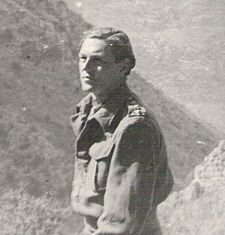
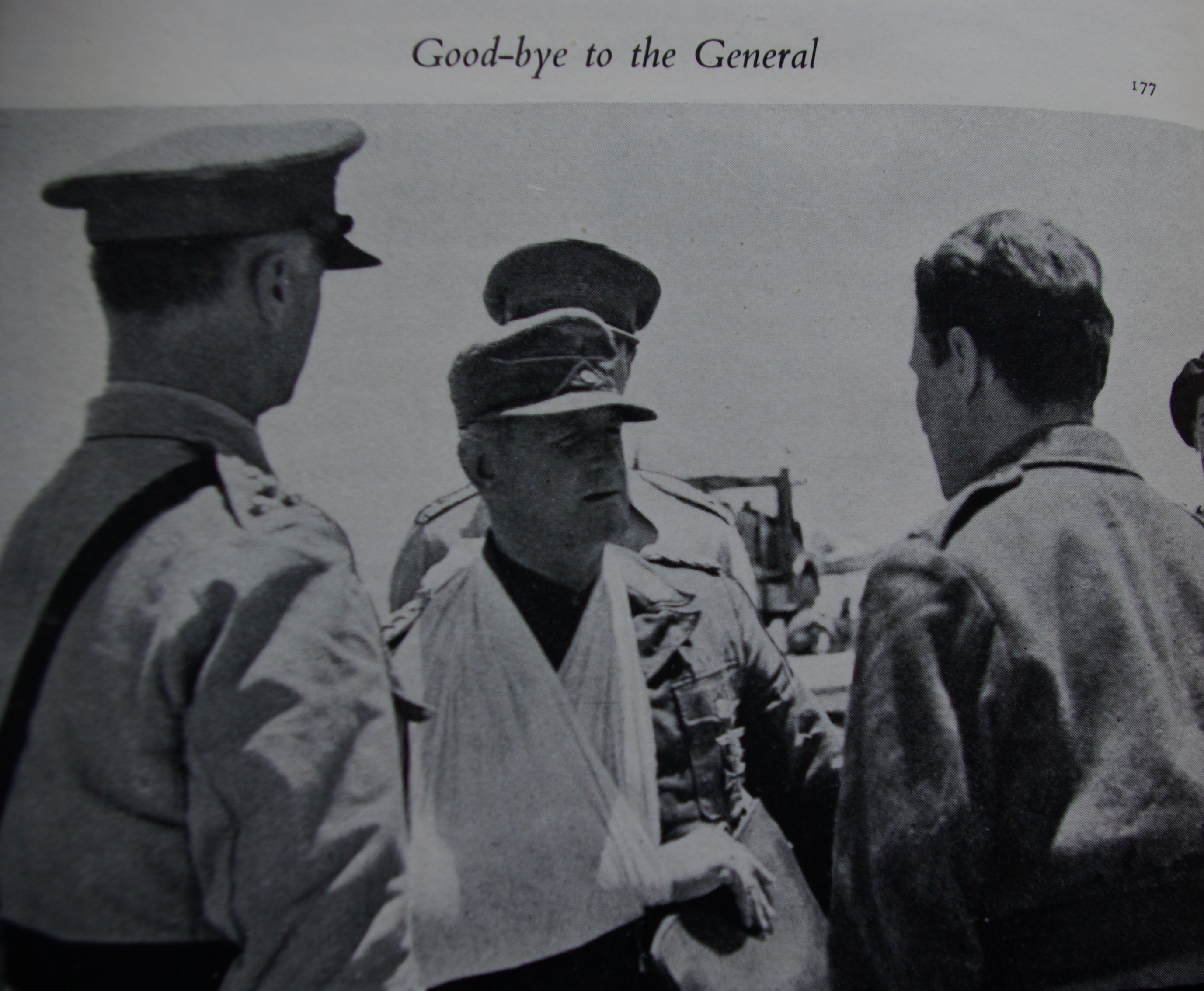
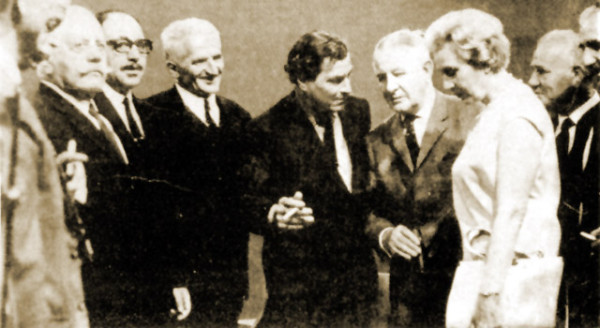
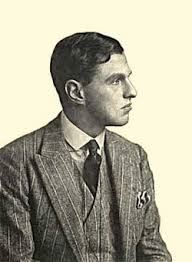
Lord Elgin loses his marbles at Mycenae ….

Thomas Bruce, 7th Earl of Elgin, 11th Earl of Kincardine, was born in 1766, educated at Harrow and Westminster, at St Andrews and also in Paris. He joined the army in 1785 and rose to the rank of Major-General by 1835 but saw no military action. He began a diplomatic career in 1790 and was an Envoy to Brussels in 1792; Envoy Extraordinary at Berlin in 1795; Ambassador at the Porte (Constantinople) in 1799. He died in 1841 in Paris, deep in debt as a result of his expenditure on the Athens’ marbles (aka the ‘Elgin Marbles’) and other monuments (the marbles were sold to the British Museum in 1816 for £35,000, about half their true value then).

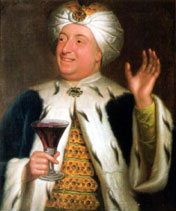
Elgin_by_Anton_Graff_around_1788

Lord Elgin by Anton Graff around 1788

It was in 1799, when Elgin took on the role of ambassador in Constantinople, that his mission to collect antiquities began. He was in no doubt that part of his term in this office included the study of antiquity and said so much to the Select Committee of the House of Commons when offering the country his collection of sculptured marbles from Athens. He considered this aspect of his ‘diplomatic’ work a ‘service to the arts’ (yeah, right) and he appointed William Richard Hamilton, his private secretary, and his chaplain, the Rev Philip Hunt, for the purpose of this mission. Hunt was appalled to see the damage to the  Parthenon on the 5th century BC Acropolis at Athens caused by both the Turks and visiting ‘tourists’ from other countries and took the matter up with Elgin.

Hunt

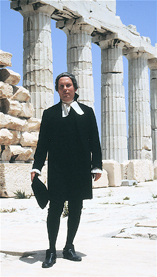
Julian Fellowes (who wrote Downton Abbey) as Rev Philip Hunt in the TV film, Lord Elgin and Some Stones of No Value

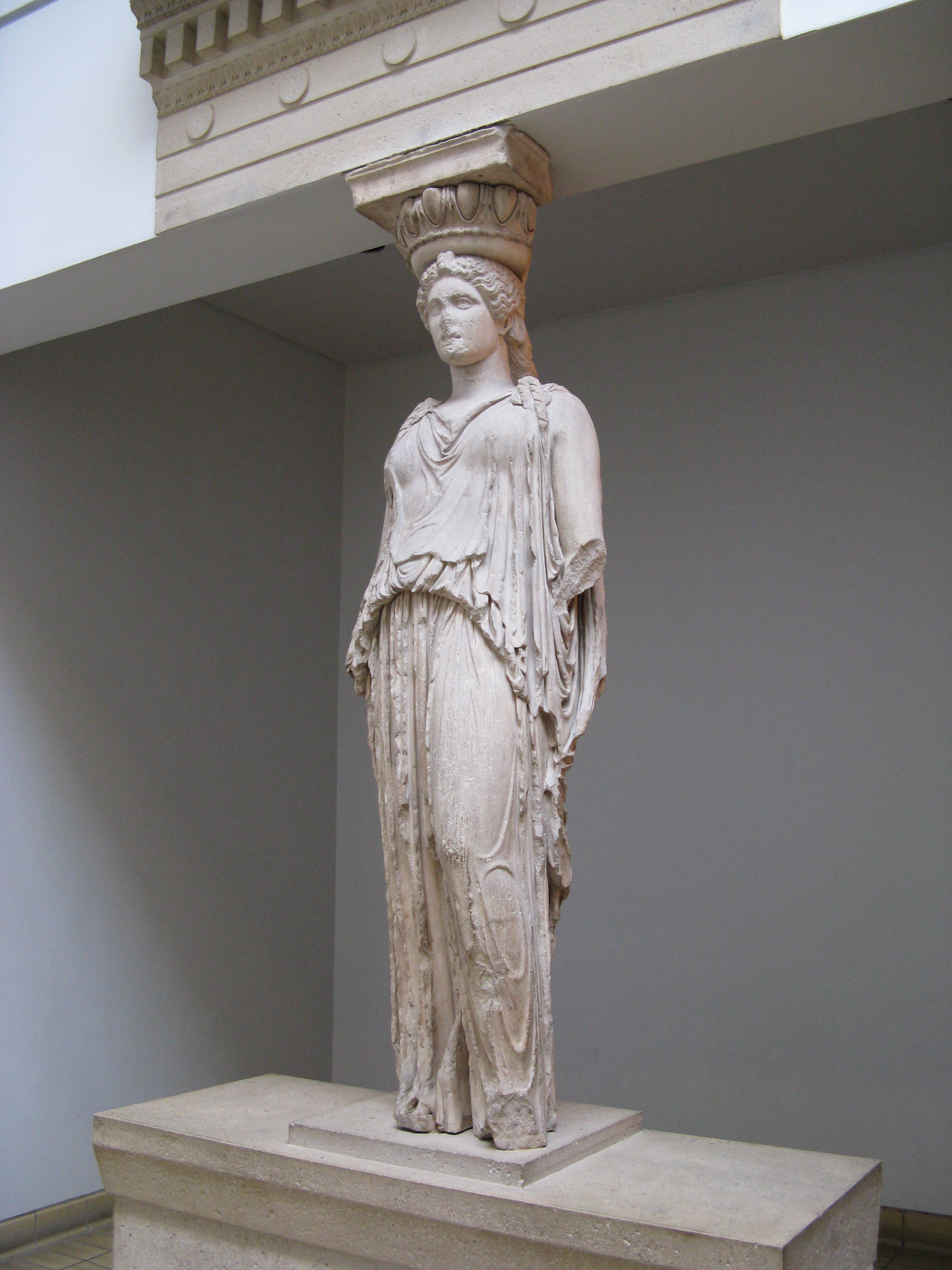
Elgin originally planned only to draw the marbles but managed, by bribery and threats, to persuade the Ottoman government in Athens to give him permission to remove the marbles to England and this was to cause much consternation. Lord Byron’s Childe Harold was to turn public opinion against Elgin and his insistence that the removal of the marbles was for preservation purposes – and we all know about the ‘Elgin Marbles’ debate so we won’t go there (in fact, the preferred name in some circles nowadays is the Athens’ marbles or the ‘Parthenon Marbles’ but Elgin didn’t restrict his ‘acquisitions’ just to the Parthenon – see one of the six the larger-than-life Caryatids from the Erechtheum on the Acropolis for example).

Caryatid-Erechtheum-British_Museum

One of the Caryatids (‘Elgin Marbles’) at the British Museum (height: 2.3m, 7.5ft) – the other five are at the Acropolis Museum in Athens

Then to Greece and Mycenae (I’ve told you about Mycenae before, July blog, but click here for my co-authored book on the subject). In August 1801, Elgin sent Hunt, together with the topographical draughtsman, Giovanni Battista Lusieri, to investigate the Argolid of the Peloponnese of Greece and report back their findings. Hunt found the 1250 BC citadel of Mycenae and did contemplate the removal of the Lion Gate and wrote to Elgin on the 3rd September 1801:

“No description can convey an adequate idea of the massive stones which compose its [Mycenae’s] walls. The Ancient Greeks supposed them to have been the work of the Cyclops, as well as two colossal Lions in bas-relief over the Gate Way; and which still remain in this original situation. The block on which they are sculptured is too gigantic, and too distance from the sea to give any hopes of being able to obtain so renowned a monument of the Fabulous ages.”

Wall and Lion Gate. Citadel of Mycenae

The Lion Gate – the height of the doorway opening from the floor to the bottom of the lintel is about 10 ft (2.95 m) and the lintel (Hunt’s ‘block’) is said to weigh some 20 tons – good luck with moving that lot!

Lion Gate (Mycenae)_JPG

The Lion Gate in the late 19th century

Hunt was responsible for the shipping of parts of the Athens’ marbles to England (some sank on the ship,  Mentor, but were recovered three years later at much expense). So Elgin would have had the Lion Gate added to his collection and now perhaps it would be prominent in the British Museum if he had his way – had it not been for its sheer size, weight and distance from the sea. Doesn’t bear thinking about – today the entrance at the Mycenaean citadel would certainly not be the same without the lions, but that detail would not have bothered the likes of Elgin.

Elgin did remove some ‘bits’ from the ‘Treasury of Atreus’, a tholos tomb down the road from the Mycenaean citadel (see my ‘Tombs of Mycenae’ blog, July) but fragments of the tomb’s entrance columns reproduced in the British Museum were ‘acquired’ by Lord Sligo sometime shortly after 1810.

pillars

Entrance columns/pillars from the Tresaury of Atreus (British Museum)

 .

Next week: Still travelling – Thomas Spratt RN and the ‘Fellows Marbles’ from Lycia (no, not just Elgin….)


Artemus Smith’s Notebooks

I continue my research of the notebooks of Dr Artemus Smith, archaeologist of great courage, determination and fiction. Here is another extract:

An acquaintance of mine, Jock McTaggarty, is a boxing promoter. I had sent him one of my students who was keen to take up the sport. McTaggarty telephoned me with some concern asking whether I was sure the lad was a genuine student. I enquired as to why he should ask such a question. He replied that the student had been for a medical and he, McTaggarty, had received the results and was obliged to relay them to the student. MacTaggarty then informed me that he had called the boy in and said to him:

 “You realise you’ve got Sugar Diabetes.”

 The boy replied, “Nice one. When do I fight him?”

art-smth


The development of societies with archaeological interests

ANTIQUARIAN SOCIETIES are not old societies, they are societies for the study of the past (antiquity). Well, they are also old societies. One of the first to be set up was The Royal Society (of London for the Improvement of Knowledge) in 1660 (supported by the newly crowned Charles II) for the purpose of scientific learning. It still exists today, as does the Society of Antiquaries of London which was set up in 1707 at the Mitre Tavern in Fleet Street, with Humphrey Wanly as its first ‘chairman’. It received its Royal Charter in 1751. In fact, William Camden was a founding member of this Society in 1572, but it was suppressed by the Scottish born king, James I, in 1604, possibly because it encouraged English nationalism.

William_Camden_by_Marcus_Gheeraerts_the_Younger

 William Camden 1551-1623

The Society of Antiquaries was a ‘poor relation’ to the Royal Society which had greater resources of wealth and patronage. The former suffered various set backs including suggestions that its ‘board’ intended to subordinate itself to the Royal Society and, in 1792, its president, the Earl of Leicester, was accused of being a drunkard and a ‘brainless caput’ in a letter from Douce to Kerrich, 17th April, 1792 (Parker Library, Corpus Christi College, Cambridge) and by 1840 its members were deeply concerned about the Society’s purpose. However, it carried on in the shadow of other societies.

a heirich

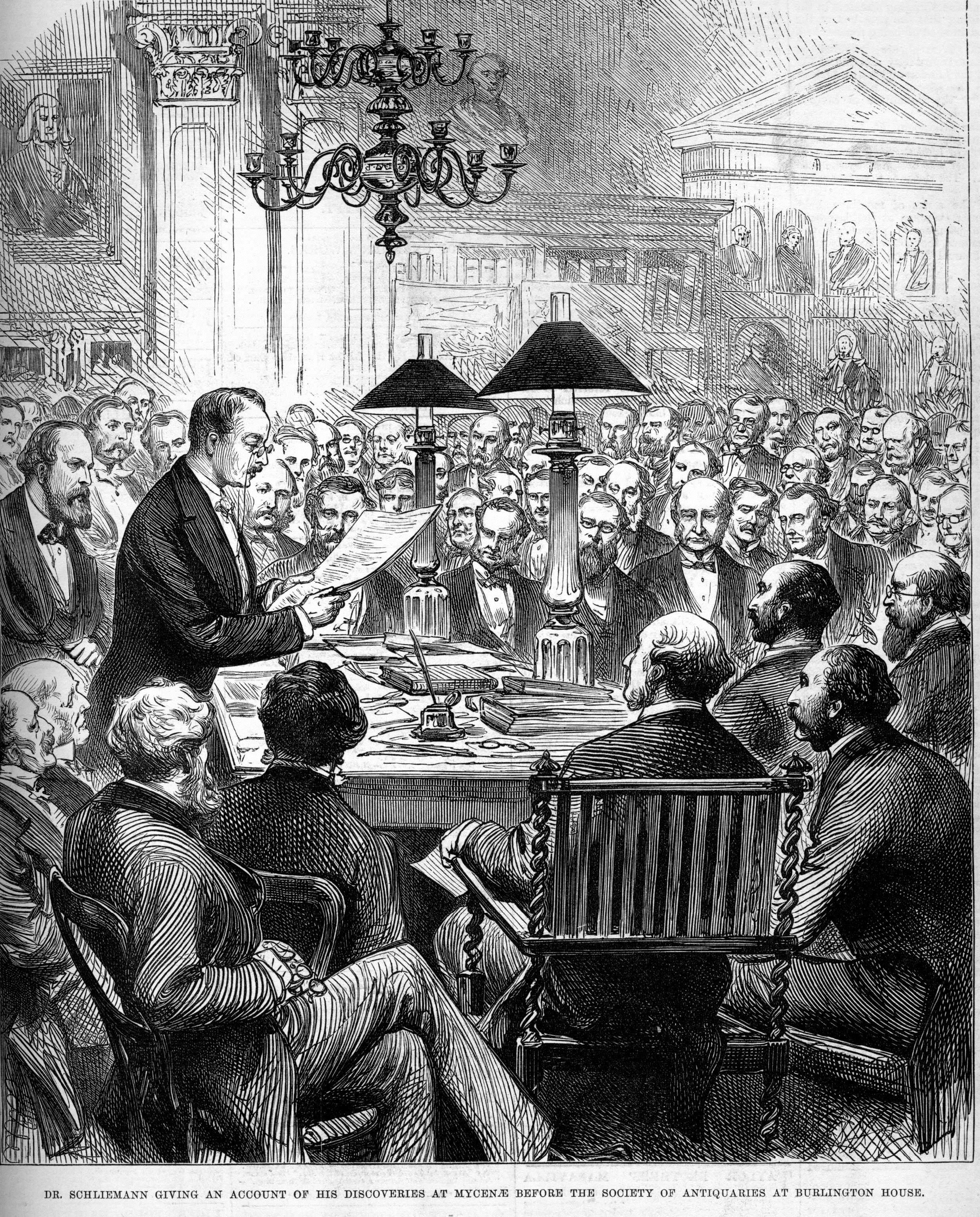
Heinrich Schliemann addressing the Society of Antiquities on his discoveries at Mycenae (The Illustrated London News, March 31, 1877) – I had the privilege of addressing the Society of Antiquaries on my work on Thomas Spratt RN in October 2013 after receiving my Fellowship of the Society

The Society of Dilettanti was set up in London in 1732 by Sir Francis Dashwood with the intent on focusing on classical antiquities, although, with its aristocratic and gentlemen Grand Tour members, it rather had an emphasis on dinning – Horace Walpole said of its members, ‘… the nominal qualification is having been in Italy, and the real one, being drunk’.  It did produce some publications (three volumes of Antiquities of Athens and three volumes of Ionian Antiquities between 1762 and 1840) and kept alive an interest in classical antiquities.

 Sirfrancisdashwood

Sir Francis Dashwood 1708-1781

The Royal Geographical Society was a learned society, founded in 1830 for the advancement of geographical science, under the patronage of King William IV and it was given a Royal Charter by Queen Victoria in 1859. Although not involved in archaeology as such, its later members were to take on a keen interest in the topic and equate it to landscapes studies. The Royal Geological Society had been formed in 1807.

Main-Hall-RGS

Main Hall, Royal Geographical Society – impressive, eh!

In 1843, the Archaeological Association was formed but due to internal squabbling it soon split into two of the more important organizations: the British Archaeological Society and the Archaeological Institute, producing the Journal of British Archaeology and the Archaeological Journal, respectively.

The publisher, George Macmillian, was determined to keep up a following for the ancient Greek world and, in 1879, set up the Society for the Promotion of Hellenic Studies. Its purpose was to assist and guide English travellers in Greece and encourage exploration and excavation of ancient sites. Thereafter, in 1886, the British School [of archaeology] at Athens (BSA) was established, then, on the island of Crete, an annexe was set up at Knossos in 1926 – although the BSA had been involved with Knossos since the establishment of the Cretan Excavation Fund in 1899.

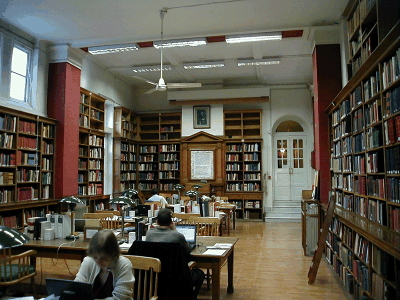
AGFA DIGITAL CAMERA

Library, British School at Athens (I’ve been there – it’s fantastic!)

Many county based societies for local history and archaeology appeared during the 19th century. But although these societies were limited in their appeal they did attract large memberships and, in some cases, from elite personnel. In fact, the Sussex Archaeological Society (1846) was criticized for snobbism for its open courting of the aristocracy (9.5% of its first year’s members were titled). Can’t image why!

Michelham-Priory1

Michelham Priory, owned by the Sussex Archaeological Society

Regardless of the varying internal politics (and, in some cases, external derision) of these societies, they gave credence to the new ideal of archaeology. Yet even now there are some who still frown upon the thought of 19th century ‘archaeologists’ when considering today’s methods which is a little unfair based on the fact that all new ideas have to start somewhere. It is not as if the ‘science’ relied entirely upon itself – Pitt Rivers, in 1884, acknowledged the need for assistance in other scientific fields such as geology, palaeontology and physical anthropology.

ppitt rivers

Lt-General Augustus Henry Lane-Fox Pitt Rivers 1827-1900 (go see his museum in Oxford – its great!)

The other importance of these societies is that, either by way of talks or publications in their journals, they brought to the fore the activities of some of these travellers and publicised their findings which otherwise would have little value. And their existence gave me something else to study!

 .

Next week: Gladiator: Hollywood fact or fiction?


Artemus Smith’s Notebooks

I continue my research of the notebooks of Dr Artemus Smith, archaeologist of great courage, determination and fiction. Here is another extract:

My good friend Professor Schwartzburger said to me the other day, “I have just bought a new hearing aid. It cost me two thousand pounds, but it’s state of the art. It’s perfect.’

 “Really,” I replied, “what kind is it?”

Twenty past twelve.”

  Art Smth

Glastonbury Abbey: fact and fiction

FACT: Glastonbury Abbey existed in the Middle Ages and still does – to a certain extent.

FICTION (maybe): King Arthur and his two-timing wife, Guinevere, were buried there.

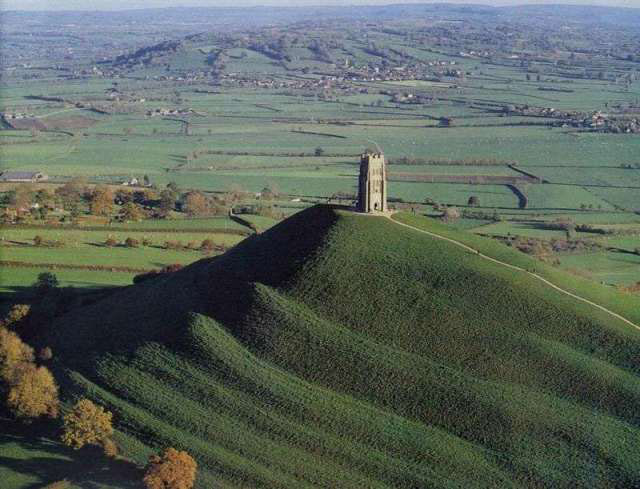
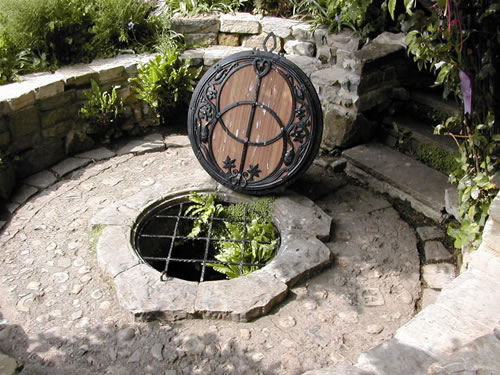
First let’s distinguish between myth, legend and fiction Myth never happened (trust me – e.g. Greek and Roman gods, 6 headed monsters, one-eyed ogres  … actually, I do know someone who might fit that description); legend may have happened (e.g. Geoff Hurst’s 1966 World Cup 2nd goal did go over the line); fiction didn’t happen but some fiction is based on legend (e.g. politicians are honest). Get it? So, legend has it that Glastonbury Abbey was built on the site of a wattle and daub church erected by Joseph of Arimathea when he visited the town with the young boy, Jesus. After the crucifixion of Jesus, Joseph revisited Glastonbury (or the island of Avalon as it was then) with the Holy Grail and buried it below the great hill of Tor – now the site of the Chalice Well.

 glastonbury1 

Hill of Tor, Glastonbury

Chalice Well, Glastonbury, England_JPG

Chalice Well at the bottom of Tor Hill

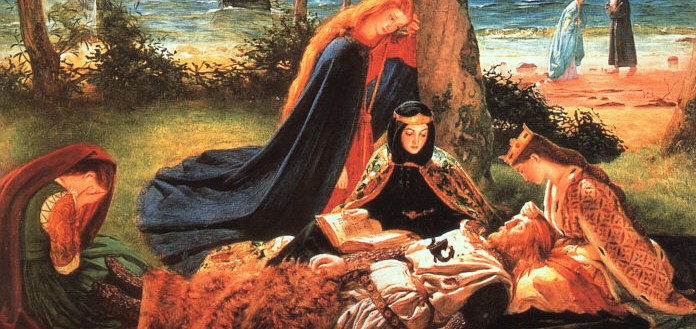
Fiction (as legend) then moves forward to AD 540(ish) and the death of King Arthur. He was reputedly taken, mortally wounded, by boat to Avalon. There he died and was buried – at Glastonbury in the ancient burial ground (3 on plan), maybe.

The_Death_of_King_Arthur-e1354392954343

morte d’Arthur (‘so long Art’)

Fact and fiction merge: In 1190 it is recorded that the monks dug up a grave in a cemetery just south of the Lady Chapel (not to mention St Dunstan and Galilee chapels) at Glastonbury Abbey. It contained two skeletons, male and female, and they were deemed to be Arthur and Guinevere. It is not clear what happened to them at that time, but in 1278 they were reburied in a black marbled tomb in the Choir/Chancel of the Nave before the High Altar. King Edward I was present, so it must be true (must it? Bit like reading the Sun or the Daily Mail). After the vandalising of the Abbey in 1539 the bones were no longer to be found.


Plan of Glastonbury Abbey (north at top) (shaded red is what remains)

 glast 1

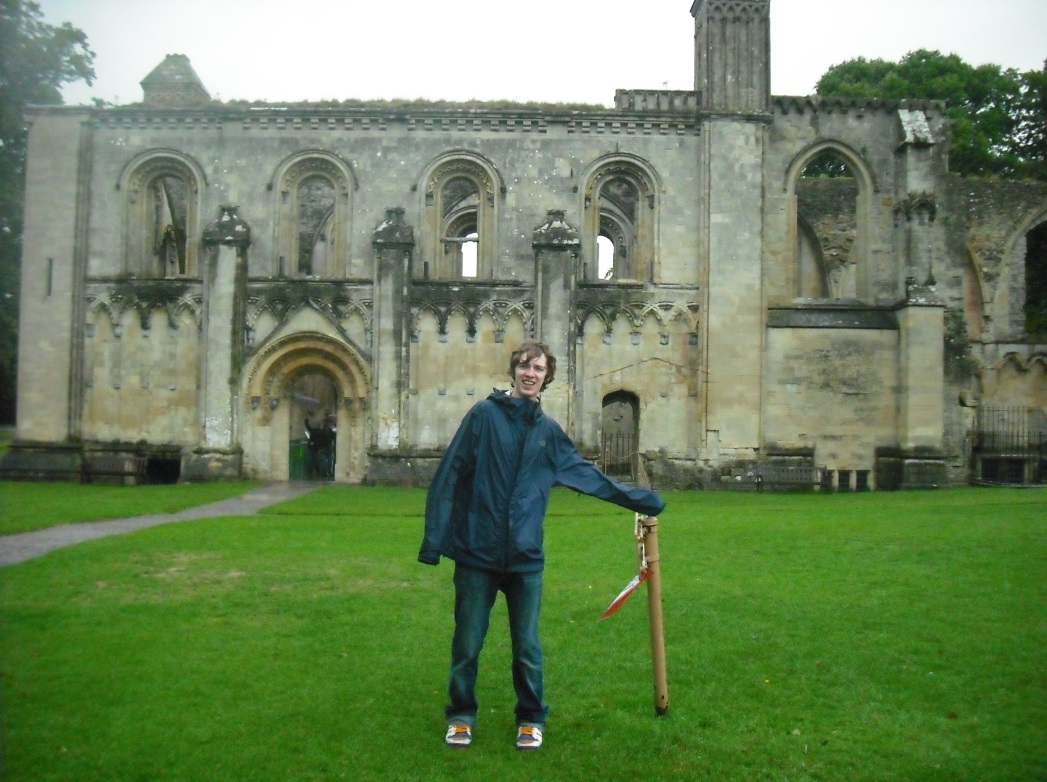
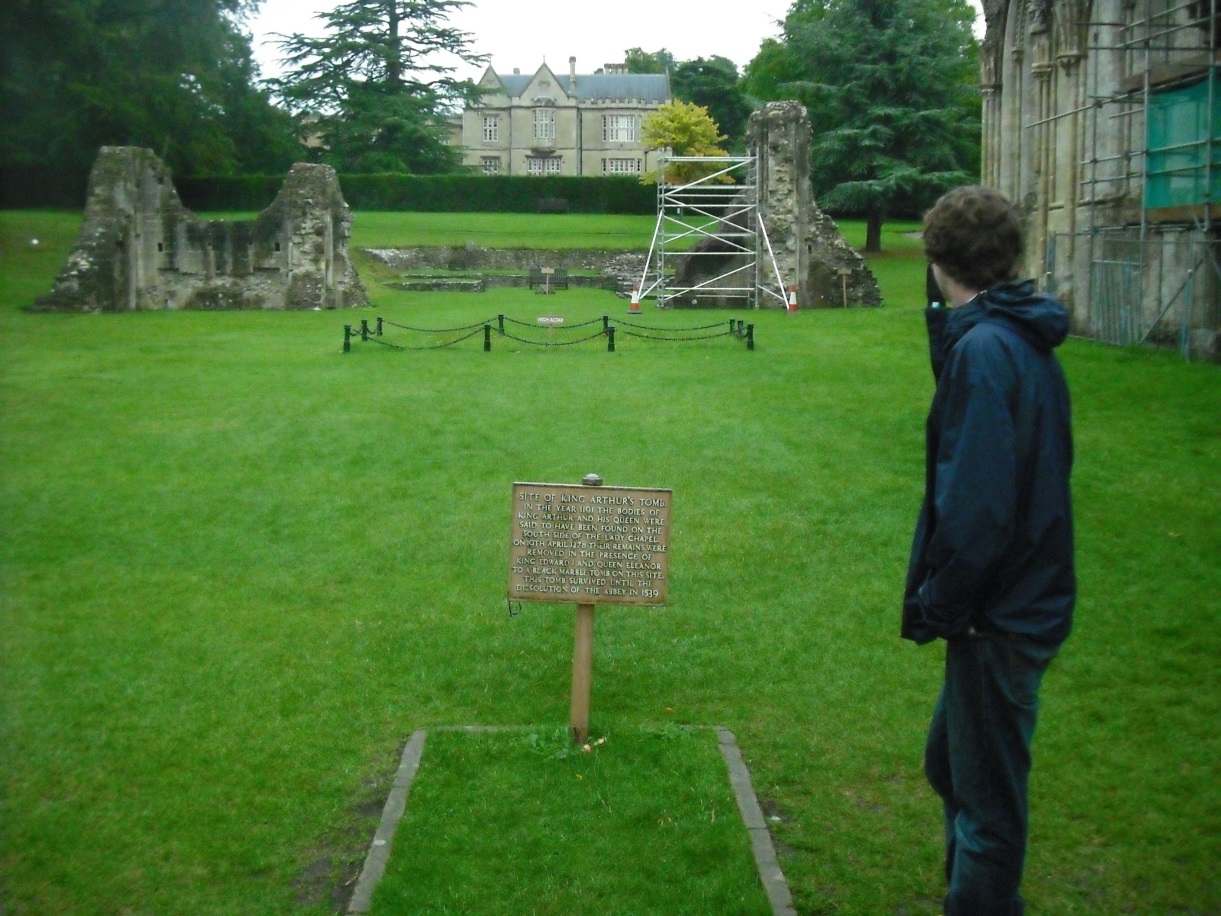
Toby pointing out the site of King Arthur’s first burial place …. maybe (looking north with Lady Chapel in background)

glast2

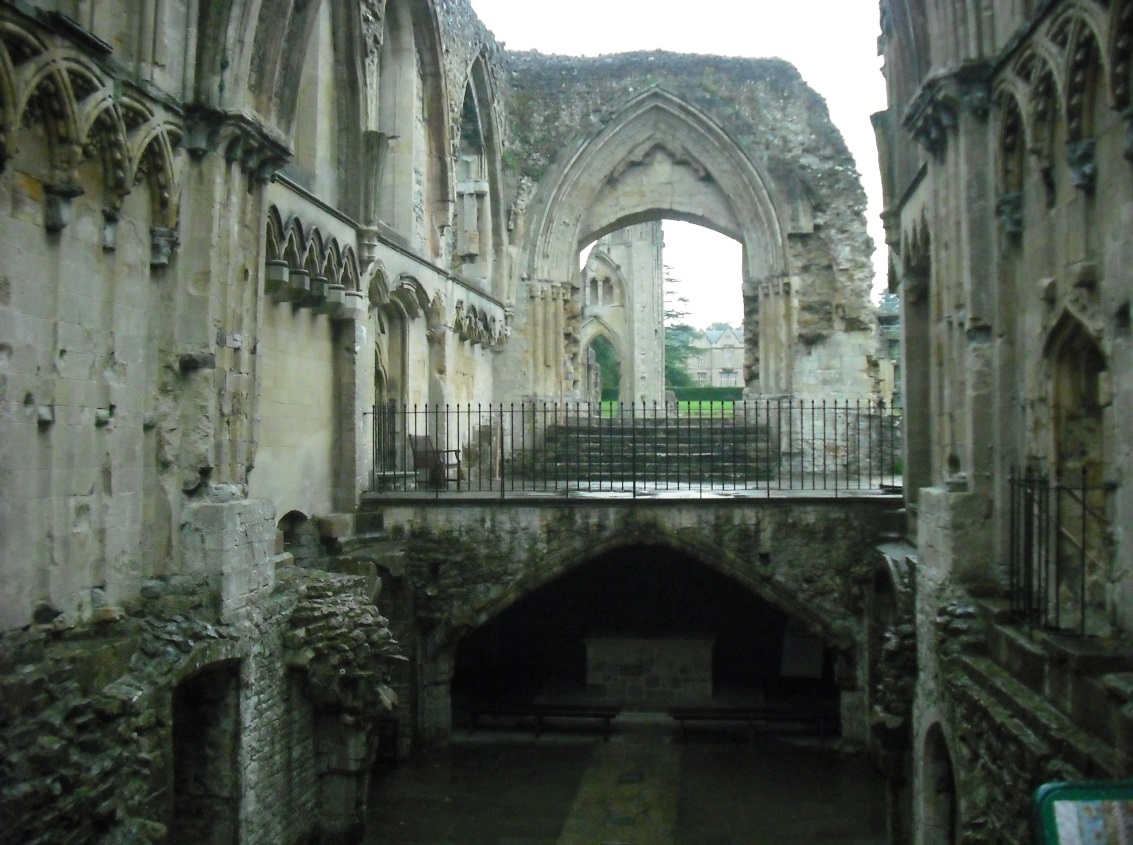
King Arthur’s tomb of 1278 in the Chancel (looking east, High Altar chain-linked in background with ruins of Edgar Chapel behind that)

Back to fact: The first stone church at the site of the Abbey was built by the Saxon King, Inde, in AD 712 and it was enlarged (the cloisters) by Abbot Dunstan in 940. In 1077, after the Norman invasion, this church was destroyed and replaced with a larger one by Abbot Thurstin. Then, between 1100-1118, Abbot Herlewin demolished this church and built the main Abbey. The Domesday Book of 1086 records it as the richest monastery in the country. The building was destroyed by fire in 1184 and rebuilt. Historical records tell us that rebuilding went on until 1524 and the archaeology gives physical evidence of these previous buildings. The Abbey was finally ransacked in 1539 after the dissolution of the monasteries by Henry VIII (there’s someone who had a lot to answer for). Regardless, the remains of the Abbey are well worth a visit.glast4

Interior of Lady Chapel (looking east)

glast 3

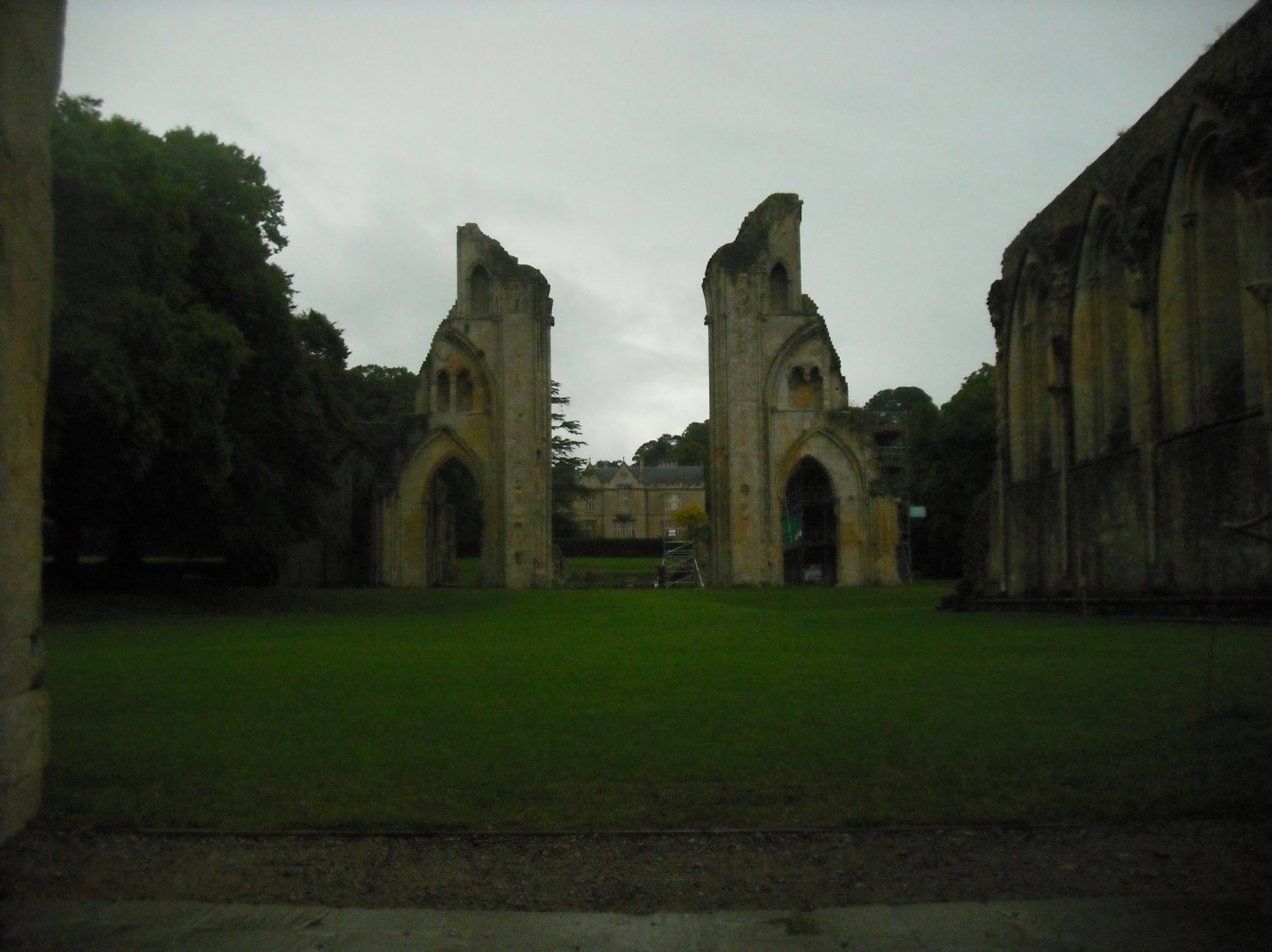
Nave and Central Tower remains (looking east)

And, of course, Caburn Castle is Camelot …… (it said so in the Sun – or was it the Daily Mail)

knight

.

Next week: The develoment of societies with archaeological interests


Artemus Smith’s Notebooks

I continue my research of the notebooks of Dr Artemus Smith, archaeologist of great courage, determination and fiction. Here is another extract:

met an old American friend of mine the other day in the bar of London hotel of some note. It was Douglas Fairweather Jnr, a famous actor over from Hollywood. He was slumped over a whisky.

“Hi Dougie, what’s the problem?” I enquired detecting a state of morose.

“I’ve come over to make a movie of The Merchant of Venice and they want me to play Shylock.” He responded in some despair.

“But that’s excellent old boy,” I retorted with much enthusiasm, “What’s the problem?”

He replied, “But I want to play the Merchant.”

AT

U-boats: U-671 and U-413 and the sinking of HMS Warwick

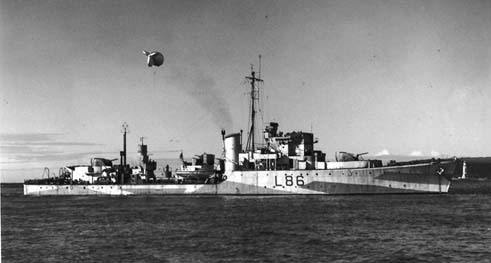
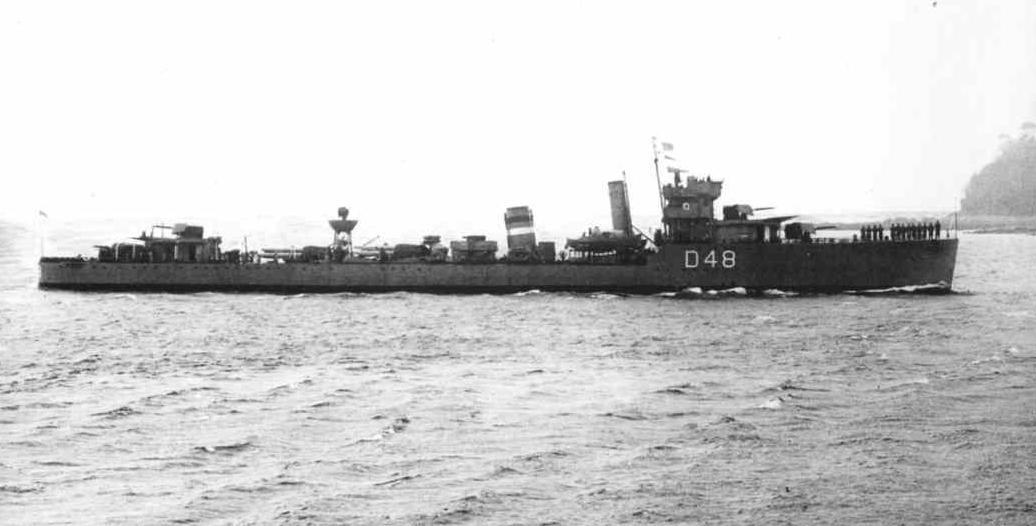
WE KNOW where most of the Second World War U-boat wrecks lie and how they met their watery graves but life histories can sometimes add to their memories.  I had the good fortune of speaking to Lt-Cdr Henry Lehmann RN rtd who served on HMS Wensleydale as a Petty Officer, under the ship’s Captain, Lt-Cdr Goodfellow RNVR, when she was involved in the sinking of two U-boats, U671 and U413 in August 1944. Both have been dived and identification confirmed by Innes McCartney (Lost Patrols, Periscope Publishing, 2002). Henry was able to give me first hand accounts of his recollection of the encounters together with the demise of HMS Warwick (this is an edited version and I have added the pics):

  WENSLEYDALE1

HMS Wensleydale

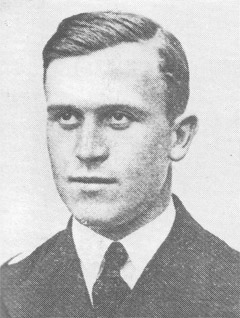
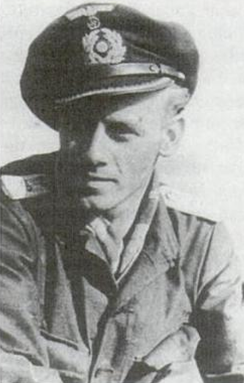
U-671

“On the 5th August 1944, we were off Normandy protecting landing craft and heard that HMS Stayner had contact with a U-boat some miles off Beachy Head, on the Sussex coast but, I think, it had run out of depth charges/hedgehogs. I was in the plotting room receiving information from the Asdic operator. We lost contact after our second attack but picked it up again shortly afterwards. A final depth charge attack was made and the U-boat was destroyed. We picked up four survivors but one died. Stayner rescued another one. Although a sad loss of life, it was satisfying to take out one of these menacing machines. If we had not have destroyed him, he may have done for us one day.

 hegwaid

Lt Wolfgang Hegewald, captain of U-671, sadly died when she was sunk

“The Asdic operator was awarded the DSM and I was ‘mentioned in despatches’ for our part in regaining contact with U671 and our Captain received the DSC. On returning to Portsmouth the crew received shore-leave for the day and night as a reward – always a welcomed gesture.’

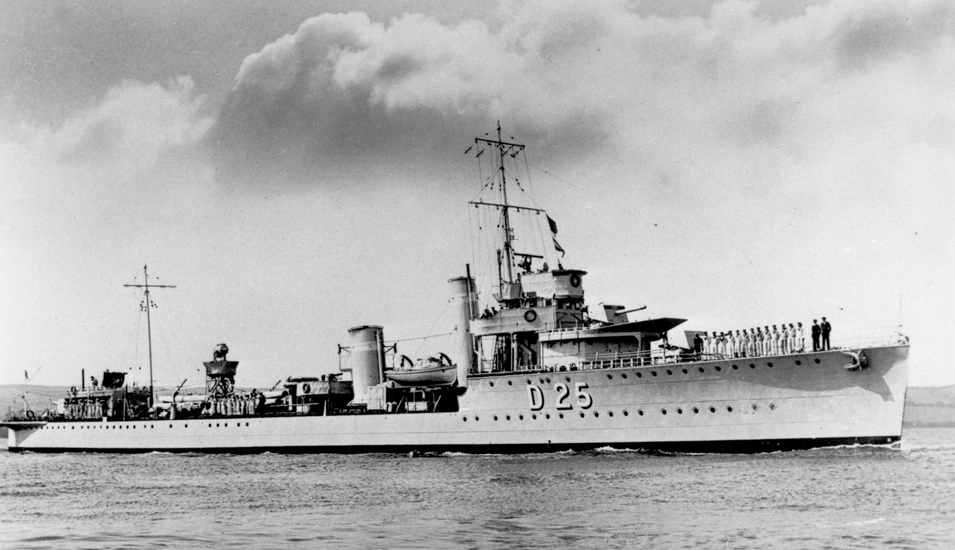
 HMS Warwick

“It was Sunday, 20th February 1944, around midday, off Trevose Head, north Cornwall. I was standing beside the middle machine gun mounting on the shelter deck of Wensleydale, smoking my pipe, when I saw a destroyer approach. It was HMS Warwick. I gave her a cheer and a wave. When she was some 100/200 yards astern, I saw a small mushroom of smoke rise from her followed, a split second later, by an explosion. Warwick had been hit by a U-boat. Men began jumping overboard and we turned in her direction. I moved to the stern guards and saw she had slowed down and began to settle by the stern. The stern and after compartments broke away with both propellers still turning and with the ‘A’ brackets to which they were attached, it floated along the starboard side of the ship, passing the bridge before sinking some distance forward of the ship. Warwick, itself, sank after about ten minutes.

 HMS-Warwick

HMS Warwick

“We approached the men in the water but suddenly turned away. In the space of a few minutes we had received a message from Mount Wise, HQ Plymouth, to rejoin and protect the convoy. As I turned to run to my action station I saw the track of a torpedo coming towards us. It missed us by 30 feet – luck was on our side at that moment. The survivors from the Warwick were later picked up by a Belgium trawler but the U-boat escaped.

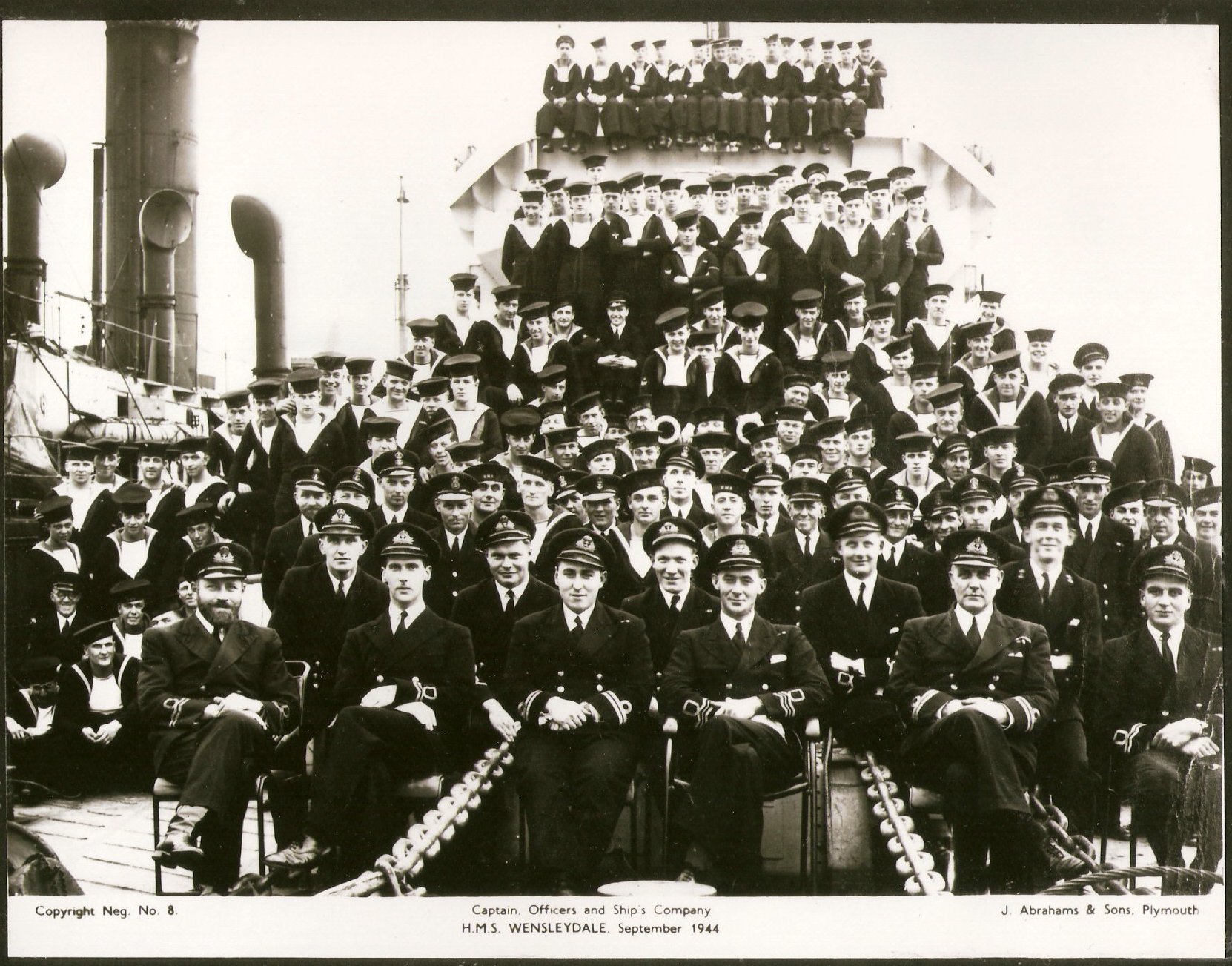
newcrewphoto

Crew of Wensleydale – Henry is third row back, last man on the left (with beard)

 U413

U413 was responsible for the sinking of HMS Warwick and she had sunk the Warwick Castle two years earlier and so was certainly a target to be found and destroyed. It was the 20th August 1944, at around 0900, when we were again off the Normandy coast and asked to assist HMS Forrester who had located the U-boat. We rendezvoued around mid-channel off the coast of Brighton in Sussex, not far from where we had sunk U671. I believe Forrester had fired her depth charges and had missed but HMS Vidette had followed up with hedgehogs and succeeded in hitting the U-boat.

Vidette1NP

HMS Vidette

“At the time, I was at the plotting table in the wheelhouse, oil had been spotted and we were following its course. Naturally we were at action stations. As we were making an approach on the U-boat, I heard a shout, ‘man in water’. The attack stopped whilst he was rescued. He turned out to be Karl Hutterer, the U-boat’s Chief Engineer. He was questioned and tried to convince our Captain that the U-boat had been destroyed. It is possible that he genuinely believed this may have been the case which would have accounted for his decision to escape from the submarine alone.

Picture1

Karl Hutterer, sole survivor of U-413

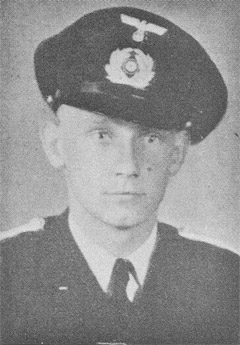
“However, our Captain did not accept this and the attack continued. Wensleydale dropped four pattern depth charges. I moved out of the wheelhouse into the open, heard a massive explosion and saw the largest fire flash on the sea that I have ever seen. Masses of paper came to the surface, some of which, I later heard, were confidential documents. I also saw large pieces of debris rise from the depths indicating severe damage to the U-boat.

 sasche_dietrich

Ob-Lt Dietrich Sachse, captain of U-671, died when she was sunk

“Sadly, there were no other survivors and we returned, with our single prisoner, to Portsmouth. Our Captain was mentioned in despatches but the crew received no shore-leave reward this time. However, the Warwick could now rest easy.”

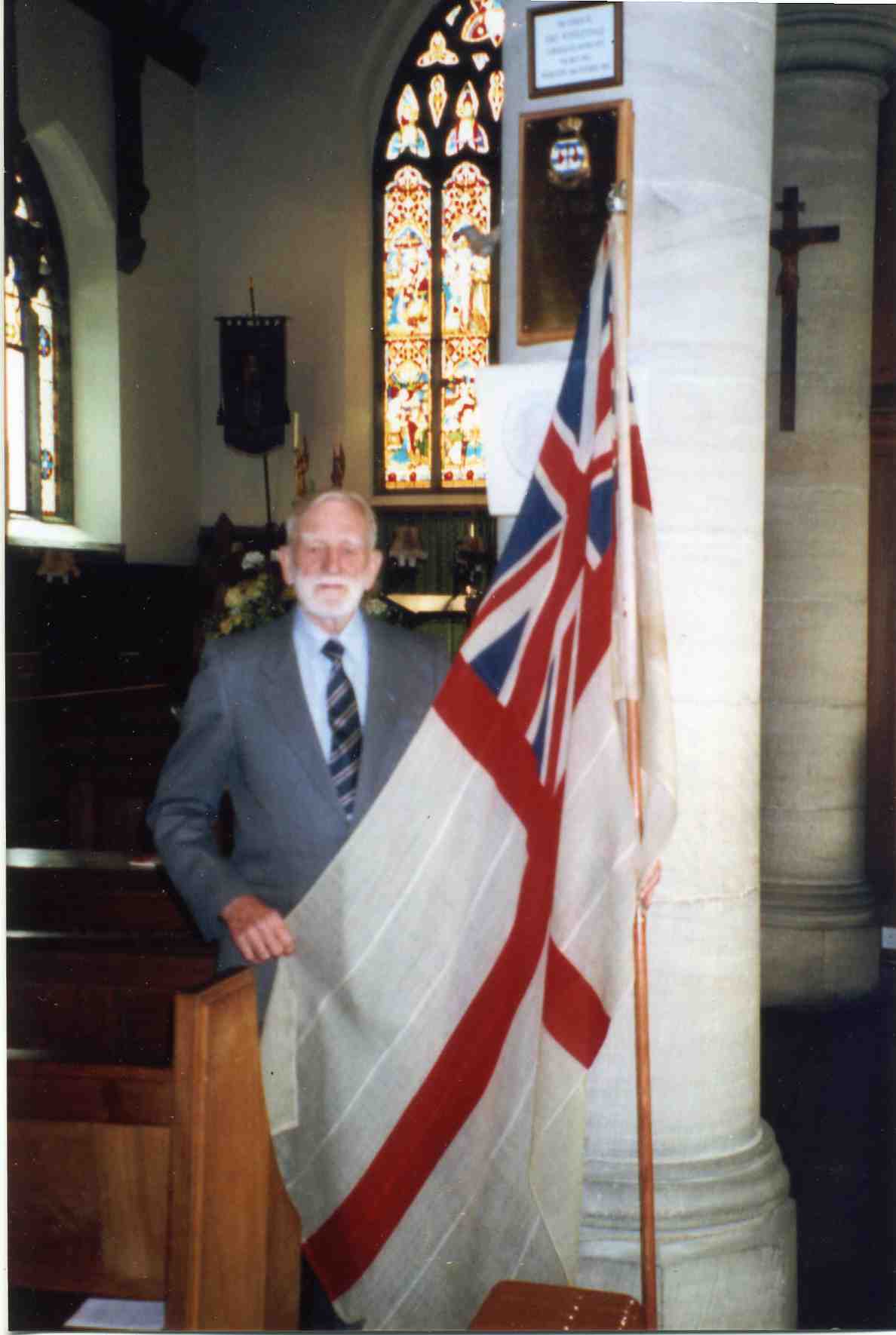
Also sadly, Henry died the year before last (2012) at the age of 93 but his memory and oral history live on.

henry

Henry with the ‘recovered’ Wensleydale ensign in 2008

.

Next week: Glastonbury Abbey: fact and fiction


Artemus Smith’s Notebooks

I continue my research of the notebooks of Dr Artemus Smith, archaeologist of great courage, determination and fiction. Here is another extract:

One of my students had cancelled his tutorial due to sickness. I then happened to notice in the following day’s local paper a photo of him having won a golfing tournament the very day he alleged sickness. I called him to my office, showed him the newspaper and asked for an explanation. Without a falter he replied, “I think I was lucky. Just think of the score I could have got had I not been sick.”

Art Smth

‘E’ for Excellent class submarines in the Dardanelles

REGARDING LAST WEEK, not all subs were like the K class. For example, there was the E class which, in some cases, was highly successful, particularly in the Dardanelles.

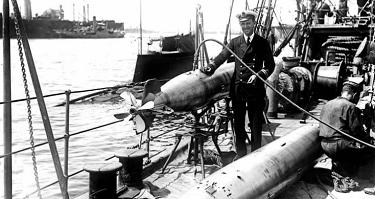
First to succeed in the Dardanelles was E14 commanded by Lt-Cdr Edward Courtney Boyle (actually B11 was first with Lt Norman Holbrook in December 1914, but his was only a brief visit but sinking the Messudieh in the processs). E14‘s task was to penetrate the Dardanelles, make her way through to the Sea of Marmara and cause as much havoc as possible to Turkish shipping and its supply routes to its troops at Gallipoli. Four other submarines had failed previously (E15, AE2, Joules and Saphir).

PhotoWW1-12ssB11-2HolbrookerVC-MQs

Lt Norman Douglas Holbrook

A submarine travels fastest on the surface by way of diesel engines. When it has to submerge the engines are shut down and the sub runs on batteries which only have a limited life before they need to be recharged. This has to be done on the surface by way of the engines. The faster the underwater current flowing against the sub, the faster the sub has to go and this exhausts the batteries much quicker. Got it? The possible hazards E14 faced:

  • Mines (the highest proportion of submarine losses were due to mines)
  • Nets
  • Shore-based guns (there were many and, at night, they had searchlights)
  • Shore-based torpedoes
  • Enemy vessels (patrol craft and destroyers)

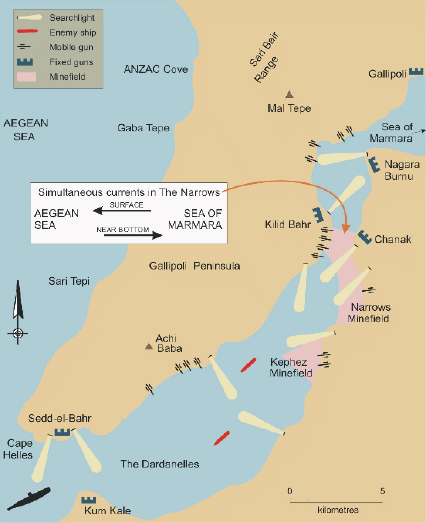
Now, submarines could dodge the latter three when submerged, although even using the periscope (needed for taking bearings) would attract fire from the shore-based guns. The distance she had to travel up the Dardanelles was some 35 miles and it was assumed she could not do this submerged all the way against an unknown underwater out-flowing current – presumed anything from 2-6 knots. At some point she would have to surface and re-charge her batteries – and become a sitting target (or so it was thought – but they would have a go anyway!).

dardenellesmap

Turkish defences in the Dardanelles

It would have been very useful to know the underwater currents, as this obviously affected the speed of the submarine submerged. It would have been easy to have measured them during peacetime – and this may have been done as the British had a Naval Mission in Constantinople before the war. Here it trained the Turkish Navy right up until the outbreak of hostilities with the Germans and the Turks. Admiral Limpus (commander at the Mission) was asked if he or his staff could supply any useful information about the Dardanelles and particularly the currents. The reply, “There’s been a high level decision about that. Admiral Limpus and his staff have been instructed not to supply any information which would be used against the Turks.”  “Why not?” asked one sub commander (Lt-Cdr Nasmith – see below). The reply, “Well, I suppose it would not be considered quite gentlemanly.”   Can you believe that?! Never mind the safety of our submariners – it’s just not British, old boy, to take such advantage of the enemy – not ‘playing the game, what’! [1].

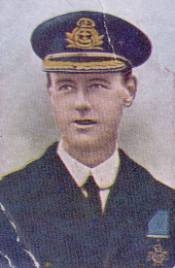
 VCEdwardCourtneyBoyle

Edward Courtney Boyle

Anyway, E14 successfully found her way under the mines and into the Sea of Marmara on 27th April 1915. It transpired that there was no opposing current at that depth and so progress was much quicker than anticipated. For the first five days she managed to cause some confusion among the Turkish shipping but did not sink anything. She did meet up with AE2, an Australian submarine under Lt-Cdr H.G. Stoker. Unfortunately AE2 was sunk on her return journey by the guns of the Sultan Hissar, and the crew were picked up by the Hissar.
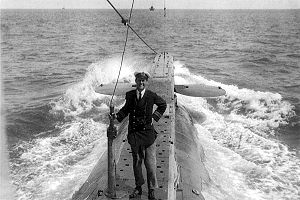
Edward_Courtney_Boyle_aboard_HMS_E14

Boyle on HMS E14

E14 had a bit of bad luck with her torpedoes (either missing targets or failing to explode – nothing unusual with either at that time) but she did manage to sink two gunboats and two transports, one of the latter, Gul Djemal, carrying some 4000 reinforcements to Gallipoli. As a result, this was the last time the Turks attempted to send troops to Gallipoli by sea (it was much more inconvenient and slower by land). What Boyle wished for was a deck gun for sinking smaller light ships rather than wasting torpedoes.

Bolye made a second successful trip into the Marmara, arriving on 10th June 1915 – this time with a six-pounder deck gun which was to prove most useful [2]. He managed to cause suitable chaos amongst Turkish shipping before making a third successful visit. He received the VC for his first mission into the Marmara.

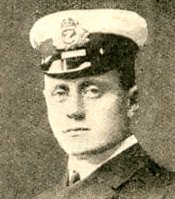
Then there was E11 commanded by Lt-Cdr Nasmith. Fortune smiled on E11 as she also got through the Dardanelles, under the mines, to Marmara, without the need to surface. During May/June 1915, she too caused havoc amongst the Turkish ships running supplies from Constantinople to the front lines at Gallipoli. This she successfully achieved, torpedoing five large steamers, two small steamers and a gunboat. Also she was the first to attack shipping in the Golden Horn, the harbour at Constantinople, for 500 years.

e11-300x129

HMS E11

Nasmith always tried to retrieve any of his torpedoes that missed their targets. He did this by setting them to float and then disarmed their detonators and returned them to the sub. Not an easy – or safe – task, particularly in heavy seas. As with Boyle, he also had some great opportunities to destroy light vessels and even trains if he had had a deck gun.

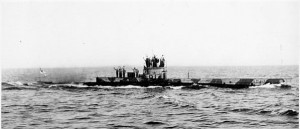
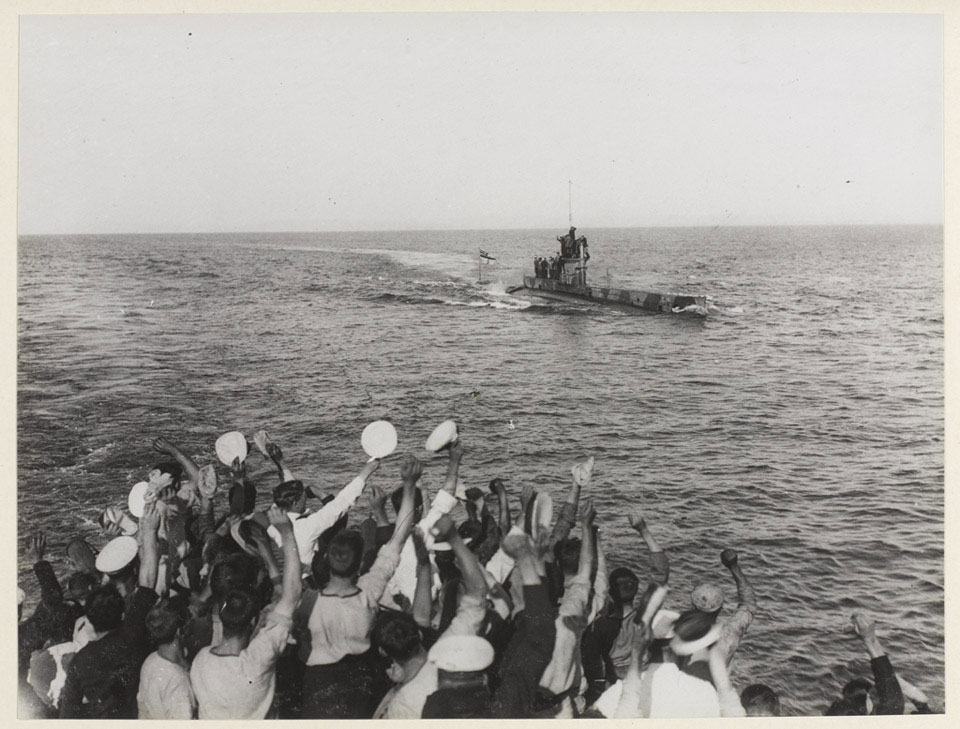
On her return through the Dardanelles, E11 snagged the mooring wire of a mine dragging it with her for some distance. If it came in contact with the sub and exploded the sub would have been completely destroyed and all her crew killed. Nasmith skillfully lost it by carefully reversing his boat and the mine’s mooring wire slipped off the sub’s hydroplane and disappeared. Her return was watched by HMS Grampus whose crew cheered her.

e 11

HMS E11 being cheered by the crew of HMS Grampus

During that trip, E11 sunk  a large Turkish gunboat, two transports, one ammunition ship, three store ships and four other vessels. As with Boyle, Nasmith was awarded the VC. He went on to complete two more successful missions in the Marmara, sinking a large number of Turkish vessels including the battleship, Barbarosa (which he had been after on his first trip).

VCMartinEricNasmith

Martin Nasmith

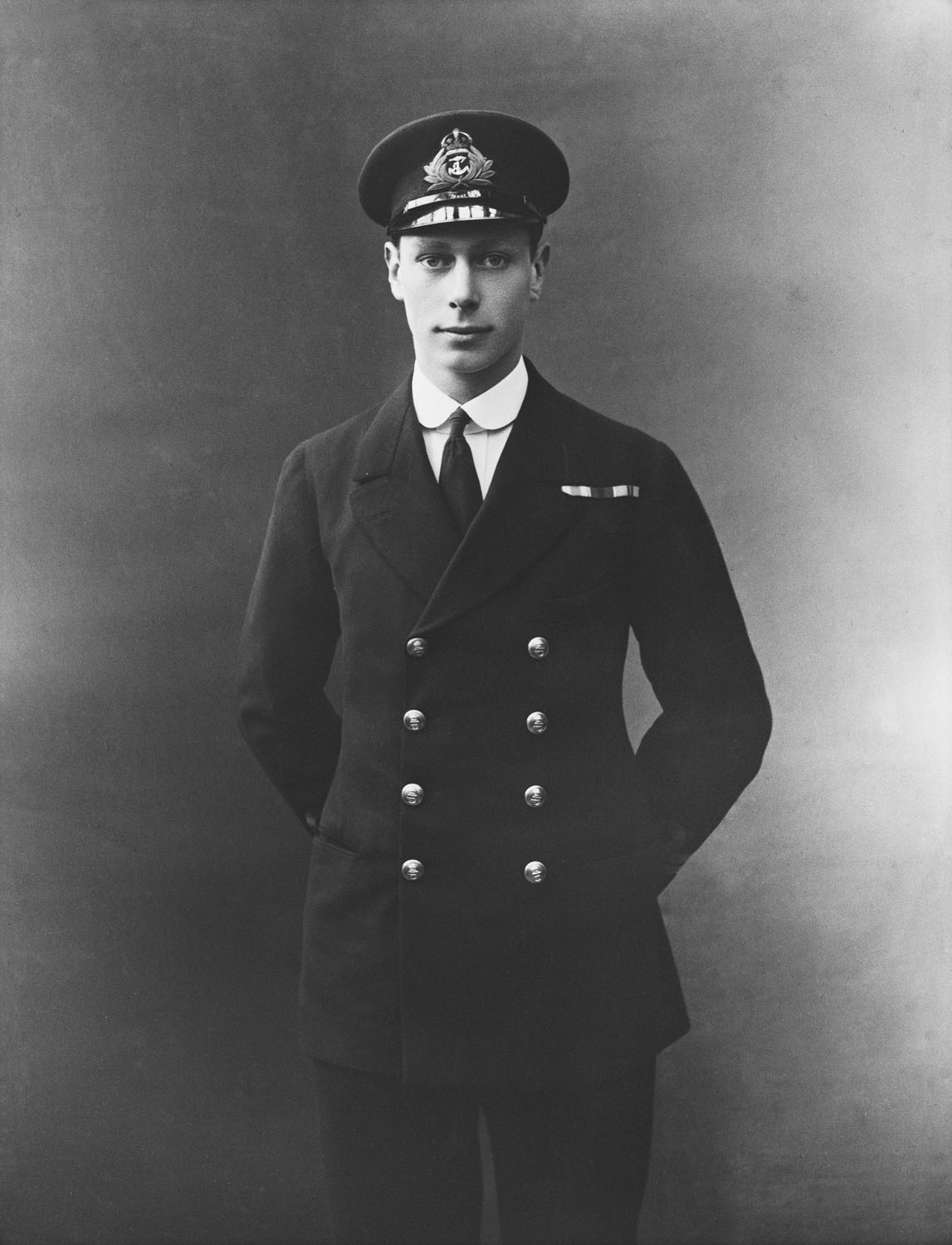
If you read my last blog you will recall that the sub K3  sunk with Prince Albert (future King George VI) on board. Happily no harm came to him and he was rescued. Interestingly,  Nasmith, when a Lieutenant commanding the sub D4, also had Prince Albert on board as a passenger, along with King George V and Winston Churchill. He (Nasmith) managed not to sink and safely returned his VIPs to port.  He is reported to have said that he wondered what would have happened to the course of 20th history if he had sunk that day! Doesn’t bear thinking about really.

60d42fb697f55d1f1f2bbe753bbd6e62

Prince Albert (1917) having survived K3

Finally, there was Lt-Cdr Archibald Douglas Cochrane in E7 (E12, with Lt-Cdr K. Bruce, had made it to the Marmara but the trip was cut short due to defective motors). E7 ventured into the Marmara  at the end of June 1915 – with a six pounder gun (they were becoming the norm) – to relieve Boyle. On the 2nd July, E7 surfaced off the coast of Rodosto and was fired at by several Turkish riflemen but it was well out of range. E7 fired her deck gun at them and they all scattered like frightened sheep!

300px-QF3pdrHotchkissRN1915

Typical WWI  deck gun on a submarine

It wasn’t until the 10th July that E7 had her first successful torpedo attack – on a circa 4000 ton steamer. Then, as had Nasmith, he attacked shipping at Constantinople, destroying ammunition vessels in the harbour near the Topkhana Arsenal. He then focused on trains – they were the main method of transporting troops following Boyle’s sinking of Gul Djemal (above) and, by now, also supplies. After spending three weeks in the Marmara, E7 was relieved by Boyle on his third venture  into the Marmara on E14. Cochrane had sunk one gunboat, five steamers, seventeen large sailing vessels, and various light vessels that had been anchored off the Topkhana Arsenal.

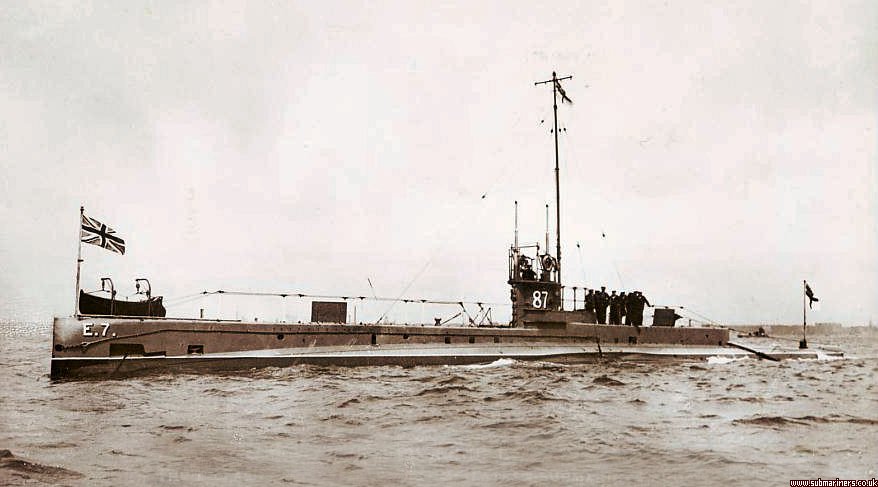
E7

HMS E7

On his second trip to the Marmara, on the 4th September 1915, Cochrane and E7 were not so lucky. They came up against wire netting and attempted to break through at full speed (usual method). This did not work and E7 got caught up in the net. A couple of mines exploded near to her hull. This cleared her of the netting but Cochrane was forced to surface into the open arms of a Turkish ship. He and his crew were taken prisoner. He was to escape only to be recaptured and then escape again – this time successfully. Cochrane was awarded the DSO and bar (latter for his escape). He didn’t get the VC as motoring under enemy mines was now too easy!!

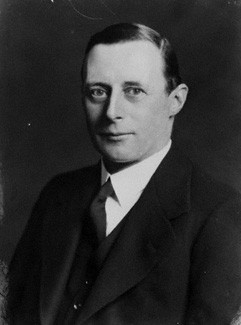
NPG x4655; Sir Archibald Douglas Cochrane by Walter Stoneman

Archibald Douglas Cochrane MP, circa 1936

Between them, E11, E14 and E7 had sunk over 300 vessels including two battleships, a destroyer and five gunboats and had prevented the reinforcement of Turkish troops to Gallipoli by sea. Fine job, chaps! The last submarine in the Sea of Maramara was E2 and she was recalled on 2nd January 1916 as no longer required after the final withdrawal of troops from Cape Helles.

Boyle ended his naval career as a Rear-Admiral. By 1926, Nasmith was Rear-Admiral, Submarines, and was to be appointed the Second Sea Lord in 1935, retiring an Admiral in 1946. Cochrane retired from the Navy a captain, became an MP for East Fife then Dunbartonshire and ended up as Governor of Burma and with a knighthood.

.

Footnotes

[1] In His book, Destintion Dardanelles, Michael Wilson reports that in the early days of the war, neither Britain nor Germany envisaged the use of submarines as a means of waging war on the other’s commerce. When Lord Fisher suggested that this may be a future option for the Germans this was rejected out of hand by both Admiral Prince Louis Battenburg and Winston Churchill, with Captain (Commodore) Roger Keyes saying “we all discarded this possible behaviour as impossible and unthinkable.”  Disgraceful behaviour – just not cricket!!  Needless to say, the Germans did attack our commerce.

[2] Boyle desperately wanted a deck gun and went to the Constructor’s office on a Sunday for a pad for the gun to be fitted. He reported his frustration as the official in the office was “unable to put anyone on the job today – there is no work on a Sunday unless very pressing.”  How British again.  What’s next? – Tell the enemy they can’t attack at the moment, it’s tea-time ……

.

Next week: Back to Crete – you know I want to. Deciphering Linear B – credit where credit is due

.


Artemus Smith’s Notebooks

I continue my research of the notebooks of Dr Artemus Smith, archaeologist of great courage, determination and fiction. Here is another extract:

I opened the morning newspaper and was dumbfounded to read in the obituary column that I had died.  I quickly phoned the Dean of my College, an esteemed but aged colleague, Professor Aluicious Grantham-Hardrascal.

“Did you see the paper?” I asked him, “They say I died!!”

“Yes, I saw it!” replied Aluicious.  After a pause he added, “Where are you calling from?”

AT

‘K’ for Klot class submarines

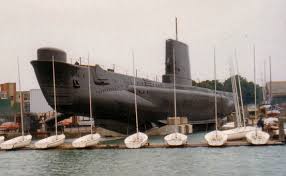
I HAVE ALWAYS been fascinated by submarines but not to the extent of serving in one! Equally, I have always admired those courageous and/or mad enough to do so. One such individual, a navigational officer, Michael Highwood, was kind enough to show me around the Submarine Museum and HMS Alliance, a 1947-1973 ‘A’ Class submarine, at Gosport the other week and it just confirmed all my aforementioned thoughts.

alliance3         alliance

HMS Alliance – scary. She looks enormous from the outside but you can’t swing a guinea-pig inside.

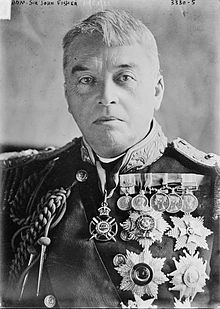
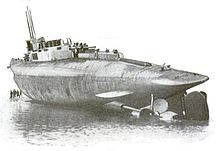
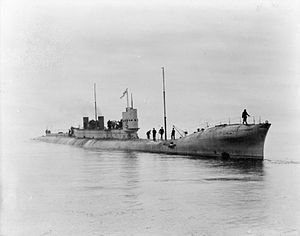
This brings me on to my tales of submarine woe – the WWI ‘K’ class sub. This has got to be the worst ever RN vessel design. If ‘K’ dosen’t stand for the designer whose name should be Klot, it should certainly stand for Katastrophe. During WWI we had various types of ‘conventional’ submarines but Admiral Lord Fisher, the First Sea Lord, was keen to build a large and fast submarine to accompany the Grand Fleet. He commissioned the design of the K class. They were to be longer than a football field – over 100 yards – three times the size of the, then, existing British E class submarine. It was  not a good idea.

-Adm._John_Fisher

Admiral of the Fleet Lord ‘Jacky’ Fisher of Kilverstone (1841-1920)

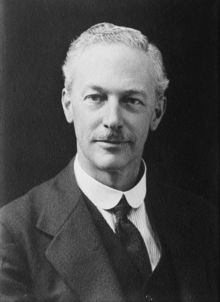
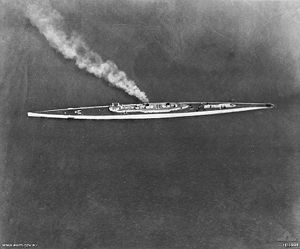
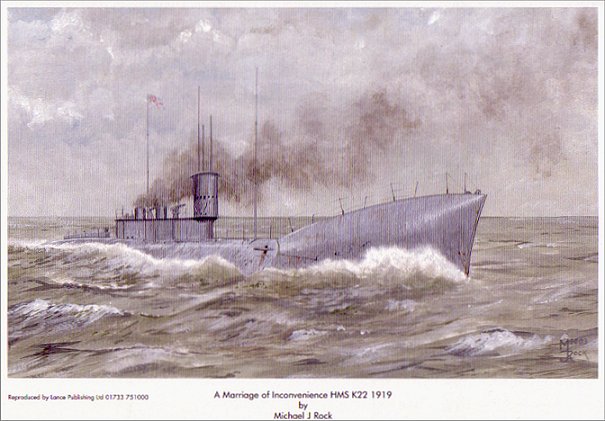
The Director of Naval Construction, Sir Eustace Tennyson-d’Eyncourt, came up with the design for ‘K’ class submarines and to satisfy Fisher’s need for the submarine to achieve at least 20 knots on the surface (to keep up with the fleet) he decided that they would have to be driven by steam turbines with funnels. Yes, funnels on a submarine. On diving, the two funnels folded back into wells which were sealed with hatches.  Even so, I’m no ship designer but even I can see possible problems on the surface with heavy seas entering the funnels and putting the boiler out ….  Yep, with a submarine with funnels, there must be trouble ahead.

 Sir_Eustace_Tennyson_d'Eyncourt_Collection)

Sir Eustace Tennyson-d’Eyncourt (1868-1951) 

Well trouble was ahead, but not just because of funnels. Twenty-one K class subs were initially ordered to be built in 1915 and 1916 at Vickers & Maxim in Barrow. One of the design’s major difficulties was diving in haste – a rather important requirement for a submarine I would have thought. The average sub was expected to be able to dive below the surface between 30-40 seconds. K class subs took 5 minutes to dive! This made them ‘sitting ducks’ to say the least. Anyway, let’s have a look at their track record:

  • K3 was the first to be launched around May 1916 with Prince Albert, the future King George VI, on board. When she tried to dive she sunk head first to the bottom with her stern above the water line with propellers spinning wildly in the air. Luckily no lives were lost – just face. Drowning Prince Albert would definitely have been be a little embarrassing for the Royal Navy.
  • K5 disappeared for no known reason, on the 20th January 1917, in a mock battle in the Bay of Biscay. Wreckage was found and it was assumed she must have exceeded her maximum depth.

K5

HMS K5 under steam – weird site for submarine

  • K13 (now who is going to want to serve on a boat numbered 13?), on 29th January 1917, dived at Gaire Loch. The boiler room flooded (those funnels again?) and the sub sank to the bottom. Following an incompetent rescue mission, sadly 25 lost their lives. She was salvaged and renumbered K22 (no, not finished with her yet).
  • K4 ran aground at Walney Island also in January 1917 (and not finished with her yet).

K 4 aground at Walney island

HMS K4 aground at Walney Island

  • K4 was then rammed by K1 on 18th November 1917 (and still not finished with K4 yet).
  • K2 suffered an internal explosion and caught fire. There were no fire extinguishers on board (surprised?) but, fortunately, she was able to surface and the fire was extinguished with buckets of sea water passed down hand-to-hand (don’t even ask!).
  • K6 sat on the bottom with a failed compressed-air system. She was fixed and refloated but this did not bode well for what was her her trial run (shall we have another go?).
  • K 14, on her trial run, developed leaky plates and electrical fires – but that was to be the least of her problems (more on her below).

The above last three incidents were just examples of problems that occurred on all of the first thirteen K class boats during their trials between January and May 1917.

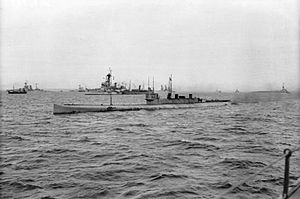
K3

HMS K3 with the surrendered German Grand fleet in background

There’s more. June 1917, four K class subs were involved with an anti-submarine sweep in the North Sea with destroyers and conventional submarines. During the ten day operation no U-boats were destroyed, yet the Germans sunk nine British merchant ships who were supposedly being protected by the British force. But there was action: in the confusion, K7 was identified as a German U-boat and depth charged, fortunately unsuccessfully, by two British destroyers. She (K7) then found a genuine U-boat and fired at it with a torpedo at point blank range, hitting the U-boat but no explosion followed. K2 was reported lost with all hands by the Fair Isle lighthouse who had seen the submarine suffer an explosion, believing her to have hit a mine. The Admiralty sent out telegrams with the bad news to the crews’ next of kin who were naturally all devastated. Two days later the submarine appeared unidentified at night at Skapa flow causing a general panic as no one recognised it. Fortunately no one fired on her. The explosion the lighthouse had seen was K2 firing its gun at the lighthouse!

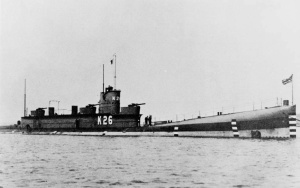
 HMS_K26

K’ class submarine complete with two funnels (K26 was launched after the war in 1919)

Then came calamity with a capital ‘K’. Operation E.C.1 on the 1st February 1918 was to prove ‘K’ class subs were a total liability and the event became known as the ‘battle’ of May Island, although it wasn’t a battle as such. Let’s set the scene: The battlecruiser, Courageous, led the operation along the Firth of Forth. Behind her came the cruiser, Ithuriel, with five K class subs. About five miles behind came four more battlecruisers, and behind them the cruiser, Fearless, with four K class subs. Behind them, at the tail of the entourage, came the huge battleships with escorting destroyers. A force to be reckoned with – or so you would have thought. This is what happened:

  • First of all eight armed trawlers mine-sweeping in the Firth approached the fleet and a mist appeared. Ithruel lost visual contact with Courageous and went off-course. There then came confusion among  the five K subs. They were trying to follow Ithruel’s lights but were bewildered by the flashing navigational lights of the trawlers. K14 tried to avoid the trawlers by going hard to starboard, but in the process jammed her helm. Her commander stopped engines otherwise he would be going around in circles. K22 (the salvaged K13 above), steaming at 19 knots (despite the mist), ploughed into K14.
  • The battlecruisers (five miles behind) were soon bearing down blind on the carnage caused by K22 and K14. The battlecrusier, Inflexible, as its name perhaps denotes, ploughed into K22.
  • Behind Inflexible came the cruiser Fearless and the four other K subs, all at full speed. Fearless rammed K17 and sunk her.
  • Also moving at full speed was K6 as it crashed into K4 (the one mentioned twice, above), which for some strange reason had stopped and had no lights on. She sank and nearly took K6 with her.
  • Desperate attempts were being made to rescue the crews of the sinking K subs when the tail-end escorting destroyers appeared and blindly ploughed through the survivors of K17.

k22

HMS K22

Despite all this, K class subs were still being constructed after the war (see K26 in pic above) – and still failing. On the 25th June 1921, K15 sunk minding its own business at its mooring at Portsmouth. It was due to a loss of pressure causing dive vents to open – bit careless. And just to mention the inevitable, also in 1921, K22 (again), dived with both her funnels open ……

K15

HMS K15

The tragedy of this unnecessary loss of life and destruction is difficult to comprehend. Rear-Admiral Ernest Leir commented, “The only good thing about K boats was that they never engaged the enemy.”  It makes you wonder whose side Tennyson-d’Eyncourt was on when he designed the K class submarine.


POSTSCRIPT

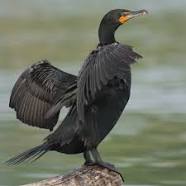
German U-boats caused a great deal of trouble at the beginning of the war and Great Britain had to come up with a way of detecting their presence. The solution was to sail the merchant ships in convoy supported by warships. However, before this was decided upon, the public were encouraged to come up with ideas. Well-meaning as some of them were, one or two were, shall we say, not all that practical. Suggestions included the training cormorants to drop bombs,  seagulls to spot periscopes, and sea-lions to spot U-boats. How these birds and sea-lions were going to distinguish between U-boats and allied subs and then (with regard to the latter two) communicate to the authorities wasn’t explained! In saying that, on the sea-lion suggestion, apparently the Royal Navy expended some effort – and sea lions – in a feasibility study ….. (if you don’t believe me, read Peter Lawrence’s book on A Century of Submarines, Tempus, 2001).

cormorant

Cormorant bomber

.

Next week: ‘E’ for Excellent class submarines – not all subs were like the K class, some actually succeeded. Let’s look at E7, E11 and E14 in Dardanalles in WWI

.


Artemus Smith’s Notebooks

I continue my research of the notebooks of Dr Artemus Smith, archaeologist of great courage, determination and fiction. Here is another extract:

I had another visit from my old chum Hamish McCondor the other day. He was in quite an irate mood. He growled,

“My neighbour knocked on my door at 2:30 am this morning. Can you believe that, 2:30 am?!

Luckily for him I was still up playing my Bagpipes.”

Art Smth

Ill Met by Moonlight: Hollywood fact or fiction?

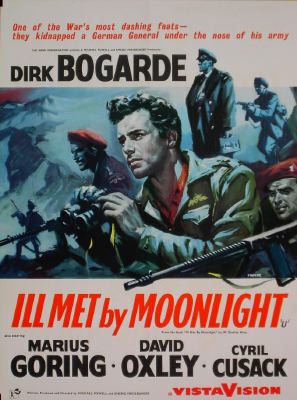
IF YOU HAVE NOT SEEN IT, Ill met by moonlight was a film about the kidnapping of a German General from Crete in 1944. And, yes, yes, we established last week that this film wasn’t made by Hollywood – but it’s all part of the ‘series’!

ill-met-movie-poster

Film fact

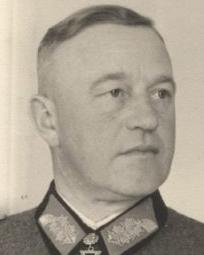
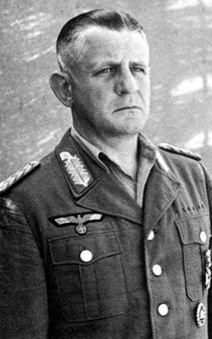
The idea was to kidnap the German General, Freidrich-Wilhelm Müller, who was a particularly nasty commander of the German forces in Crete. He was responsible for hundreds of Cretan civilian reprisal executions and the razing of villages to the ground. He was known as the ‘Butcher of Crete’. The leader of the kidnappers was a British major, Patrick Leigh Fermor, and his side-kick was Capt. William (Billy) Stanley Moss (who wrote the book of the film of the same name – and probably has the T-shirt [1]). However, by the time the plan had been organised, Muller had been replaced by General Heinrich Kreipe. It’s probably just as well because, due to Muller’s nastiness, he would most likely have been killed by the Cretans long before Fermor & Co got anywhere near to getting him off the island.

General_F.-W._Mueller

Müller, he was tried for war crimes after the war and executed by firing squad in Athens on 20th May 1947 – the anniversary of the German invasion of Crete – nice touch

It all began on the 26th April 1944. Kreipe was being driven from his headquarters in Archanes to Villa Ariadne (previously Sir Arthur Evans’ villa) at Knossos where he stayed. It was 9.30 at night. Fermor and Moss were dressed in German corporals’ uniforms and waved the car down. The driver was hauled out and hit on the head by Moss, whilst Femor pulled Kreipe from the front seat. By now the remainder of the kidnapping force of Cretans had appeared. Three of them jumped into the back seat with Kreipe wedged between and one of them had a knife to his throat to keep him quiet.

General_Heinrich_Kreipe

Kreipe – not so nasty general

In the film, whilst planning the kidnapping, one of the Cretan look-outs was adamant that the car carrying Kreipe was a Mercedes; in fact in 1944, it was an Opel, but I suppose the public hadn’t heard much of that make of car at that time – but everyone knew Mercedes!

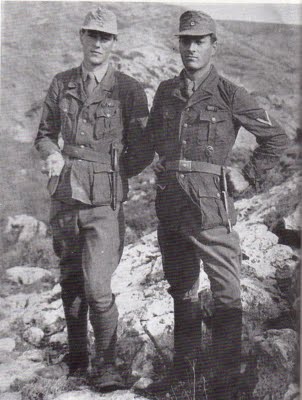
leigh-fermor-anmoss

Moss (left) and Fermor dressed as German corporals (film fiction: Leigh Fermor did not kill two Germans in the dentist’s surgery and take their uniforms)

Four of the Cretans set off on foot with the dazed driver, Alfred Fenske, and they were to meet up with the others at Anoyeia. The fate of the driver was not mentioned in the film but he never made it to the meeting place. He was killed because he was too much trouble – not the ‘done thing’ for a British film in the 1950s.

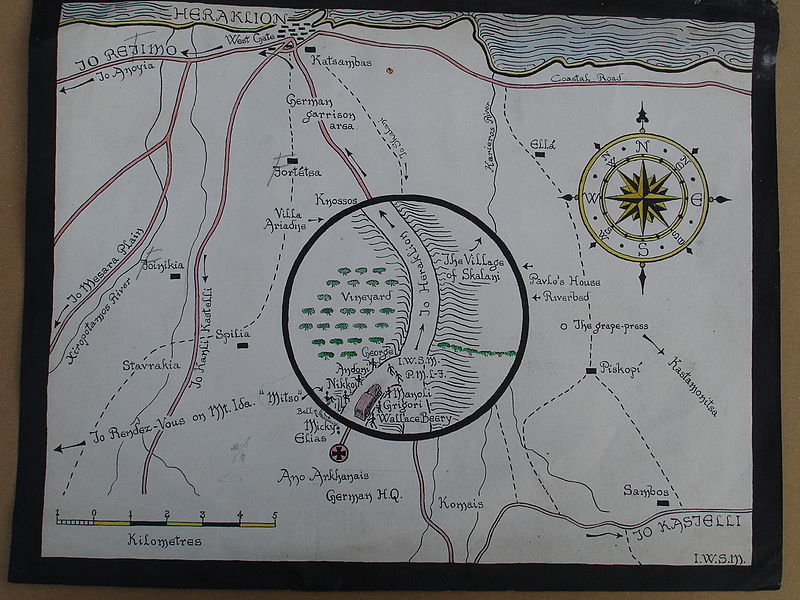
plan

 Map of the kidnapping on the road from Archanes to Knossos

Fermor & Co, with Moss driving (Billy not Stirling …… sorry), set off in the car to Heraklion, passing some twenty-two check points. Each time Fermor just shouted out the window, “General’s car” (but in German of course, otherwise it would have been a bit of a give-away) and pointed to the General’s pennant on the wing of the car. On the coast road to Anoyeai, at Yeni Gave (now Drosia), they piled out of the car and headed into the hills on foot. All except Fermor and one Cretan, George. They took the car past Heliana and left it prominently in the middle of the road with a note in it saying that this kidnapping was carried out by a British commando unit and had nothing to do with the Cretans. The idea was to prevent reprisals, but it didn’t work [2]

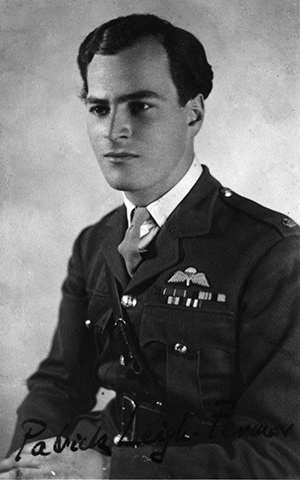
femor

Major Patrick Leigh Fermor

The party then went up to Mount Ida, mid-Crete. It was during this trip that Kreipe awoke one morning and looked at the sun shining on the mountain and muttered to himself in Latin, “Vides ut alta stet nive candidum Soracte …” [3]. Fermor recognised it as one of the few Odes of Horace that he knew and continued the quotation in Latin [4].  The two of them had a bonding.

Moss

Capt. William Stanley Moss

The plan was to come due south from Mount Ida and pick up the boat on the beach but it transpired that the beach in question was swarming with Germans. Fermor had asked the BBC to announce that the kidnappers had got Kreipe off the island and were on their way to Cairo. That way the Germans would think they had left Crete so no point in searching for them. Unfortunately, as in most plans, incompetence creeps in/communications fail and  the radio message announced that General Kreipe had been captured and “is being taken off the island”. This told the Germans that he was still there so searches continued in earnest!

The rendezvous was then changed to Peristeres beach near Rhodakino. In the film, at the end, Kreipe tries to bribe a young Cretan boy, Niko, to go to the Germans who are guarding the Peristeres beach: in the first place there were no Germans on that beach; in the second place, Kreipe only spoke German and French which none of the Cretans could understand. So that didn’t happen. What was true was that the signal to the boat was to be SB in morse code and neither Fermor nor Moss knew morse code (well both knew S for SOS but neither knew B!). How could you make such a blunder after all the plans!! The man who came to their rescue, in the film Sandy (Rendel), was, in real life, Dennis Ciclitiras (credit where credit is due). Kreipe was taken off the island on 14th May, 18 days after his capture, and sailed to Cairo.

imgp5550

Leigh Fermor saying goodbye to Kreipe in Cairo

Kreipe was rather overwhelmed by the help and support, with guides, food, blankets and anything else needed, given everywhere they went by the Cretan islanders. In his book, The Cretan Runner, George Psychoundakis says that Kreipe remarked, “I am beginning to wonder who is occupying the island – us or the English.”

Kreipe was sent as a POW to Canada (near Calgary) and later transferred to Wales (Island Farm near Bridgend), then finally, Shugborough Park in Staffordshire. He was repatriated to Germany in October 1947 and died in Hanover in 1976, aged 81. In 1972, he attended a televised reunion with Fermor and some of his Cretan kidnappers (sadly Moss had died in 1965) [5]. When asked if he had any hard feelings he said no, otherwise he wouldn’t be on the show. Good loser! Click here for the TV show.

kreipe-fermor-later 1976 reunion – Fermor centre right, Kreipe right of him

Footnotes

[1] See also Patrick Leigh Fermor’s own recent book on the action, Abducting a General, John Murray, 2014.

[2] At first there were no reprisals as the new Commander, General Brauer, disliked Kreipe and seemed to consider the kidnapping somewhat amusing. However, when Müller returned to take Brauer’s place, it was a different story. The German reprisals included the burning of Cretan villages in the Amari valley, killing over 450 people. This was half (if not wholly) expected (despite Fermor’s note left in the car) and some considered the venture not worth the deaths that resulted. Others have suggested that there were other reasons for these reprisals which is why the Germans took so long to carry them out (the kidnapping took place in May, reprisals were in August). It has to be said that it had neither tactical nor strategic value, just good propaganda. Hmmmm …. I still have my doubts that it was ever a good idea bearing in mind the reprisals that would obviously follow.  I was recently told by a colleague of mine that a friend of his who knew Fermor was told by Fermor (who was living in Greece) that he (Fermor) could never go back to Crete because the German reprisals for capturing the general there had sparked a traditional blood feud against him as the indirect author of villagers’ deaths.


[3]  Vides ut alta stet nive candidum Soracte
Do you not see how [Mount] Soracte is shining …

[4]  nec jam sustineant onus
Silvae laborantes, geluque
Flumina constiterint acuto

beneath a heavy covering of snow, and how
The laboring trees can no longer hold up their burden,
And how the rivers are frozen by the sharp cold?

[5] Patrick Michael Leigh Fermor OBE, DSO, was knighted in 2004 and died in 2011 aged 96.

.

Next week:  Let’s go back to the previous war ….. ‘K’ for Klot class submarines – a look at the disastrous K class WWI subs.


Artemus Smith’s Notebooks

I continue my research of the notebooks of Dr Artemus Smith, archaeologist of great courage, determination and fiction. Here is another extract:

I recently discovered the unrobbed tomb of the 3rd century BC Macedonian ruler, Philipidus Windsoros (sometimes known as Phil the Greek). He had around him the usual treasures to show off his power and wealth in life.  There was one interesting gold casket inscribed ‘due debtos’ (due debts) and containing four clay pots.  Clearly, dignitaries who had owed Philipidus money were happy to honour these debts on his death. In the first pot there were 30 gold coins and a note on papyrus I translated as stating that this was the sum owed to Philipidus and unpaid at his death – now settled, signed Leodinos of Sparta.  The second pot had 50 gold coins and a similar note signed Xernes of Persia.  The third pot, 70 gold coins and a similar note signed Konon of Thebes.  The fourth pot contained a similar note signed by Joseph of Israel, but no coins.  Instead another piece of papyrus was sown to it with the words ‘150 gold talents’ written on it, and signed by Joseph of Israel ……… It was a cheque.

Art Smth

John Pendlebury (in Crete)

SO, WHO WAS John Devitt Stringfellow Pendlebury? He  was a bit of a character. He was born in 1904 and started off life – well, from the age of two – with only one eye, having lost the other in an accident, the cause of which was never established for sure. He was quite an athlete, gaining an athletic blue at Pembroke College, Cambridge in 1926/7. He completed for selection in the 1924 Olympics, the setting for the film, Chariots of Fire. He was also an academic, gaining a  Second and a First for Parts I and II respectively of the Classics Tripos at Pembroke.

pen 2

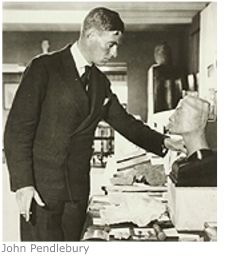
John Devitt Stringfellow Pendlebury

He went to school at Winchester College and, whilst on a school trip to Mycenae (in Greece – you remember) in 1923, he became interested in archaeology. After leaving university in 1923, he worked at the British School at Athens studying Egyptian artefacts found in Greece ( he couldn’t make up his mind whether to study Egyptian or Greek archaeology so he combined them both!). At the school, he met Hilda White, his wife-to-be (she was 13 years his senior).

pen 3

Pendlebury in 1928

He first visited Knossos (Crete – keep up) in 1928 and his initial reaction was that Arthur Evans’ restorations had spoiled the place (you’ll have to back several blogs for that). After that he went, with Hilda, on his first excavation at an ancient Macedonian site at Salonica under Walter Heurtley (Alexander the Great was Macedonian, but you knew that). Pendlebury married Hilda shortly afterwards.

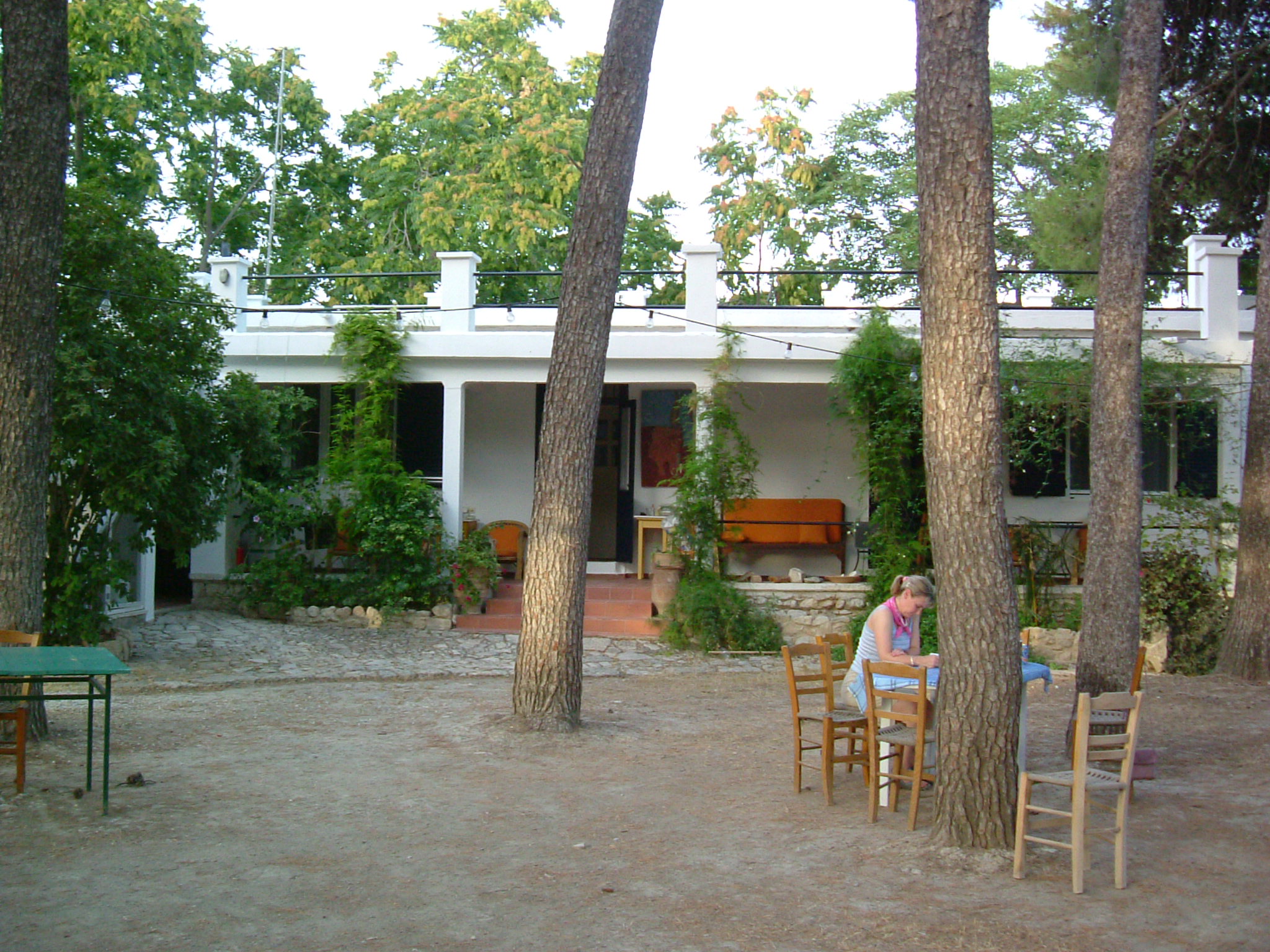
Evans had been impressed with what he had heard of Pendlebury and, in 1929, offered him the curatorship of Knossos on the retirement (forced due to illness) of the then present curator, Duncan MacKenzie. The job began in Spring 1930 but the place was in a bit of a mess when he took over – buildings in disrepair, animals grazing amongst the ruins and the site littered with rubbish from visiting dignitaries (it wasn’t open to the public yet). Pendlebury put in a great deal of work reorganising the place as well as refurbishing the Taverna (accommodation building not a bar) where Hilda and he resided. The Taverna is next to Villa Ariadne where Evans lived. The curator still lives at the Taverna today but it’s also now used for students.

TavernaKnossos003

The Taverna – student quarters (Sarah studying hard, I think she’s reading ‘How to make raki’!)

Later in 1930, Pendlebury was offered directorship of the Tel el-Armana excavations in Egypt. This he could not turn down and was able to carry out this task along with the curatorship at Knossos (climate differences meant excavating in Egypt in winter and Knossos in spring). He continued at Armana until 1936 (click here for great video of him at Armana).

 pen 1

Pendlebury in Armana wearing ancient Egyptian necklace

pne 11

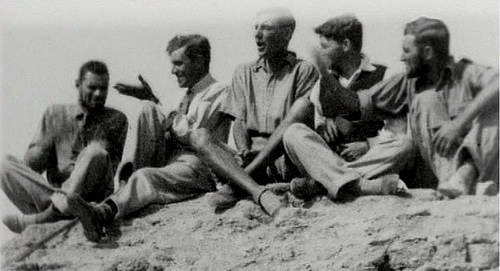
‘Discussions’ at Armana (Pendlebury 2nd from left)

Back in Knossos (1932) he had the arduous task of recording some 2000 sherds with the help of Hilda and two other ‘up-and-coming’ female archaeologists, Edith Eccles and Mercy Money-Coutts. In 1933, he produced his Knossos guide book, A Handbook to the Palace of Minos at Knossos, and was now seeing Evans’ reasons for the restorations – he put in the preface of his guide book, “Without restoration the Palace would be a meaningless heap of ruins, the more so because the gypsum stone, of which most of the paving slabs as well as the column-bases and door-jambs are made, melts like sugar under the action of rain, and would eventually disappear completely.”  So that’s the answer to the critics who are still anti-Evans-restorations. But we won’t go there. Anyway, he continued as curator at Knossos until 1934 but spent some time travelling the island as a freelance archaeologist researching for his very comprehensive book on the whole (then known) archaeology of Crete published in 1939. Then came the war. 

pendlebury          pen 5

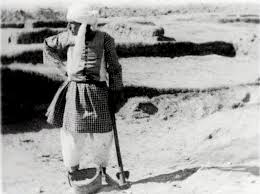
with finds from Armana                                                Pendlebury pretending to be a local worker at Armana  

Pendlebury returned to England to convince the authorities that Crete was a strategic position and had to be defended. He offered his services to return to the island to prepare for a German invasion. In May 1940, he was sent back supposedly as British vice-consul at Heraklion (then still known as Candia) but the title was just a cover and – as with Lawrence of Arabia – he was a spy! He began planning and liaising with the local Cretan clan chiefs ready for the anticipated invasion which duly came on 20th May 1941.

pen 8                                                  pen 4

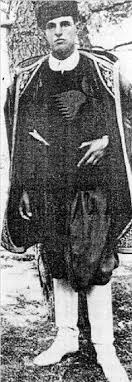
Pendlebury in Cretan costume                          In Crete in 1939    

Patrick Leigh Fermor, was also ‘stationed’ in Crete (he was the leader of the kidnapping of the German general, Heinrich Kreipe, from the island – see ‘next week’) and he said of Pendlebury, “I was enormously impressed by that splendid figure, with a rifle slung like a Cretan mountaineer’s, a cartridge belt round his middle, and armed with a leather-covered swordstick.” Pendlebury was based in Heraklion and if ever he left his office for a short time, he would leave his false eye on his desk to let people know he wouldn’t be long!

pen 9

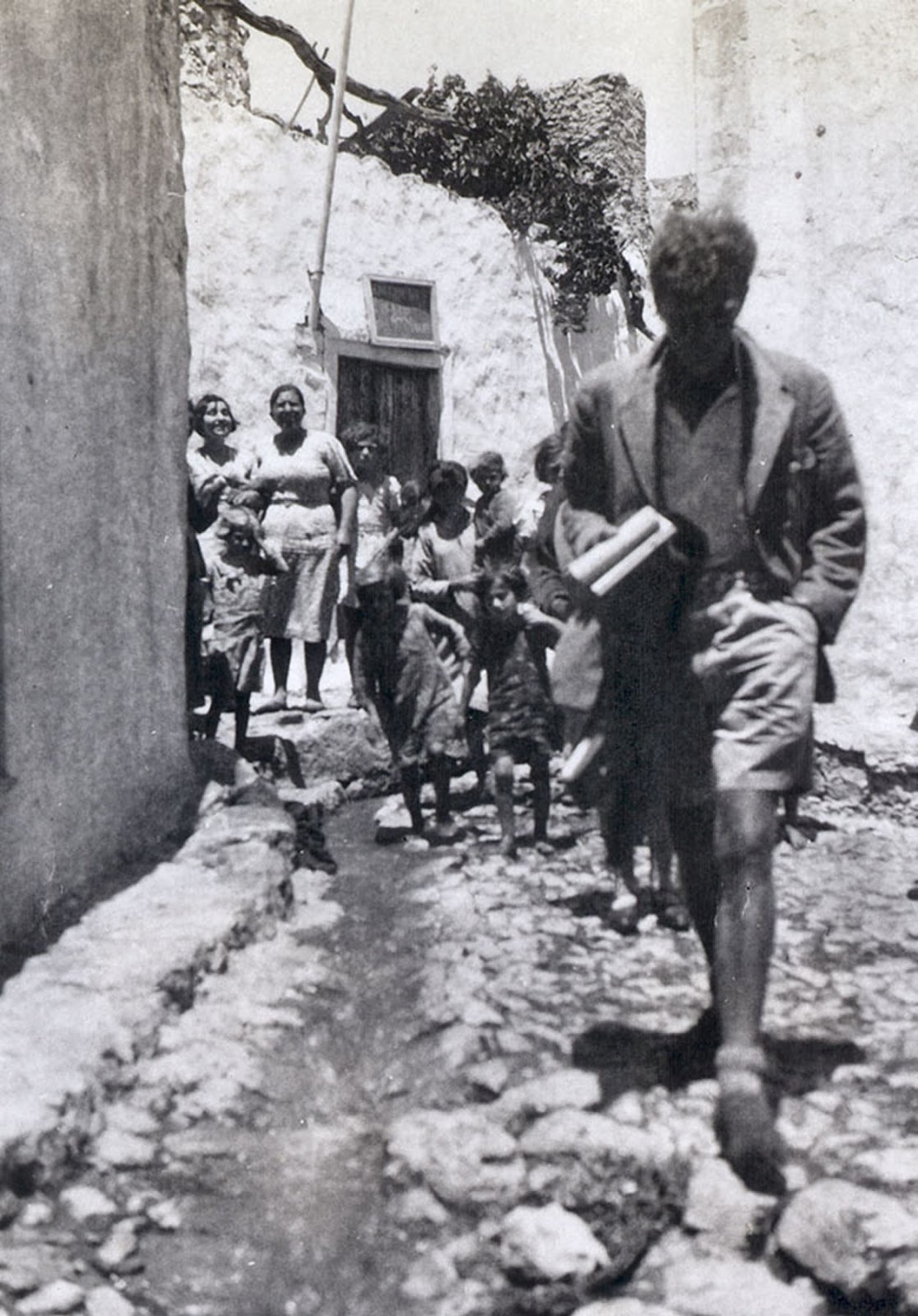
In the streets of Stavrochori, Crete

The Germans parachutists took a bit of a hammering on the first day of the invasion. They were somewhat surprised at the Cretan and British (and New Zealand and Australian) defence. On the second day, 21st May, Stukas were bombing the island and parachutists still coming in. Pendlebury had left Heraklion, then got out of his car and approached an area where German parachutists were coming in. He was then wounded in the chest, whether by a parachutist or Stuka machine gun fire is not known. He was taken by German parachutists to the house of his friend, George Droussoulaki (who was fighting elsewhere and was killed later that day). George’s wife, Aristea, reported that Pendlebury had his wounds attended to by a German doctor and, in the evening, was attended again by a German doctor and given an injection. He was told by the doctor he would be collected the next day and taken to a hospital. The next day a different group of German soldiers appeared and dragged him out of the house, propped him up  against the wall and shot him.

pen 10

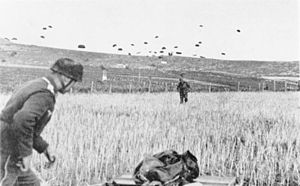
German parachutists in Crete

Why he was shot is not clear. It may have been that the Germans knew who he was and decided this the best cause of action. Or they thought he was spy being British but dressed as a local Cretan (well, I suppose he was). Or they were just especially evil. He was initially buried where he had been killed but because it became a shrine to the Cretan Resistance it was moved by the Germans to the Rethymnon road where they could keep an eye on it. He was later  reburied in the British war cemetery at Souda Bay (on the west of the island). One wonders what he may have achieved had he survived and (a) continued as a Resistance leader during the war and (b) as an archaeologist after the conflict. A great loss of a great man.

Pendlebury first Burial Site                    Souda Bay War Cemetary_0048

Memorial, 1947, Hilda left of cross                        Final rest: British war cemetery, Souda Bay

The only book I know that has been written about JP is Imogen Grundon’s A Rash Adventurer: A Life of John Pendlebury, Libri, 2007.  It’s a good read.


POSTSCRIPT

The Germans lost around 3700 elite parachutists (plus some 1600 wounded) in the first four days of the invasion of Crete. That was more German soldiers killed than in the whole war up to that date. They never attempted another parachute invasion of anywhere again.

Next week: Let’s stay in Crete but back to films – Ill Met by Moonlight: ‘Hollywood’ fact or fiction? – okay, a British, not a Hollywood, film, but let’s not nitpick – the tale of the kidnapping of General Kreipe from Crete in 1944.


Artemus Smith’s Notebooks

I continue my research of the notebooks of Dr Artemus Smith, archaeologist of great courage, determination and fiction. Here is another extract:

My dear friend Randolph Bollinger-Smythe died last week of a heart attack whilst excavating in the Himalayas. He was 89.

He lived by the dictum that moderate drinkers live longer – and it damn well served them right!

In fact, many thought the demon drink would get him first. Whisky and water became his all-day daily diet. I gave him a bit of a hard time about it and he agreed to cut his drink by half –“I’ll leave out the water, old boy”

Art Smth


Wild Bill [Hickok]: Hollywood fact or fiction?

IN THE FILM ‘Wild Bill’, Wild Bill Hickok is admirably portrayed by Jeff Bridges but it bombed at the box office (took $2 mill but cost $30 mill) so you probably haven’t even seen it. The majority of the film deals with the last days of Hickok’s life at Deadwood with the odd b&w flashbacks which do cover some reportedly true aspects of his life – well maybe – let’s just say what has been recorded (perhaps exaggerated) in the newspapers. However, the historical truth of his last weeks/days are rather vague in any event and so the film seems to make them up, particularly with regard to Calamity Jane, and even more particularly with regard to Hickok’s killer, Jack McCall. But, based on my previous observation that you probably haven’t seen the film, I won’t go on about its failings.

Wild_Bill_(film_poster)

So, what was Hickok really all about? Well, firstly, his name wasn’t Bill – he was really James Butler Hickok. There are one or two stories revealing how/why he became ‘Wild Bill’ but none of them can be substantiated. Whilst in Nebraska, it has been suggested that he was derisively referred to as ‘Duck Bill’ by David McCanles – he later shot McCanles, but for  different reason (maybe). Hickok claimed that he had been nicknamed ‘Shanghai Bill’ whilst part of General Jim Lanes’ ‘Free State Army’ (the Jayhawkers) in 1855 because of his height (he was tall) and slim build. One source says Hickok simply changed this to ‘Wild Bill’ in 1861. It was as a Jayhawker that he meet a 12 year old U.S. Army scout called William Cody – later known as Buffalo Bill.

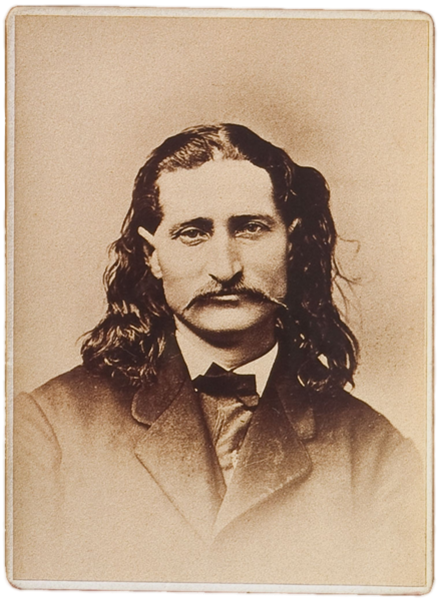
        hickok 1

‘Wild Bill’ Hickok (1837-76) 

He spent his early life as a ‘freight driver’ and then as a packer/wagon-master for the Union army when the Civil War broke out in 1861. The following year he was discharged for an undisclosed reason. He joined the Springfield Missouri detective police counting troops in uniform found drinking on duty (exciting, huh!). He was then hired by General John B. Sanborn as a scout, but by the end of the war, in 1865, he spent his time gambling in Springfield.  According to the History of Greene County, Missouri published in 1883, Hickok at this time was “by nature a ruffian… a drunken, swaggering fellow, who delighted when ‘on a spree’ to frighten nervous men and timid women.” ……. yawn.

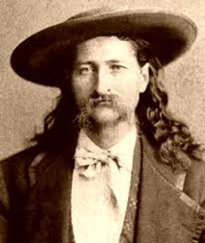
hickok 2

Hickok and hat

Lawman and gunfighter notoriety

Now down to business. Well, perhaps. Like most of the Wild West ‘heroes’ it is sometimes difficult to distinguish fact from fiction – especially when, as was Hickok, they became famous through the ‘dime novels’. He allegedly shot and killed 39 men (the dime novels suggest many more). But let’s have a look at what is believed, and most likely, to be true.

In Springfield, Missouri, Hickok had a long standing dispute with a Dave Tutt over Hickok’s girlfriend, Susannah Moore. Naturally, the dispute arose because Tutt thought she was his girlfriend. In July 1865, in a card game, Hickok gave Tutt his watch as collateral but told him not to wear it. Tutt wore it in the street and was called out by Hickok – it was a gunfight waiting to happen. Allegedly they were 75 yards apart (a long distance for a duel [1]). Tutt shot first and missed; Hickok shot second and didn’t. Tutt collapsed and died; Hickok got his watch back – but not the girl.

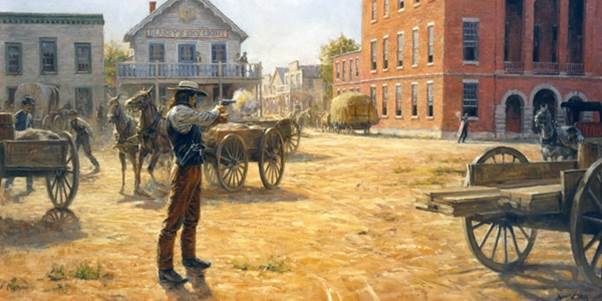
hickok 3

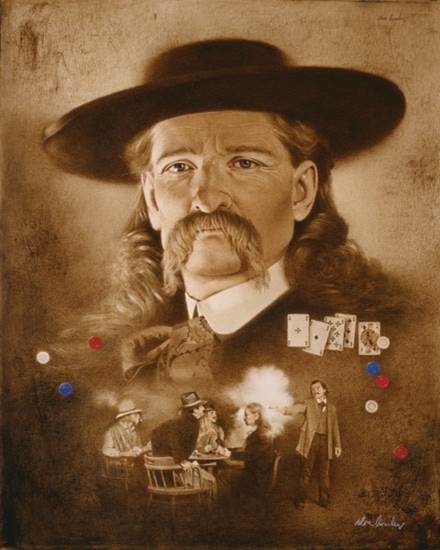
Painting of Hickok shooting Tutt at 75 yards (allegedly)

Hickok was arrested for the killing and the charge reduced from murder to manslaughter (I don’t want to get technical about the law but manslaughter implies a non-intent to kill – perhaps at 75 yards he didn’t expect to hit Tutt!). The jury went for an acquittal on the grounds of a fair fight. This was not a popular verdict at the time – presumably because Hickok was not a popular character – or because there was never such a thing as a fair fight with Hickok unless he had no gun!

In July 1869, Hickok was elected sheriff of Hays City, Kansas. Within a month he was involved in a couple of altercations, one where he ended up shooting and killing a Bill Mulvey, and other doing similar to a Samuel Strawhun. Then, in July 1870, he had a bar fight with Jeremiah Lonergan and John Kyle, two soldiers from the 7th Cavalry (Custer’s famous unit ‘to be’). Lonergan had Hickok on the floor and fired his gun at Hickok’s head. The gun misfired allowing Hickok to gather his own guns. He killed Kyle with two shots and wounded Lonergan with a shot in the knee. Hickok had a reputation for trouble and failed to get  re-elected sheriff. Perhaps they expected their sheriffs to fight with pillows …….

hickok 5

Painting of Hickok with his famous ivory handled Colts

In October 1871, Hickok was marshal of Abilene when he encountered Phil Coe, a saloon owner, following a fracas in the street outside Coe’s saloon. Coe had fired a couple of shots into the air and Hickok demanded his gun. Stupidly, Coe turned his gun on Hickok but Hickok was quicker, fired first and killed Coe. Then Hickok heard a shout behind him, turned and fired, killing the figure running towards him. The figure was his own deputy marshal, Mike Williams, coming to his aid. Hickok was relieved of his duties as marshal as a result. There are no further reports of Hickok gunfights.

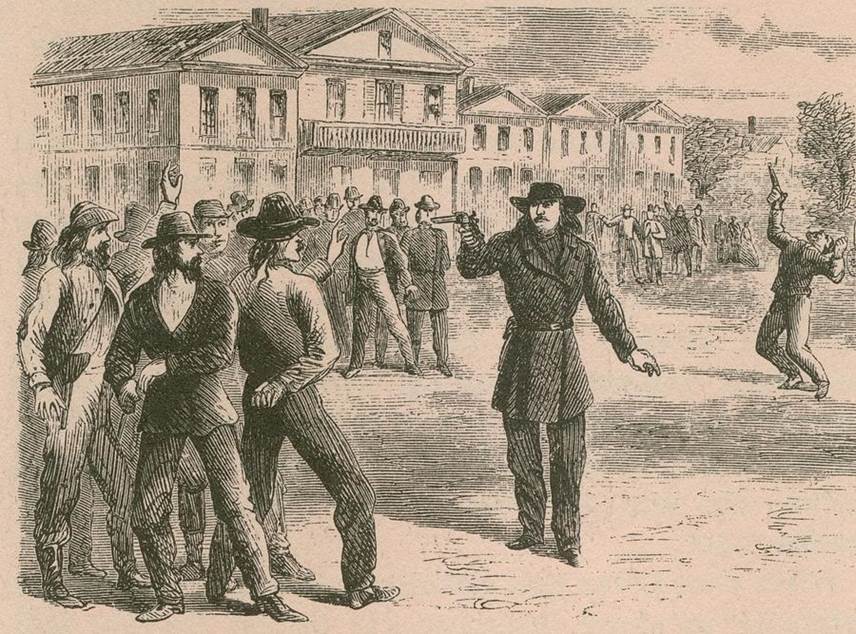
hickok 4

Newspaper picture of Hickok having shot Coe (far right) and turning his gun on the drunken crowd just before Williams appeared

In 1873, Hickok joined Ned Buntline’s Wild West show, Scouts of the Plains, with Buffalo Bill Cody and Texas Jack Omohundro. But Hickok was no actor and was always forgetting his lines. He was soon to give this up, as did Texas Jack.   Cody went on to form his Buffalo Bill’s Wild West Show in 1882, which had appearances by Calamity Jane and Annie Oakley.

hickok 6

          buffalo bill 2

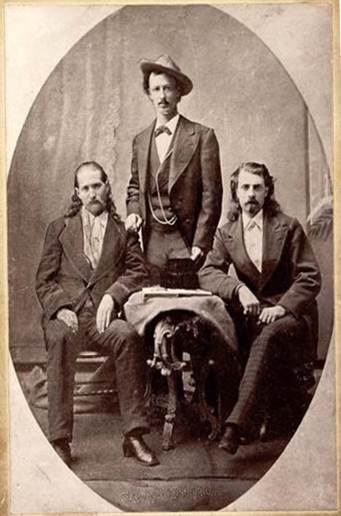
Hickok, Omohundro, Cody (1873)                                             ‘Buffalo Bill’ Cody (1875)

In 1876, in Kansas City, Missouri, Hickok was diagnosed with glaucoma and likely to lose his sight and his health generally was in decline. In March of that year, in Cheyenne, Wyoming Territory, he married Agnes Thatcher Lake, a 50 year-old circus performer. But before very long, in the same year, he headed, alone, to Deadwood, in the Black Hills of South Dakota, to make his fortune (well, that’s what he supposedly told Agnes). He arrived in July and met up again with Martha  Jane Cannary (aka Calamity Jane). Jane alleged she had been married to Hickok but this was wishful thinking on her part – it is believed he had little time for her.

On 2nd August, 1876, Hickok was playing cards at Nuttal & Mann’s saloon in Deadwood. He had his back to the door – unusual for him as he liked to see who was coming in. Well, one Jack McCall was coming in and came up behind Hickok and shot him dead at point blank range. Hickok was playing five card stud and was holding a pair of aces and a pair of eights (the fifth card had been discarded and not replaced) – now known as ‘Deadman’s hand’ – not his lucky night.

hickok 7

Deadwood, 2nd August 1876

It is not known why McCall killed Hickok, although, at his trial, he did say it was in revenge for Hickok killing his brother, Lew (who had been killed by a lawman in Abilene but it was not know who the lawman was). The jury in Deadwood accepted this and acquitted Jack. Is that retrospective defence of another?! McCall left town but had to brag about the deed and was arrested again in Yankton, Wyoming. His trial in Deadwood was not recognised as the town was still in Indian territory and not part of the USA. This time McCall was not so lucky – he was found guilty and hanged.

Jack_McCall

‘Not so second time lucky’ Jack McCall

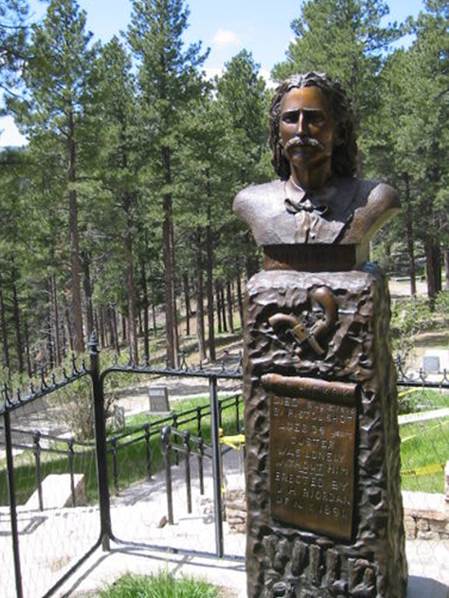
Hickok was buried in the Ingelside Cemetery in Deadwood, but in 1879 he was moved by his friend, Charlie Utter, to the new Mount Moriah cemetery. His original wooden grave marker went with him but was eventually destroyed by souvenir hunters who whittled bits off it! It was replaced with a statue of Hickok which was also destroyed by relic hunters. Then came a life-size statute which was defaced. So the grave area was enclosed in a cage for protection. But in the 1950s this was broken into by more relic hunters and the statue stolen. Finally a cast-iron fence was erected along with a new bust of Hickok.

Hickok 11

Hickok’s grave at Mount Moriah cemetery

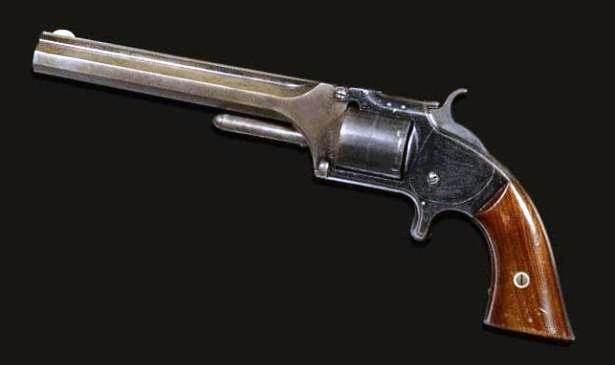
Hickok’s favourite guns were a pair of ivory handled cap-and-ball 1851 Colts .36 Navy Models pistols (if that means anything to anyone). They were sold to two separate people after his death to pay off his debts. They were supposedly reunited and appeared in the Buffalo Bill Museum in Cody, Wyoming – but there are some sceptics who suspect they are not the genuine items. In fact, he had several guns. The gun he had when he was shot was a Smith & Wesson No.2. This gun went up for auction in November 2013, at Bonhams, San Francisco, California. The final bid was $220,000 – which failed to meet an undisclosed reserve (ca. $300,000). Wow, some expensive gun!

hickok 9                    hickok 8

Possibly Hickok’s Colts                                                       Hicock’s Smith & Wesson at his death

Footnote:

[1]  Hand gun accuracy was notoriously bad – at the OK Coral, Wyatt Earp & C0 were missing at 10 yards (well, some of them were) – so, although Hickok was a supposed to be a pretty good shot, 75 yards is a bit over-optimistic!

Next week: Okay, enough Wild West, let’s go back to some archaeological characters: John Pendlebury, Hollywood fact or……. no, Hollywood didn’t make a film of him, but it should do. Not just because he was an archaeologist of great courage, determination and non-fiction, but because ….. ah, find out next week.


Artemus Smith’s Notebooks

I continue my research of the notebooks of Dr Artemus Smith, archaeologist of great courage, determination and fiction. Here is another extract:

Whilst in Italy, I was reviewing some oddments of Roman pottery when I met a most agreeable and charming Italian archaeologist. Unfortunately, the time I chose to seek his learned advisement, his sister had just produced twins, a boy and a girl, and I could gain little sense from him over his understandable excitement at being an uncle.  I enquired as to what they were called.

“Ah,” his grin filled the room, “leetle girl is Denise”

“That’s nice”, I said, “and the boy?”

“He is de nephew.”

Art Smth

The Alamo: Hollywood fact or fiction?

THERE WAS an Englishman, a Scotsman, an American and a Mexican on an aeroplane. The engines began spluttering and the pilot came back and said, “We have lost power. Unless three of you jump out of the plane we will crash and we’ll all die. The problem is there are no parachutes.” The Englishman jumped up and shouted, “Remember Trafalgar” and threw himself out of the plane. The Scotsman jumped up and shouted, “Remember Bannockburn” and threw himself out of the plane. The American jumped up and shouted, “Remember the Alamo” and threw the Mexican out of the plane.

Samolet-13

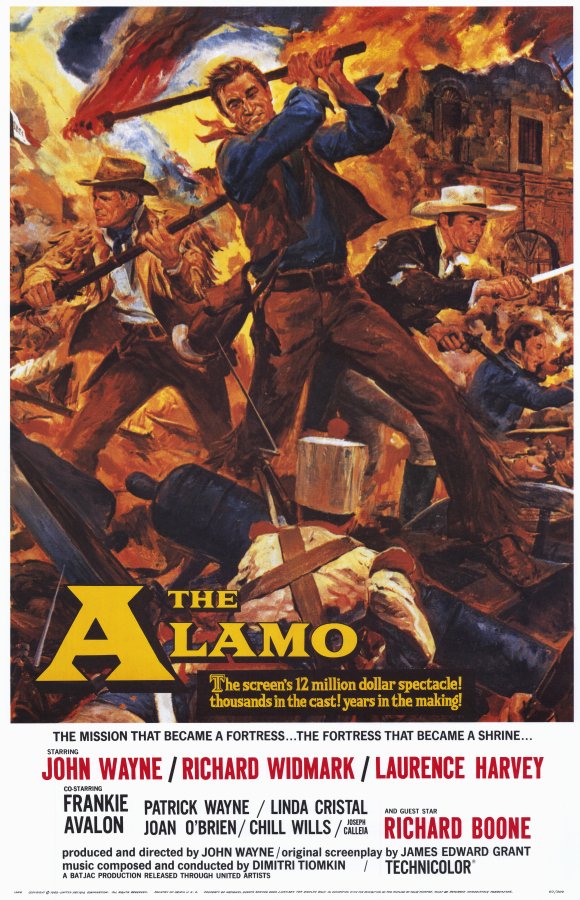
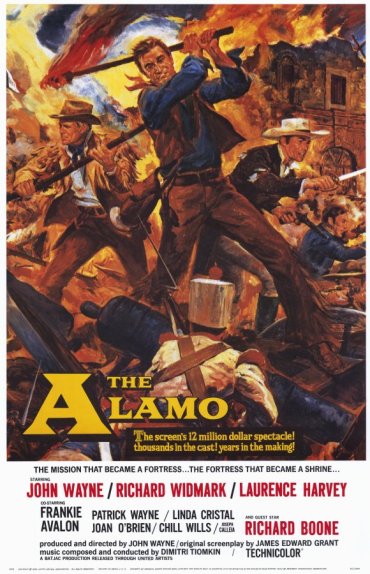
So was Hollywood’s ‘The Alamo’ anything like the true facts? Well, first of all, which Hollywood Alamo? Since 1915 there have been about 12 movies on the Alamo, the latest being the rather rambling (but slightly more authentic) Billy Bob Thornton effort in 2004. But the only great version, which most people relate to, is the John Wayne version in 1960 (okay, that’s my opinion – and yes, I’m a John Wayne fan). Big John starred in it of course, but he also produced and directed it. In fact, initially, he only intended to play the small part of Sam Houston so he could concentrate on directing but the money-providers would have none of it. And rightly so – only John Wayne could have played Davy Crockett.
Alamo_1960_poster

 The Alamo – ‘fighting for freedom’ …..?

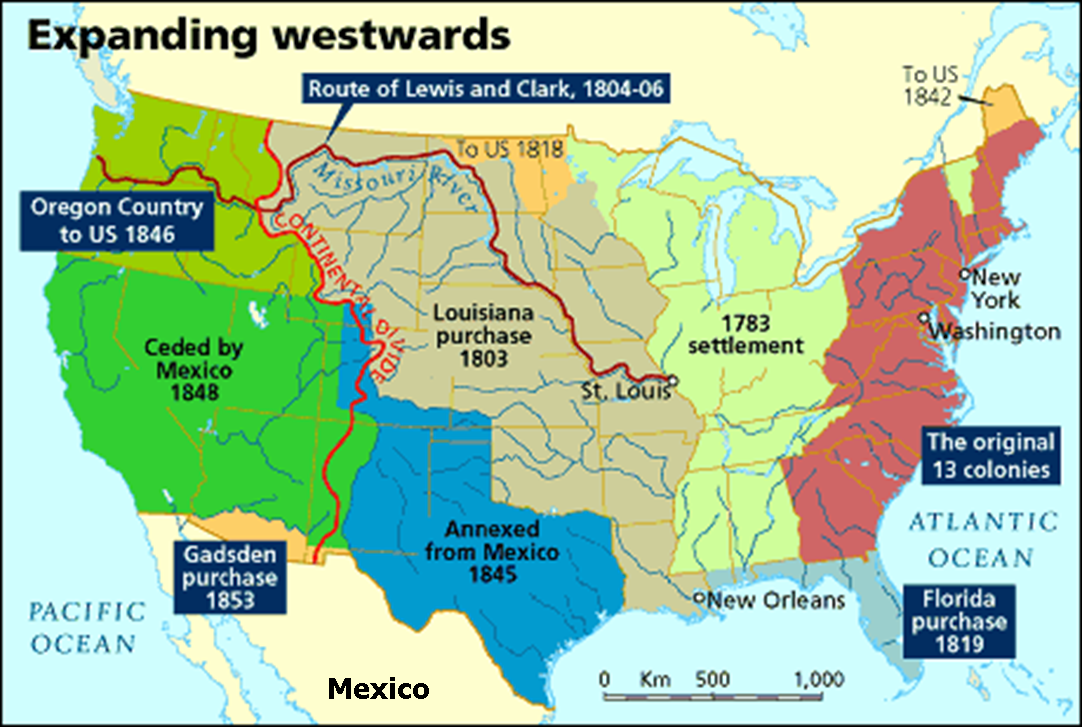
So what really happened? Well, more to the point how did it come about? Hollywood will have it the ‘Texans Fighting for Freedom!’  Well, not exactly. It’s quite complex but let’s try and keep it simple. In the early 1800s there were these American ‘mercenaries’ called filibusters looking around for land and Florida and Texas, both owned by the Spanish, were targets. America bought Louisiana from the French in 1803 but the borders into Texas were ill-defined. In 1813, the filibusters wandered into Texas to try and redefine these borders in America’s favour but set up their own Green Flag Republic, independent of the US – and Spain. The USA was none too happy and so withdrew its support and the new GF Republic was crushed by the Spanish. In 1819 Spain negotiated with the USA wherein the latter was able to purchase Florida in return for giving up any claim on Texas.
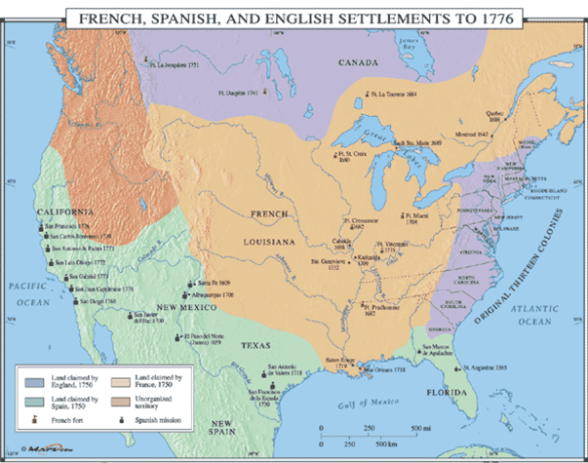
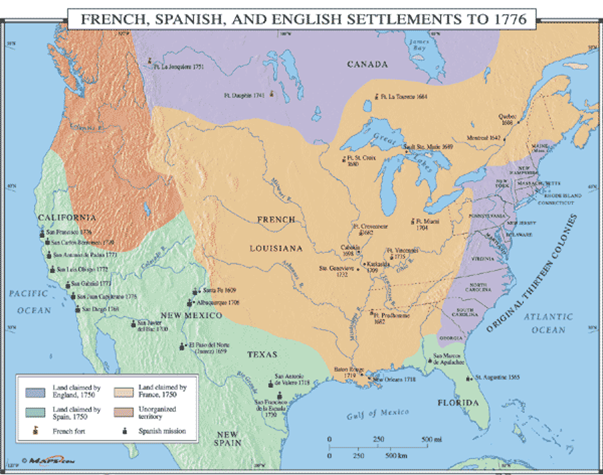
 alamo spain

America before the Americans – Spain in green, France in brown, England in purple (or is it mauve)

So that is all fine until Mexico obtained Independence from Spain in 1821. And Texas became part of Mexico. There followed a flood of American settlers into Texas (Anglo-colonials) and Mexico decided to encourage this new immigration to allow the land to be developed which they were unable to do themselves (Mexican mistake no. 1).  An ’empresario system’ was set up with the Mexican government by Stephen F. Austin wherein 300 immigrant families would settle in Texas (Austin’s father, Moses, had made a similar deal with the Spanish but died and then Spain gave up Texas before it all came about). Empresarios (American immigrants in Texas) were appointed by the Mexican government to sell land to immigrants at $30 (on credit) for 4000 acres (the cost in the USA would have been $5000 cash – a pretty good deal if you ask me!). In return, immigrants would become Mexican citizens and Catholic.
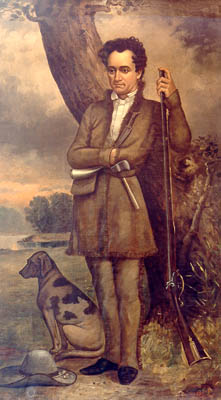
austin

Stephen Austin –  the ‘Father of Texas’ – one man and his dog

Then trouble began. First of all, one Haden Edwards decided that he would to go independent but he was put down by Austin who wanted to keep the peace with Mexico (makes sense bearing in mind the deal). Then, in 1829, Mexico abolished slavery. Unfortunately most of the immigrants were from the southern States of America (mainly Tennessee, Kentucky and Missouri) and so had slaves themselves. But the Mexican allowed them to keep them. Enter William Barret Travis (played by Lawrence Harvey in the film), a lawyer who had fled his hometown of Claiborne in Alabama, and his wife and child, to avoid debt. He was pro-slavery (and had with him his slave, Joe – one of the few who survived the Alamo, but didn’t appear in the film) and openly challenged the Mexican officials on the topic and was arrested. On his release he emerged as a rebel against Mexico. But alone he had little impact.
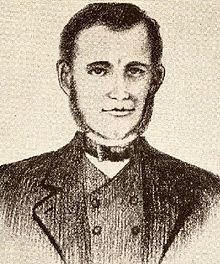
 travis

Col. William B. Travis 

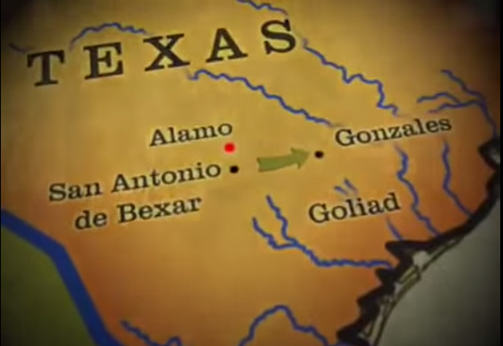
If you were paying attention above, the original deal was limited to settling 300 families – we are way passed that figure now. So, in 1830, Mexico decided to curb immigration into Texas as it was concerned it was losing control. This was ignored by the American immigrants (there’s a surprise). By this time Mexico was having its own internal squabbles between centralists and federalists. Antonio de Padua Maria Severino Lopez de Santa Anna y Perez de Lebron – known as Santa Anna – (his father must have been an ardent supporter of some Mexican football team) was leader of the federalist but when he took control as President in 1833 he became a centralist, then a dictator. Zacatecas objected so Santa Anna sent a force and destroyed the city and all the inhabitants. Texas (particularly Travis) supported the federalists and was now very concerned about Santa Anna’s intentions regarding Texas (bearing in mind what happened at Zacatecas – he thought it was next). Likewise, Santa Anna was concerned about the intentions of the immigrants in Texas (independence) and decided to begin to remove their arms. This began in October 1835 with a single canon at Gonzales, which had been given to the town by the Mexicans to defend against Indians. The Mexicans marched on Gonzales and demanded the return of the canon (Mexican mistake no 2). The Texans replied “Come and get it”. There was  a bit of a skirmish but the Texans held onto the canon and sent the Mexicans home. The Texas Revolution had begun.
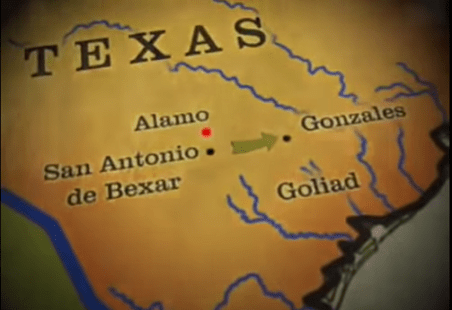
alamo

Mexican march on Gonzazales

 Re-enter Stephen Austin. He now objected to Mexico adding neighbouring Coahuila to the Texan State and was imprisoned for 18 months (Mexican mistake no 3). This was to also to spur the Texans to rebellion.
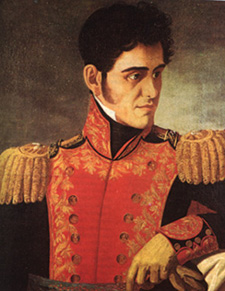
 000145710

Santa Anna ‘FC’

Then enter Jim Bowie (played by Richard Widmark in the film). Whatever impression you got/have of him, he was a large scale Kentucky criminal escaping his past of land-grabbing frauds in Louisiana. (By the way, he didn’t invent the Bowie knife – he just used it a lot and the name stuck). He headed to Texas in search of more opportunities (to perhaps defraud more people). Anyway, he claimed large areas of land through the empresario system which were subsequently taken away from him by Santa Anna. This caused Bowie to support Texas independence. In the film, whilst defending the Alamo, he hears of the sad news of the death of his wife (Maria Ursula) of the plague. She did die of cholera, but three years before the Alamo. Perhaps news just travelled very slowly in those days.
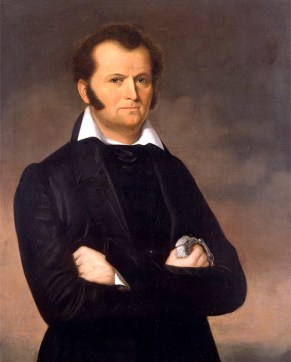
 Jimbowie

Col. Jim Bowie 

Finally, enter Davy Crockett (played by …. oh, you know). He had been elected for US Congress in 1827 and hoped for an opportunity at the presidency. Unfortunately he was not re-elected to Congress for a fourth time  in 1835 and so left for Texas in the hope of more opportunities. He had said, and forever repeated it, that if he wasn’t re-elected “you may all go to hell, and I’ll go to Texas.”  He wasn’t and he did. He was a true frontiersman and larger than life character. Perfect for John Wayne to play – in fact, if  I was making a film about John Wayne I would cast Davy Crockett to play him – although, admittedly, that would prove somewhat logistically difficult. Anyway, I digress, Crockett joined Travis and Bowie at the Alamo to hold up the Mexican army under Santa Anna until help arrived. It did not quite work out like that.
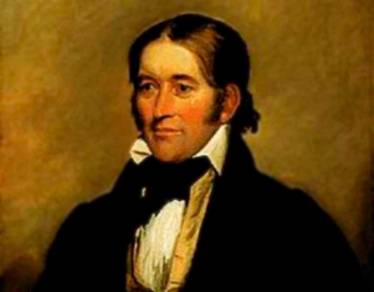
 crockett

Col. Davy Crockett 

The battle

The rebels (that’s the Texans and Mexican allies, the Tejanos), led by Ben Milam, first took San Antonio Bexar (we’ll call it Bexar cos it’s easier – but it’s now just known as San Antonio – see map above). It was a five day battle and, as the rebels were on the verge of retreating, the Mexicans surrendered! But, on the 3rd day, Milam had been shot and killed by a sniper (Felix de la Garza – who was also shot and killed in return – fair’s fair).  Frank Johnson had taken command. 150 Mexican casualties against 5 rebel deaths. Then the Alamo was taken by the rebels without a fight. When Santa Anna heard the news he was greatly vexed. He said, “Ungrateful rebels had humiliated their mother country” and gathered his force and marched on Bexar.
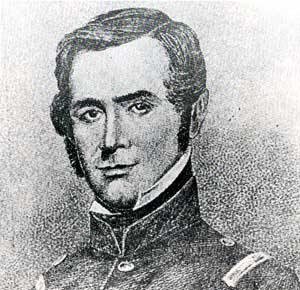
 ben milam

Ben Milam

End of December 1835, Johnson left Bexar and Lt Col James Neill took command. By January he had only 85 men.  Jim Bowie and 30 volunteers arrived, then Travis with his ‘regulars’. Davy Crockett and his men from Tennessee joined shortly afterwards. On hearing of Santa Anna’s approach the rebels vacated Bezar and headed over the river to the nearby fortified Alamo.
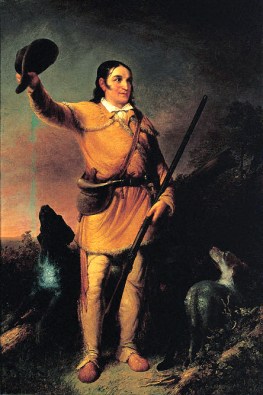
 Davy_Crockett_by_John_Gadsby_Chapman

Davy Crockett in his more famous buckskin outfit

San Antonio de Valero was originally built as a mission to Christianised the Indians (sorry, native Americans) but it was closed, unfinished, in 1794. It was later garrisoned by a presdial company from Alamo de Parras, in Mexico, and renamed the Alamo.
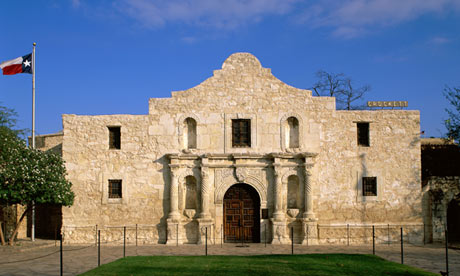
alamo protest

The church of the Alamo today

O’Neill had to leave as he had heard of illness in his family (he wasn’t stupid – get out of there asap!). Admittedly, he did expect to be back before Santa Anna’s arrival but no one realised how close Santa Anna was. Bowie was left in charge but was taken ill (possibly TB) and in no fit state to command (so, unlike in the film, he wasn’t much involved in the siege or the battle). Travis (aged only 26) took over and wrote many letters pleading for reinforcement – all ignored.
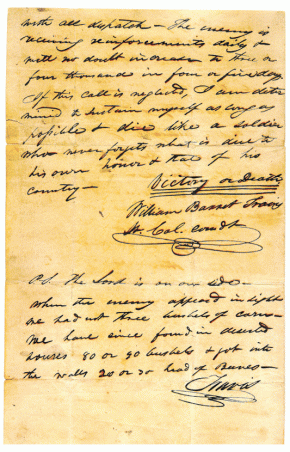
 travisLetter_pg2

One of Travis’ many letters pleading, in vain, for reinforcements at the Alamo – he always signed them of ‘Victory or death’

The numbers at the Alamo vary from source to source – 160, 180, 200, 250. If we go with 200 we can’t be far out. Santa Anna had anything from 2000-6000 men (that figure varies as well – he may have had around 6000 in total, but used only 2000 on the attack on the Alamo). The Mexican weakness was its artillery – it only had two 8 pounders, two 6 pounders and two 4 pounders. These were not much use for breaking up the thick walls of the Alamo. The siege began on 23rd February and lasted just under two weeks. Santa Anna could have waited another four weeks or so and starved the rebels out but he feared rebel reinforcements at any time. So the attack began at 5.00 am Sunday 6th March and lasted just about an hour and a half before all the rebels were killed. Travis was shot and killed at the very beginning; Bowie was killed in his bed, unable to move due to his illness; and Crockett was killed towards the end (it’s not known exactly where, when or how – some say he was captured and executed, but I doubt that). What is certain, unlike in the film, he was not killed blowing up the powder magazine and taking a load of Mexicans with him. Robert Evans was given this task but he was shot and killed before he managed it.
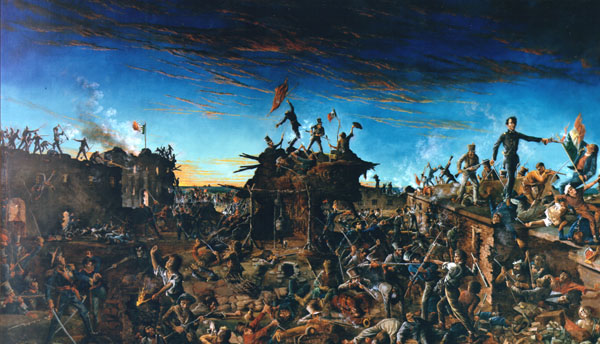
alamo-painting

Dawn at the Alamo – the man standing with hand gun on the right is William Travis – about to be treacherously stabbed in the back by a cowardly Mexican (18th century anti-Mexican propaganda) – Travis was actually shot in the forehead
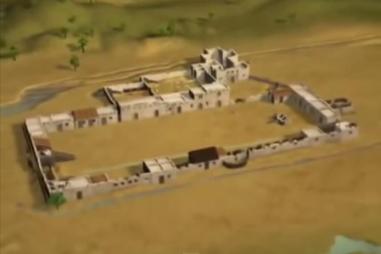
alamo 1

The mission of the Alamo before the battle (north to the left)
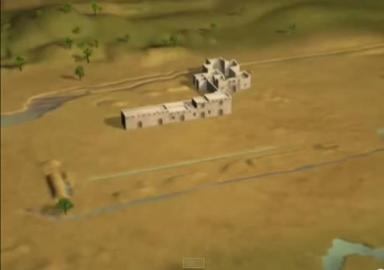
alamo 2.

What was left of the mission after the Mexicans had destroyed most of it 
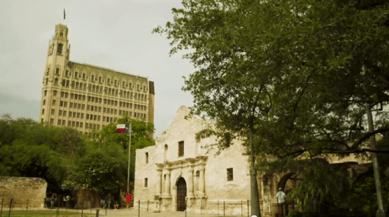
alamo 2

Today the Alamo church is right in the centre of San Antonio

The General Council (of Texas) decided it couldn’t (or shouldn’t) raise an army to send to the Alamo until it had declared Independence for Texas. This was eventually done on the 1st March but, due to numerous spelling mistakes, it was not signed until two days later! If that delay wasn’t enough, Sam Houston was involved and was to be given command of the Texan army and, after signing the Declaration, he and some of the other delegates went on a two day drinking spree to celebrate – never mind the Alamo.
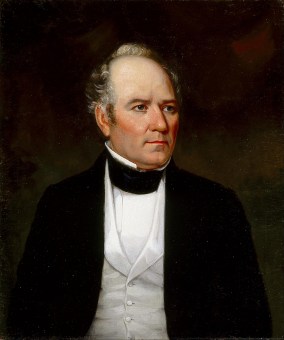
Sam_Houston_

Sam Houston (played by Richard Boone in the film)

Aftermath

Santa Anna then sent a force against the rebels at Goliad (see map way above). By the time the Mexicans got there the rebels had fled, but due to the incompetence of their commander, James W. Fannin, who dillied and dallied, the Mexicans caught up with them. They surrendered but Santa Anna sent a message to execute them all – some 400 (Mexican mistake no 4). In the film, this defeat happened before the fall of the Alamo and used, by Hollywood to excuse Fannin for not coming to the rescue. In truth, he just couldn’t make a decision (at one point, he did start off for the Alamo but changed his mind). Anyway, this atrocity of the execution of Fannin’s army woke the Americans up. It sparked an out-pour of sympathy for the rebels and thousands of volunteers began their way to Texas. In the meantime, Santa Anna was in pursuit of Houston and his newly formed army – which, due to the Alamo, had gained time to prepare itself (despite Houston’s drinking). Santa Anna came upon Houston with only half his (Santa Anna’s) army – he thought Houston and his rabble force would be easy pickings (mistake no 5 – final mistake). In fact, Houston made a surprise attack on the siesta sleeping Mexicans and defeated them at San Jacinto river (the attack itself lasted only eighteen minutes but carnage followed with 600 Mexican casualties against 11 rebel deaths). Santa Anna was captured and used as a hostage to gain a Texan Republic under the Treaties of Velasco.
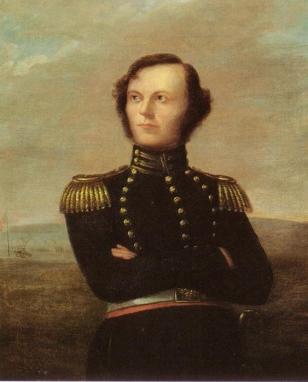
JamesWFannin

James W. Fannin – his execution on the order of Santa Anna led to much support for the Texan cause

Santa Anna was eventually allowed to return to Mexico where, amazingly, he remained in power on and off for several years until, in 1855, the Mexicans finally got fed up with him and chucked him out. He died, a cripple (he had had a leg amputated in 1838), almost blind with cataracts, and in poverty, in 1876. Interestingly, he was a devoted fan of Napoleon and collected books, statues and images of the Frenchman. He was especially proud of his own nickname ‘Napoleon of the West’ after the Telegraph and Texas Register referred to him as such. Which part of the minor detail that Napoleon lost did he miss?
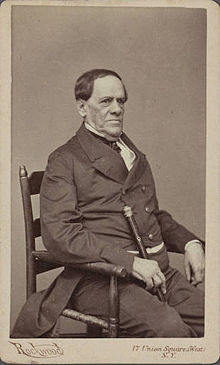
santa anna 1870

Santa Anna in 1870

Texas became the 28th State of the USA in 1845 but Mexico had never accepted the Treaties of Velasco as valid. This led to the Mexican-American War of 1846-48 when Mexico was finally defeated.

So, was the Alamo about ‘Texans fighting for freedom’ as the film depicts? Well, ‘freedom’ can sometimes be muddle with self-advancement at the expense of someone else.  However you argue it, Texas belonged to Mexico and the  Mexicans did a noble thing in offering land to a limited number of immigrants (300) at a ‘next-to-nothing’ price in return for becoming Mexican citizens. That ‘limited number’ was ignored by the immigrants and eventually they demanded independence. Fair or what? Okay, Santa Anna was a despot and a tyrant so only had himself to blame.
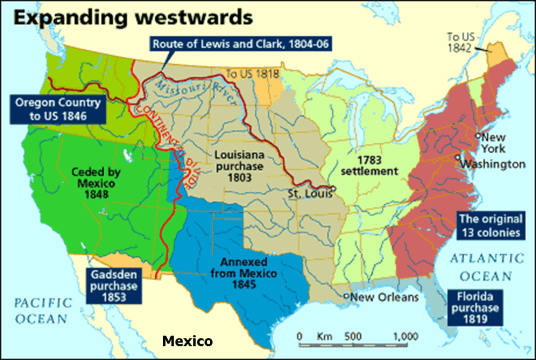
 mexico2

American expansion

The rebels argued that “legitimate political authority rested on the consent of the governed, who had the right to withdraw that consent and change their government if it threatened those inalienable rights it was formed to protect.” As they saw it, that was exactly what Santa Anna (the government) was in the process of doing. Well, that’s okay if your country is run on a democratic process, which theirs (Mexico) was not. If such an argument is to succeed then the whole of Mexico should have rebelled against Santa Anna, not just a bit of it. Oh well, that’s politics ……. or is it just land-grabbing?

It must be an ‘American thing’ – a few years before the Alamo, around 1775-83, didn’t immigrants in America demand – and take by force – independence of a country that belonged to someone else? ….. but we won’t go there.
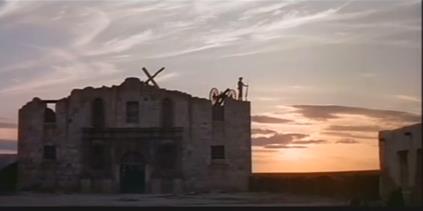
 

alamo pic


POSTSCRIPT

Alamo trivia: One of the women survivors was Capt. Dickinson’s wife, Susanna Dickinson, and also their daughter, Angelina (named Lisa in the film and played by John Wayne’s daughter, Aissa). Other than Travis’ slave, Joe, who was also allowed to leave, Susanna was the only one able to say what happened at the Alamo – but, like Joe, she didn’t see very much. Nor did she grieve for her husband (who had died at the Alamo) very long, remarrying the following year. That didn’t last and the year after that she divorced him for cruelty and married again. That husband died of alcoholism, so she married a fourth time in 1847, but that ended in divorce due to her adultery. Then she married a fifth and final time in 1858, which lasted to her death in 1883, aged 68. Her daughter, Angelina, was certainly as active, but not as fortunate. She had two husbands and four children before becoming a prostitute and died of a uterine hemorrhage in Galveston, in 1869, aged 34. I wonder if John Wayne bothered to check what she became before he cast his young daughter in her role?!
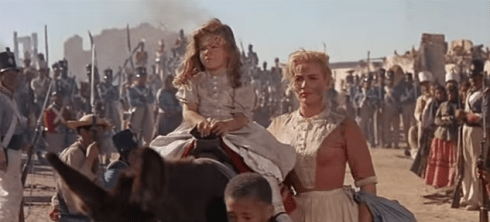
alamo 4

Lisa (actually Angelina) (played by Aissa Wayne) on mule with her mother, Susanna Dickinson, leaving the Alamo at the end of the film. 

Next week: Let’s stay with the Wild West (sorry girls) and have a look at ‘Wild Bill’: Hollywood fact or fiction? – that will be Wild Bill Hickok (although his real name wasn’t Bill)


Artemus Smith’s Notebooks

I continue my research of the notebooks of Dr Artemus Smith, archaeologist of great courage, determination and fiction. Here is another extract:

One of my new colleagues came into my local hostelry and ordered three pints of bitter and sat next to me.

I commented, “You know, a pint goes flat after awhile. It would taste better if you bought one at a time.”

He replied, “Well, you see, I have two brothers. One is in America, the other in Australia, and I’m here in the UK. When we all left home, we promised that we’d drink this way to remember the days we all drank together.”

I admitted that this was a jolly nice custom, and left it there.

He became a regular in the bar and always drank the same way – ordering three pints and drinking from each of them in turn.

One day, he came in and ordered only two pints, sat down and began to drink from each of them.  This caused me concern and I said, “I don’t want to intrude, but has one of your brothers died?”

He looked at me and laughed. “Oh, no,” he said, “Everything is fine with them. It’s me ….. I’ve quit drinking.”
Art Smth